Travel Guide
3 Days in Aomori & Hirosaki: Cherry Blossoms, Castles & Jomon Ruins
Want the editable version of this route?
Open the Instaboard template and adapt stops, timing, and notes to fit your trip.
Most people chase cherry blossoms through Kyoto and Tokyo and call it done, but the best sakura in Japan is up where almost nobody goes. Get the timing right and Hirosaki delivers the longest bloom window in the country. Miss it and the petals fell before you arrived.
Late April through early May is the window: mild temps, cherry trees wrapped around a castle, night illuminations, food stalls, the works.
Day 1
Start in Hirosaki because the castle park has fifty-two sakura varieties planted to overlap, the longest bloom window of any major cherry blossom spot in Japan.
Hirosaki Park
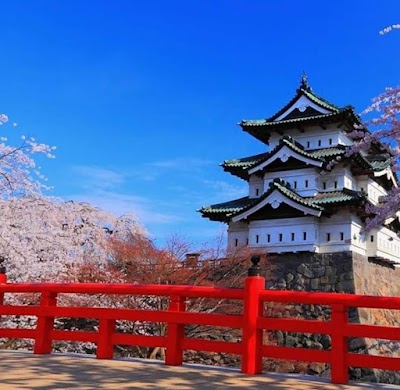
Hirosaki Park sits on the old castle grounds with roughly 2,600 cherry trees, not one variety but over fifty, planted so early and late bloomers overlap. When the petals fall, the moats fill so densely the water looks solid pink. Locals call it hanaikada, and it's arguably better than the flowers.
This place ranks top three for cherry blossoms in Japanese domestic surveys, and most international travelers have never heard of it. Come in the morning. You trade the night illuminations for thin crowds and soft light, and you'll want cash for the food stalls.
Tip: Arrive early to beat the festival crowds at Hirosaki Park's sprawling cherry lanes; bring cash for the food stalls that line the main paths during bloom season.
Hirosaki Castle
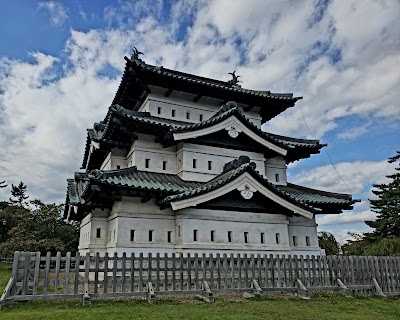
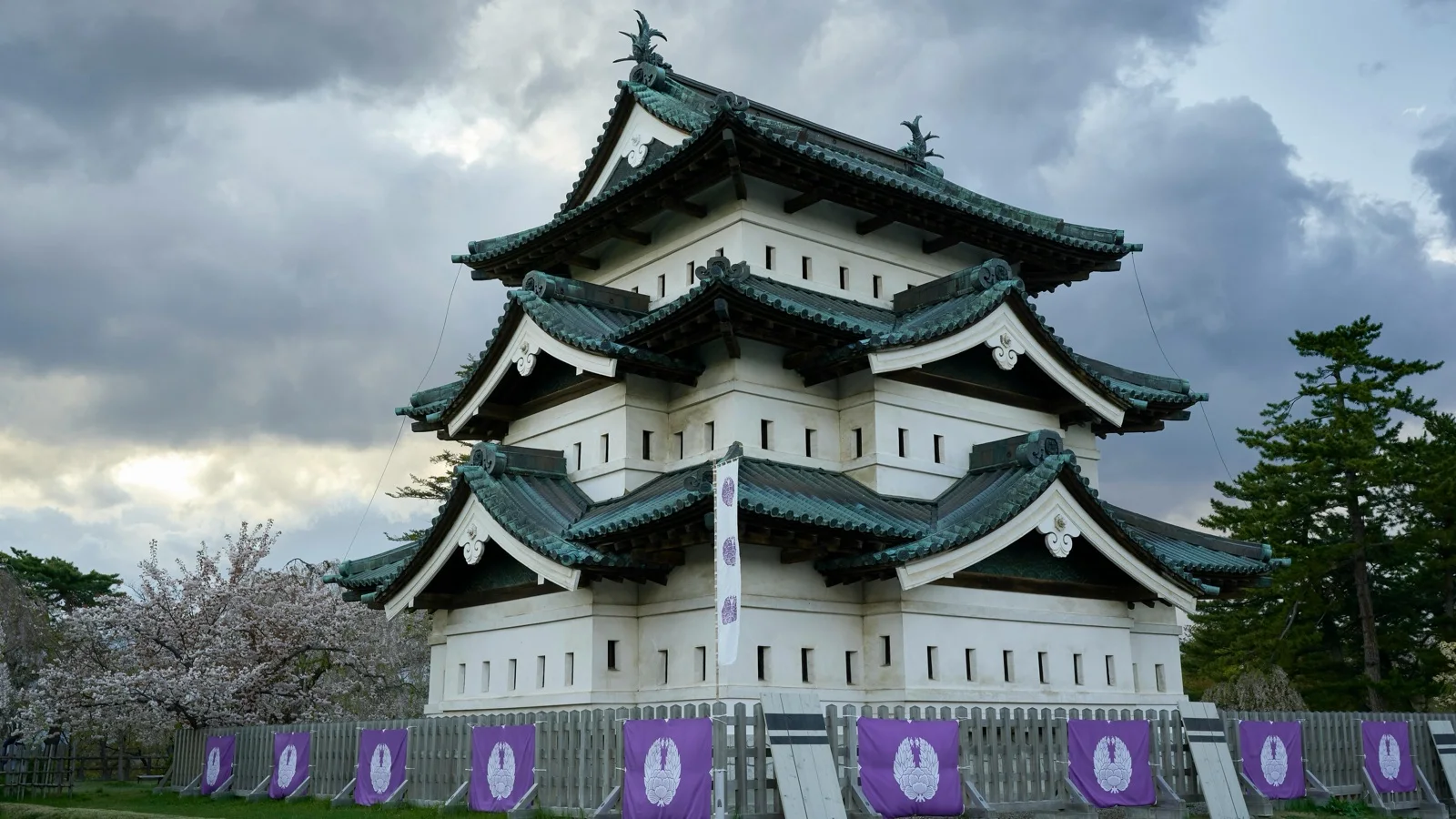
One of only twelve original castle keeps still standing in Japan. This is not a concrete rebuild but the actual four-hundred-year-old timber. A few years ago they picked up the entire keep and slid it sideways to fix the crumbling stone walls underneath.
They're now moving it back, which means the interior is closed indefinitely. The exterior framed by cherry trees is the main event anyway. Walk here from the park paths because the castle is the visual anchor of the grounds: stone ramparts, blossom tunnels, Mt. Iwaki behind it all.
Tip: Book your entry ticket in advance during peak bloom weeks; the castle keep is compact so expect a short queue at the gate before you can climb the stone ramparts.
Hirosaki Castle West Moat
This is the shot from every best-sakura list: cherry trees arching over still water, petals scattered across the surface, a rowboat underneath. Rent a rowboat and paddle under branches dipping toward the water. On a calm afternoon the moat surface doubles everything into a mirror.
One person rows, so if that's you and you've never done it before, everyone on the bridge is about to find out. Afternoon light is when this place delivers. The pink reflections warm up noticeably, and the boat rental lines thin out before sunset.
Tip: Rent a rowboat on the West Moat in the afternoon when the light softens; arrive before peak opening hours for the shortest line at the boat rental.
Day 2
Day two stays in Hirosaki but trades petals for depth: a line of Zen temples, a samurai neighborhood, and a hall full of enormous painted festival floats.
Zenringai (Zenrin sanjūsan-ka-ji)
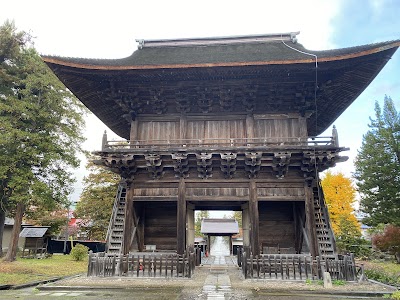
Behind the castle, thirty-three Soto Zen temples line a single stone-paved street. The Tsugaru clan built them as a spiritual defense perimeter. Earthen walls, wooden gates, moss, incense drifting from somewhere you can't see, and almost no other tourists.
The dominant color is grey-green-brown, which is exactly the palate cleanser you need after two thousand six hundred pink cherry trees. Visit here first because some sub-temples close by mid-afternoon. Chosho-ji at the far end is the head temple and most reliably open.
Tip: Walk the atmospheric stone-paved Zenringai street early when the temple gates first open; many sub-temples have limited opening hours so plan your route in advance.
Nakachō Traditional Samurai House Preservation Area
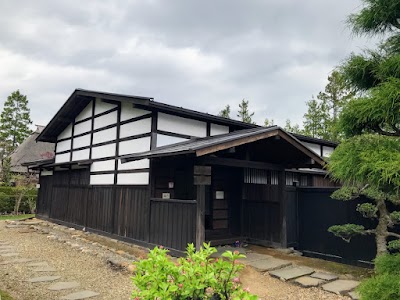
A few blocks away, the original castle-town grid survives: stone walls, narrow lanes, and preserved samurai houses you can walk inside. Tatami rooms, dark timber, low ceilings, compact gardens. The warrior class lived modestly, and the houses show it.
The merchant house in the same district had better furnishings than the samurai houses. Swords didn't pay as well as account books. This is a real residential neighborhood, not a restored-for-tourists zone. Walk through for the architecture and the quiet.
Tip: Explore the restored red-brick Taisho-era storehouses at your own pace; most craft shops accept card payments and the area's cafes are ideal for a warm midday break.
Tsugaru-han Neputa-mura Village
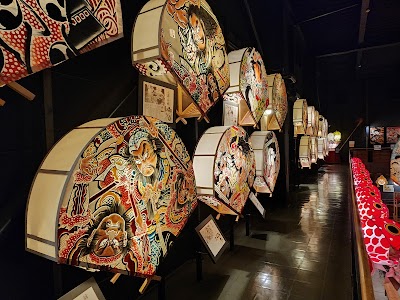
Hirosaki's summer festival is one of the biggest in Tohoku, and this hall is the only way to see the floats up close in spring. Fan-shaped floats several meters tall, painted with fierce warriors and mythological scenes. Hirosaki's are fans, not the doll-shaped ones from Aomori City.
The live Tsugaru shamisen performances are the highlight: a fast, percussive three-string style that sounds like it's trying to outrun itself. Time your visit around a shamisen show because they run on a schedule, and the apple-product tastings come with your entry.
Tip: Reserve a seat for the live Tsugaru shamisen performance held twice daily; apple-product tastings are included with your entry ticket.
Day 3
The final day moves to Aomori City: a contemporary art museum, a five-thousand-year-old settlement next door, and a triangular tower on the waterfront.
Aomori Museum of Art
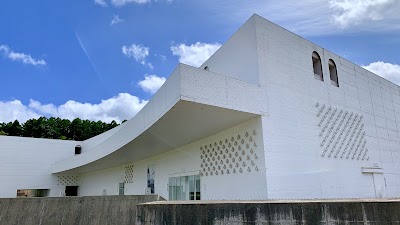
You don't expect a serious contemporary art museum this far north, but Aomori has one, and the collection punches well above its weight. Marc Chagall's massive theater backdrops, Yokoyama Taikan scrolls, and an entire gallery for Yoshitomo Nara, the big-eyed-children artist on every tote bag.
Outside on the lawn, Nara's oversized dog sculpture stares at you like it's deciding whether you belong here. It's the museum's unofficial mascot. The museum is a short bus ride from Shin-Aomori Station, not walkable from the center. Check the website for timed entry during holidays.
Tip: Arrive at opening to enjoy the Chagall and Nara Yoshitomo galleries without the weekend crowd; the stark white architecture alone is worth the entry fee.
San'nai-Maruyama iseki Special Historical Site
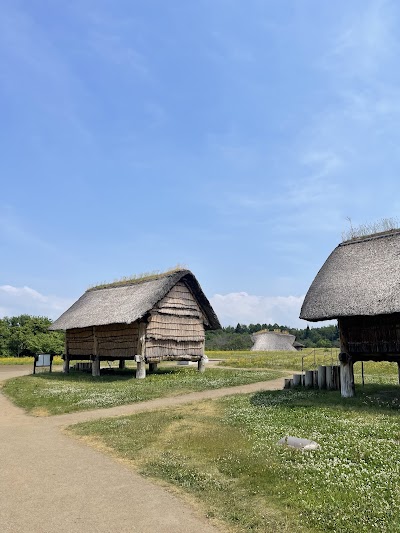
Walk from the art museum straight here because the grounds are shared. This forty-hectare settlement predates emperors, samurai, and temples by thousands of years. Reconstructed pit dwellings sit on the actual excavation spots. Crouch inside one, then stand next to a six-pillar tower nobody can fully explain.
Hunter-gatherers built a permanent town here and stayed for generations, part of a UNESCO listing of Jomon sites across northern Japan. Because this is an outdoor site on exposed ground, calm morning weather is ideal. If it's pouring, swap for more time at the museum.
Tip: Walk among reconstructed Jomon pit dwellings at this open-air archaeological site; wear warm layers as the exposed grounds can be breezy in spring.
Aomori Prefecture Tourism Information Center ASPAM
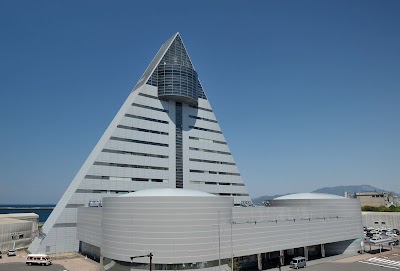
Back toward the waterfront, Aomori's landmark is a triangular building shaped like the letter A, the architectural equivalent of wearing a name tag. The thirteenth-floor observation deck gives you Mutsu Bay and the whole waterfront panorama, useful for orienting yourself to the city.
Inside: Nebuta float displays, local cider tasting, and a ground-floor shop selling apple pie that people get surprisingly opinionated about. This is a natural last stop because it's a short walk from Aomori Station. Check visibility before paying for the deck, then head to your train.
Tip: Ride the elevator to the 13th-floor observation deck for panoramic views over Mutsu Bay; the triangular building is a short walk from Aomori Station.
What to book ahead
- Book Hirosaki hotel near the park (2-3 months ahead) - Cherry blossom season fills Hirosaki accommodations fast; aim for a ryokan or hotel within walking distance of the park.
- Reserve Aomori Museum of Art tickets (2 weeks ahead) - Special exhibitions can sell out on weekends during spring travel season.
- Check JR East Pass coverage (Before travel) - The JR East Pass covers the limited express between Aomori and Hirosaki and can save significantly on train costs.
- Book Nebuta Museum WA RASSE tickets (1 week ahead) - Online tickets let you skip the ticket queue during busy periods.
What to pack
Essentials
- Light jacket or fleece - Spring temperatures range 10-18°C with cool mornings and evenings.
- Comfortable walking shoes - Expect 8-12 km of walking per day through parks, temple paths, and city streets.
- Portable charger - Long photo-heavy days at cherry blossom sites drain phone batteries quickly.
Nice to have
- Compact umbrella - Spring weather in Tohoku can shift quickly with intermittent rain showers.
- Binoculars - Useful for spotting details on Nebuta floats and distant mountain views from ASPAM.
- Picnic mat - Perfect for hanami (cherry blossom viewing) under the trees in Hirosaki Park.
Final take
Aomori and Hirosaki reward the extra train ride: blossoms that last longer, temples you get to yourself, and history deeper than anyone expects.
Plan this trip
Turn this guide into an editable trip plan
Open the route in Instaboard, adjust the stops, and share the itinerary with your travel group.