Travel Guide
4 Days in Bali: Temples, Beaches & a Volcano Sunrise
Want the editable version of this route?
Open the Instaboard template and adapt stops, timing, and notes to fit your trip.
So this is Bali, the island where temples sit in moats, on sea rocks, and on clifftops, plus a volcano you're expected to climb before dawn. Four days is enough to do it properly, but only if you're not burning your mornings figuring out where to go next.
July is dry-season peak, with clear skies, reliable sunsets, and bigger crowds everywhere, so timing your stops matters more than which ones you pick.
Day 1
Day one is a Tabanan temple day: a quiet moated primer in the morning, then the famous sea temple on a rock at sunset.
Taman Ayun Temple
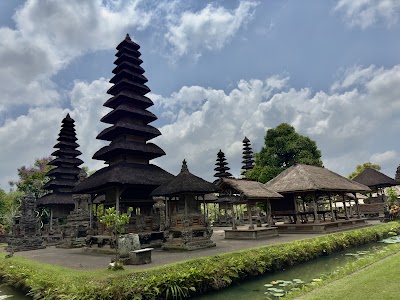
Taman Ayun is a 17th-century royal temple of the old Mengwi kingdom, with tiered shrines rising like stacked thatch cones from an island inside a wide moat. It's part of Bali's UNESCO cultural landscape, which means it matters historically even though most first-timers haven't heard of it.
You cross a bridge to the inner towers, and the moat mirrors them in green water, with frangipani, incense, and a quiet the coastal temples won't give you. Come right at opening because it's the gentle primer, where you learn the routine while you're fresh, before the sunset crowds hit Tanah Lot.
Tip: Book your entry ticket at the moat gate and arrive right at opening hours to beat the weekend crowd; bring cash as card payment is spotty inside this UNESCO-listed royal temple with tiered meru towers.
Tanah Lot
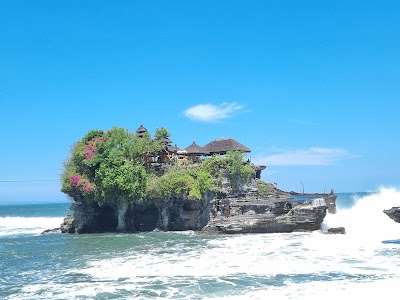
Tanah Lot is the Bali postcard, a sea temple perched on a rock stack just offshore, framed by golden-hour surf. At low tide you can walk out to the rock on a causeway; at high tide the sea swallows the path and the temple becomes an island.
The thing photo-chasers miss: the rock is the show. The temple interior is generally closed to tourists, and the whole point is the silhouette against the sky. Arrive about ninety minutes before sunset, check a tide chart before committing, and carry cash for the walk-in entry. The terraces jam up fast in July.
Tip: Arrive 90 minutes before sunset to secure a spot without the longest queue; the temple sits on a rock stack and the causeway is closed at high tide, so check the tide chart before you go.
Day 2
Day two heads into the Tampaksiring highlands: a spring temple where you actually get into the water, then a valley of royal tombs carved into a cliff.
Pura Tirta Empul
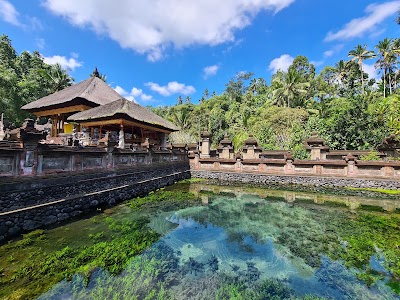
Tirta Empul is a tenth-century holy spring temple, and the rare sacred site where visitors participate. You step into the water. A line of spouts pours cold spring water into a pool, and you move from one to the next, ducking under each, with jewel-colored koi circling beneath you.
Some spouts are reserved for specific rites, so locals quietly skip them, and watching the people around you is the fastest way to learn the etiquette. Getting here first matters because the spout line becomes a queue by mid-morning. Bring a change of clothes so you're dry for the valley walk after.
Tip: Reserve a sarong at the entry gate before joining the purification line at the koi-filled pools; arrive in early morning to avoid the weekend crowd and experience the cleansing ritual at its most serene.
Gunung Kawi Tampaksiring
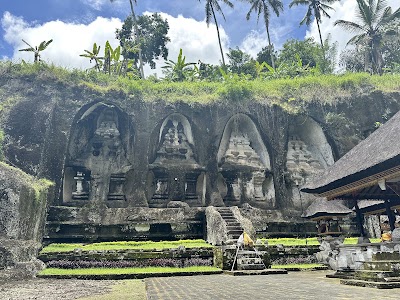
Just up the road is Gunung Kawi, not a temple but a royal tomb site, with ten niches carved deep into a cliff at the bottom of a green river valley. These are eleventh-century tombs tied to King Anak Wungsu, sometimes called the Valley of the Kings, and they carry a weight and silence the headline temples don't.
You descend through rice terraces and banyans into cool gorge air, and because the site stretches along the river, crowds thin out the farther you walk. Count on roughly 270 steps each way. Wear real shoes, carry water, and don't confuse this with Gunung Kawi Sebatu, a different temple tourists mix up.
Tip: Wear sturdy shoes for the long staircase descent into the valley where tenth-century royal tombs line the river; bring a light layer as the gorge stays cool even when it's warm above, and carry cash for the entry fee.
Day 3
Day three moves to the Bukit Peninsula in the south: a hidden cliff beach in the morning, then a clifftop temple with a fire dance timed to sunset.
Padang Padang Beach
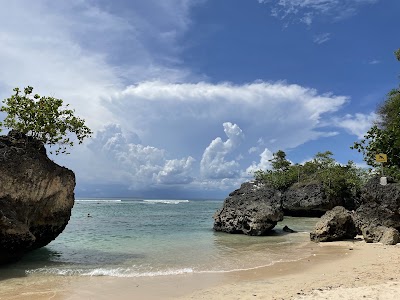
Padang Padang is a sliver of beach wedged between limestone cliffs, and you reach it by squeezing through a narrow crevice in the rock, then down a tight staircase. It opens below into warm turquoise water with cliff walls on both sides, and the whole cove looks too small and perfect to be real.
The charm is half the squeeze through the cliff and half the water, and surfers should know there's a recognized reef break just outside the cove. Get here early because the cove is tiny and shade barely exists. Save the afternoon for the Uluwatu sunset.
Tip: Pay the small cash entry fee at the gate and walk down the narrow staircase before the midday crowd; the turquoise cove between limestone cliffs is small, so arrive early to grab a patch of sand.
Uluwatu Temple
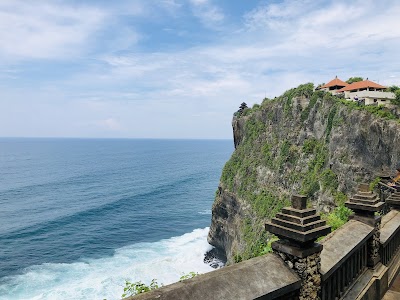
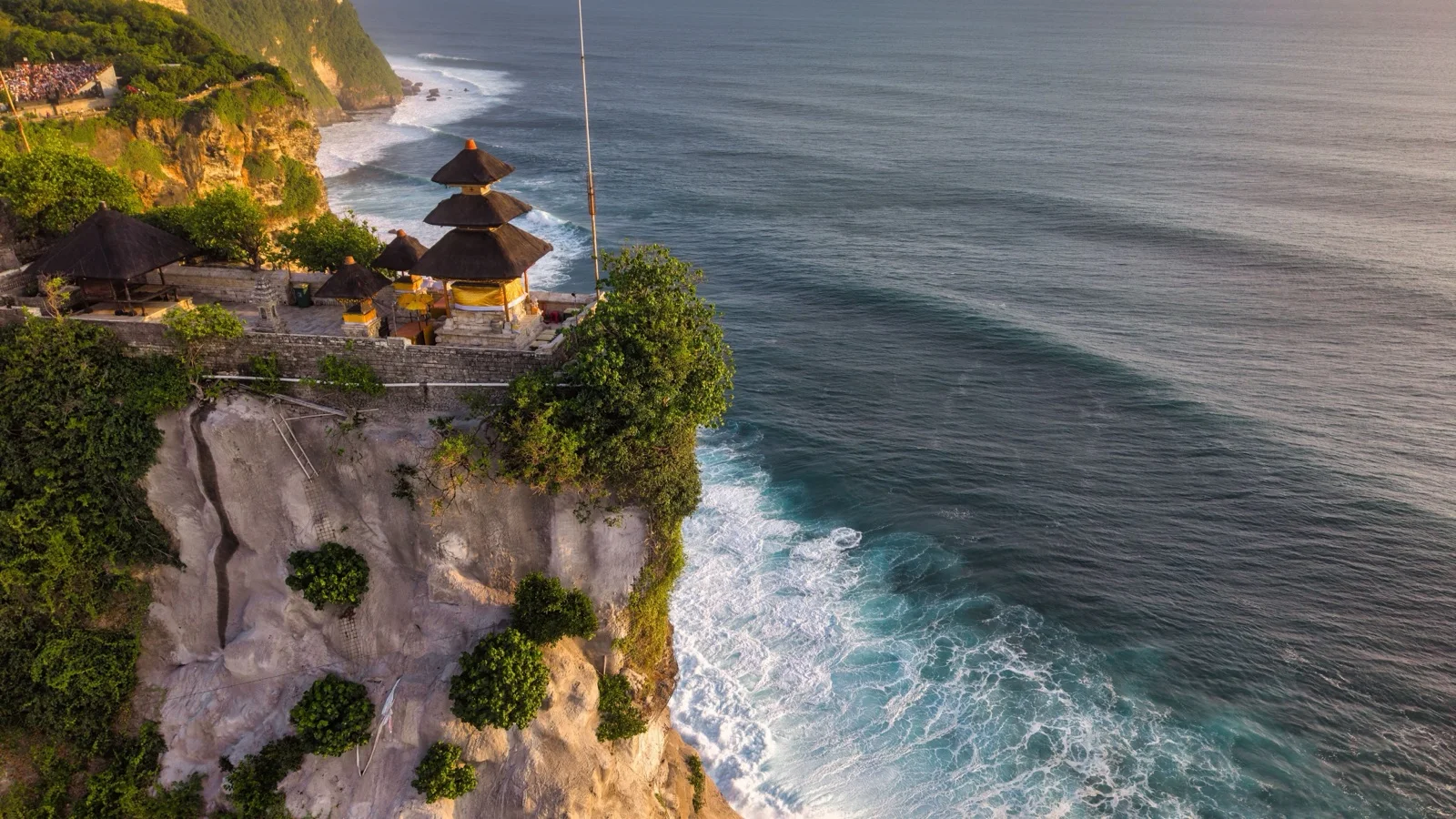
A short drive up the Bukit coast is Uluwatu, a sea temple on a sheer cliff, and the draw is the Kecak, a massed chorus chanting with zero instruments. The chanting builds for nearly an hour as the sun drops into the sea. The whole form was choreographed in the 1930s from older ritual and trance elements.
Two things the photos hide: the monkeys here are organized thieves that take glasses and phones, because they've learned what's grabbable, so secure everything loose. In July the Kecak can sell out, so prebook the dance ticket. It's separate from temple entry, so arrive early and carry cash.
Tip: Prebook the Kecak fire dance ticket in advance and reserve a front-row seat near the cliff edge; the performance peaks at sunset over the Indian Ocean, so arrive 30 minutes early to settle in.
Day 4
Day four is the big effort: a pre-dawn volcano hike for sunrise above the clouds, then a gentle wind-down at a royal water garden where you walk on water.
Mount Batur
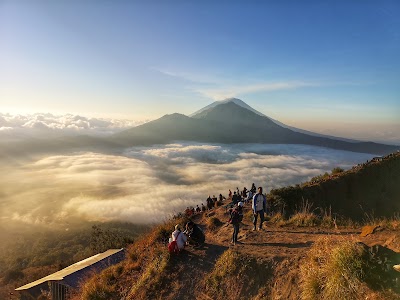
Mount Batur is an active volcano, with eruptions within living memory, and the whole experience is built around one moment: you climb in the dark and reach the rim at dawn. The summit opens to a blue crater lake, steam curling off the rock, and Mount Agung rising on the horizon above the cloud line.
This isn't a secret sunrise. In July it's a conga line of head torches up the trail, and a local guide is effectively mandatory because the association enforces it. Prebook a certified guide, bring a warm layer and head torch, carry cash for park entry, and brace your knees. The descent is what actually hurts.
Tip: Prebook a certified guide in advance and begin the ascent before sunrise; bring a warm layer as the summit is cold before dawn, and carry cash for the park entry fee at the base gate.
Tirta Gangga
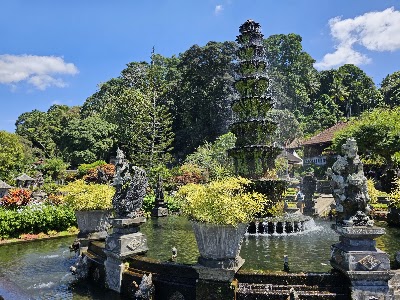
After the volcano, the drive east brings you to Tirta Gangga, a royal water garden built in the 1940s by the last raja of Karangasem. The signature is a grid of stepping stones set just above the water, so you appear to walk across the surface of the pond with jewel-colored koi parting around your feet.
This isn't an ancient temple. It's royal leisure architecture, surprisingly recent, and it works as the trip's closer because it's flat, warm, and ornamental after a freezing dawn. Take the stepping stones slowly since they get slippery, carry cash for the small entry fee, and don't count on solitude. Any group fills this site up.
Tip: Arrive in the early afternoon when tour buses thin out; walk the ornate stepping stones over the koi ponds and keep cash handy for the small entry fee at the gate of this former royal bathing complex.
What to book ahead
- Prebook Uluwatu Kecak fire dance tickets (2-3 weeks ahead) - Front-row seats sell out fast in peak season; buy from the official Uluwatu Temple counter site.
- Reserve certified Mount Batur trekking guide (1-2 weeks ahead) - Independent hiking is not permitted; book through a licensed operator for the sunrise route.
- Reserve Jimbaran beachfront warung table (3-5 days ahead) - If adding the alternative dinner, reserve a sunset-facing table at a reputable warung.
- Arrange airport transfer & driver (Before arrival) - A private driver for ~USD 35-50/day covers all four days efficiently; agree pickup times the night before.
- Download offline maps (Before departure) - Cell signal drops in east Bali and highland temple areas; pre-cache Google Maps regions.
What to pack
Essentials
- Sarong & sash - Required for temple entry; some sites provide loaners but having your own saves queue time.
- Reef-safe sunscreen - Strong equatorial UV year-round; essential for beach and clifftop stops.
- Light rain shell - Dry season is mostly clear, but brief afternoon showers can hit the highlands.
- Cash (IDR) - Many temple entry fees, warung meals, and parking booths are cash-only.
- Refillable water bottle - Heat and humidity are relentless; stay hydrated across temple circuits and hikes.
Nice to have
- Dry bag - Protects phone and passport during beach stops and boat transfers.
- Headlamp - Essential for the pre-dawn Mount Batur summit approach.
- Insect repellent - Monkey Forest, rice terraces, and river gorge sites have mosquitoes at dawn/dusk.
- Modest swimwear - Useful for Tirta Empul purification pools and beach club pools.
Final take
Bali rewards people who show up early. The famous shots are real, but the quiet moments in between are what you actually carry home.
Plan this trip
Turn this guide into an editable trip plan
Open the route in Instaboard, adjust the stops, and share the itinerary with your travel group.