Travel Guide
3 Days in Bangkok: Temples, Markets & Street Food (Winter Itinerary)
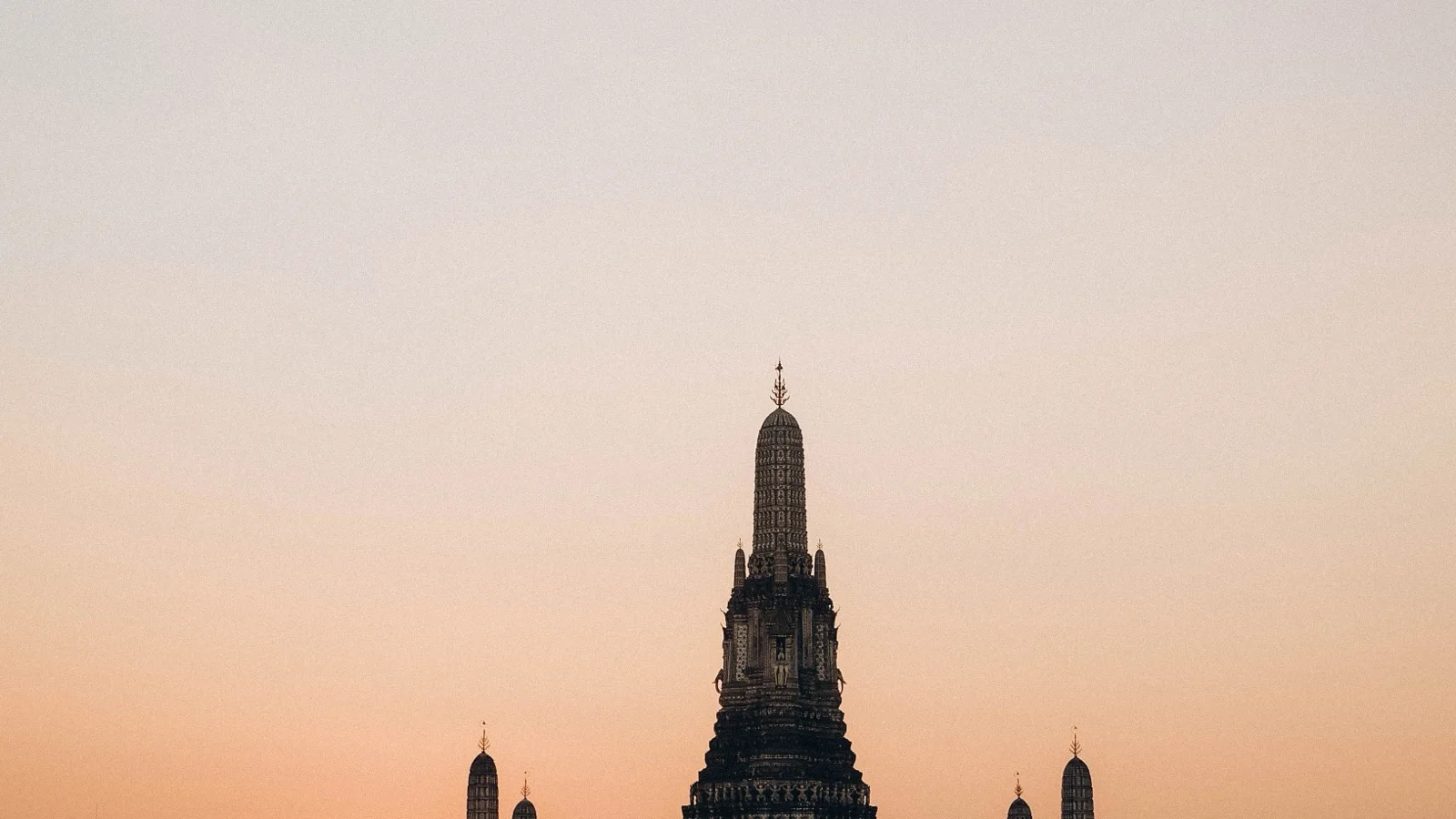
Want the editable version of this route?
Open the Instaboard template and adapt stops, timing, and notes to fit your trip.
Bangkok is the city where the temples are gold, the food is cooked on the sidewalk, and somehow neither of those ends up being the most overwhelming part. Three days is enough to fall for it, but only if you time the big temples right; show up at the wrong hour and you queue behind a hundred tour umbrellas instead of actually seeing them.
Winter here is the sweet spot: highs around thirty, low humidity, which means you can actually walk between temples without it turning into a survival exercise.
Day 1
Day one is the old-city core: the Grand Palace, Wat Pho's giant reclining Buddha, and a flower market that only really wakes up after dark.
The Grand Palace
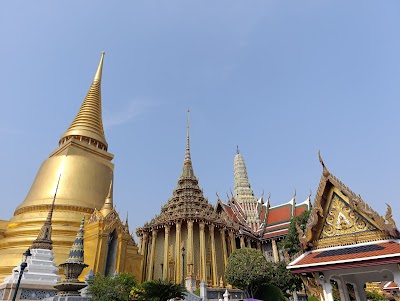
The Grand Palace is the former royal compound at the old city's heart, and inside its walls sits Wat Phra Kaew, the Temple of the Emerald Buddha, the kingdom's most sacred object. Every surface is doing the absolute most: gold leaf, glazed tile, and towering mythological yak guards at the gates, so 'ornate' in Thai royal style turns out to be a floor, not a ceiling.
You start here because it teaches your eye how to read every temple after it, and the 8:30 opening is the only quiet window. Arrive then, covered shoulders and knees, before the buses land. Ignore the tuk-tuk drivers out front who swear it's closed for a Buddhist holiday and try to reroute you to a tailor. It's almost never closed, and that scam is common enough to have its own folklore.
Tip: Arrive at the 8:30 AM opening to beat tour-bus crowds; cover shoulders and knees or you'll be turned away at the entry gate. The ticket includes entry to Wat Phra Kaew (Temple of the Emerald Buddha) inside the same complex.
Wat Phra Chetuphon Wimon Mangkhalaram Rajwaramahawihan
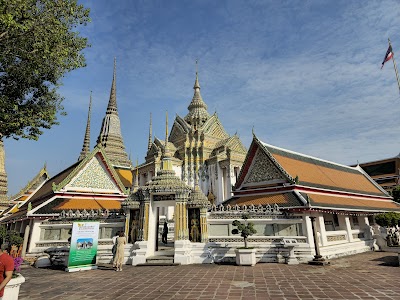
Wat Pho is a ten-minute walk south, and it's where the tone shifts from royal pomp to something older and calmer; this is one of Bangkok's most ancient temple complexes. The centerpiece is a forty-six-meter Reclining Buddha, and the scale is almost comedic. You round a corner and there's just more Buddha, ending in feet inlaid with mother-of-pearl.
This pairs perfectly with the Grand Palace because they share a neighborhood, and because Wat Pho spreads across shaded courtyards that actually breathe after the palace's crowd crush. The insider move is the traditional Thai massage school on the grounds: affordable, legit, and exactly the recovery your legs want after a morning of temple walking.
Tip: Walk ten minutes south from the Grand Palace and carry cash for the separate entry fee. Don't miss the traditional Thai massage school on the temple grounds for an affordable foot rub after all the walking.
Pak Khlong Talat
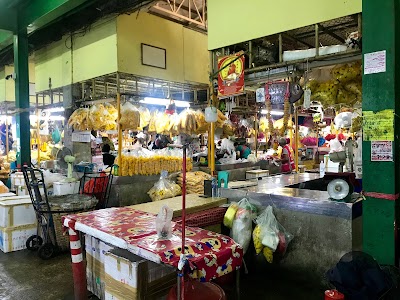
Pak Khlong Talat is the city's wholesale flower market, and unlike every other stop today, it hits full intensity after dark, when the trucks roll in. This isn't a curated stall for tourists. It's walls of lotus, jasmine, marigold, and orchid stacked in quantities that only make sense if you're supplying a temple or a wedding.
It works as the day-one closer because after hours of gold and incense you want something working and real rather than performed, and this place is pure freight and petals. Step carefully, because hand-carts and motorbikes thread the aisles and they don't slow down for your shot. That chaos is exactly what makes it the most photogenic floor in Bangkok.
Tip: Walk five minutes from Wat Pho to this 24-hour wholesale flower market. Evening is when trucks unload marigold garlands and orchid leis, making it a sensory, photogenic stop before dinner.
Day 2
Day two pivots to commerce and appetite: a fifteen-thousand-stall weekend market, a quiet teak house with a mystery attached, and Chinatown after dark.
Chatuchak Weekend Market
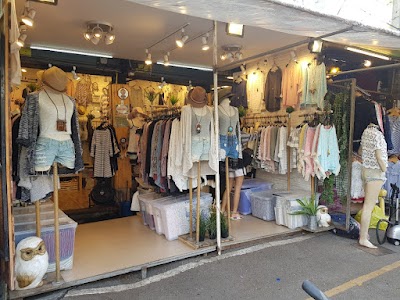
Chatuchak is one of the largest weekend markets on earth: fifteen thousand stalls selling basically everything that exists in Thailand, from plants and ceramics to grilled meat on a stick. The scale is the whole experience. Sections are loosely organized, so you drift from plant zone to clothing zone, and navigation becomes a problem you solve with snacks.
You come in the morning because by noon the tarps trap the heat and the crowd turns into a wall of bodies, and 9 AM is when locals shop before the tourist wave rolls in. Take the BTS to Mo Chit, bring cash, and photograph your entrance landmark the second you arrive. The stalls blur together fast, and getting lost is half the fun.
Tip: Take the BTS to Mo Chit and arrive by 9 AM on weekend mornings when the market opens and crowds are thin. Bring cash for street food and negotiate politely on crafts and souvenirs.
Jim Thompson House Museum
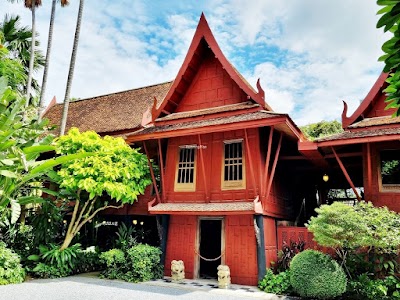
Jim Thompson was an American who landed in Bangkok after the war, built Thai silk into a global brand, and then vanished in the Malaysian jungle in 1967: no body, no answer, ever. His house is six antique teak buildings reassembled into one shaded compound, filled with his Asian art collection, and the disappearance hangs over every room like an unsolved plot twist.
It's the perfect counterweight to Chatuchak because after three hours of haggling you want something quiet, narrated, and cool, a cultural palate cleanser after the market's chaos. This one does need a booking. It's guided tours only, capacity is limited, and it shuts on some holidays, so lock a slot before you make the trip.
Tip: Book a guided house tour in advance to appreciate the teak architecture and Thai silk art collection. The museum has limited hours and can close on national holidays, so check the schedule before heading over.
Yaowarat Road
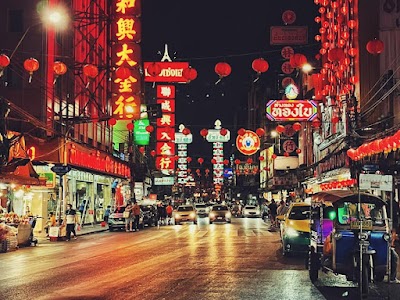
Yaowarat is Bangkok's Chinatown, established when Chinese traders were relocated here in the late 1700s, and after dark it becomes the loudest street-food corridor in the city. The neon is so dense it works as a second sun, and the food is cooked in front of you on carts older than most restaurants: oyster omelets, dim sum, fresh tropical fruit.
This is the day-two closer because Bangkok is a city you understand through appetite, and Yaowarat after dark is where that appetite gets loudest. Order the hoi thod (the oyster omelet) by pointing at the cart, keep small cash handy, and watch for the motorbikes that thread through the crowd without stopping.
Tip: Take a taxi or tuk-tuk to Yaowarat after dark and walk the neon-lit street-food strip. Bring cash for oyster omelets, dim sum, and fresh tropical fruit from the pushcart stalls.
Day 3
Day three is the river and the skyline: a temple you cross the water to reach, a mall with a floating market inside it, and the whole city seen from three hundred meters up.
Wat Arun Ratchawararam Ratchawaramahawihan
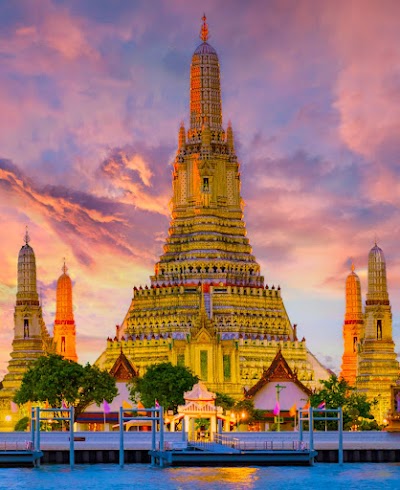
Wat Arun is the Temple of Dawn, and it sits on the far bank of the Chao Phraya. You reach it by a five-baht ferry from Tha Tien pier, which is half the reason to go. The central spire is covered in fragments of porcelain that arrived as ballast on Chinese trading boats centuries ago: recycling, maritime accident, or art, depending on how generous you're feeling.
You cross the river for this because it's the most photographable single structure in Bangkok, and because the climb rewards you with a breeze and a view the east-bank temples simply can't give you. The prang stairs are genuinely steep and narrow. Coming down is scarier than going up, so take it slow, and cover shoulders and knees because the attendants check.
Tip: Cross the Chao Phraya by the 5-baht ferry and climb the steep central prang before the afternoon heat. Dress with covered knees and shoulders for entry, as the attendants enforce a strict dress code.
ICONSIAM
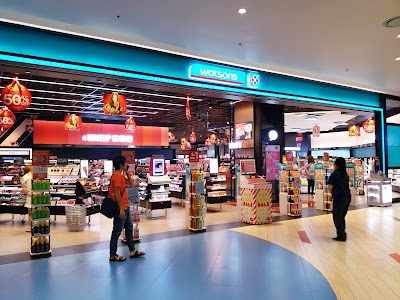
ICONSIAM is Bangkok's newest mega-mall on the Thonburi side of the river, and yes, it's a mall, but the ground floor has a recreated floating market with real wooden boats selling real food. It's theme-park Bangkok, but it's tasty theme-park Bangkok: pumped cool air, sizzling street food in a controlled box, and a fountain spectacle at night that pulls weekend crowds.
It earns its spot because after two straight days of temples, the air conditioning and clean bathrooms are a genuine relief, and the contrast is its own kind of culture shock. Take the BTS to Saphan Taksin and hop the free shuttle boat across. That shortcut is the move, and the indoor market floor is honestly the only part you need if you're not here to shop.
Tip: Take the BTS to Saphan Taksin and hop the free shuttle boat across the river. The indoor floating market on the ground floor accepts both cash and card, and the nightly fountain show draws big weekend crowds.
MahaNakhon
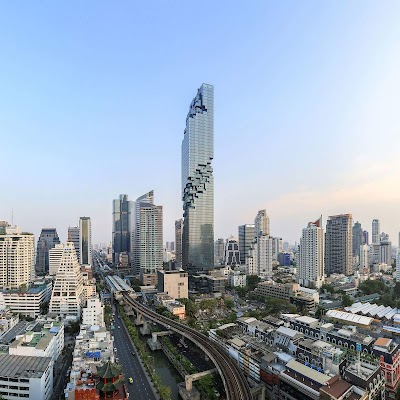
MahaNakhon is the pixelated tower that looks like it's dissolving at the top, and the SkyWalk at the crown is the highest open-air viewpoint in the city, 314 meters up. The signature is a glass-floor tray you can stand on, and at sunset the skyline shifts from gold to violet to neon white: three views for one ticket.
It's the trip's finale because after three days of Bangkok at street level, the last thing you do is leave it, with the whole city laid out below like a map you just walked. Prebook the sunset slot online because they sell out, bring a light layer for the wind up top, and skip the glass tray if heights aren't your thing. There's regular deck all around it.
Tip: Prebook your SkyWalk ticket online for a sunset time slot. The glass-floor tray at 314 m delivers sweeping skyline views, and the outdoor section can be windy so bring a light layer for the evening.
What to book ahead
- Book Grand Palace entry ticket online (1 week before) - Skip the ticket office queue; official site issues QR passes.
- Book Jim Thompson House guided tour (1-2 weeks before) - English tours fill up; reserve online via official site.
- Prebook MahaNakhon SkyWalk sunset slot (3-5 days before) - Sunset windows sell out; print or screenshot QR ticket.
- Check Chatuchak Market dates (Trip planning) - Open Sat-Sun only; confirm the weekend aligns with Day 2.
- Download BTS / MRT transit map offline (Before departure) - Essential for navigating between zones efficiently.
- Notify bank of Thailand travel (1 week before) - Avoid card blocks at hotels and malls.
What to pack
Essentials
- Lightweight long pants - Required for temple entry; shorts above the knee will get you turned away.
- Shoulder-covering shirt - Temple dress code enforcement; carry a light scarf to drape over shoulders.
- Sun hat and sunscreen - Winter sun is still intense; minimal shade at Grand Palace and Wat Arun.
- Cash (Thai baht) - Street food, market stalls, and smaller temples are cash-only.
- Refillable water bottle - Heat and humidity make hydration critical; 7-Eleven refills are cheap.
Nice to have
- Portable fan - Brings relief during midday temple grounds walking.
- Modesty wrap / sarong - Backup for temple dress code if your outfit is borderline.
- Hand sanitizer - Eating at street stalls with limited washing facilities.
Final take
Three days in Bangkok is enough to learn that this is a city that doesn't whisper. It gilds everything, feeds you on the sidewalk, and leaves you exhausted in the best possible way.
Plan this trip
Turn this guide into an editable trip plan
Open the route in Instaboard, adjust the stops, and share the itinerary with your travel group.