Travel Guide
4 Days in Beijing in Winter: Forbidden City, Mutianyu & 798 Itinerary
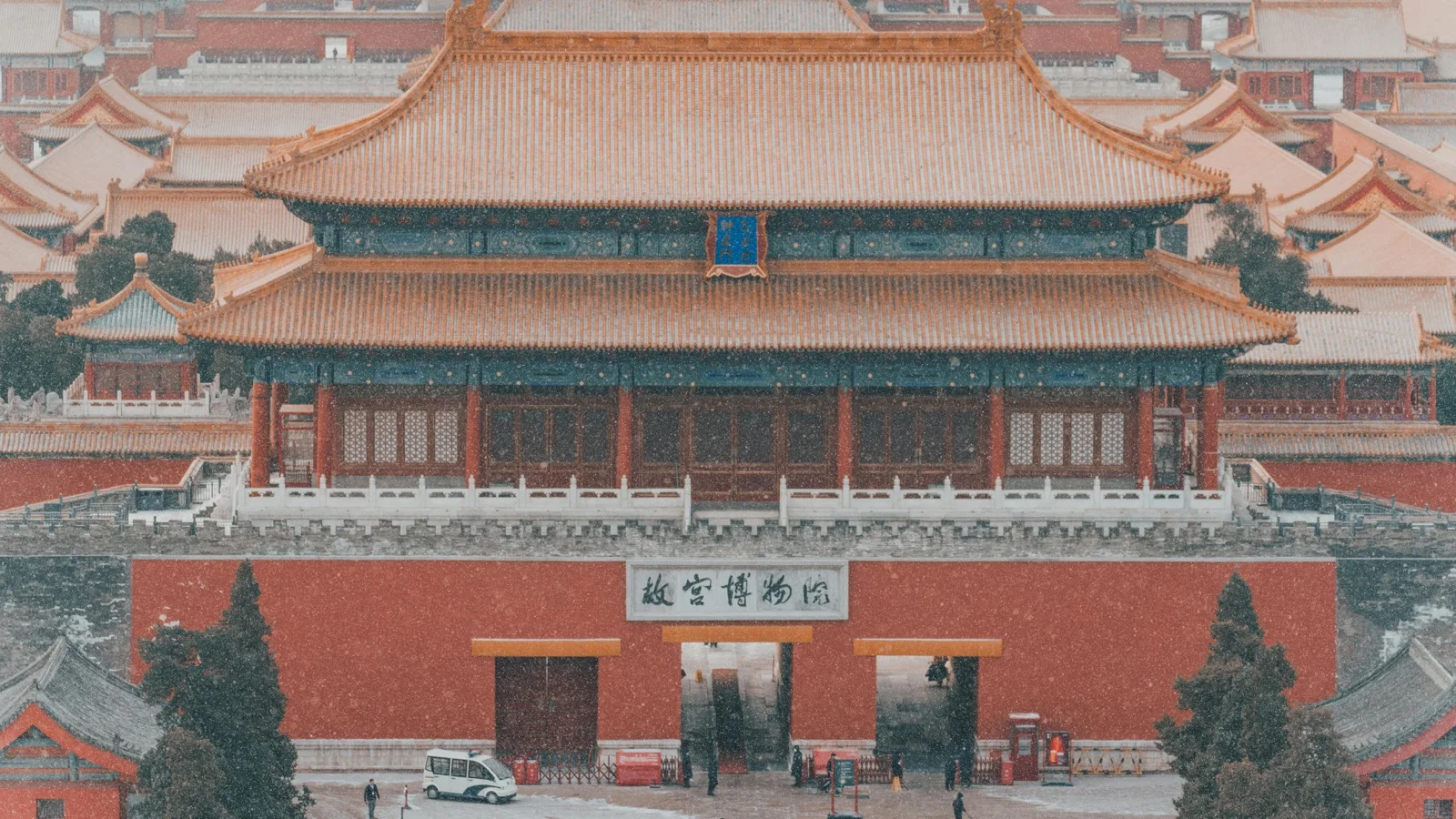
Want the editable version of this route?
Open the Instaboard template and adapt stops, timing, and notes to fit your trip.
Beijing is a city where imperial palaces, giant civic spaces, and a wall on mountain ridges all somehow belong together. In winter, doing Beijing well matters, because the wrong timing leaves you in queues, wind, and darkness instead of the good parts.
This version of Beijing rewards daytime judgment: crisp light, early sunset, big outdoor sights first, then warmer streets and indoor resets.
Day 1
Day one goes from immense political stage to imperial maze, finishing on the hill that finally makes the whole thing readable.
Tiananmen Square
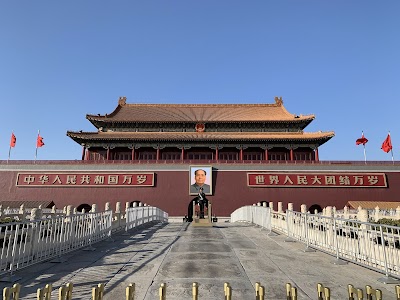
Tiananmen Square is the giant political square at the heart of the capital, and it explains central Beijing faster than any guidebook. The whole place is built to feel exposed, orderly, and a little intimidating.
In winter that bareness actually works: stone, flagpoles, long sightlines, and wind with absolutely nowhere to hide. Morning is best here, because later it turns into crowd management. Keep your passport handy to avoid pointless fumbling at security.
Tip: Arrive early for clearer photos and fewer tour groups; keep your passport handy for security checks and expect wind across the open square.
Forbidden City
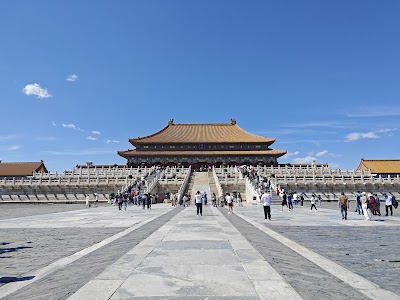
The Forbidden City turns that huge empty square into context. This was the former imperial palace complex behind all that authority. Do not think one building; think a whole walled political world of gates, courtyards, red walls, and yellow roofs stretching on and on.
The place is brilliant at making hierarchy feel physical, and mildly excellent at making your calves file a complaint. Book your timed entry ahead and aim for the warmer middle of the day, when the winter light is kinder on those long stone walks.
Tip: Book a timed entry ahead; aim for the warmest midday window, wear grippy shoes for stone paths, and budget extra time for security and long courtyard walks.
Jingshan Park
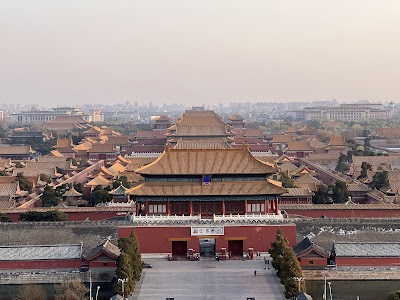
Jingshan Park is the short hill just north of the palace, and it is where everything you just walked finally makes visual sense. From the top, the Forbidden City stops feeling like disconnected courtyards and starts reading as one enormous geometric plan.
Late afternoon works best because the lower light warms up the roofscape, and winter visibility can be surprisingly crisp. It is a very fair Beijing bargain: brief uphill effort, huge payoff, then everyone casually pretending the climb was nothing.
Tip: Short climb for the best panoramic view over the palace roofs; go near sunset for golden light, but bring gloves as the hilltop gets colder.
Day 2
Day two is Beijing in a different register: ritual architecture in the morning, then old commercial streets once the city loosens up.
Temple of Heaven
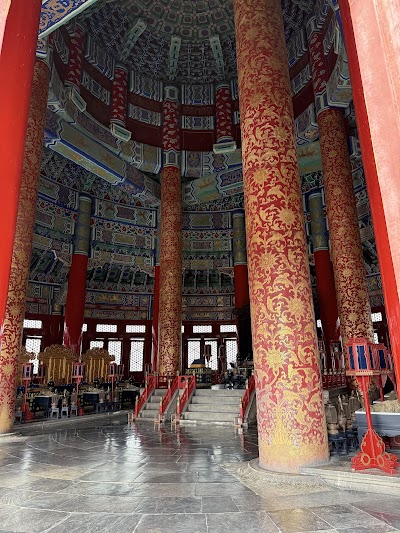
The Temple of Heaven is where emperors performed major rites, but for a first-timer it also feels like a grand public park with serious symbolism. That mix is the reason to come, because blue-and-gold ceremonial buildings sit inside grounds still filled with ordinary local life.
You get cypress trees, open paths, crisp air, and a place that feels calmer than the imperial core without feeling minor. Morning gives you the best version of it, and this is the one stop worth checking current entry rules for before you go.
Tip: Go in the morning for crisp air and smaller crowds; loop the park paths for a warm-up walk and plan layers you can peel inside ticketed areas.
Qianmen Street
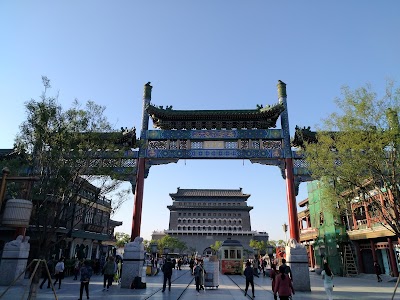
Qianmen Street is an old commercial corridor south of the imperial center, and it is a very easy first taste of historic Beijing street life. Come for the tram tracks, bright storefronts, food smells, and that steady crowd flow that makes the area feel lived-in rather than staged.
It works especially well later in the day because the lights come on and the whole street leans into its evening mood. Think of it less as a monument and more as a useful, snack-heavy corridor where a quick wander quietly stops being quick.
Tip: Great winter street-life corridor; use it as a flexible food stop, and hop on transit from here to avoid long cold walks.
Dashilan Street
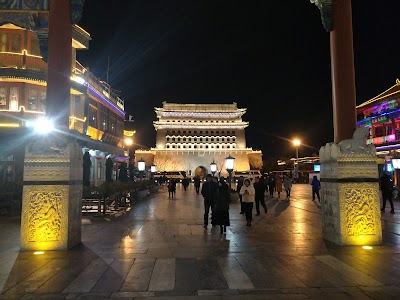
Dashilan Street is the narrower, messier companion to Qianmen, and it is better once you understand it as a knot of old retail lanes. The scale shrinks here: tighter pavements, layered signs, warmer interiors, more texture, less parade route.
Not every lane is cinematic, which is honestly part of the appeal; it still behaves like a city instead of a set piece. Early evening suits it best, when the lights help and you can drift between side streets, snacks, and tea without overthinking the map.
Tip: Old storefronts and snack spots; arrive before the coldest late-night hours, and duck into tea shops to warm up between lanes.
Day 3
Day three leaves the city center for the headline Beijing cannot really skip, then follows it with something quieter and stranger.
Mutianyu Great Wall Scenic Area Ticket Office
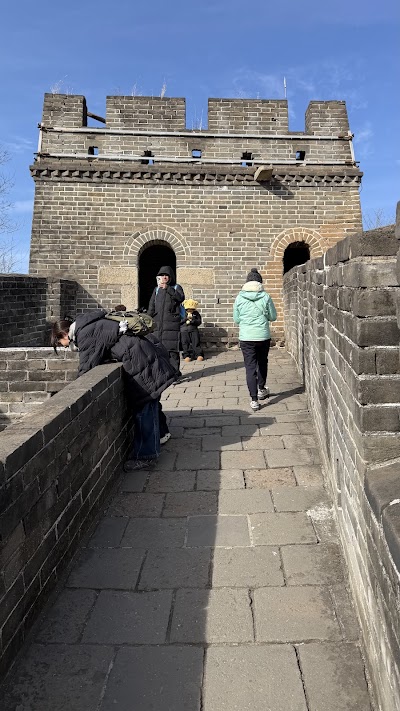
Mutianyu is the Great Wall stop for this trip, and the first useful thing to know is that it still feels physically improbable in person. The Wall is not just famous; it actually crawls over the ridges in a way that makes the scale feel stubborn and absurd.
Winter can make the views clearer and the crowds thinner, but the ridge wind is not a poetic concept. Go in the morning, and if you want more time on the Wall itself, using the cable car is a very respectable decision.
Tip: Quieter in winter with dramatic views; consider the cable car to reduce exposure, pack hand warmers, and plan for strong ridge winds.
Ming Dynasty Tombs
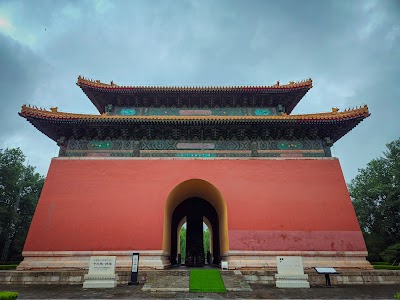
The Ming Dynasty Tombs add a different imperial mood after the Wall: less spectacle, more burial landscape and dynastic permanence. They work well here because the day stops being only one famous photo and starts saying something broader about how power was imagined.
Expect wide grounds, stone paths, subdued architecture, and a quieter atmosphere than Beijing's major headline sights. This one lands best if you still have some attention left; after the Wall, everyone gets noticeably more thoughtful and slightly more tired.
Tip: Adds cultural depth on the return route; keep a steady pace to stay warm and bring a scarf for dusty, chilly breezes.
Day 4
The last day starts with imperial leisure on an absurd scale, then shifts into incense, factory art, and a more modern Beijing.
Summer Palace
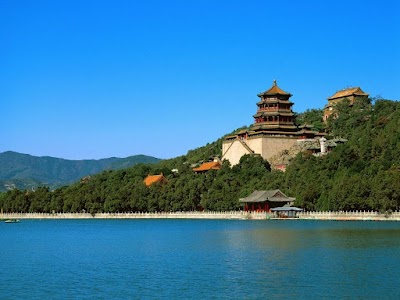
The Summer Palace is an imperial garden complex built around lake, hill, and architecture, basically leisure presented as state capacity. The place shows how emperors relaxed by building something still monumental enough to count as an outdoor campaign.
In winter, the pale light, bare trees, and cold water make it feel especially spacious and slightly severe in a good way. Come in the morning, and reserve ahead when needed, because this place is big enough to punish a late start.
Tip: Buy tickets or reserve ahead when available, then arrive near opening for quieter paths; winter surfaces can be icy, so wear shoes with good traction and keep to cleared walkways.
Lama Temple
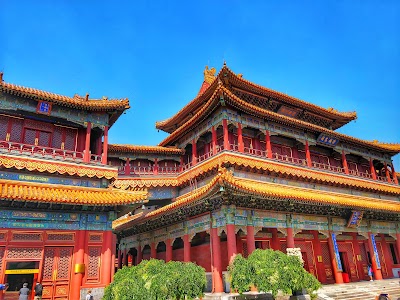
Lama Temple changes the mood immediately: this is a Tibetan Buddhist temple complex, not an imperial showpiece, and you feel that difference fast. The memorable thing here is sensory, because incense, painted beams, wood, and murmured movement do as much as the architecture.
After the broad outdoor scale of the Summer Palace, these sheltered courtyards feel more intimate and more human. Mid-afternoon makes sense here, and checking current entry rules beforehand is smarter than relying on old travel lore.
Tip: Plan this as a warm-up stop after outdoor time; go mid-afternoon for fewer tour groups, and confirm ticket or reservation rules before you arrive.
Beijing 798 Art Zone
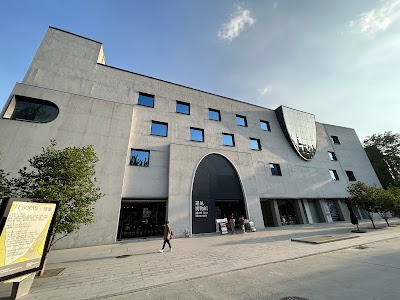
Beijing 798 Art Zone is the city's industrial-to-contemporary pivot, a district of old factory shells now filled with galleries, murals, and cafes. It earns its place because Beijing should not end as emperors and ceremony only; this stop shows the city doing reinvention too.
You get brick, concrete, winter courtyards, coffee, and that nice rhythm of stepping from cold outdoor space into heated rooms. Late afternoon is ideal if gallery hours cooperate, and the area works best as exploratory wandering rather than hunting one perfect masterpiece.
Tip: Check gallery hours and arrive before closing; use the metro to minimize cold outdoor waits, then warm up in a cafe between warehouse courtyards.
What to book ahead
- Reserve Forbidden City entry (7-14 days before) - Choose the warmest midday slot; verify ID requirements and arrival security time.
- Check Temple of Heaven ticket rules (1-3 days before) - Confirm hours and any reservation requirements; mornings are best for crisp photos.
- Book Great Wall transport and tickets (3-5 days before) - Pick Mutianyu for scenery and cable car options; monitor wind/ice forecasts.
- Confirm Lama Temple entry requirements (1-3 days before) - Check ticketing/reservation policy and closing time to avoid last-entry issues.
What to pack
Essentials
- Insulated, windproof jacket - Beijing winter wind makes outdoor sights feel much colder.
- Warm gloves and hat - Great Wall ridges and open squares get very chilly quickly.
- Grippy walking shoes - Stone paths and park areas can be slick or icy in winter.
- Passport/ID - Commonly needed for tickets, reservations, and security checks.
Nice to have
- Hand warmers - Helpful for long outdoor stretches and Great Wall viewpoints.
- Thermos for hot tea - Keeps you comfortable between outdoor stops without constant cafe detours.
- Light mask - Useful for incense smoke at temples or occasional dry/dusty air.
Final take
What sticks with you about Beijing is how often it shifts scale, from intimate incense and alleyways to spaces built to dwarf ordinary life.
Plan this trip
Turn this guide into an editable trip plan
Open the route in Instaboard, adjust the stops, and share the itinerary with your travel group.