Travel Guide
Boracay in 3 Days: White Beach, Cliff Jumps & Puka Shells
Want the editable version of this route?
Open the Instaboard template and adapt stops, timing, and notes to fit your trip.
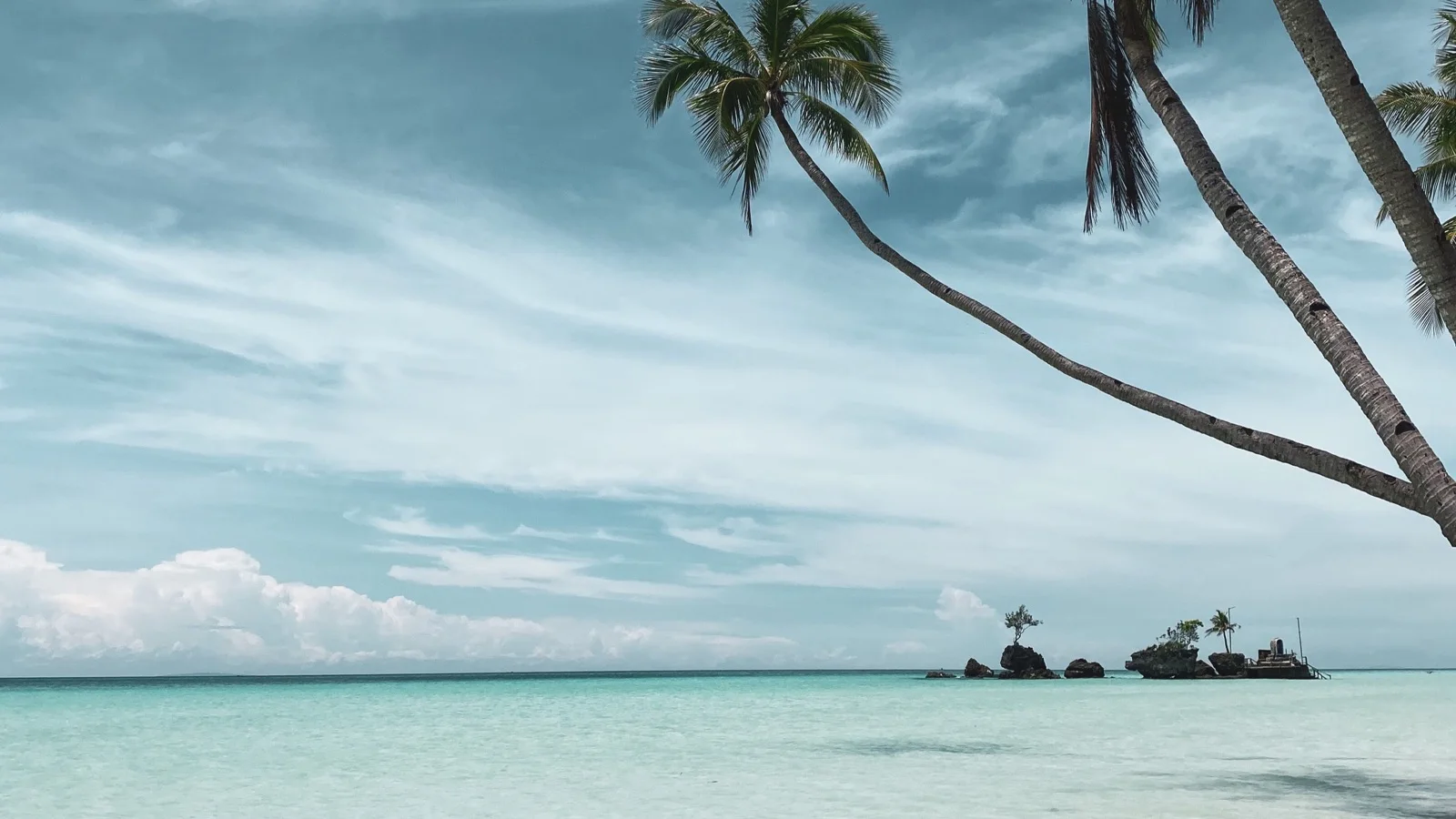
There's an island in the Philippines where the sand squeaks when you walk on it, and honestly, that's not even the headline. Boracay in winter gives you glassy water on one coast and kite wind on the other, and three well-timed days is enough to catch both.
Winter is the sweet spot here: the amihan winds press the west-coast water flat and send steady wind east. It's also peak season, so book boats and rooms early.
Day 1
Day one is the postcard run: powder sand, a chapel on a rock, and dinner at a place with sand for a floor.
White Beach de Boracay Station1 Extension
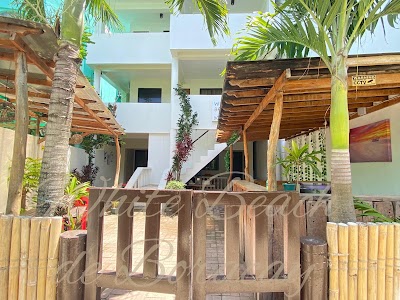
White Beach is the four-kilometer stretch of powder on Boracay's west coast, and Station 1 is its widest, softest part. Winter swimming here is the best it gets all year, because the amihan wind batters the east coast while this side stays mirror-calm.
The sand is so fine it squeaks underfoot, and by mid-afternoon it holds heat like a griddle. Keep sandals close; that's a lesson you only need once. Worth knowing: the island was shut for a six-month government cleanup, so this paradise is partly manufactured, or at least aggressively re-cleaned.
Tip: The widest, calmest stretch of powdery sand. Winter's amihan keeps this west-facing water glassy for swimming. Arrive before 3 PM to beat check-in queues.
Willy's Rock
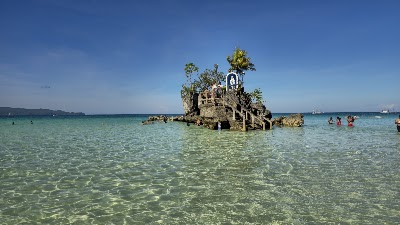
Willy's Rock is that dark volcanic rock just off Station 1, crowned with a small grotto shrine and it's the island's most recognizable silhouette. At low tide you can walk right out to it on exposed sand; the tide, not any schedule, decides your appointment.
Check a tide app that morning and aim for late afternoon on a falling tide, when the light is softer and the crowds are thinner before the sunset photographers arrive. It's a working shrine that moonlights as a photo studio with a queue, and the rocks near the top are slick, so mind your footing.
Tip: Walk out to the grotto-topped volcanic rock at low tide. Check a tide app that morning, as the sandbar path disappears at high water. Go before 5 PM for thinner crowds.
D'Mall Boracay
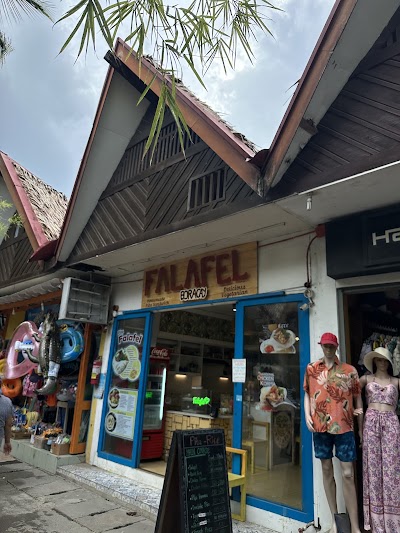
D'Mall is the open-air eating-and-shopping strip in Station 2, basically the island's town square, with sand for a floor. After dark it's charcoal grill smoke, mango-shake blenders, and reggae from competing speakers under string lights. The whole island migrates here once the sun's down.
Treat it as the island's logistics hub too: confirm tomorrow's boat trip and pull cash between courses of grilled seafood, not the next morning. It's the only mall where matching family Boracay tank tops count as formal wear, and plenty of stalls only take cash.
Tip: End your first night at the open-air dining strip for grilled seafood, mango shakes, and souvenir stalls. Bring cash, since many market vendors do not accept card.
Day 2
Day two swaps the towel for a pulse: a reef full of fish, a cliff built for jumping, and a beach that runs on wind.
Crocodile Island Snorkeling Anchor
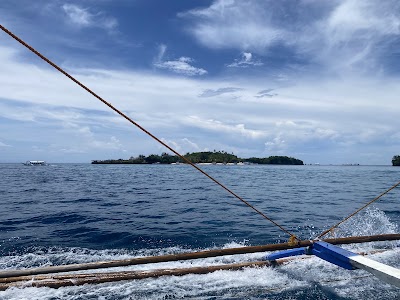
Crocodile Island is a tiny uninhabited islet off Boracay's southeast corner, named for its shape and ringed by the area's best reef snorkeling. Boats run here all winter because this stretch of sea sits at its calmest and clearest, especially in the mornings before afternoon chop stirs things up.
Honest framing: it's the best reef on a heavily visited route, so wear a rash guard, float rather than stand, and go early before the boats stack up. Spotting the crocodile takes the same optimism people apply to cloud shapes; the clouds of reef fish below are the actual attraction.
Tip: Prebook an island-hopping tour anchoring at this crocodile-shaped islet for Boracay's best reef snorkeling. Boats depart around 8 AM; bring a rash guard for calm, clear winter water.
Magic Island Boracay
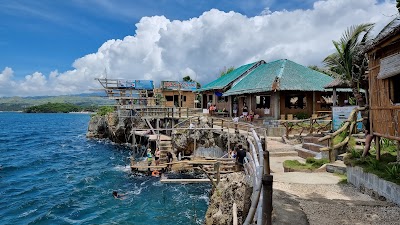
Magic Island is a tiny rocky islet built for exactly one purpose: cliff diving, with platforms stacked from timid to terrifying. You get barnacled rock underfoot, one long silent second at the edge, then a slap of seawater and immediate pride.
Start on the lowest platform to learn the exit (jump out, arms crossed, body straight), and going higher stays optional at every level. The audience rotates in with each tour boat, supportive and occasionally heckling, and everyone discovers mid-air exactly how long three meters of silence lasts.
Tip: Tiny rocky islet with cliff-diving platforms from 3 to 13 meters, a standard stop on island-hopping routes. Queue at lower platforms first to warm up before higher jumps.
Bulabog Beach
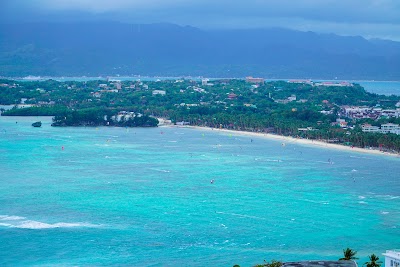
Bulabog is Boracay's east coast, and in winter it's the reason kiteboarders from everywhere fly into a beach most tourists never walk. One island, two moods: the same amihan wind that flattens White Beach whips this bay into rideable chop, a fifteen-minute walk away.
It's a working beach, not a lounging one, with kites stitching figure-eights overhead and flags cracking, and watching it is genuinely free entertainment. If you want lessons, book a day ahead because peak-wind slots fill first, and keep your head on a swivel when kites come down.
Tip: Winter amihan winds power world-class kitesurfing on the east coast. Book beginner lessons a day in advance; windy afternoon slots fill fast on weekends.
Day 3
Day three pulls back for the wide shot: the island's highest viewpoint, then the quiet north shore and one last hidden cove.
Mt. Luho View Deck
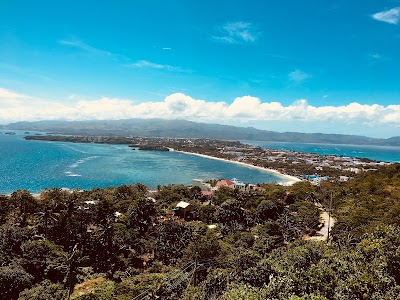
Mount Luho is Boracay's highest viewpoint, and calling it a mountain flatters it; it's essentially a speed bump with a view. From the deck you finally see the whole island system at once: the calm west coast, the windy east, and the reef-blue water between.
Go early for cooler air and clean sightlines, since on clear winter mornings you can spot the kite sails far off on Bulabog. Bring water and small cash for the gate; the walk up is short but exposed, and the decks heat up fast.
Tip: Boracay's highest viewpoint rewards a short hike or bike ride with a 360-degree panorama of both coastlines. Entry is a small cash fee at the gate; go at opening.
Puka Shell Beach
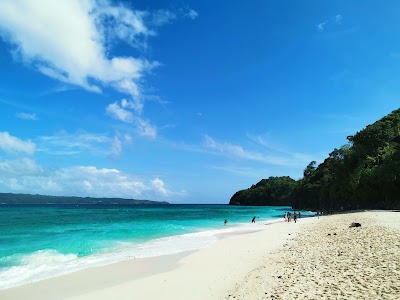
Puka Shell Beach is the wild northern shore: broader, emptier, and rougher-edged than White Beach, with sand made of crushed shells. This quiet shore made puka-shell necklaces famous far beyond the Philippines decades before mass tourism found the west coast.
Underfoot it's coarser and harder to walk, the surf rolls bigger, and long stretches stay empty even at peak season. Grab a tricycle from Station 2, agree on the fare before you get in, and leave the shells on the sand where they belong.
Tip: Wild north shore of crushed puka shells and turquoise water, minus the crowds. Take a tricycle from Station 2 and agree the fare in advance; bring cash.
Balinghai Beach
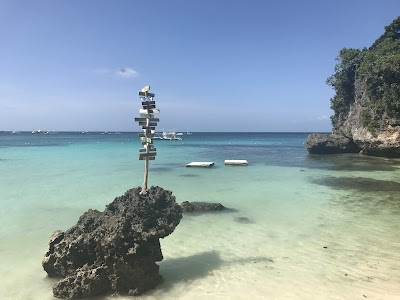
Balinghai is a small pocket cove tucked between limestone cliffs on the quiet northern west coast: cozy, semi-private, easy to miss. The clifftop resort lowers food orders down by basket on a rope, the only stop on this trip where the waiter is a rope.
Come mid-to-late afternoon, because this west-facing cove holds the day's last light, and winter calm often leaves it mirror-flat for a final swim. The path down is steep and sandy in spots (magic cove, real stairs), so time your exit before the light dies.
Tip: Hidden pocket cove framed by limestone cliffs, reached by a short walk down a steep path. Arrive by 4 PM to order via the famous basket hoist before golden hour.
What to book ahead
- Book flights to Caticlan (MPH) or Kalibo (KLO) (2-3 months in advance) - Winter is peak season; Caticlan is closer but pricier, Kalibo adds a ~2-hour van transfer.
- Reserve a Station 1 beachfront room (1-2 months in advance) - Station 1 has the widest sand and calmest winter water; walk-in rates spike on weekends.
- Prebook island-hopping tour (Crocodile Island + Magic Island) (1 week in advance) - Confirm 8-9 AM departure, snorkel gear inclusion, and environmental fee coverage.
- Book introductory kitesurfing lesson at Bulabog (3-5 days in advance) - Afternoon windy slots sell out first in peak amihan season.
- Check tide chart for Willy's Rock walk (Day before arrival) - The sandbar path is only passable near low tide.
- Prepare cash for fees and tricycles (Before jetty transfer) - Environmental fee, terminal fee, and fares are cash-only; withdraw in Caticlan or at D'Mall ATMs.
What to pack
Essentials
- Reef-safe sunscreen SPF 50 - Strong tropical UV even in winter; required on island-hopping tours to protect the reef.
- Rash guard - Long snorkeling sessions at Crocodile Island and an easy warmth layer for breezy amihan evenings.
- Dry bag - Keeps phone, cash, and documents dry on boat tours and beach hops.
- Water shoes - Rocky entries at Willy's Rock, Magic Island jumps, and Puka's crushed-shell sand.
- Philippine pesos in cash - Tricycles, market stalls, entry gates, and beach vendors are largely cash-only.
- Light cover-up or layer - Winter amihan breezes can feel cool after sunset, especially at beachfront bars and on boat rides.
Nice to have
- Snorkel mask - Personal fit and hygiene if you snorkel beyond the included tour stops.
- Waterproof phone case - Cliff-jump and boat shots without risking water damage.
- Aloe vera gel - Soothing relief if you underestimate the midday sun between stops.
- Polarized sunglasses - Glare off turquoise water at Puka and during sunset hours.
Final take
Boracay leaves you with glass on one coast, wind on the other, and sand that quietly ruins every other beach for you.
Plan this trip
Turn this guide into an editable trip plan
Open the route in Instaboard, adjust the stops, and share the itinerary with your travel group.