Travel Guide
Boseong in 2 Days: Green Tea Fields, Seawater Springs & Hidden Valleys

Want the editable version of this route?
Open the Instaboard template and adapt stops, timing, and notes to fit your trip.
Boseong grows most of Korea's green tea, and in spring, the entire county looks like it's been painted in shades of fluorescent green. Two days gets you tea terraces, a quiet coast, an old temple, and green tea cooked into your dinner. Bad timing is the only real mistake.
Spring is harvest season. The rows are at their greenest, hiking weather is mild, and wildflowers bloom from the highlands to the coast, all at once.
Day 1
The opening day walks you through Korea's largest tea plantation, then the museum behind it, and ends with green tea cooked into your dinner.
Daehan Dawon Green Tea Tourist Farm
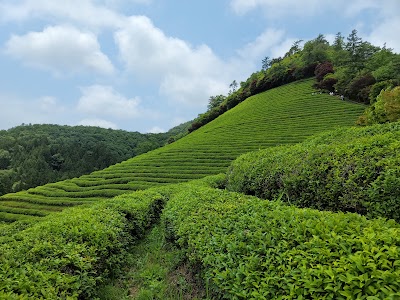
Daehan Dawon is Korea's largest tea plantation: endless terraced rows climbing to an observation deck. When the cedar entrance opens onto them, you stop walking. This is a working tea farm that's been operating for over half a century, agriculture first, photo op second, and that honesty is part of the appeal.
Come in the morning because the low-angle light makes the greens almost glow. By midday the color flattens and the buses arrive. The walk to the overlook is steeper than it looks in photos, so budget extra time and wear shoes with actual grip.
Tip: Arrive early to beat the crowd and catch soft morning light on terraced tea rows. Walk the cedar-lined path to the overlook, then try green tea ice cream at the cafe. Bring cash for snacks and wear sturdy shoes.
Boseong Korean Tea Museum
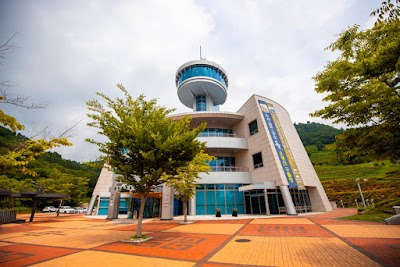
The Korean Tea Museum is within walking distance, and it works here because after walking the fields, you actually want the story behind them. Most day-trippers skip it, which is their loss. The exhibits have genuine depth on how tea shaped this entire region.
You can smell dried leaves and handle different roasts at the processing stations. It shifts you from looking at tea to actually touching it. Some labels are Korean-only, but the hands-on exhibits work without language. One hour here is the right amount.
Tip: Book your ticket online to skip the queue at this compact museum covering Korean tea history. Interactive exhibits explain the harvest process. Walking distance from Daehan Dawon.
다향떡갈비
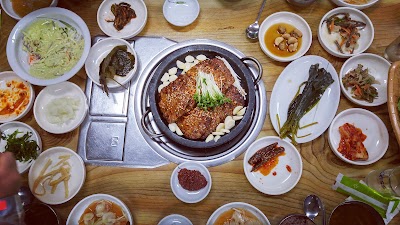
Inside Boseong Traditional Market, a place called Dahyang serves green tea tteokgalbi, minced beef patties flavored with the same tea powder you've been walking through all day. Tteokgalbi comes from royal cuisine, but Boseong's version adds what the town grows best. The tea lends a subtle bitterness that cuts through the richness.
The patties arrive sizzling on cast iron, faintly green at the edges, with a savory-sweet glaze. The tea flavor is subtle, not novelty. Bring cash because market vendors often don't take card, and on weekdays things wind down early. Get there before eight.
Tip: Head to Boseong Traditional Market for green tea tteokgalbi, minced beef patties flavored with local tea powder. Bring cash as market vendors rarely accept card. Open late on weekends.
Day 2
The second day shifts from tea highlands to coast, then inland to a mountain temple, and ends at the valley where the Boseong River begins.
Yulpo Beach
Yulpo Beach is a sheltered stretch of silver sand on Deungnyangman Bay, backed by black pines planted a century ago to shield the shoreline. The odd surprise is the seawater hot springs: heated ocean water you can soak in, on a beach, in a tea-farming county. It's a strangely specific combination.
Don't expect Jeju. This is a calm, provincial Korean coast, charming because it's not overdeveloped, and in spring you'll have most of it to yourself. Arrive before ten if you want parking near the pine grove. That's when families start showing up and the good spots disappear.
Tip: Drive 20 minutes to this sheltered silver-sand beach on Deungnyangman Bay. Arrive before 10 am to claim a spot near the black pine grove. Seawater hot springs and seafood restaurants line the promenade.
Daewonsa
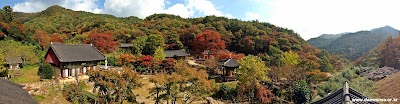
Inland from the coast, Daewonsa is a Buddhist temple founded in the Silla era, over fifteen hundred years ago, sitting in a mountain valley. Nearly every building was destroyed in the Yeosu Rebellion of the late 1940s. Only the Gukrak Pavilion survived, making it the one genuine artifact here.
The temple ties into Boseong's tea heritage through temple tea culture, and the afternoon timing works because the shaded valley is cool relief after the coast. Hours vary seasonally and the info online is inconsistent, so check before driving out. You will need a car or taxi to get here.
Tip: Transfer inland to this Silla-dynasty temple in a mountain valley. The Gukrak Pavilion is free to enter; check opening hours as they vary by season. A peaceful stop with over a thousand years of history.
용추계곡
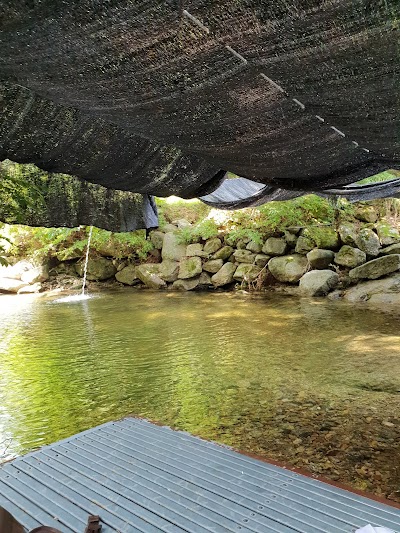
Your final stop is Yongchu Valley, a trail below Mount Illim where a waterfall threads through bedrock in a shape that looks like an ascending dragon. This valley is the actual source of the Boseong River. Every cup of tea you had yesterday started as water somewhere around here.
The valley stays cool and shaded even on warm days, with cedar scent mixing with damp earth and the constant sound of water over stone. Bring a warm layer. The shade drops the temperature noticeably, and the wet rock near the waterfall is genuinely slick.
Tip: Hike below Mt. Illim through valleys where a waterfall spills through dragon-shaped bedrock. Bring a warm layer as shaded areas stay cool. Trailhead parking is limited; prebook a taxi if coming without a car.
What to book ahead
- Check Daehan Dawon opening hours (Before trip) - Hours change seasonally; spring harvest events may extend hours
- Reserve 제암산자연휴양림 cabin if substituting (2 weeks in advance) - Cabins sell out on spring weekends
- Confirm Yulpo hot springs operation (Before trip) - Seawater hot springs may close for maintenance in early spring
What to pack
Essentials
- Comfortable walking shoes - Steep terraced paths at Daehan Dawon and valley hiking trails
- Light rain jacket - Spring showers are common in Boseong's highlands
- Sunscreen and hat - Open tea fields and beach offer little shade
- Cash (KRW) - Market vendors and some smaller attractions do not accept card
Nice to have
- Camera with wide lens - Panoramic tea row vistas deserve more than a phone
- Picnic mat - Yulpo Beach black pine grove is perfect for a seaside rest
- Thermos bottle - Fill up with fresh green tea from museum tastings
Final take
Two days in Boseong and you realize the tea is in everything: the fields, the history, the dinner, the river. That's what makes it stick.
Plan this trip
Turn this guide into an editable trip plan
Open the route in Instaboard, adjust the stops, and share the itinerary with your travel group.