Travel Guide
Busan in 3 Days: Coastal Temples, Street Food & Hidden Gems
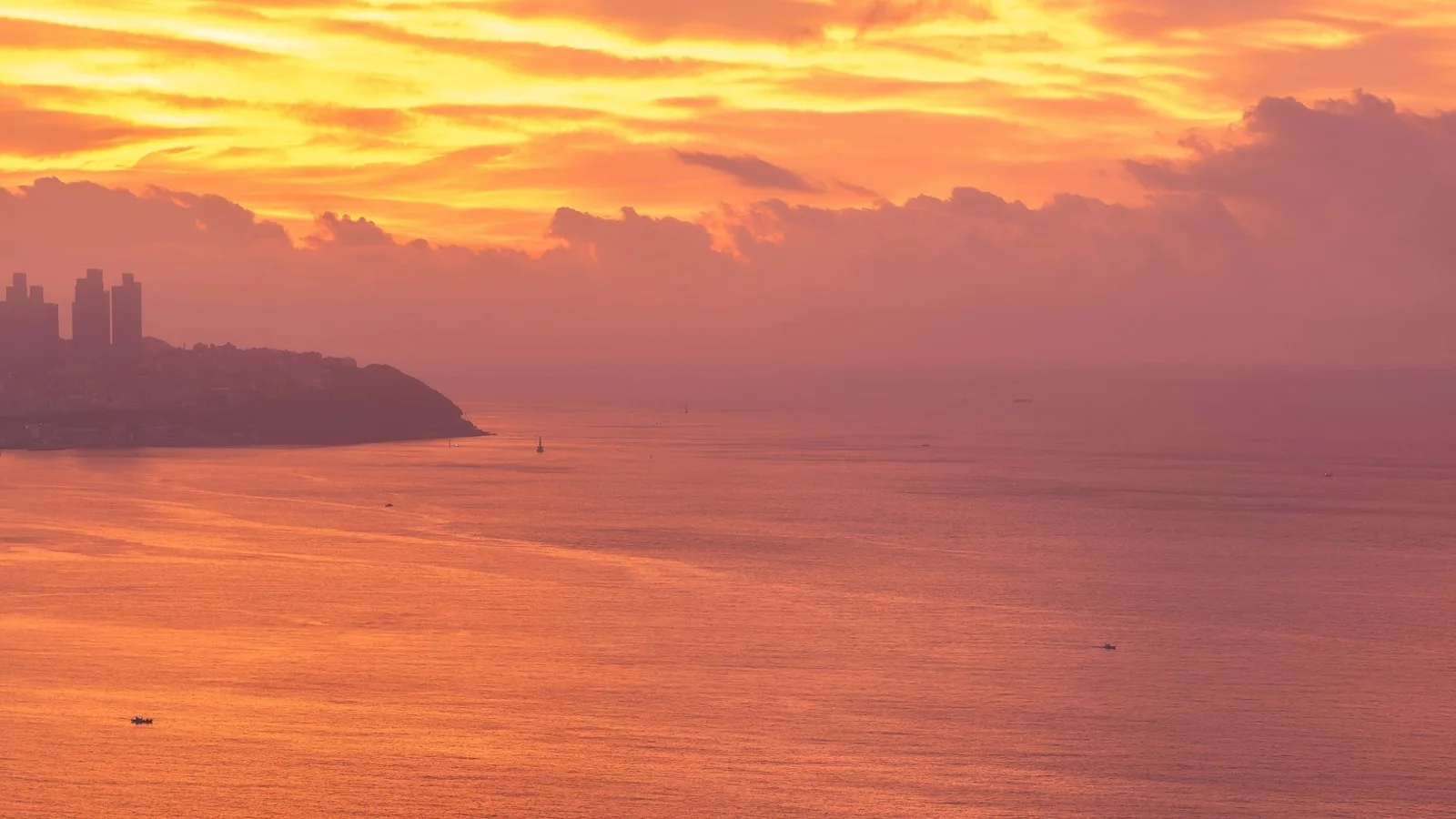
Want the editable version of this route?
Open the Instaboard template and adapt stops, timing, and notes to fit your trip.
Busan is a port city that decided to also be an art project, a food capital, and a coastal drama all at once. Three days is enough to get the shape of it, but only if you don't burn your best hours on the wrong neighborhood first.
Spring and autumn are the sweet spots. The coastal light is absurd and the crowds haven't arrived yet, which is how Busan is best experienced.
Day 1
Day one is Busan at full volume: painted alleys, raw fish, and a sunset overlook that shows you exactly how sprawled this city is.
Gamcheon Culture Village
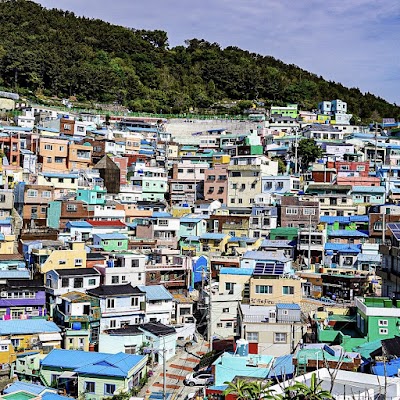
Gamcheon Culture Village is a mountainside maze of candy-colored houses that started as a Korean War refugee camp. The backstory is heavier than the colors let on.
Before 2009 this was just a slum. The government invited artists in, and within six years it was pulling 1.4 million visitors a year.
Get here by nine. The steep alleys that force you single-file are magical when empty and claustrophobic when tour buses arrive.
The uphill walk from the bus stop is a genuine calf-burner, but that is actually useful because the crowds thin out the higher you climb.
Tip: Arrive by 9 AM to beat the crowds and enjoy the painted alleys in soft morning light. Wear comfortable shoes for the steep uphill walk and bring cash for small gallery entry fees along the narrow paths.
Jagalchi Market
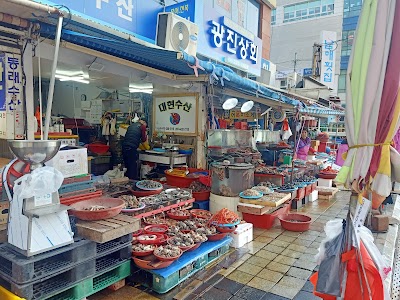
Jagalchi is Korea's largest seafood market. You pick something still alive on the ground floor and eat it sashimi-style upstairs twenty minutes later.
The ajumma running your stall has been selling fish for decades, and she already knows what you are ordering before you do.
Compare a couple of stalls before committing. Prices vary, and foreigners occasionally get quoted higher. Walking away is a perfectly normal negotiation tactic here.
This is a real, functioning wholesale market that happens to let visitors in, not a tourist reenactment. The harbor grit is genuine.
Tip: Head to the ground floor to pick your live seafood, then take the escalator upstairs where vendors prepare it sashimi-style. Bring cash, as many smaller stalls don't accept card payments.
Busan Tower
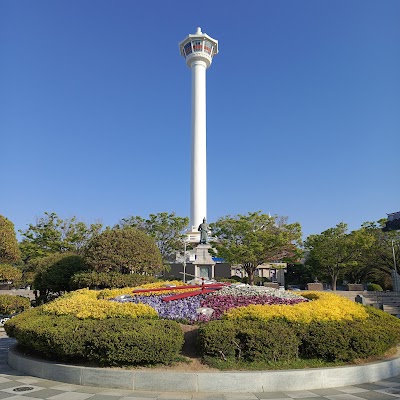
Busan Tower sits on a hilltop in Yongdusan Park and gives you a 360-degree read on the city: harbor, mountains, ocean, all at once.
The escalator ride up through the hillside greenery is almost more memorable than the tower. It is a slow, open-air climb that feels mildly futuristic.
Aim for sunset. The observation deck frames container ships and mountain ridges in the same golden glance, and the tower closes after dark.
Yongdusan means Dragon Head Hill. From up here you can see why, with the harbor spreading below like something the dragon was guarding.
Tip: Ride the escalator up to Yongdusan Park and time your visit for sunset. The tower requires a ticket at the gate, but the park itself is free and offers lovely evening strolls.
Day 2
Day two is all coastline: a cliffside temple, Busan's most famous beach, and a sky capsule ride that sells out before breakfast.
Haedong Yonggungsa Temple
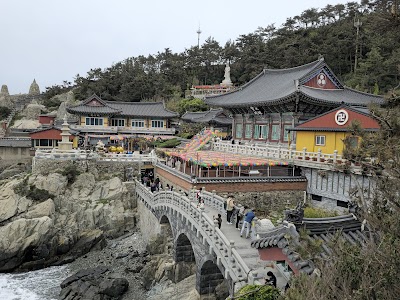
Nearly every major Korean temple sits on a mountaintop. Haedong Yonggungsa is one of the rare ones built on coastal cliffs with waves crashing below.
Founded in the Goryeo era for fishermen praying for safe returns, the stone steps descend through incense smoke toward the sound of surf hitting rock.
Arrive before nine. The narrow paths bottleneck once tour buses show up. It is a 30-minute bus ride from Haeundae, so budget the travel time.
The setting is extraordinary even if the souvenir stalls near the entrance clash with the spiritual vibe. That tension is honestly part of the experience.
Tip: Visit at sunrise for the most dramatic views of waves crashing against the temple cliffs. Take bus 181 from Haeundae Station for a direct route, and arrive before 9 AM to avoid tour bus crowds.
Haeundae Beach
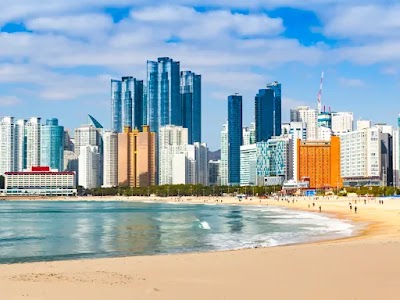
Haeundae Beach is 1.5 kilometers of white sand backed by high-rise hotels. It is Busan's public face, for better and worse.
Walk the full stretch and grab eomuk from beachfront carts. That steamed fish cake on a stick is Busan's leisure culture in edible form.
In summer, reportedly one of the most densely packed beaches in Asia. Off-season, you can hear your own footsteps on the sand.
Haeundae is the famous one, though locals will tell you Gwangalli has better night views. Something to keep in mind for day three.
Tip: Walk the full 1.5 km stretch from end to end, then grab skewered eomuk from beachfront vendors. Reserve a beachside cafe table in advance during festival weekends for prime people-watching.
Haeundae Blueline Park - Cheongsapo Station
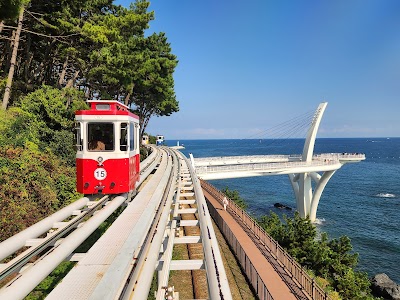
The Blueline Park sky capsules are vintage-style pods that crawl along the Haeundae coastline on elevated tracks: slow, private, and built for golden hour.
This is the hardest booking on the trip. The official site often rejects foreign cards, and third-party resellers sometimes cancel when their allocation runs dry.
The capsule's panoramic windows frame the coastline below, and it moves slowly enough that you actually absorb the view instead of reaching for your phone.
If capsules sell out, the beach train covers the same stretch from ground level. You can also walk the Mipo-to-Cheongsapo coastal path on foot.
Tip: Book sky capsule tickets online at least a week in advance, as they sell out fast. The golden-hour ride from Mipo to Cheongsapo offers the best photo opportunities of the curving coastline below.
Day 3
Day three goes to the edges: wild cliffs at Busan's southern tip, then back for lit bridges, drone shows, and fried sugar to finish.
Taejongdae
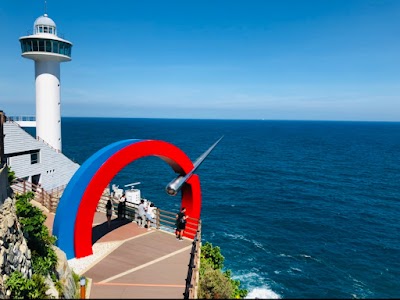
Taejongdae is a rugged coastal park at the southern tip of Yeongdo Island, with sea cliffs, a lighthouse, and on clear days a view of Tsushima, Japan.
Named after a Silla king who supposedly practiced archery here, the scale surprises you. Expect a city park and get a proper coastal wilderness.
Ride the Danubi train around the circuit because the park is large, then walk to the lighthouse. Those cliff paths are windy year-round.
The lighthouse horn sounding over crashing waves while pine trees bend inland. It is the one spot in Busan where the city feels genuinely far away.
Tip: Take the Danubi mini-train to cover the park's highlights and save energy for the lighthouse walk. The exposed cliffs can be windy, so bring a warm layer even in milder months.
Gwangalli Beach
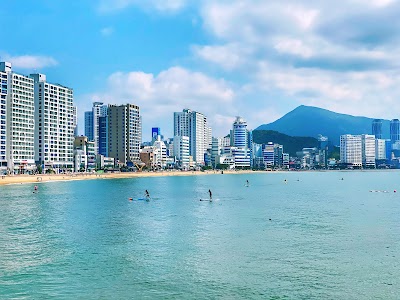
Gwangalli is Haeundae's rival with the Diamond Bridge, a lit suspension bridge reflected across the bay. Locals consistently prefer it for evenings.
Every Saturday evening, hundreds of drones form shapes over the water. It is Korea's first permanent drone light show, free from the beach, bridge lit behind.
Dusk turning purple behind the bridge, the drone swarm humming overhead, craft beer on a rooftop with the skyline blinking on. Busan at its most itself.
The drone show is weather-dependent. Even on a night without it, the bridge reflection across the bay is worth the detour.
Tip: Stroll the promenade at dusk to watch the Diamond Bridge light up across the bay. Weekend evenings feature a drone show over the water, so check the schedule and arrive early for a good spot.
BIFF Square
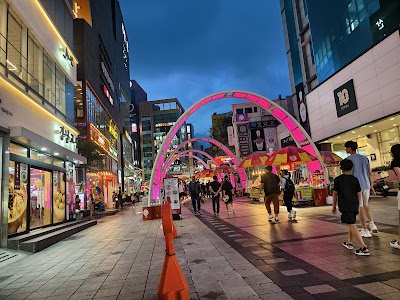
BIFF Square is a street food zone named after a film festival that left in 2012. The movies moved out but the fried pancakes stayed.
Ssiat hotteok is a crispy fried pancake stuffed with brown sugar, nuts, and seeds. You eat it standing up, burning your mouth, immediately ordering another.
Actor handprints are still pressed into the pavement, but nobody comes for those. They come because this is Busan's street food ground zero.
Bring cash, queue at the hotteok stalls near the theater entrance, and try dwaeji gukbap. That pork soup with rice deserves the same hype.
Tip: Come hungry and queue at the famous ssiat hotteok stalls near the theater entrance. The market is busiest after 6 PM, so arriving around 5 PM means shorter lines and fresher batches from the opening-hour vendors.
What to book ahead
- Book Haeundae Blueline sky capsule tickets (1-2 weeks before) - Capsules sell out quickly, especially on weekends and holidays
- Reserve Songdo Cable Car tickets (3-5 days before) - Glass-bottom cabins are limited; standard cabins have more availability
- Download Naver Maps or KakaoMap (Before departure) - Google Maps has limited transit data in South Korea
What to pack
Essentials
- Comfortable walking shoes - Busan's best spots involve steep hills, beach walks, and market strolling
- Cash in KRW - Many market vendors and small stalls are cash-only
- T-money transit card - Essential for bus and subway rides across Busan
Nice to have
- Light windbreaker - Coastal areas like Taejongdae can be breezy even in warm months
- Portable charger - Heavy photo and navigation use throughout the day
- Sunscreen - Beach and coastal walks have minimal shade
Final take
Refugee-painted alleys, live fish an hour before lunch, cliffs looking toward Japan. Busan is a city that earns the return trip before you have even left.
Plan this trip
Turn this guide into an editable trip plan
Open the route in Instaboard, adjust the stops, and share the itinerary with your travel group.