Travel Guide
Cebu in 4 Days: Whale Sharks, Sardine Runs & Waterfalls (Full Itinerary + Free Template)
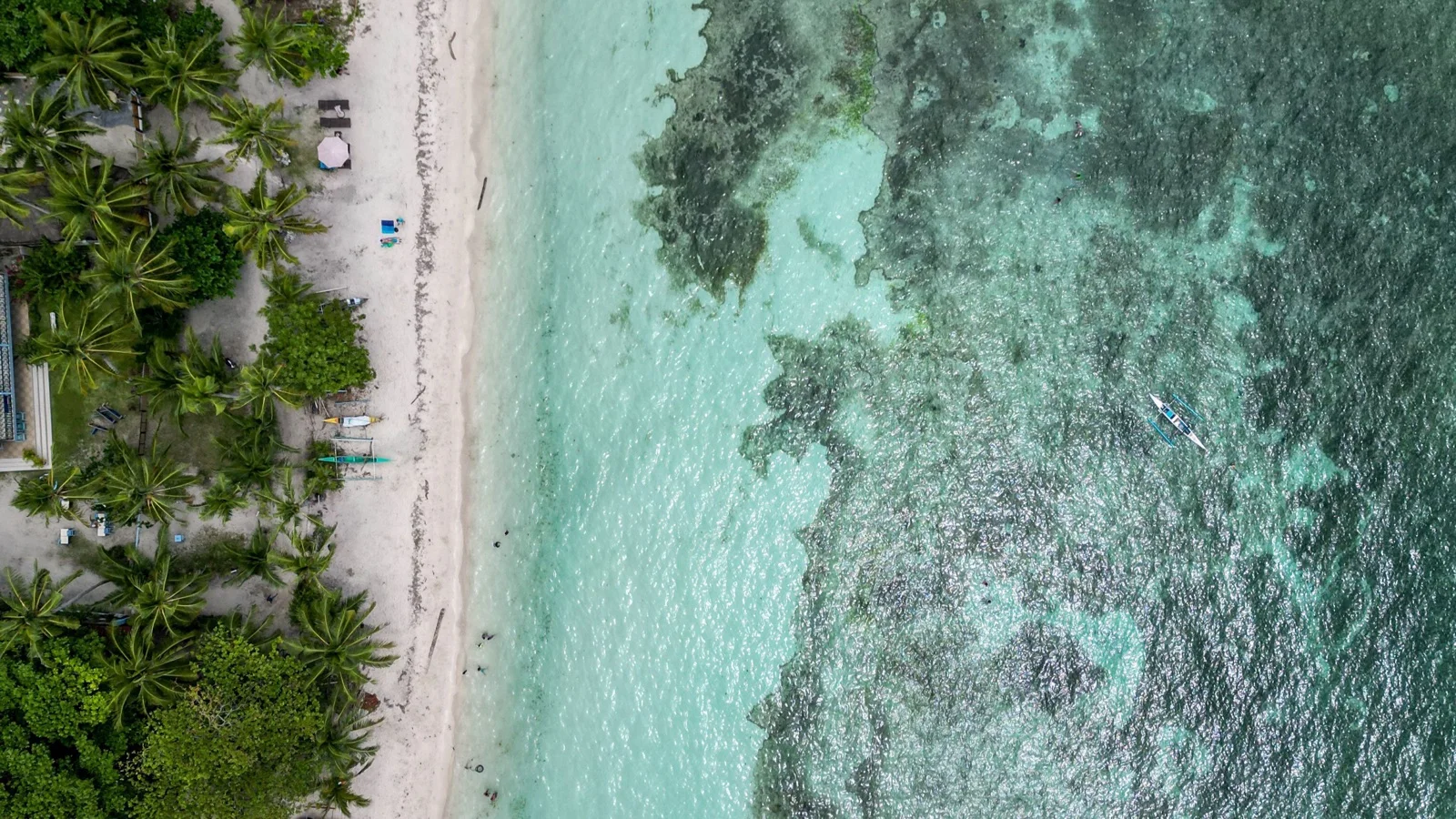
Want the editable version of this route?
Open the Instaboard template and adapt stops, timing, and notes to fit your trip.
Cebu is the Philippine island where Spanish forts sit in commute traffic and whale sharks show up for breakfast. Four days is plenty, if you show up when each place is good.
December to February is the dry amihan season: cooler mornings, calm clear seas, and the year's best visibility, which is exactly why this trip works now.
Day 1
Today is all old Cebu City: one morning walk through the 1521 story, then a coral-stone fort to close it out.
Magellan's Cross
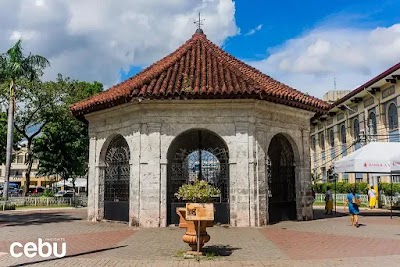
Magellan's Cross is where Philippine Christianity conventionally starts: a cross planted in 1521, now sheltered in a small painted pavilion downtown. The original supposedly sits encased in tindalo wood, because visitors spent centuries chipping off souvenirs, and some reportedly ate them, for healing.
Around it, candle vendors in matching yellow shirts chant prayers with choreographed hand moves, steps from jeepney exhaust: national relic, neighborhood scale. Come before nine, because tour buses stack up mid-morning and the photo queue becomes the attraction. Then walk straight to the Basilica next door.
Tip: Arrive before 9am to beat the tour-bus crowd. Entry is free and the photo queue is shortest right at opening.
Minor Basilica of the Holy Child of Cebu (Basilica Minore Del Sto. Niño de Cebu)
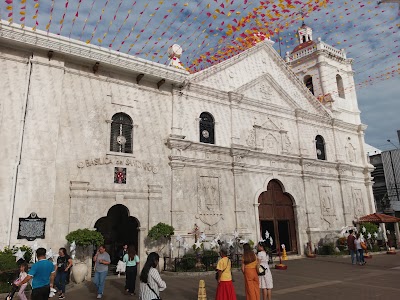
The Basilica next door is the country's oldest Catholic church, built around the Santo Niño, a small wooden Christ Child from the Magellan era. Legend says the statue was found unscathed decades after being left behind, which is how a lost figure became the emotional center of Cebuano faith.
This is no museum piece: votive smoke, packed pews, and a shrine queue that never fully empties. People have prayed here through every rebuilding. Cover shoulders and knees, and aim for mid-morning between Masses, when you can actually see the church instead of the back of a crowd.
Tip: The Santo Niño shrine queue moves fastest during opening hours. Dress modestly for church entry and time your visit around Mass schedules.
Fort San Pedro
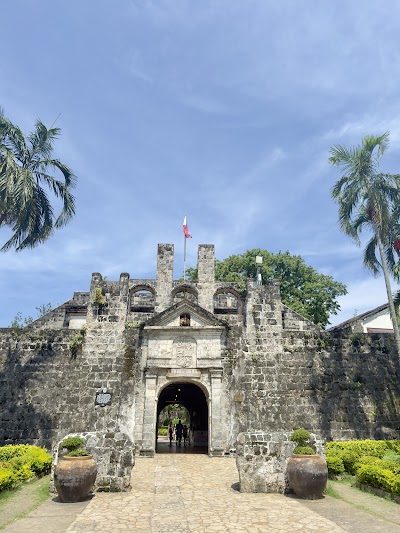
Fort San Pedro is the oldest Spanish-era fort in the Philippines: compact, triangular, with thick coral-stone walls at the edge of old Cebu. It kept changing employers across the centuries, from garrison to prison to wartime stronghold, which is more honest than impregnable, and more interesting.
The cannons still aim out at a sea that's long since become container cranes: the original threat model, quietly discontinued. Afternoon fits best here, because the shade improves late day. Walk the walls first, duck into the museum when the courtyard turns brutal, and pay cash.
Tip: Buy the cheap entry ticket with cash since card readers are unreliable here. The coral-stone walls and small museum are best before closing hours.
Day 2
Today the island swaps colonial history for altitude: one winding road up the Busay ridge to flower fields, a temple, and sunset above it all.
Sirao Garden
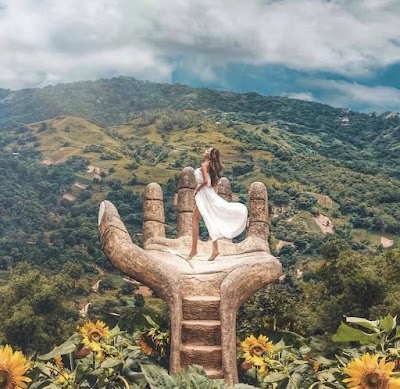
Sirao Garden is a highland flower farm in Busay, nicknamed Little Amsterdam for its terraced rows of flame-colored celosia blooms. Be honest with yourself: this is a photo stop more than a garden, with props built for standing awkwardly among flowers, and that's the fun.
Up here, mornings are genuinely cool by Philippine standards, sometimes misty, and the haze stays low until the valley heats up. Go early, because the light sits softer on the blooms and the photo spots haven't yet developed queues of their own.
Tip: Pay the small cash entrance at the gate and arrive early. The celosia blooms photograph best before the weekend crowd shows up.
Temple of Leah
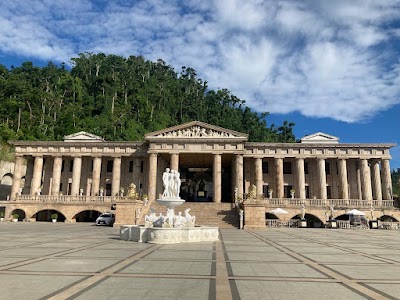
Temple of Leah is a modern Greco-Roman mausoleum a wealthy Cebuano built for his late wife: the local Taj Mahal, still unfinished. Knowing it's a 21st-century grief project changes everything. Expect ruins and you feel cheated; know the story and it's genuinely moving.
Marble staircases, echoey halls, lion statues, and cool hilltop wind: this scale exists because one man missed one person. On peak weekends, arrange entry through your driver ahead of time, and give it the full ninety minutes it earns.
Tip: Book your entry ticket at the gate in advance on peak weekends. Take a taxi or habal-habal up the hill, and budget 90 unhurried minutes for the staircase and balcony views.
TOPS Cebu
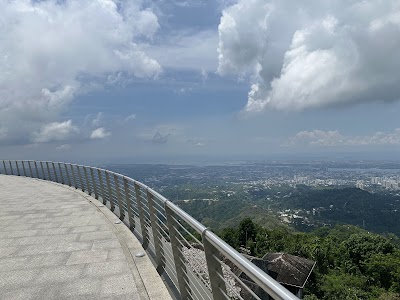
TOPS is a cliffside terrace about six hundred meters above Cebu City, where the whole grid, harbor, and channel finally make sense. After a day and a half stuck inside that traffic, this is orientation: you can finally see Mactan, the harbor, and why the city behaves the way it does.
Arrive forty-five minutes before sunset. Daylight shows the geography, dusk switches the lights on district by district, and one visit gets both. It turns genuinely cool up here after dark, so bring a layer, and lock in your ride down before the winding road goes black.
Tip: Time your transfer for sunset: the cliffside deck lights up over the city grid, and at 600 meters you will want a warm layer after dark.
Day 3
Today starts before dawn: three hours south to Oslob, where the biggest fish in the sea keeps a breakfast appointment.
Oslob Whale Shark Watching
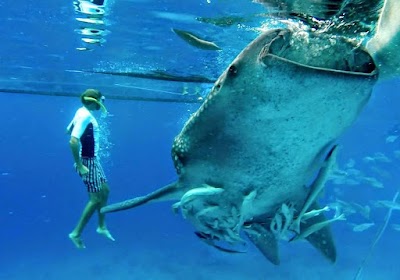
Oslob is a fishing town turned whale shark capital: handlers feed the big fish along the Tan-awan coast each morning, so encounters are near-guaranteed. Say the quiet part out loud: the sharks come because they're fed, and conservationists are genuinely split on it; that's the deal here.
The payoff is a shadow the size of a van gliding past your fins in shallow water, good enough to erase the pre-dawn queue. Prebook the snorkel slot and carry cash for the environmental fees. Feeding wraps up by late morning, boats go in waves, and nothing waits for latecomers.
Tip: Prebook your snorkel slot in advance. The gate briefing starts at sunrise, queues form before 6am, and environmental fees are collected in cash.
Tumalog Falls
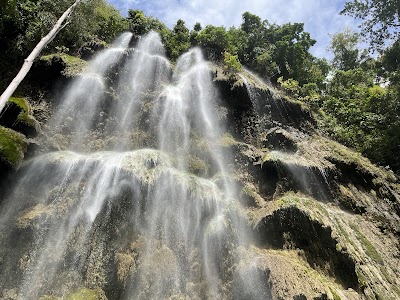
Tumalog Falls is minutes away, and it's not a plunge but a veil: thin threads of water sheeting down a huge curved wall of rock and moss. You feel the mist before you reach the pool, and the cold freshwater rinses off an entire morning of salt.
Keep the Instagram expectation in check: the pool is swim-cold and compact, which becomes part of the charm. Take the habal-habal motorbike down the steep access road (honestly half the adventure), pay the small gate fee in cash, and mind the slippery rocks.
Tip: Take a motorbike taxi down the steep access road and carry cash for the entry fee. Morning light makes the curtain-like cascade glow turquoise.
Sumilon Island Sand Bar
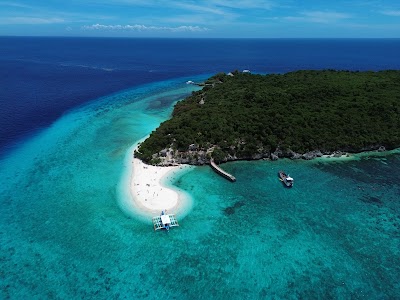
Sumilon is a small marine reserve island a short banca ride offshore, and its famous white sandbar literally changes shape with the tide. No two visits photograph the same: the bar migrates, so ask locally what time it's actually walkable today.
This is one of the older protected waters in the region, and the fish numbers are the receipt: warm clear shallows, blue fading into blue. Prebook the day pass, because the boats run a fixed schedule, and treat that schedule as your hard deadline back in Oslob.
Tip: Prebook the island day pass in advance. The short boat transfer from Oslob is scheduled around tides, and the sandbar shifts shape daily.
Day 4
Last day, and the best thing on it needs no boat, no booking, and no dive cert: just a short swim off Panagsama.
Moalboal Sardines Run
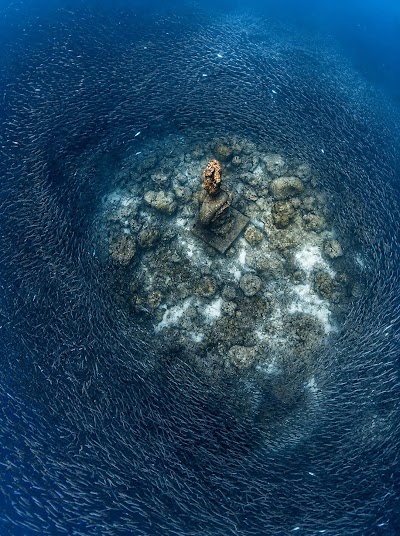
The Moalboal sardine run is a wall of millions of fish schooling meters from shore. Rent fins, swim out, and it's just there. Honest margin: the school moves and locals track it like weather, so a calm morning gives you the best odds, not a guarantee.
Open water, then silver: the whole formation bends around you when a predator hits it, light flickering off the ball like one animal. Go at sunrise before dive boats churn the surface, swim out with a buddy, and look around before surfacing; boat lanes cross nearby.
Tip: Walk in with rented fins from any dive shop; the sardine tornado sits meters from shore and is calmest at sunrise before boats arrive. Reserve a guide only if you want Pescador Island too.
Panagsama Beach
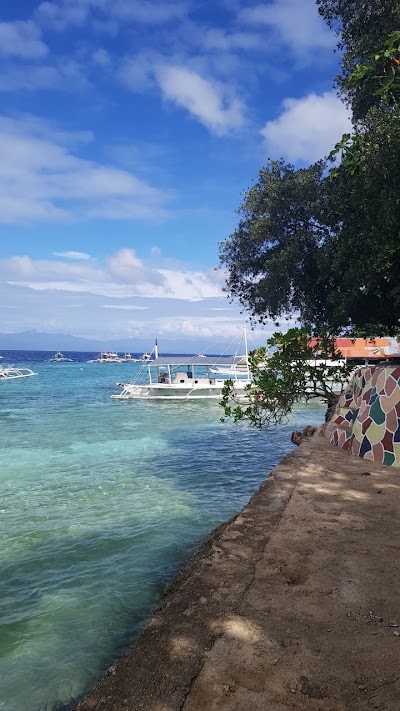
Panagsama is Moalboal's laid-back base: a walkable strip of dive shops and beach bars where the whole economy runs on that one fish school. The beach itself is famously more slab than sand, and the town seems fine with that; everyone came for what's in the water.
Reggae from competing bars, dive gear drying on railings, grilled fish for lunch: this is where the morning finally catches up with you. Eat early and catch the mid-afternoon bus north, because the ride back to Cebu City runs about three and a half hours.
Tip: Recover with a beach-bar lunch on this laid-back strip, then catch the 3pm bus. The transfer north takes about 3.5 hours, so sunset will be on the road.
What to book ahead
- Book Oslob whale shark snorkel slot (2-4 weeks ahead) - Dawn slots sell out; confirmation code is checked at the gate
- Reserve Sumilon Island day pass and boat (1-2 weeks ahead) - Access is tide-dependent, so lock a transfer window
- Book Temple of Leah entry in peak season (1 week ahead) - Weekend crowds on the Busay loop can stretch gate queues
- Prebook Kawasan canyoneering tour if extending (1 week ahead) - Operators cap group sizes in peak dry season
- Arrange Busay highland driver (1-3 days ahead) - Agree on waiting time at Tops for sunset
- Confirm Moalboal gear rental or guided swim (Walk-in usually fine) - Reserve a guide only if adding Pescador Island
- Check Ceres bus schedule for the return north (Day before) - Last comfortable departures leave Panagsama mid-afternoon
What to pack
Essentials
- Reef-safe sunscreen - Required for whale shark and sardine swims to protect marine sanctuaries
- Water shoes - Limestone rocks at Tumalog and Sumilon's shifting sandbar are sharp underfoot
- Dry bag - Keeps passport, cash, and phones safe on boats and waterfall climbs
- Cash in small bills - Entrance fees, habal-habal rides, and rural stops rarely accept card
- Warm layer - Tops and the Busay ridge sit 600m up and get chilly after sunset
- Motion-sickness tablets - Long bus transfers and banca boat rides on open water
Nice to have
- Underwater camera or GoPro - Whale sharks, sardine tornadoes, and reef drops are the trip's best shots
- Rash guard - Sun protection during long snorkel sessions
- Power bank - Dawn starts and all-day transfers outrun phone battery
- Wide-brim hat - Strong winter sun on boats and the Sumilon sandbar
Final take
Four days in, Cebu still doesn't feel like one place: colonial stone, cold waterfalls, and open sea, all packed onto one small island.
Plan this trip
Turn this guide into an editable trip plan
Open the route in Instaboard, adjust the stops, and share the itinerary with your travel group.