Travel Guide
Chengdu in 3 Days: Pandas, Hotpot & Teahouses
Want the editable version of this route?
Open the Instaboard template and adapt stops, timing, and notes to fit your trip.
Chengdu is the Chinese city where tea is bottomless, the food fights back, and doing nothing is a point of civic pride. Three days is genuinely enough here for pandas at breakfast, a poet's shrine, and a masked opera, if you time a few things right.
Aim for October or November. You get cool mornings, gold ginkgos in every park, and pandas at their liveliest; pack a layer for the evenings.
Day 1
Day one is Chengdu's greatest hits: pandas at breakfast, a strategist's shrine, and a lantern street that smells like chili oil.
Chengdu Research Base of Giant Panda Breeding

The panda base is the world's most important giant panda breeding center, and honestly the reason most people take this trip at all. Be there for the 7:30 opening, because pandas only really move at morning feeding; by late morning they're asleep and the tour buses own the paths.
A panda's entire strategy is eat bamboo, digest it badly, repeat. Watching one shred stalks like a woodchipper with thumbs is the whole show. Book your tickets online before you go; for foreign visitors, that booking step is genuinely the hardest part of the day.
Tip: Be at the 7:30 opening gate to catch pandas most active at morning feeding. Book tickets online in advance and take metro Line 3 plus a short taxi transfer to skip tour-bus crowds.
Chengdu Wu Hou Shrine
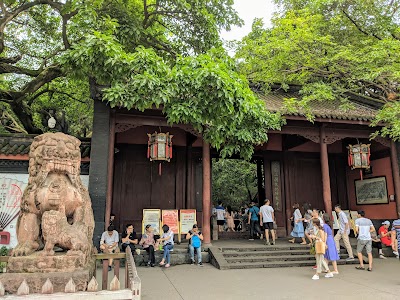
Wu Hou Shrine honors Zhuge Liang, mastermind of China's most dramatized history, the Three Kingdoms, and it memorializes the advisor, not the emperor he served. Inside it's old cypresses, incense, gravel paths, and a sudden quiet, plus the bamboo-shadowed red wall that's the most photographed stretch of wall in Chengdu.
You'll spot local visitors who know the entire Three Kingdoms saga standing quietly at Zhuge Liang's hall, so a little backstory beforehand pays off hugely. Tickets are just a gate purchase here. Walk the red-wall corridor first, then note Jinli street sits literally on the other side of the wall.
Tip: Buy your ticket at the entry gate and walk the famous red-wall bamboo corridor early in opening hours. The line moves quickly on weekdays before tour groups arrive.
锦里
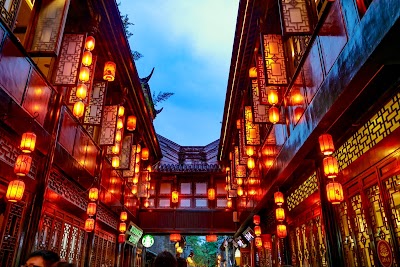
Jinli is Chengdu's lantern-lit old trading street, and it's fine in daylight, but once the red lanterns ignite, it becomes the postcard. Look for san da pao, where a vendor hurls glutinous rice balls onto a board so they bounce into a basket of syrup. Physics as street food.
Half the crowd photographs lanterns while the other half watches the rice-ball guy, and honestly both camps are right. Carry some cash for the stalls, and know your comfort level before pointing at rabbit head; it's a local delicacy and a real commitment.
Tip: Come after sunset when the lanterns glow. Bring cash for street snacks like san da pao and sugar paintings, and expect heavy weekend crowds, so a midweek visit is smoother.
Day 2
Day two slows way down: morning tea in a park where Chengdu actually lives, old courtyard alleys, and a stage trick nobody will explain.
People's Park
People's Park is where Chengdu stops performing for tourists: bamboo chairs, lidded tea bowls, caged birds, and mahjong tiles slapping all morning long. There's a matchmaking corner where parents hang their adult kids' stats on strings, like a job fair for romance. Embarrassing for the parents, sure, but romance as infrastructure.
Mornings belong to the regulars, so order a gaiwan jasmine tea and surrender an hour to the chair; it will be your best hour in Chengdu, no contest. The ear-cleaning masters are a real local spectacle, just agree the price before you sit down in their chair.
Tip: Take metro Line 2 to People's Park station and settle into a bamboo chair with gaiwan jasmine tea. Entry is free, and late-autumn ginkgo gold is best right at opening hours.
Kuan Alley and Zhai Alley
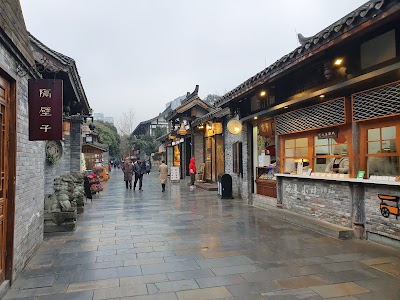
Kuanzhai Alley is three parallel lanes of restored Qing-dynasty courtyards: genuine old street fabric, now wearing a very beautiful gift-shop outfit. The headliners are the ear-cleaning masters, with metal tools and a tuning fork rung against them so you hear it inside your own skull. You'll have opinions.
Do these alleys before two in the afternoon, because after that they compress into a slow single-file current of selfie sticks. It's the most commercial stop of the whole trip, so enjoy the courtyards and budget your souvenir enthusiasm accordingly.
Tip: Walk the three parallel alleys slowly, queue before noon at popular skewer stalls, and bring small cash for ear-cleaning masters and snack vendors. Crowds thicken after 14:00.
Shufengya Yun
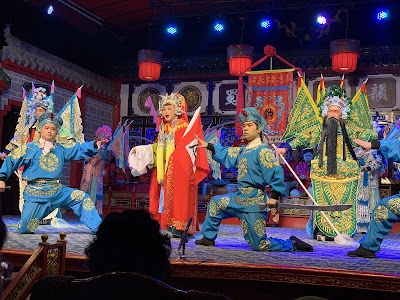
Shufengya Yun is an old teahouse theater staging a Sichuan opera variety night: face-changing, fire-spitting, shadow puppets, and tea poured mid-act. Bianlian, the face-changing, is a closely guarded troupe secret; masks swap in a fraction of a second, inches from your face, and nobody tells you how.
This is day two's one real advance-planning item. Reserve seats a few days ahead, then arrive early for a table near the stage. You'll spend the entire show convinced you've caught the trick, and you haven't; the mask changes beat your ability to admit defeat.
Tip: Reserve seats online a few days in advance for the face-changing and fire-spitting show. Arrive 30 minutes early to claim teahouse table seating close to the stage.
Day 3
Day three goes quiet, then goes out loud: monastery incense in the morning, China's greatest poet by afternoon, lanterns and hotpot to finish.
Wenshu Yuan Monastery
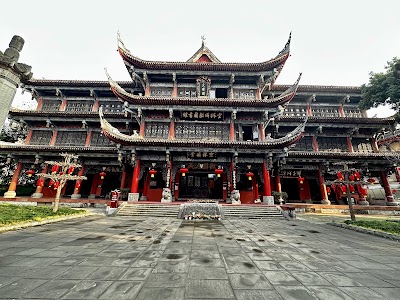
Wenshu Monastery is a working Buddhist temple up in the city's north, with incense smoke drifting through its quiet courtyards. Entry is free and gates open at eight; arrive then and you'll hear monks chanting before anyone else shows up. The calm is the attraction.
Right next door is Wenshufang, a snack street where the vegetarian buns are the obvious move before the lunch rush. Hold onto this slow pace, because the afternoon keeps the same reflective thread: next comes the shrine to China's greatest poet.
Tip: Entry is free and gates open at 8:00. Arrive early to hear monks chanting, then walk next door to Wenshufang snack street for vegetarian buns while the incense courtyards are still quiet.
Du Fu Thatched Cottage (Southwest Gate)
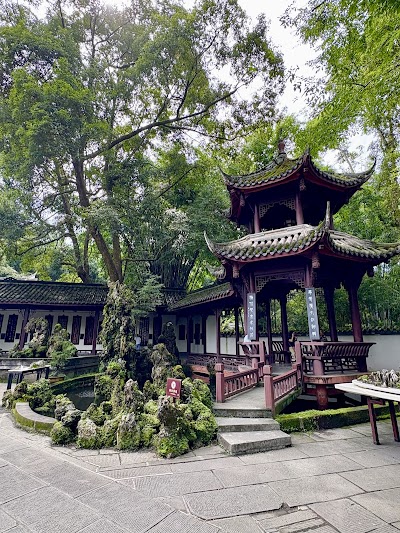
Du Fu's Thatched Cottage marks where China's greatest poet rented a simple cottage and wrote some 240 poems through a rough stretch of his life. China turned a broke poet's rented shed into a national shrine; schoolkids still memorize his verses, which is why this garden matters past tourism.
In November the rear garden's ginkgos and maples hit peak color, the best foliage of the trip, so save time for the riverside poetry path. One honest note: the cottage itself is a re-creation, not a surviving Tang building; the grounds and the legacy are the real thing.
Tip: Buy your ticket at the gate or via the official WeChat mini-program. November ginkgo and maple colors peak near the rear garden, so budget time to walk the riverside poetry path.
Anshun Bridge
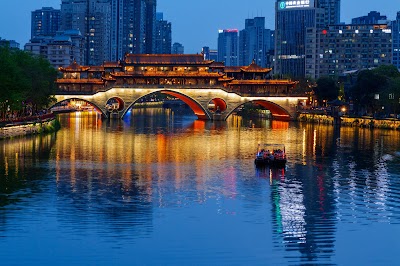
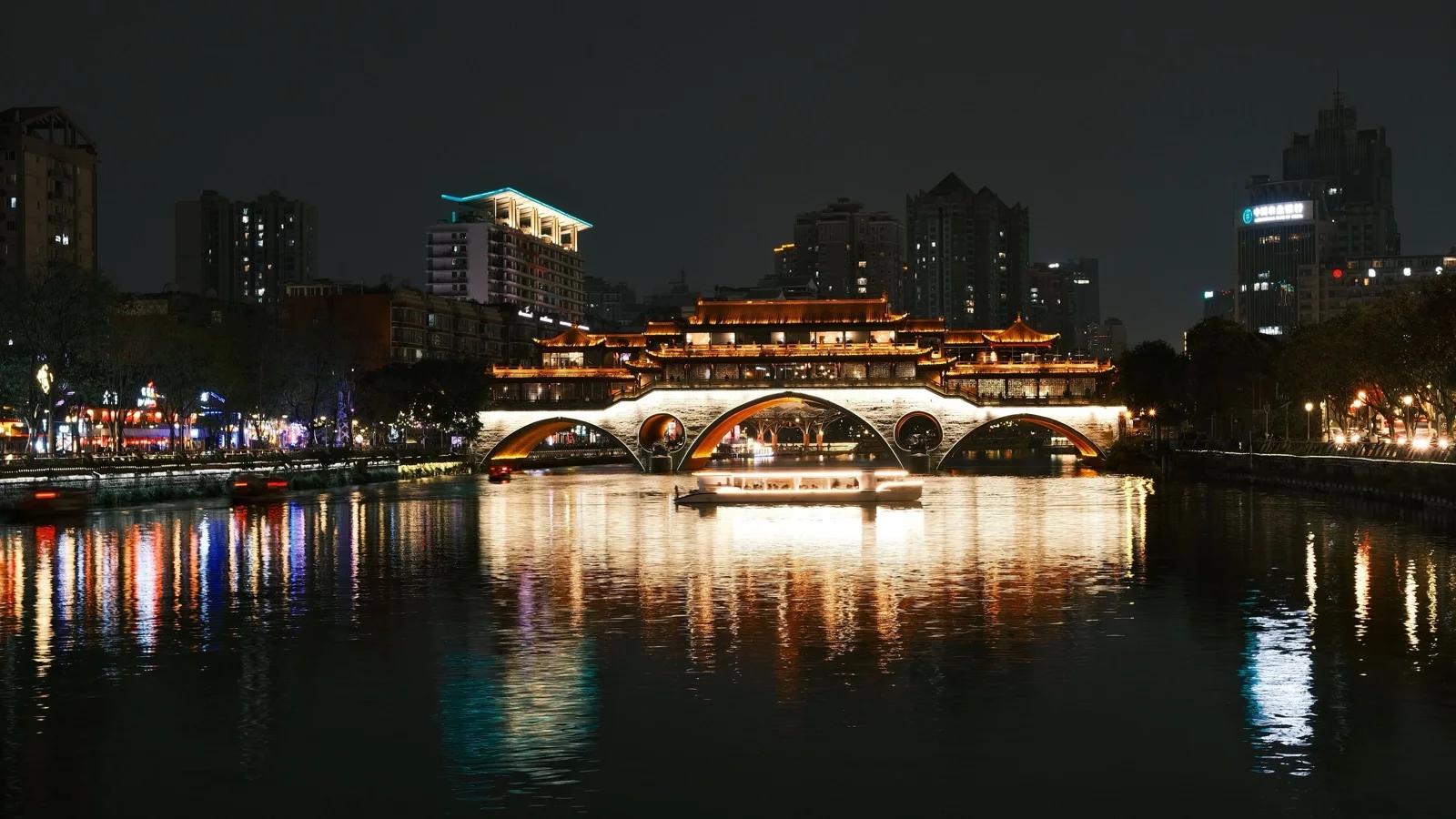
Anshun Bridge is a Ming-style covered bridge over the Jin River, and at nightfall it becomes the city's best free spectacle. Get there just before sunset and one stop gives you three looks: daylight, lanterns switching on one by one, then the full river reflection.
It's a locals' evening-stroll spot as much as a photo op, so you're finishing the trip doing exactly what Chengdu does on date night. Then end at a riverside hotpot place; book ahead if the finale dinner matters, because the walk-in queues run long.
Tip: Stroll over around sunset to watch the lanterns switch on across the covered bridge. Queue early at riverside hotpot restaurants or book a table in advance for the finale dinner.
What to book ahead
- Book Chengdu Panda Base tickets (3-7 days before) - Timed-entry online tickets; the 7:30-8:00 slot sells out on weekends.
- Reserve Shufengya Yun opera seats (2-5 days before) - Nightly shows fill fast; pick stage-adjacent teahouse tables.
- Reserve Xiaolongkan hotpot table (if swapping in) (2-3 days before) - Dinner queues exceed an hour without a booking.
- Download Didi and set up Alipay/WeChat Pay (1 week before) - Needed for taxis, metro, and nearly all food vendors.
What to pack
Essentials
- Comfortable walking shoes - Days involve 15,000+ steps across alleys, parks, and museum grounds.
- Light layers and a warm jacket - Autumn mornings near 10°C warm to 20°C afternoons; evenings dip again.
- Metro card or Alipay/WeChat Pay setup - Almost all transit and vendors are cashless; cards rarely work.
- Portable charger - Heavy photo, map, and translation app use all day.
- Pocket tissues and hand sanitizer - Many street-food stalls and public restrooms do not provide them.
Nice to have
- Compact umbrella - Occasional autumn drizzle in Chengdu's humid basin climate.
- Stomach remedies or probiotics - Sichuan chili and peppercorn intensity can surprise first-timers.
- Translation app with offline Chinese pack - English signage is limited at local eateries and markets.
Final take
Three days in Chengdu and you leave with a suspicious new conviction: that tea, chili oil, and doing nothing amount to a complete life.
Plan this trip
Turn this guide into an editable trip plan
Open the route in Instaboard, adjust the stops, and share the itinerary with your travel group.