Travel Guide
Daegu 3-Day Food + Culture Itinerary: South Korea Autumn Trip
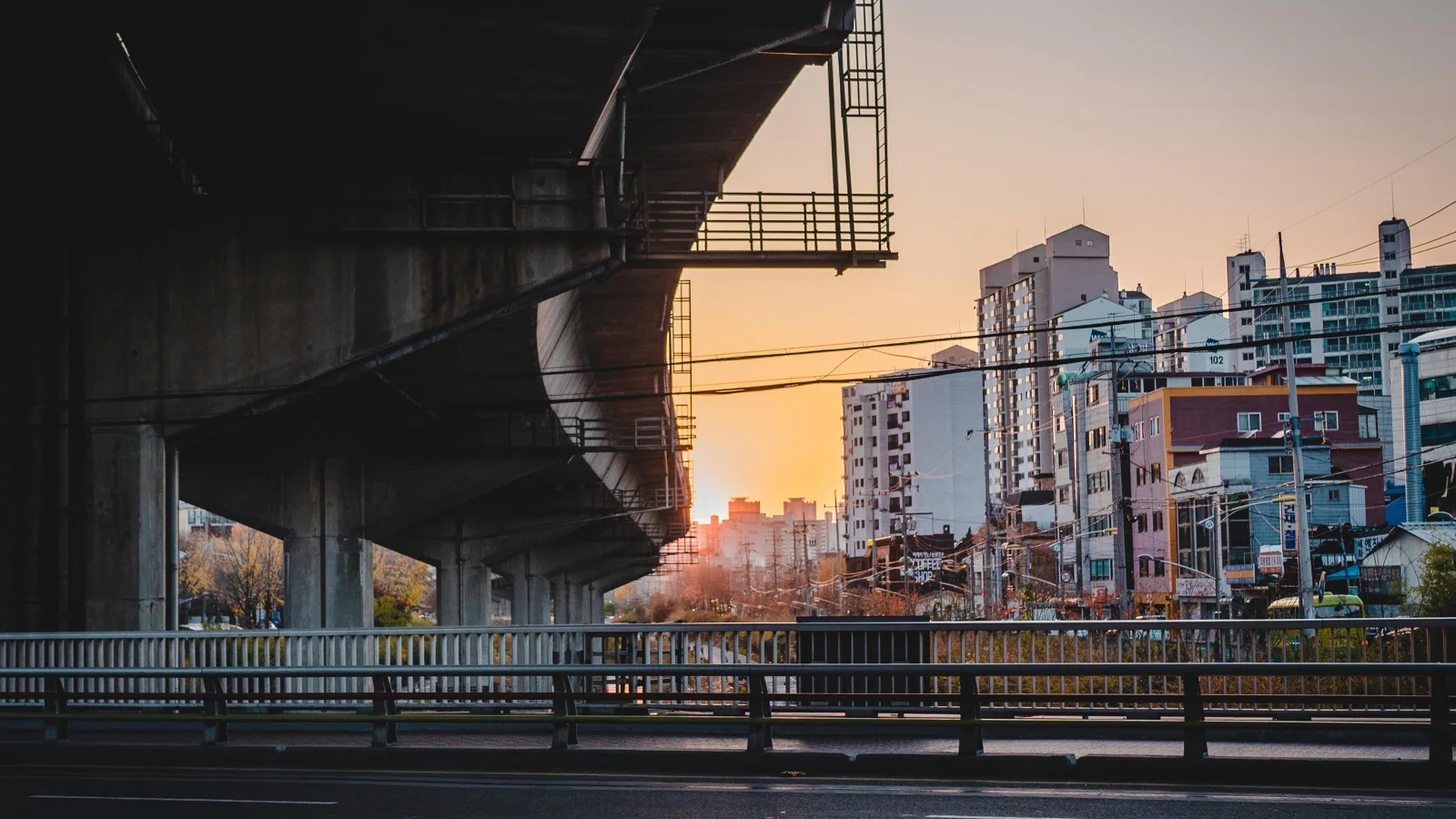
Want the editable version of this route?
Open the Instaboard template and adapt stops, timing, and notes to fit your trip.
Daegu is the Korean city most travelers skip on the way to Busan, which is exactly why it's worth your time. Three days here and you'll eat at markets that have been running for centuries, stand on mountain ridges covered in red maple, and wonder why nobody talks about this place more.
Autumn in Daegu means golden ginkgo tunnels, fiery mountain slopes, and crisp air that makes street food taste about twenty percent better. It's the season this city was built for.
Day 1
Day one is Daegu at its most chaotic and charming: a Joseon-era market, a dead folk singer's alley, and a neon strip where you'll accidentally eat fried chicken at ten pm.
Seomun Market
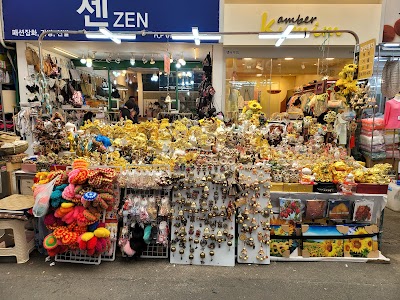
Seomun Market is one of Korea's three great traditional markets, and it's been running since the Joseon era. The name literally means West Gate Market, after the old city wall entrance. Four thousand stalls selling everything from silk bolts to live fish, but the real draw is the night food street: flat dumplings called napjak mandu, tteokbokki, and hotteok, all in a steam cloud that hits you before you see the stalls.
This isn't a tourist fabrication with English menus and marked-up prices. It's where Daegu grandmothers have been buying dinner ingredients for decades. Bring cash because most vendors don't take card, and work the alleys counter-clockwise. The napjak mandu stalls near Gate 2 thin out before the evening rush hits.
Tip: Arrive hungry and work the alleys counter-clockwise. The flat dumpling (napjak mandu) stalls near Gate 2 have the shortest queue before 3 pm. Bring cash; many vendors don't take card.
김광석 다시그리기길
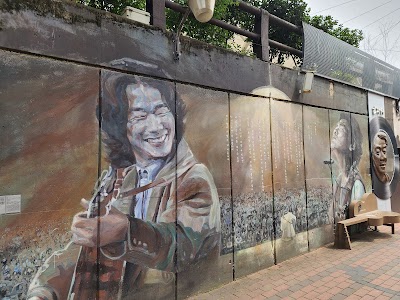
A few blocks away there's a narrow residential alley devoted to Kim Gwang-seok, a folk singer from Daegu who became Korea's generational voice in the late eighties before his death, and whose songs are still karaoke staples across the country. Locals painted these murals themselves after he died. His lyrics cover the brick walls, and buskers set up near café row playing his songs on guitar.
Show up after four pm because before that it's just a quiet neighborhood. The street only comes alive when the golden-hour light catches the painted walls and someone starts playing 'A Letter from a Private' from a doorway. It's a short street, thirty, maybe forty-five minutes unless you linger at a café, so grab a barley tea, let the soundtrack find you, and just walk.
Tip: Walk the mural-lined alleys at golden hour for the best photos. Buskers usually set up near café row after 4 pm; grab a nostalgic soundtrack and a cup of warm barley tea.
Daehyun Primall
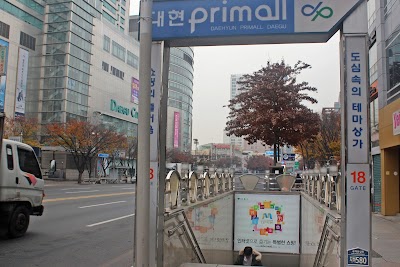
Daehyun Primall is where Daegu goes after dark. It's a pedestrian boulevard of department stores, snack chains, and neon that does what Korean cities do best: stay loud, lit up, and open late. The Jungangno area has been Daegu's commercial heart for decades because this city was historically a textile and mercantile hub, so the shopping culture here runs deep.
Evening is when the strip earns its keep: buskers competing with cosmetics store jingles, hotteok carts on the sidewalk, the bass from somebody's portable speaker bouncing off the storefronts. Department stores shut around eight but the street food and the energy keep going, so follow the crowds to whatever late-night snack chain has the longest line.
Tip: Take the subway to Jungangno Station and stroll the pedestrian boulevard at night when neon signs and buskers light up the strip. Great spot for late-night Korean snack chains and people-watching.
Day 2
Day two trades the city for a mountain: cable car to a summit covered in red and gold maple, a fifteen-hundred-year-old temple with a stone Buddha the size of a building, and a pungent herbal medicine market to bring you back to earth.
Palgongsan
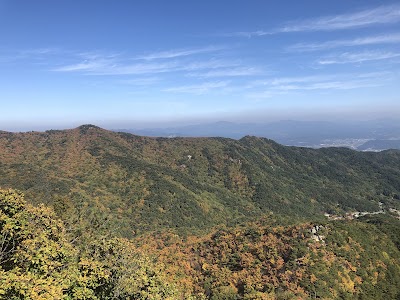
Daegu sits in a flat basin ringed by mountains, and Palgongsan is the big one to the north. It's the mountain every local points to when they say you should go see the leaves. The cable car is less scenic Alpine gondola and more vertical city bus, but the payoff is a panoramic view that makes you realize how vast Daegu's basin really is and how many peaks surround it.
Late October into early November the entire mountain turns red and gold. This is why you time a Daegu trip for autumn. Go early because the cable car queue builds by eleven and the summit haze rolls in after lunch. Buy round-trip tickets at the base and bring a layer because the peak is noticeably cooler than downtown.
Tip: Buy a round-trip cable-car ticket at the base to save time. Autumn foliage peaks along the summit trails in late October. Layer up; the peak is noticeably cooler than downtown.
Donghwasa
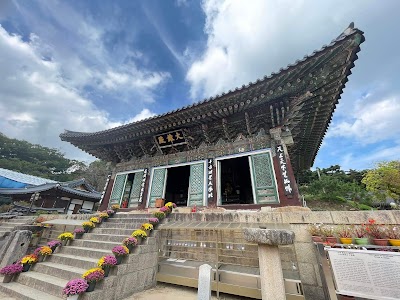
Donghwasa is a Buddhist temple on Palgongsan's slopes that's been here for roughly fifteen hundred years. The name means Winter Flower Temple, supposedly because paulownia blossoms appeared here out of season. The stone Buddha dominating the main courtyard is surprisingly modern, completed in the early nineties for a unification prayer, and it's enormous. Photos genuinely don't convey the scale.
Incense drifting across stone courtyards, leaves dropping into temple ponds, the low hum of chanting from an inner hall. Get here before ten am and you'll have most of this to yourself. You're already on the mountain from the cable car, so Donghwasa falls naturally on the way back down because the temple sits on the lower slopes.
Tip: Enter through the main gate before 10 am to enjoy the stone Buddha courtyard in near-silence. The temple stay program books out weeks in advance on weekends; reserve early if interested.
Daegu herbal medicine wholesale market
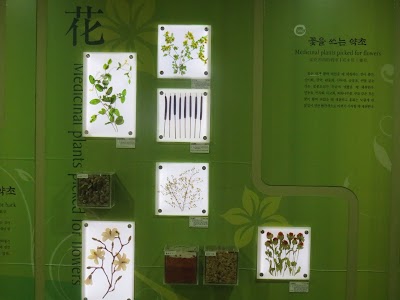
Back in the city center, Daegu's Yangnyeongsi herbal medicine market has been running since roughly 1658. You'll smell it a block away. This is a working wholesale market where actual Korean medicine practitioners stock up on ginseng, dried roots, and things you won't recognize. Burlap sacks stacked to the ceiling, shopkeepers weighing prescriptions on brass scales.
Autumn is ginseng harvest season, so the freshest stock of the year is hitting the shelves right now, and the free-entry Yangnyeongsi Museum explains what you're looking at before you wander in confused. Hit the museum first because it closes at five, then browse the ginseng shops with cash for better prices on herbal teas.
Tip: Head to the Yangnyeongsi Museum first (free entry, closing at 5 pm), then browse the ginseng shops. Bring cash for the best deals on herbal teas and medicinal gift sets.
Day 3
Day three starts with a bird's-eye view of the whole basin, then slows all the way down: golden ginkgo paths and a lake where you sit on a terrace and watch a fountain dance to K-pop.
Daegu 83 Tower
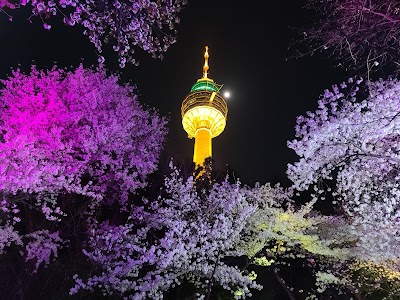
Daegu 83 Tower sits on Duryusan hill and gives you a panoramic view of the entire city basin, useful on your last day because you finally see how everything you've been walking around fits together. The tower is named after the year it was built, 1983, in the most literal naming convention imaginable. It sits inside E-World, a European-themed park that feels like a Korean approximation of a German fairy tale.
The autumn foliage in the surrounding park plus the illuminated night garden make this season the right time to visit, and morning gives you clearer views and thinner crowds at the observation deck. Grab the E-World combo ticket online the night before. Separate tickets cost more and the discount is worth the thirty seconds of planning.
Tip: Book the E-World combo ticket online the night before for a discount on both the observation deck and garden entry. The illuminated night garden is also stunning if you prefer an evening visit.
Duryu Park (Daegu)
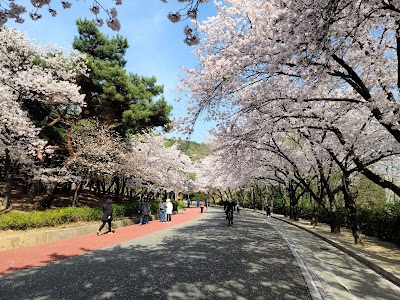
Right below the tower, Duryu Park has mature ginkgo trees dense enough to form a near-complete tunnel over the cycling paths. In mid-November the canopy turns gold and the leaves drop into a carpet that Korean Instagram does not exaggerate. Golden leaves crunching underfoot, dappled light through the canopy, and the ambient calm of a park that serves as one of Daegu's main everyday leisure spaces.
Fair warning: ginkgo fruit smells somewhere between old cheese and something worse. The leaves are gorgeous, but the ground-level fruit is an acquired scent. The golden canopy photographs best in afternoon sidelight, so this pairs naturally with a morning at the tower. Same hill, slower pace.
Tip: Walk the ginkgo-canopied cycling paths beneath Duryusan. The golden canopy peaks in mid-November. Rent a bike at the park entrance or simply grab a bench and people-watch.
Suseongmot
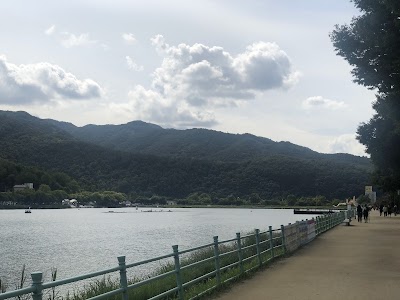
Suseongmot is an artificial lake ringed by cafés with terrace seating. This is where Daegu locals go to not do very much, and that's the whole appeal. The music fountain show choreographs water, light, and K-pop into fifteen minutes of earnest spectacle that you'd skip if you were being cool and regret skipping later.
Arrive before sunset to claim a lakeside table, let the light fade, and the fountain starts after dark. Cool air, roasted sweet potatoes from a nearby cart, still water reflecting café neon. Check the fountain schedule when you arrive because showtimes are fixed, and if you miss it the lake is still pleasant but the energy drops off noticeably.
Tip: Arrive before sunset to claim a lakeside café table with a fountain view. The music fountain show starts after dark and pairs perfectly with a warm drink on the terrace.
What to book ahead
- Palgongsan cable car check (1 day before) - Verify operating status online; bad weather can suspend the cable car.
- Daegu 83 Tower combo ticket (Night before Day 3) - Book online for the discount; print or screenshot the QR code.
- Temple stay at Donghwasa (2+ weeks before) - Optional — reserve through the temple's website, especially for weekends.
What to pack
Essentials
- Comfortable walking shoes - Market alleys and mountain trails demand sturdy footwear.
- Light layered jacket - Autumn temps swing 10–20 °C between morning peaks and evenings.
- Portable charger - Full-day photo and navigation use drains batteries fast.
Nice to have
- KakaoTalk with KakaoPay - Many shops accept mobile payments; handy when cards aren't taken.
- Reusable shopping bag - Useful for herbal market purchases and street-food hauls.
- Travel umbrella - Autumn can bring unexpected light showers.
Final take
Three days in Daegu and you've eaten your way through centuries-old markets, stood above a city ringed by mountains turning red, and ended it all watching a fountain dance to K-pop by a lake. Not a bad way to spend an autumn in Korea.
Plan this trip
Turn this guide into an editable trip plan
Open the route in Instaboard, adjust the stops, and share the itinerary with your travel group.