Travel Guide
Daejeon in 2 Days: Science City, Barefoot Trails & Korea's Best Bakery
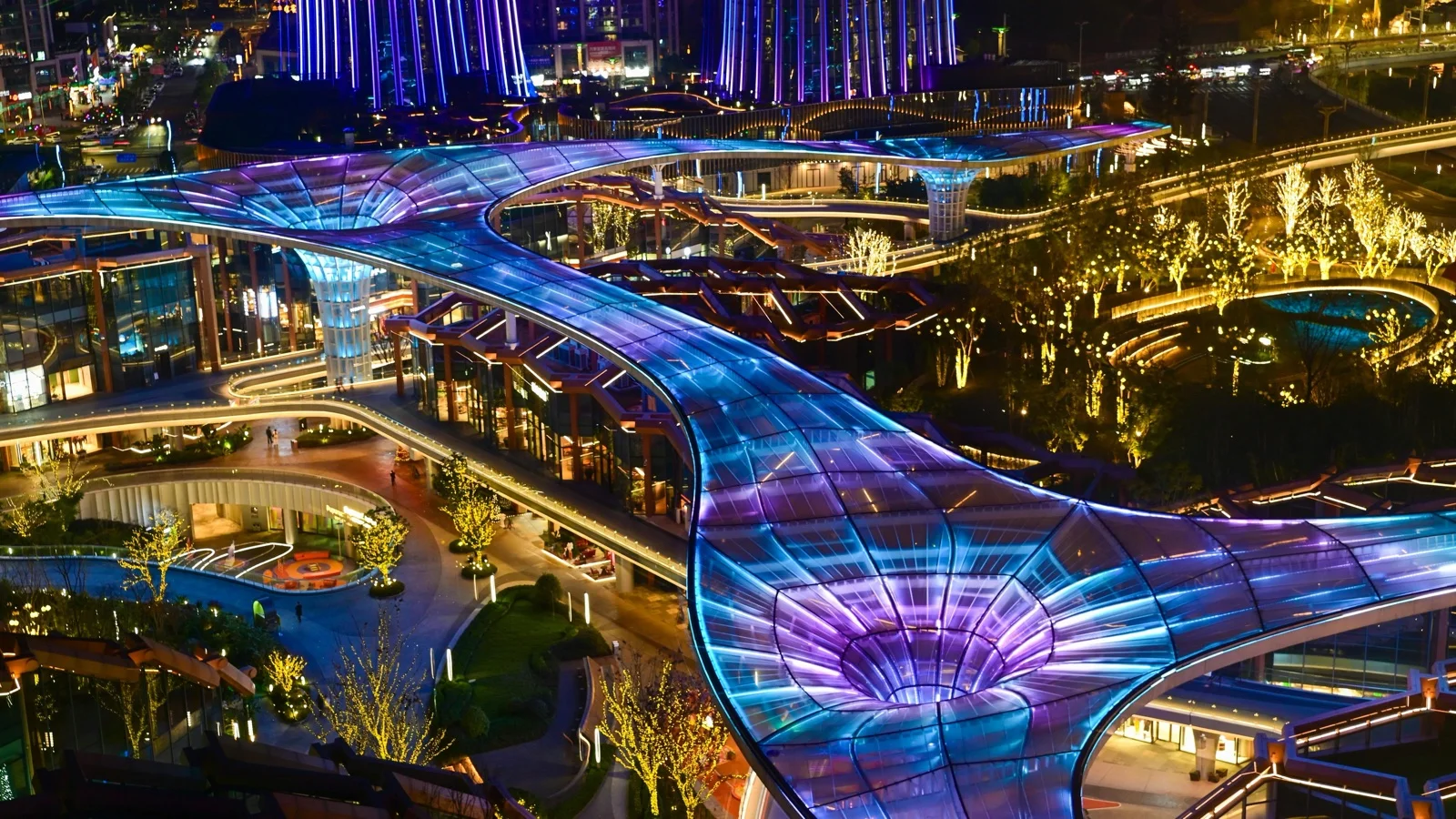
Want the editable version of this route?
Open the Instaboard template and adapt stops, timing, and notes to fit your trip.
Daejeon is the city Korea sent all its scientists to, and somehow it also ended up with the country's most famous bakery and a mountain where everyone walks barefoot on purpose. Two days here, spring cherry blossoms, and the kind of city that rewards showing up with a loose plan instead of guessing your way through.
Spring here sits around twelve to twenty-two degrees, cherry blossoms line the Gapcheon stream, and the days are long enough to pack in a lot without rushing.
Day 1
Day one leans into why Daejeon calls itself Korea's science capital: a repurposed World's Fair site, the national science museum, and then a bakery that might be the most popular building in the city.
Daejeon Expo Science Park
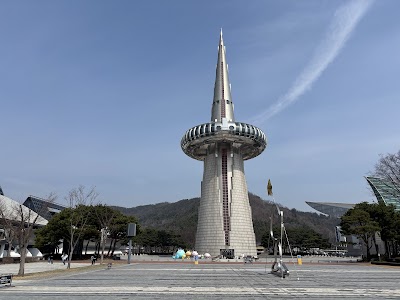
Daejeon Expo Science Park is what's left of the 1993 Taejon World Expo. 141 countries, 14 million visitors over 93 days, all here to show off the future. That future is now a quiet, sprawling park with outdoor science installations and a 93-meter observation tower called Hanbit that still dominates the skyline.
On a spring morning the place is nearly empty. You get the futuristic pavilions, the music fountain at the tower's base, and birdsong instead of crowds. This was a real BIE-sanctioned World's Fair, same category as Lisbon '98 and Shanghai '10, so the bones are genuinely worth walking.
Tip: Arrive by 10 AM to explore Hanbit Tower and the outdoor installations before the midday crowd builds. Book tickets online in advance for a discounted entry rate.
National Science Museum
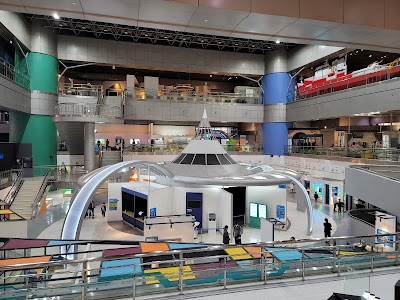
Five minutes on foot from Expo Park, Korea's national science museum sits here. Not in Seoul, in Daejeon, because this is where the actual research institutes are. The planetarium is the draw: a dark, quiet dome that's a genuine reset after the open grounds of Expo Park, and the natural history halls hold up even if you don't read Korean.
Planetarium shows have fixed seating and fill on weekends, so grab a ticket at the main gate counter when you walk in. General admission to the rest of the museum is free. The building is enormous, so pick your battles: planetarium plus natural history is the combo that won't eat your whole afternoon.
Tip: Walk five minutes from Expo Park and grab a planetarium ticket at the main gate counter when you arrive. Shows fill fast on weekends, so aim for the earliest afternoon session.
Sungsimdang Bakery Head Store
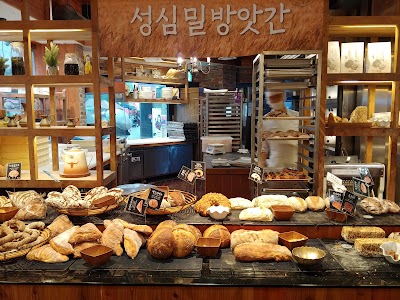
Ask any Korean what to do in Daejeon and they'll say the same thing: go to Sungsimdang. A bakery founded in 1956 by a North Korean refugee who started with two sacks of flour. The signature Fried Soboro is a crumble-topped, red-bean-filled, deep-fried pastry that comes out warm with an audible crunch. It's unlike anything you've eaten.
There is always a line, but it moves fast. After 3 PM it's shorter and the Fried Soboro usually outlasts the chestnut bread, which sells out earlier. Four branches, all in Daejeon. They've refused every offer to expand to Seoul, and they donate all unsold bread, roughly 40 million won a month.
Tip: The queue moves fast but forms early. Visit after 3 PM for a shorter line and grab the signature chestnut bread before it sells out. Cash and card both accepted.
Day 2
Day two dials the pace back: a 96-acre arboretum built on an old Expo parking lot, then a mountain where you take your shoes off and walk 14 kilometers of red clay.
Hanbat Arboretum
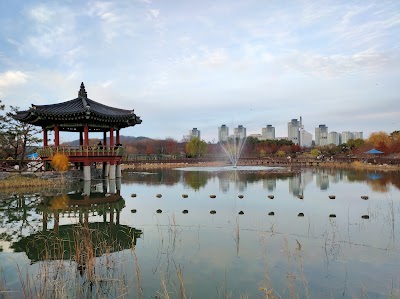
Hanbat Arboretum is the largest manmade urban arboretum in Korea, with 1,787 plant species across 96 acres, and almost no foreign tourist has heard of it. The whole thing was built on the parking lots of the 1993 Expo. Korea turned a World's Fair parking lot into its biggest urban garden, which is a pretty remarkable conversion.
Spring cherry blossom tunnels here rival anything in Seoul with a fraction of the crowds, and the tropical botanical garden has a waterfall that feels like stumbling into a greenhouse mid-city. Enter through the west gate at 9 AM for the softest light and quietest paths. Free admission, no reservation, just walk in.
Tip: Enter through the west gate at opening (9 AM) for the quietest cherry blossom tunnel photos. Spring blooms peak mid-April and the morning light is softest.
Gyejoksan Mountain Red Clay Trail
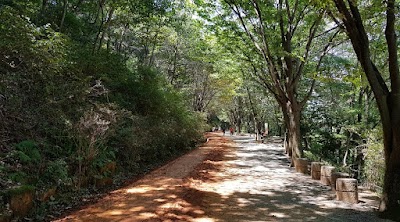
Gyejoksan Mountain has one of the only dedicated barefoot walking trails in the world: 14.5 kilometers of red clay circling the summit, and people travel from across Korea specifically to take their shoes off here. You hike 200 meters up through forest, reach the red clay, and join grandmothers, office workers, and kids all walking barefoot in complete seriousness because they believe it cures insomnia and stress.
The clay is warm and soft underfoot once you get past the initial hesitation, and a side trail leads to a 6th-century stone fortress wall at 420 meters with views over downtown. Bring a towel because the foot-washing stations sometimes run low on water, and don't wear anything light-colored. The red clay stains.
Tip: Wear clothes you don't mind getting dusty and bring warm layers for shaded forest sections. The trailhead has a foot-washing station so you can clean up before your taxi ride back.
Leafful coffee
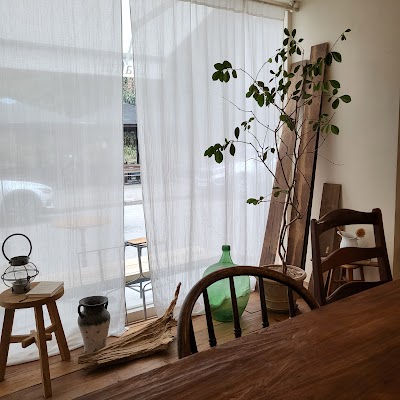
Leafful is where Daejeon locals bring out-of-town friends: warm wood interiors, big windows, and a pistachio berry mousse that justifies the entire cafe stop. That mousse has a pistachio dacquoise base, a strawberry-rhubarb compote core, and a pistachio mousse exterior. It's the kind of dessert that makes you understand why people plan cafe itineraries.
Late afternoon light floods through the windows, and after three hours of barefoot mountain hiking the whole place feels like a reward you earned. Closed Tuesdays, so if your second day lands on one, swap this to another cafe or rearrange the days. The mousse is worth protecting.
Tip: Reserve a window table if visiting on a weekend. The pistachio mousse is the standout order and the warm wood interiors make it a perfect post-hike rest stop.
What to book ahead
- Check Expo Science Park Hanbit Tower hours (1 day before) - Hours vary seasonally; confirm opening times online before visiting.
- Reserve cafe table at Leafful coffee (1–2 days before) - Window seats fill up on spring weekends — call or message via Instagram.
- Download Daejeon transit map (Before departure) - Daejeon Metro Line 1 connects Expo zone to downtown in ~20 min.
- Check cherry blossom forecast (1 week before) - Peak bloom is typically April 5–15; adjust Hanbat Arboretum timing accordingly.
What to pack
Essentials
- Comfortable walking shoes - Trail hiking at Gyejoksan and long museum visits require sturdy, broken-in footwear.
- Light jacket or cardigan - Spring evenings in Daejeon dip to 10–15°C, especially near the Gapcheon stream.
- Portable charger - Full-day itineraries with maps, photos, and navigation drain phone batteries quickly.
- T-money transit card - Works on all Daejeon buses and metro for cashless, discounted rides.
Nice to have
- Barefoot trail socks - If you prefer not to go fully barefoot on the Gyejoksan red clay trail.
- Picnic mat - Hanbat Arboretum lawns are perfect for a spring picnic under the cherry trees.
- Swimsuit - Needed for private soaking rooms at Yuseong jjimjilbang spas.
Final take
Daejeon is the kind of city that doesn't advertise itself but shows up with a World's Fair park, a bakery with a moral code, and a mountain full of barefoot grandmothers who walk faster than you.
Plan this trip
Turn this guide into an editable trip plan
Open the route in Instaboard, adjust the stops, and share the itinerary with your travel group.