Travel Guide
3 Days in Fujikawaguchiko: Complete Mt Fuji Itinerary
Want the editable version of this route?
Open the Instaboard template and adapt stops, timing, and notes to fit your trip.
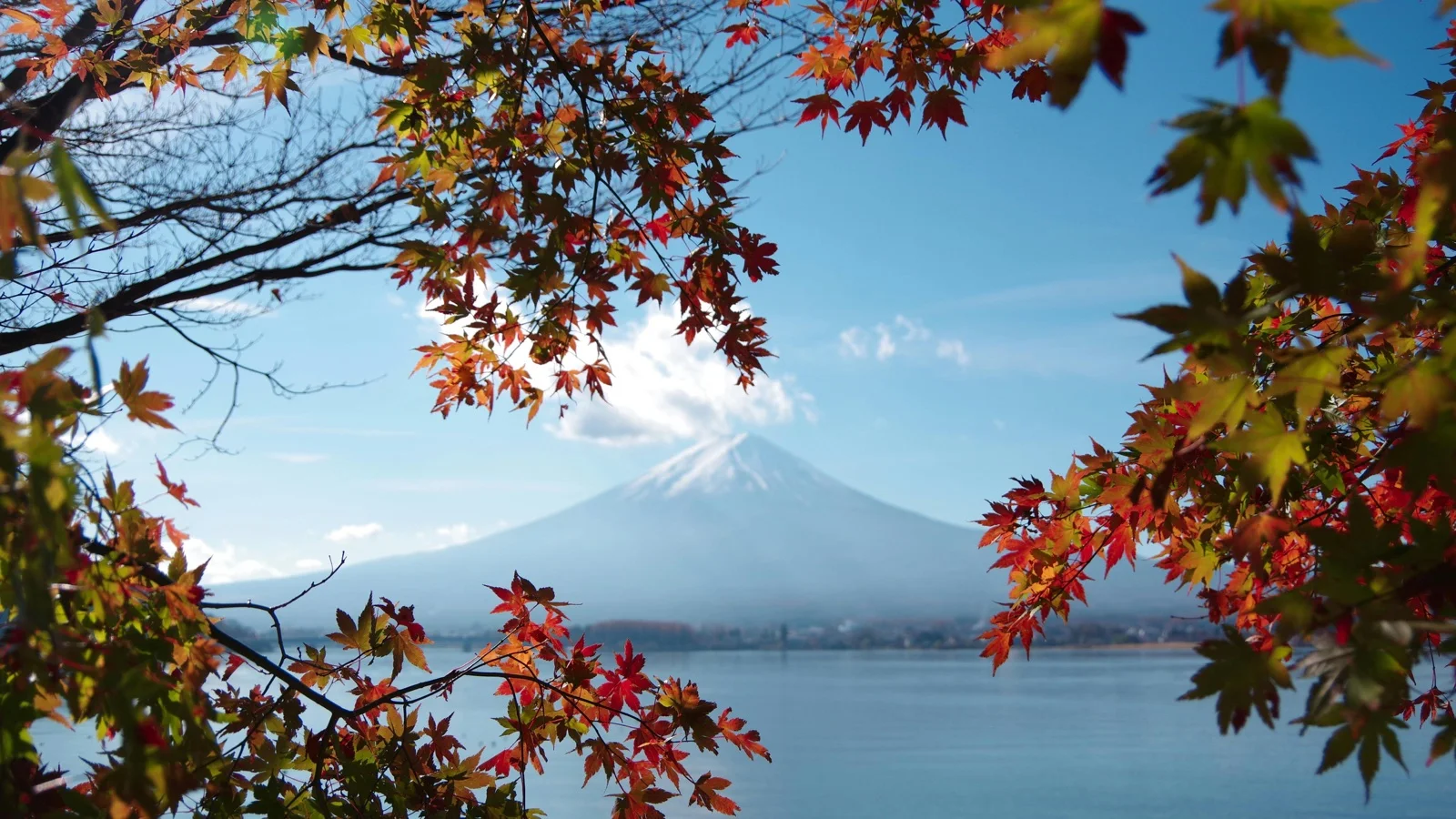
So you want to see Mount Fuji, the most photographed mountain in Japan that only actually shows up about 80 days a year. Three days around the lakes gives you enough swings at bat that you'll probably catch it at least once, without spending your whole trip refreshing weather apps.
Fujikawaguchiko is your base. This is lake country, where every viewpoint is basically a different angle on the same stubborn mountain.
Day 1
Day one is your orientation day: lakefront walking, a sunset spot, and a cable car that's worth the queue if the timing's right.
Lake Kawaguchi
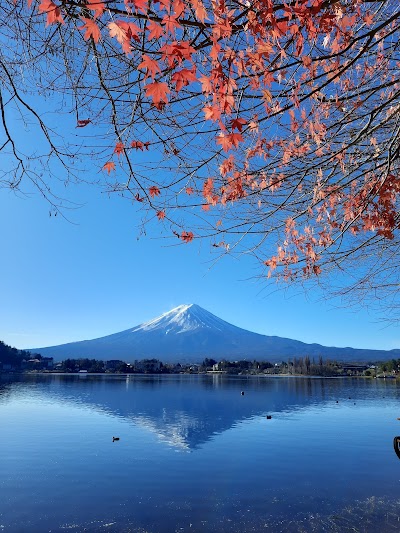
Lake Kawaguchi is the most forgiving of the five Fuji lakes, a wide promenade where you can stroll while you wait for the clouds to cooperate. On a still day, the water doubles the mountain; when the wind picks up, you get ripples and no reflection, which is why patience matters here.
Fuji only shows its full peak about 80 days a year, so this lake is basically your comfortable waiting room for the gamble. Afternoon gives you flexibility. Stick around for sunset and you might get lucky after a hazy morning.
Tip: Walk the lakeside promenade for classic Fuji reflections across the water. Arrive before sunset for the best lighting and fewer crowds.
Oishi Park
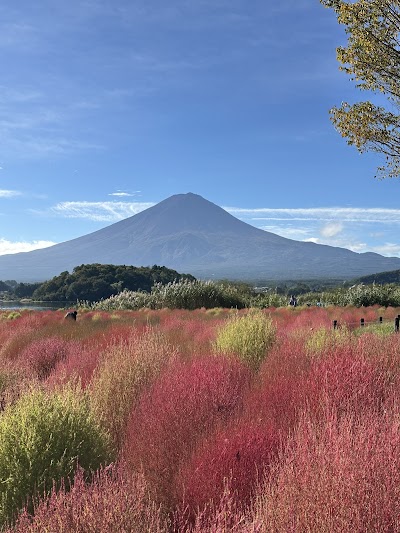
Oishi Park is where the lake meets curated flower beds and ice cream stands, the polished, Instagram-ready version of the waterfront. This is one of the most photographed Fuji spots in Japan, so expect tripods at golden hour and a line for soft serve.
Don't plant yourself in the exact middle of the crowd. Walk ten minutes in either direction for quieter angles and basically the same view. Evening catches the sunset behind Fuji if it's visible; if not, you still get lake air and overpriced matcha gelato.
Tip: Stroll through seasonal flower gardens with unobstructed Fuji views. Bring cash for local ice cream stands and cafes along the waterfront.
Mt. Fuji Panoramic Ropeway
The Mt. Fuji Panoramic Ropeway is a retro cable car that gets you 400 meters higher on Mount Tenjo for a different angle on the whole region. The ride is three minutes; the queue can be an hour on busy days. Mornings are quieter if you don't need sunset from altitude.
The view is genuine, but the wait is the catch. High winds shut it down entirely, so check conditions before you commit. If crowds at sunset bother you, skip it. The lake-level views are good enough without the line.
Tip: Ride the cable car to Mount Tenjo summit for panoramic lake and Fuji vistas. Queue early on weekends, as the ropeway can get busy at sunset.
Day 2
Day two is your photo-chasing day: the famous pagoda stairs, a torii gate built for Instagram, and an old shrine that reminds you this mountain was sacred before cameras existed.
Chureito Pagoda
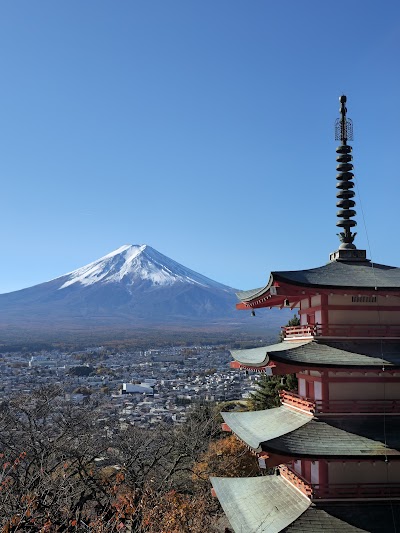
Chureito Pagoda is the shot you've seen a thousand times: five-story pagoda, cherry blossoms or autumn leaves, Fuji behind it. To get it, you climb 398 stairs up Arakurayama. Your calves will complain, then the view makes you forget them.
Sunrise is the play: fewer people, softer light, and the mountain is often clearer before clouds build midday. This was built in the 1960s as a war memorial, so it's not ancient, but it earns the photo anyway.
Tip: Climb 398 steps to the five-storied pagoda for the classic Fuji photo. Arrive at sunrise to beat the crowd and capture soft morning light.
Mount Fuji Distant Worship Site (Tenku no Torii) Torii View
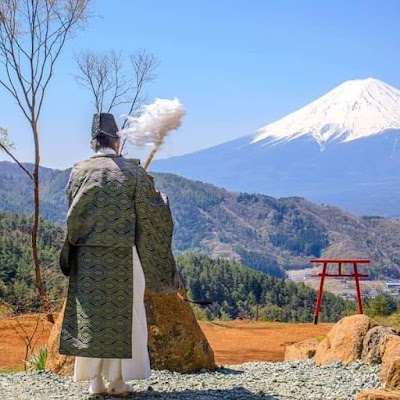
The Mount Fuji Distant Worship Site is a red torii gate that frames Fuji perfectly, designed for the photo, but part of an older shrine. Kawaguchi Asama Shrine has been here long before smartphones; the gate just happens to photograph really well.
Expect a rotating cast of people queuing for the exact same shot. Take yours, then step aside and actually look at the shrine. Afternoon works because it's a brief stop, not a main event. Maybe twenty minutes if you're not waiting behind a tour group.
Tip: Photograph the torii gate framing Mount Fuji, then walk respectfully through the shrine grounds. Avoid blocking other visitors.
Kitaguchi Hongu Fuji Sengen Shrine
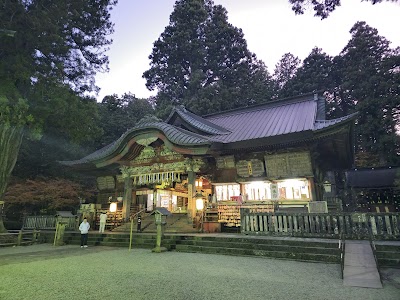
Kitaguchi Hongu Fuji Sengen Shrine is the spiritual counterweight to all that photo-chasing: giant cedars, mossy stone lanterns, and a thousand years of pilgrimage history. The twin sacred cedars at the entrance are over a millennium old. This is where climbers used to come for blessings before heading up Fuji.
Walk slowly through the approach. The lantern-lined path sets the tone better than rushing through for content. This place reminds you that the mountain was holy before it was a backdrop.
Tip: Explore this historic shrine with towering ancient cedars where climbers traditionally seek blessings. Entry is free and the peaceful atmosphere is perfect for reflection.
Day 3
Day three goes high and then winds down: up to the 5th Station on Fuji itself, then village ponds and a hot spring soak to finish.
Fuji Subaru Line 5th Station Lounge
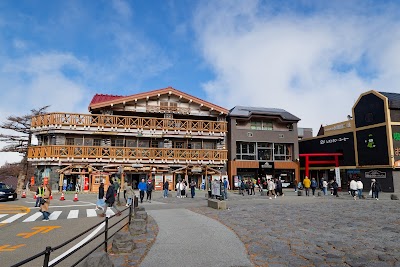
The Fuji Subaru Line 5th Station sits at 2,300 meters, the highest you can drive on the mountain, and where actual Fuji climbs begin. You'll feel the altitude and the cold up here: thin air, wind, and the sudden absence of trees make it real.
Morning is clearest and least crowded; afternoons bring clouds and tour buses. If you're not climbing to the summit, this is a 30-to-60 minute stop with a view and a gift shop. Dress warmer than you think.
Tip: Drive up to the 5th Station at 2,300m for sweeping regional views and Fuji trail access. Layer warm clothing, as temperatures drop significantly at altitude.
Oshino hakkai
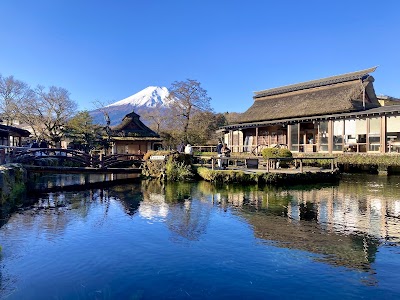
Oshino Hakkai is a village of eight impossibly clear spring ponds fed by Fuji snowmelt filtering through lava rock for decades. The water is so transparent it looks fake, and the thatched-roof houses around it add a traditional touch, plus food stalls with steam rising into cold air.
Go early or late to miss the tour buses that dominate midday. The ponds are photogenic but not worth a queue. Don't throw coins in the water despite seeing others do it. Signs explicitly forbid it, and a thousand years of natural filtration deserves better.
Tip: Wander among eight crystal-clear spring ponds fed by Fuji snowmelt. Sample local street food at the thatched-roof houses and bring cash for snacks.
Onsen - Fuji Yurari Hot Spring
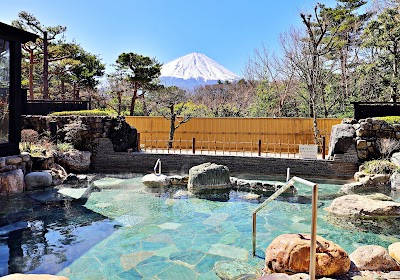
Fuji Yurari Hot Spring is one of the few day-use onsens where you can soak in outdoor baths with Fuji visible through the steam. Hot water, cold air, and if you're lucky the mountain emerges from the mist while you're neck-deep in thermal water.
Go before noon for emptier baths; evenings fill with travelers winding down their trip. Standard onsen etiquette applies: wash before entering, no swimsuits, and keep voices down. Check ahead if you have visible tattoos, since policies vary.
Tip: Relax in indoor and outdoor hot spring baths with Mount Fuji views before departure. Book in advance on weekends, as day-visitor slots fill quickly.
What to book ahead
- Reserve Fuji-Q Highland tickets (1-2 weeks before) - Popular with tour groups; online purchase saves queue time
- Book onsen day-visitor slot (1-3 days before) - Especially important on weekends when capacity fills quickly
- Check weather forecast (1 day before) - Clear skies are essential for Mount Fuji visibility; adjust itinerary if cloudy
- Purchase Fuji Subaru Line toll pass (Morning of Day 3) - Required for driving to 5th Station; available at toll booth
What to pack
Essentials
- Layered clothing - Mountain weather changes quickly; mornings and higher elevations are significantly cooler
- Comfortable walking shoes - Many attractions require stairs or extended walking on uneven paths
- Camera with zoom lens - Essential for capturing Mount Fuji from various distances and compositions
- Cash (Japanese yen) - Many local vendors, smaller restaurants, and some attractions only accept cash
Nice to have
- Tripod - Stabilizes camera for sunrise/sunset shots at Chureito Pagoda
- Swimwear - Required for onsen facilities if you plan to visit hot springs
- Sunscreen and hat - UV exposure increases at higher elevations around Mount Fuji
Final take
Three days of chasing a mountain that only cooperates sometimes, and somehow that makes it more satisfying when it finally shows up.
Plan this trip
Turn this guide into an editable trip plan
Open the route in Instaboard, adjust the stops, and share the itinerary with your travel group.