Travel Guide
Fukuoka 3-Day Food Itinerary in Autumn
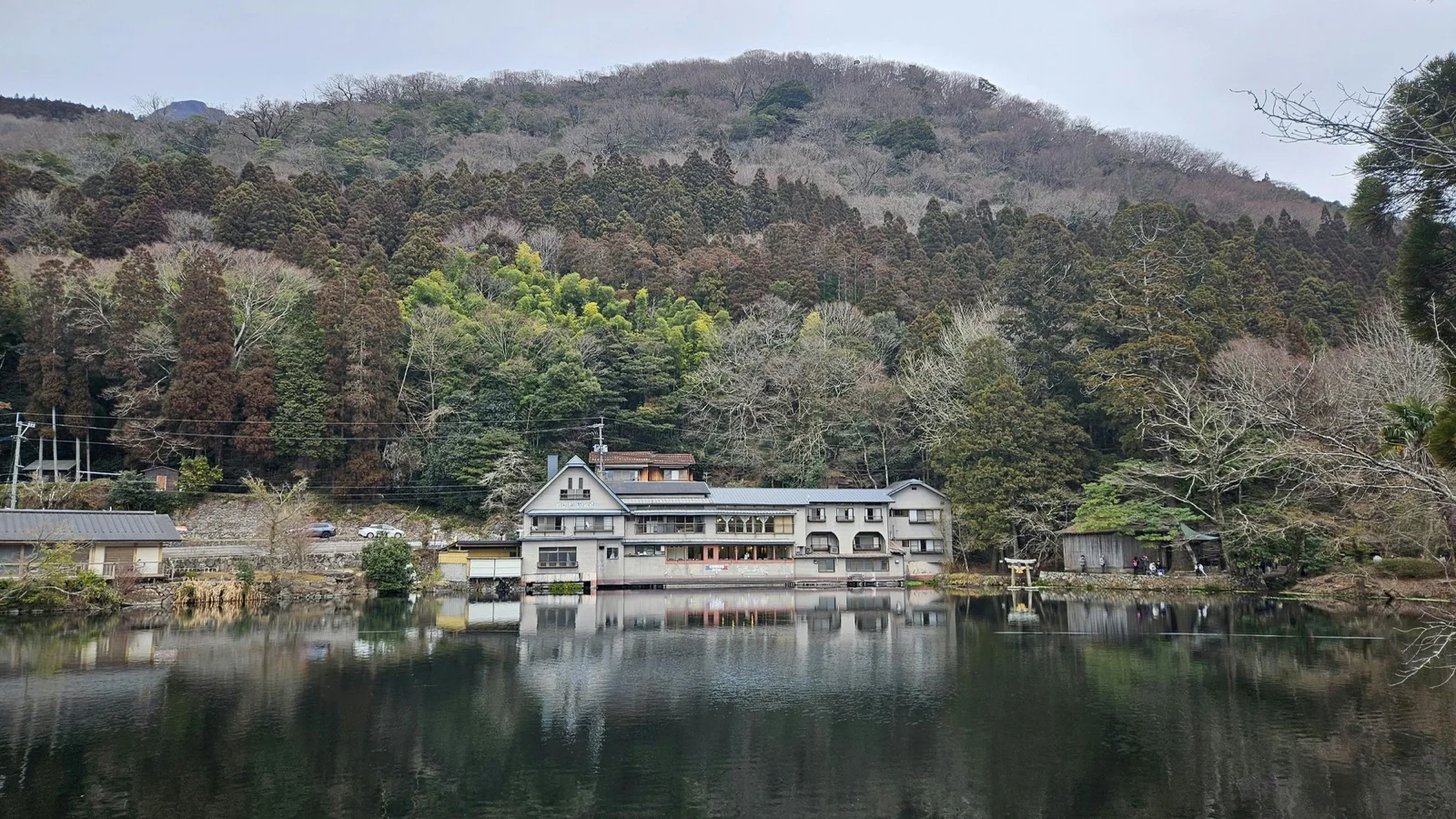
Want the editable version of this route?
Open the Instaboard template and adapt stops, timing, and notes to fit your trip.
Fukuoka is one of those cities where shrines, ramen streets, and sea air all show up before you have time to overthink it. Do it well and you get Hakata's old pulse, a cleaner read on the coast, and fewer meals wasted on whatever looked convenient five minutes ago.
Autumn really suits Fukuoka: easy walking by day, crisp evenings for yatai, and enough variety that three days never feels stuck on one note.
Day 1
First up, Hakata gives you old ritual, covered-street snacking, and a canal-side mall that is trying very hard to have a personality.
Kushida Shrine
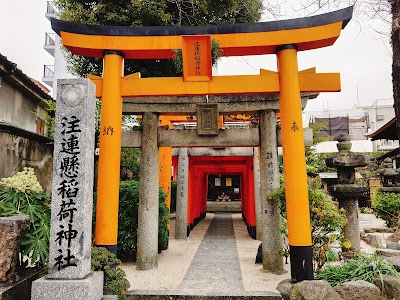
Kushida Shrine is a compact shrine in the old Hakata area, and it matters because it gives the city an actual face, not just a transport network. Locals treat it as Hakata's guardian shrine, so even a short visit starts explaining why this part of Fukuoka feels proud of itself.
The thing to notice is the giant Yamakasa float. Suddenly the place feels less hushed sanctuary, more neighborhood headquarters with excellent taste in drama. Go in the afternoon because it fits naturally between food stops, and keep expectations on context rather than sheer size.
Tip: Visit mid-afternoon for lighter crowds and keep an eye out for seasonal festival displays.
Kawabata Shopping Arcade
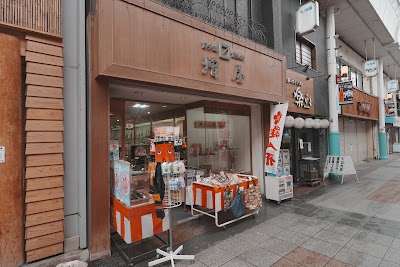
A few steps later, Kawabata Shopping Arcade is the old covered street where everyday errands, souvenirs, and snack decisions all live under one roof. It helps first-timers read Hakata at walking speed, because parts of it feel ordinary in a way polished retail districts usually work very hard to avoid.
What sticks is the rhythm: fluorescent light, shop signs, food smells, and that comforting sense you only meant to browse for five minutes. Graze rather than commit heavily here, unless you enjoy the classic travel plot of accidentally turning one sweet into lunch.
Tip: Go late morning or early afternoon before lunch queues. It is fully covered, so it works as your rainy-day route.
CANAL CITY HAKATA
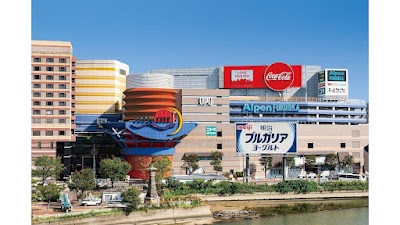
Then Canal City Hakata shows the polished side of Fukuoka: a big shopping and dining complex built around a canal and fountain shows. It is not old Hakata, obviously, but that contrast is useful because this city does convenience unusually well.
Inside, you get echoing atriums, bright signs, food smells, and that slightly unreal feeling of walking through an indoor version of a city. Mid-afternoon works best here if you want the reset without the thicker dinner crowds, especially when your legs start negotiating terms.
Tip: Visit around 15:00 to 17:00 to dodge the dinner rush. It is an easy walk between Hakata and Tenjin and works as an indoor rain fallback.
Day 2
Day two opens the city up: water, ruins, then a beach where Fukuoka somehow manages to look urban and relaxed at the same time.
Ohori Park
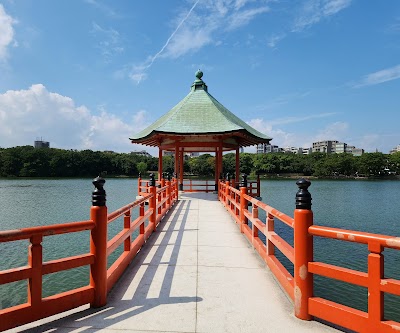
Ohori Park is the big central lake park, and for a first-timer it is the proof that Fukuoka can go quiet almost without warning. The lake sits on what used to be the castle moat, so the calm scenery has slightly sneaky military origins underneath all the joggers.
What I like here is the scale: bridges, reflections, wind off the water, and enough open space to reset your appetite properly. Morning lands best because the park feels more atmospheric than exercise-focused, and one full loop is usually enough unless you have become a lake person overnight.
Tip: Go early for quieter paths and grab coffee nearby after your first circuit.
Fukuoka Castle Ruins
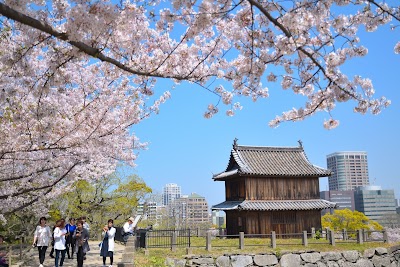
Right nearby, Fukuoka Castle Ruins give you the city's feudal backstory without pretending there is a perfect postcard castle waiting at the top. This was the Kuroda clan's seat in the early Edo period, and now it is mostly stone walls, broad paths, and viewpoints.
That is honestly the appeal: imagination does more work than architecture, which is much better than being sold a castle and handed very meaningful stone. It fits after Ohori because the moat suddenly makes sense, and late afternoon light tends to flatter the open ground and views.
Tip: Walk over from Ohori Park (about 10 to 15 minutes) and go on a weekday late afternoon to avoid crowds. After rain, paths can be slippery.
Momochi Seaside Park
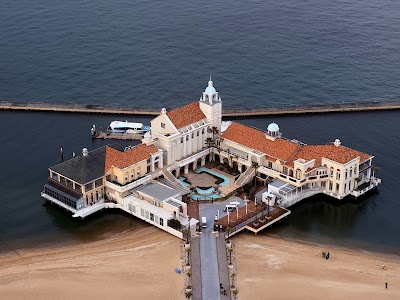
Momochi Seaside Park is Fukuoka's quick coastal mood shift, an urban beach where sand, skyline, and bay air all share the frame. It is an artificial beach, so do not expect wild coastline drama; this is the city staging seaside life in a very orderly way.
Still, the salt air and wide bay views are exactly the point, especially when you have spent most of the day in parks and stone ruins. Toward sunset is the sweet spot, and a light jacket helps because the breeze can feel sharper here than back in the center.
Tip: Bring a light jacket and time your visit for sunset for the best photos and the best of the bay breeze.
Day 3
The last day shifts out of central Fukuoka for a shrine town detour, then sneaks in a much quieter temple once the main crowds have had their moment.
Hakata Station
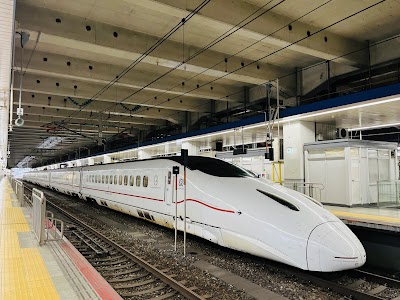
Hakata Station is not a sightseeing stop in the romantic sense, but it is the machine that makes a Dazaifu side trip feel easy. For first-timers, it helps to think of it as Kyushu's front door: trains, food, shopping, and a lot of confident people moving with purpose.
You notice the bakery smells, rolling suitcases, and the very specific pressure of a big Japanese station that rewards decisiveness and punishes daydreaming. Go earlier because the station is simpler before the thicker rush builds, and sort breakfast before platform brain fully kicks in.
Tip: Grab breakfast and coffee here and aim for an earlier departure to avoid the worst of the crowds.
Dazaifu Tenmangu Shrine
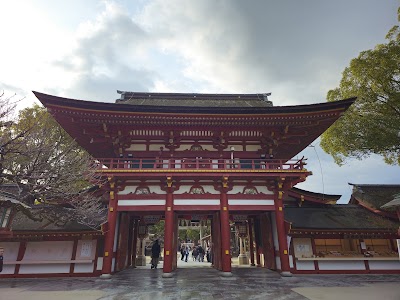
Dazaifu Tenmangu is a major shrine dedicated to learning, and it feels more ceremonial than central Fukuoka almost immediately. The approach street is part of the experience: snack shops, people arriving with purpose, then bridges, stone paths, and prayer smoke once you enter.
It earns the trip because the scale and ritual are bigger than what the city center hints at, even if the place can get quite busy. Morning is the better window here, when the approach is easier to enjoy before more day-trippers and snack strategists flood the scene.
Tip: Arrive early to beat tour groups. Snack as you go and save heavier eating for Fukuoka later.
Komyozen-ji
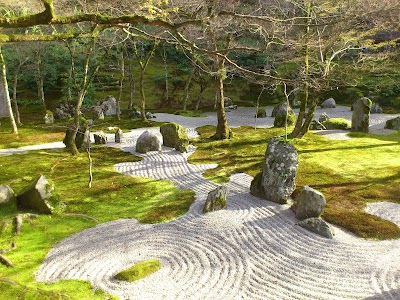
Komyozen-ji is the quieter counterpoint nearby, a small Zen temple where the gardens do most of the talking. After Dazaifu Tenmangu, the contrast is the whole point: moss, gravel, filtered light, and a hush that feels almost suspiciously efficient.
It is not a blockbuster sight, but that subtlety is why it works. Dazaifu stops being only crowds and souvenir appetite. Visit after the shrine because you feel the calm more clearly, and clean socks are not a ridiculous idea if shoes come off.
Tip: Go right after lunch before crowds drift in. It is a short walk from the shrine, and you may need to remove shoes, so wear clean socks.
What to book ahead
- Check last train/subway times (Day 1 afternoon) - Useful for planning yatai timing and getting back smoothly after dinner.
- Confirm observation deck hours (Day 2 morning) - Sunset timing and closing hours vary by season and day of week.
- Plan Dazaifu transit window (Day 3 morning) - Leave earlier if you want quieter shrine grounds and less crowded approach-street browsing.
What to pack
Essentials
- Light jacket or windbreaker - Autumn evenings by the river and coast can feel chilly, especially at viewpoints.
- Comfortable walking shoes - You will do long, continuous walks in parks, shrine grounds, and covered arcades.
- Small cash wallet - Yatai and market snacks often move faster with cash.
- Reusable tote bag - Handy for market purchases and packaged snacks without needing extra shopping bags.
Nice to have
- Compact umbrella - Autumn showers are manageable, and covered streets help but do not cover everything.
- Portable charger - Photo-heavy days (tower, parks, shrine) can drain your phone quickly.
Final take
What makes Fukuoka stick is how casually it shifts moods, shrine, arcade, lake, beach, side-trip ritual, while still keeping dinner as the main event.
Plan this trip
Turn this guide into an editable trip plan
Open the route in Instaboard, adjust the stops, and share the itinerary with your travel group.