Travel Guide
3 Days in Furano & Biei: Lavender Fields, Blue Pond & Rolling Hills
Want the editable version of this route?
Open the Instaboard template and adapt stops, timing, and notes to fit your trip.
There's a stretch of Hokkaido where the hills roll in color bands, the ponds are an impossible shade of blue, and half the attractions were accidents nobody planned. Three days here can go sideways fast if you show up at the wrong time, miss the bloom window, or burn half a day on logistics that a rental car would've solved in twenty minutes.
July is the moment. Peak lavender, the hills are fully painted, and the days are long enough to take things at a reasonable pace without rushing between stops.
Day 1
Day one stays in Furano: the lavender farm that started everything, a cheese factory that earns its reputation, and a forest cabin village that only makes sense after dark.
Farm Tomita
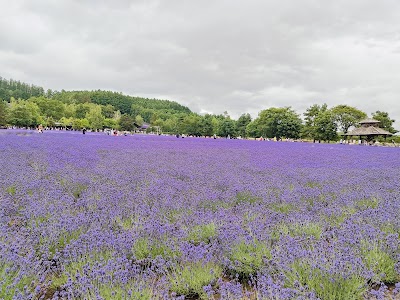
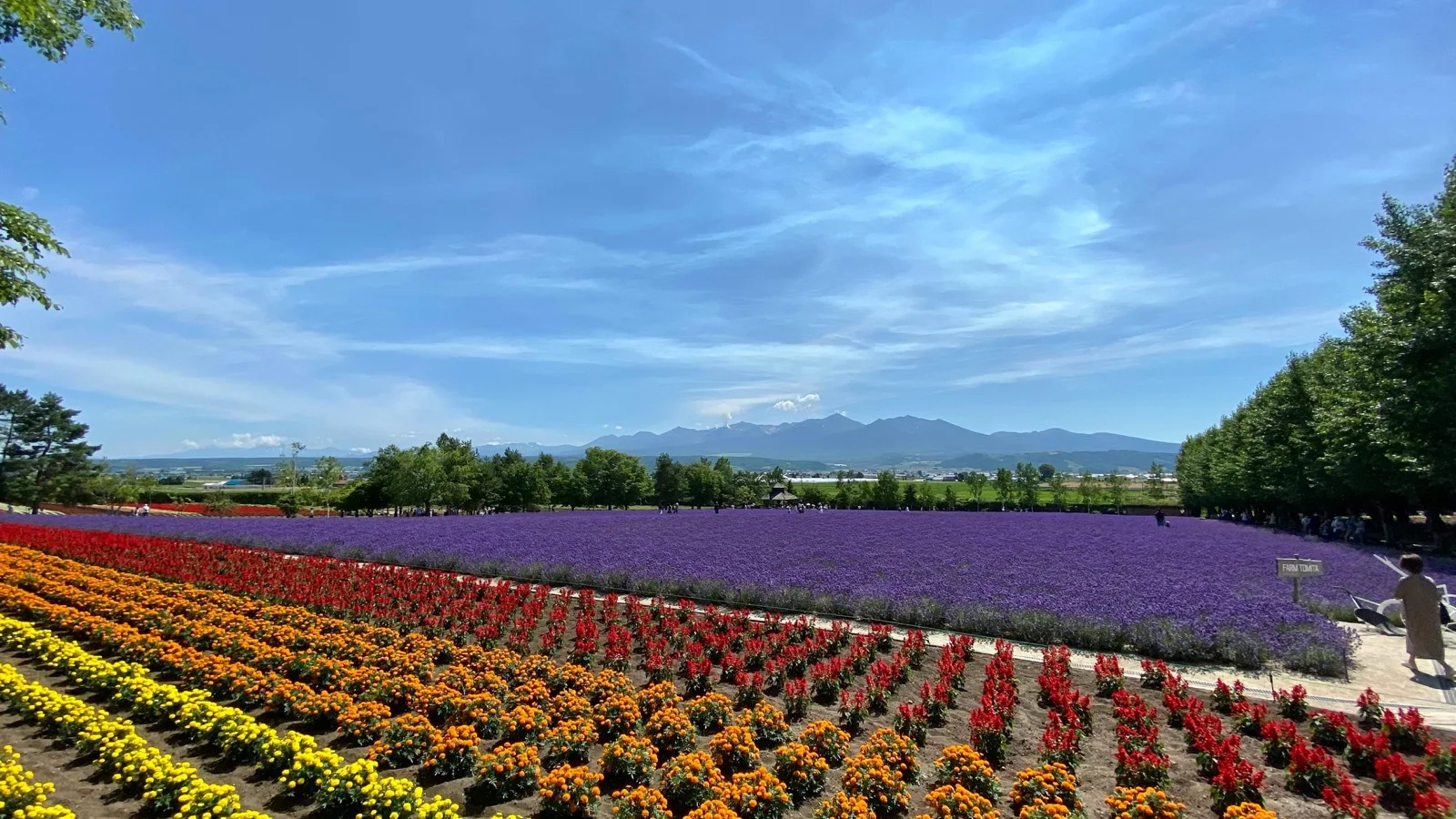
Farm Tomita is the striped-flower-terraces place from every Hokkaido postcard: seven color bands of lavender, poppies, and mustard rolling down a hillside with the Tokachi mountains behind them. The smell arrives before the view does. A warm, dry lavender haze hangs over the entire property. The Irodori Field basically reads like a paint chart dropped onto a hill.
The farm was nearly dead in the seventies because cheap imported lavender oil killed the market. Then a JR Hokkaido calendar photo in 1976 turned it into a national landmark. Show up when they open at nine, because by eleven the tour buses have landed and the terraces turn into a crowd exercise. The lavender soft-serve near the gate is the one tourist cliché here that genuinely delivers.
Tip: Arrive early to beat the midday crowd at Farm Tomita. The rainbow-striped flower terraces are most photogenic in soft morning light, and the signature lavender soft-serve near the main gate is worth the stop.
Furano Cheese Factory
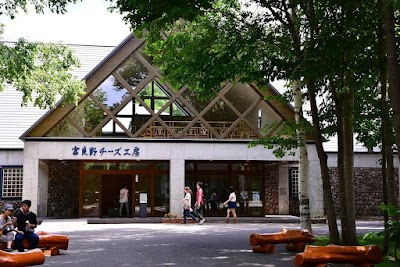
A quick drive from Tomita gets you to the Furano Cheese Factory, a working production facility where Hokkaido's dairy reputation is very much earned. Hokkaido is Japan's dairy heartland, and Furano's cool climate made it possible to do European-style cheesemaking that the rest of the country couldn't pull off. Their camembert has won national awards.
The warm, slightly sour smell of aging cheese hits you in the hallway, and the free samples are generous enough that you can taste through camembert, gouda, and mozzarella before deciding what to actually buy. You're watching real cheesemakers through viewing windows. The stuff they're making here is sold across Hokkaido. Start with the camembert, because that's the one that built the reputation.
Tip: Sample Furano's award-winning camembert and gouda straight from the viewing-hallway freebies. Hands-on workshops run on weekends, so book in advance if you want to try making cheese yourself.
Ningle Terrace
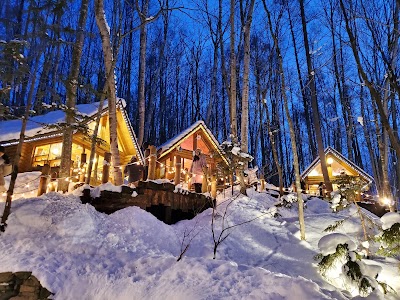
Right next to the New Furano Prince Hotel there's a cluster of fifteen wooden cabins linked by forest paths, and it's called Ningle Terrace, named after a fictional forest wise man from a Hokkaido novel. Each cabin has a different artisan inside: glasswork, woodwork, candles, leather. You can actually watch them make things. It's not imported souvenirs on shelves.
The whole reason to come here is dusk. The path lights switch on and the place goes from pleasant craft shops to something that feels like a Studio Ghibli set. Bring cash, because most stalls don't take cards. Sort out your ride back to Furano Station before dark, because the buses thin out in the evening. Other than that, just wander.
Tip: Visit at dusk when the forest-path lights turn on and the atmosphere shifts into something magical. Bring cash because many artisan stalls don't accept cards, and plan your return transport before dark.
Day 2
Day two shifts to Biei: an accidentally turquoise pond, the waterfall that explains why it's blue, and a drive through crop fields that look like a living quilt.
Shirogane Blue Pond (Aoiike)
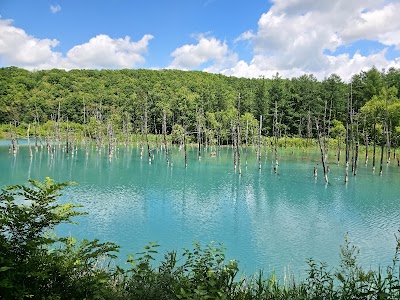
Shirogane Blue Pond is that desktop-wallpaper turquoise you've probably seen. Apple used it as an OS X Mountain Lion background, and it became one of Hokkaido's biggest attractions overnight. The crazy part is nobody planned it. A government dam was built to stop mudflows from Mt. Tokachi, water pooled up, and aluminum-rich runoff from nearby hot springs turned it cartoon-blue.
Dead white birch trunks stand like stilts in electric-blue water against a quiet forest backdrop, and even in person the color almost doesn't look real. Get here in the morning because the blue reads more intense in angled sunlight, and by ten the tour buses from Asahikawa turn the narrow walking path into a bottleneck. Wear real shoes, because the loop gets muddy after rain.
Tip: Visit in the morning when the turquoise color is most vivid in angled light, before tour buses clog the loop trail. Wear proper shoes and bring a warm layer because the highland air stays cool.
Shirahige Waterfall
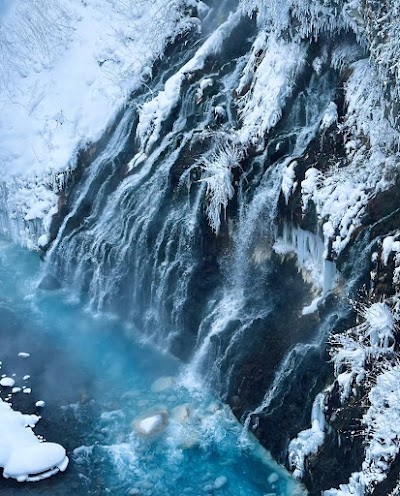
About three kilometers from the Blue Pond there's a waterfall called Shirahige, literally 'white beard,' because thin streams of water fan across dark volcanic rock like threads of white hair. This is where the mineral-rich water enters the river system, so it's the geological reason the Blue Pond is blue. The Biei River below the falls is already turning turquoise.
It's a gentle, dispersed seep rather than a roar, and the white-thread-against-dark-rock contrast is more interesting than most roadside stops have any right to be. Five minutes from the parking lot, no hiking, free, and people cycle through quickly. It stays pleasant even when other spots are crowded. An easy, satisfying stop between the pond and the drive.
Tip: A short walk from the roadside parking leads to the elegant white-thread falls spilling into the vivid blue Biei River. There's no entry gate and it's free, making it a perfect quick photo stop.
Patchwork Road (Biei)
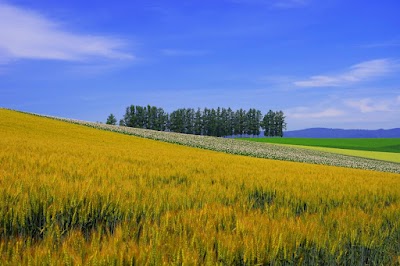
The Patchwork Road is a stretch of rural Biei where rolling hills are covered in working crop fields: wheat, potatoes, sugar beets, canola, each one a different color, arranged like a giant quilt. These aren't gardens planted for tourists. Farmers growing potatoes and wheat accidentally created one of Japan's most photographed landscapes because the color blocks happen to look incredible from the road.
Roll the windows down, slow down, and take in the green-gold-brown panorama. No buildings, no power lines, just crops and sky. The photographer Shinzo Maeda put this place on the map, and there's a gallery in Biei if you want to see why. You really need a car or at least a taxi here, because public buses are sparse and the route is spread across kilometers. If you're cycling, spring for the e-bike. The hills are real.
Tip: Cruise the Patchwork Road at a leisurely pace and take in the multicolored rolling crop fields. Rent a car or take a taxi from Biei town, because public bus service is very limited.
Day 3
Day three goes back to the flowers but from a different angle: a chairlift over lavender, a massive hillside garden with thirty-plus varieties, and a quiet sunset viewpoint most visitors never find.
Nakafurano Hokuseiyama Lavender Fields
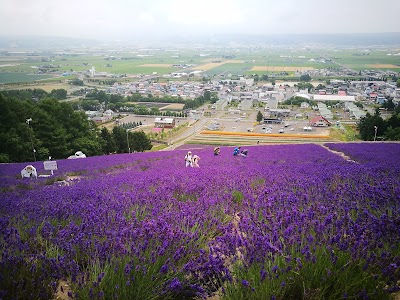
Nakafurano's Hokuseiyama lavender fields sit on what's a ski slope in winter. In summer they run the same chairlift over rows of purple flowers, which is a very Hokkaido solution to dual-use infrastructure. Riding an open-air single chair, feet dangling, drifting slowly above a lavender carpet with the whole Furano basin spread below: it's a different experience from walking through fields at ground level like at Farm Tomita.
At the top you get a full panoramic view of the basin carpeted in green and purple, and the warm breeze carries the lavender scent upward. Because it's a municipal ski area, it feels practical rather than commercial. Come early because the chairlift creates a natural queue. Summer weekends can mean a twenty-minute wait after ten. The lift has no safety bar, so fair warning if you're traveling with kids or anyone uneasy with heights.
Tip: Take the chairlift up Hokuseiyama for sweeping views of the Furano basin carpeted in purple lavender. Buy your lift ticket at the base booth early, because the line grows fast after 10 AM on weekends.
Panoramic Flower Gardens Shikisai-no-oka
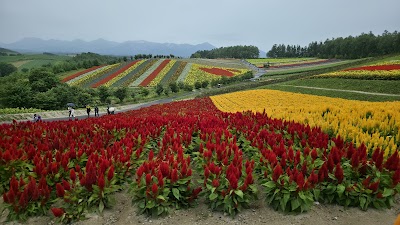
Shikisai-no-oka is the maximalist flower garden: fifteen hectares of rolling hills covered in over thirty varieties, with the Tokachi mountain range filling the background. Ribbon-like bands of lavender, sunflowers, cosmos, and marigolds cascade down the hillside, and because the garden rotates its plantings by season, it actually looks different each time you visit.
Pay the extra for the tractor-pulled wagon ride. It takes you through the upper terraces you can't reach on foot, and the photo angles from up there are the ones that make the garden look the way it does in brochures. Budget more time than you think, because the property is bigger than it looks from the entrance. And if it's overcast, the colors flatten and the mountains disappear, so hope for sun.
Tip: The tractor ride is worth the extra ticket. It covers the upper terraces you'd otherwise miss, and the photo angles from up there are the ones that make the garden look the way it does in brochures.
Asahigaoka Park
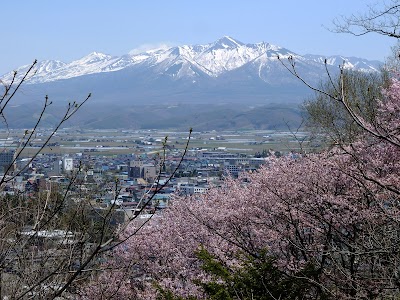
Asahigaoka Park is a small, unassuming hilltop in Furano that locals know and almost no tourists visit, which is surprising, because the panoramic view of the entire valley is one of the best in the area. The whole point is sunset. The Tokachi range catches the last light, the valley below shifts from green to gold, and after three days of flower-field crowds the silence up here is almost disorienting.
It's a genuine community park. No gift shops, no ticket booths, no ice cream stands. Just a hill, a view, and maybe someone walking a dog. Check the sunset time and arrive about thirty minutes early. Bring a layer because the hilltop cools fast once the sun drops, and take whatever you need with you since there's not much in the way of facilities.
Tip: Arrive about thirty minutes before sunset and watch the Tokachi range catch the last light over the entire Furano valley. Bring a warm layer because the hilltop cools fast once the sun drops.
What to book ahead
- Rent a car or book a private driver (2–4 weeks before) - Public transport between Furano and Biei is limited; a car is near-essential.
- Book accommodation in Furano or Biei (1–2 months before) - July is peak lavender season — hotels and pensions fill up quickly.
- Reserve Unkai Terrace tickets (if going) (2–3 weeks before) - Only needed if adding the Tomamu cloud terrace as an alternative stop.
- Check Farm Tomita opening dates (1 week before) - Lavender peak is typically early–mid July; check their website for exact bloom status.
What to pack
Essentials
- Sunscreen SPF 50+ - Open fields and highland sun offer little shade during summer.
- Light jacket or cardigan - Morning and evening temps in the Hokkaido highlands can drop to 15°C even in summer.
- Comfortable walking shoes - Uneven terrain at farms, gardens, and waterfall trails.
- Camera or smartphone with extra storage - Every stop is photogenic — you'll take hundreds of shots.
Nice to have
- Polarized sunglasses - Reduces glare from water surfaces at Blue Pond and enhances flower colors.
- Portable charger - Long days outdoors with heavy GPS and camera use drain batteries fast.
- Insect repellent - Flower fields attract mosquitoes, especially near water and in the evening.
Final take
Three days of lavender fields rescued by a calendar, cheese that rivals Europe, an accidental blue pond, and a sunset over the valley that nobody markets. Furano and Biei stick with you.
Plan this trip
Turn this guide into an editable trip plan
Open the route in Instaboard, adjust the stops, and share the itinerary with your travel group.