Travel Guide
3 Days in Goa: Old Goa Churches, Fontainhas & Beach Hopping
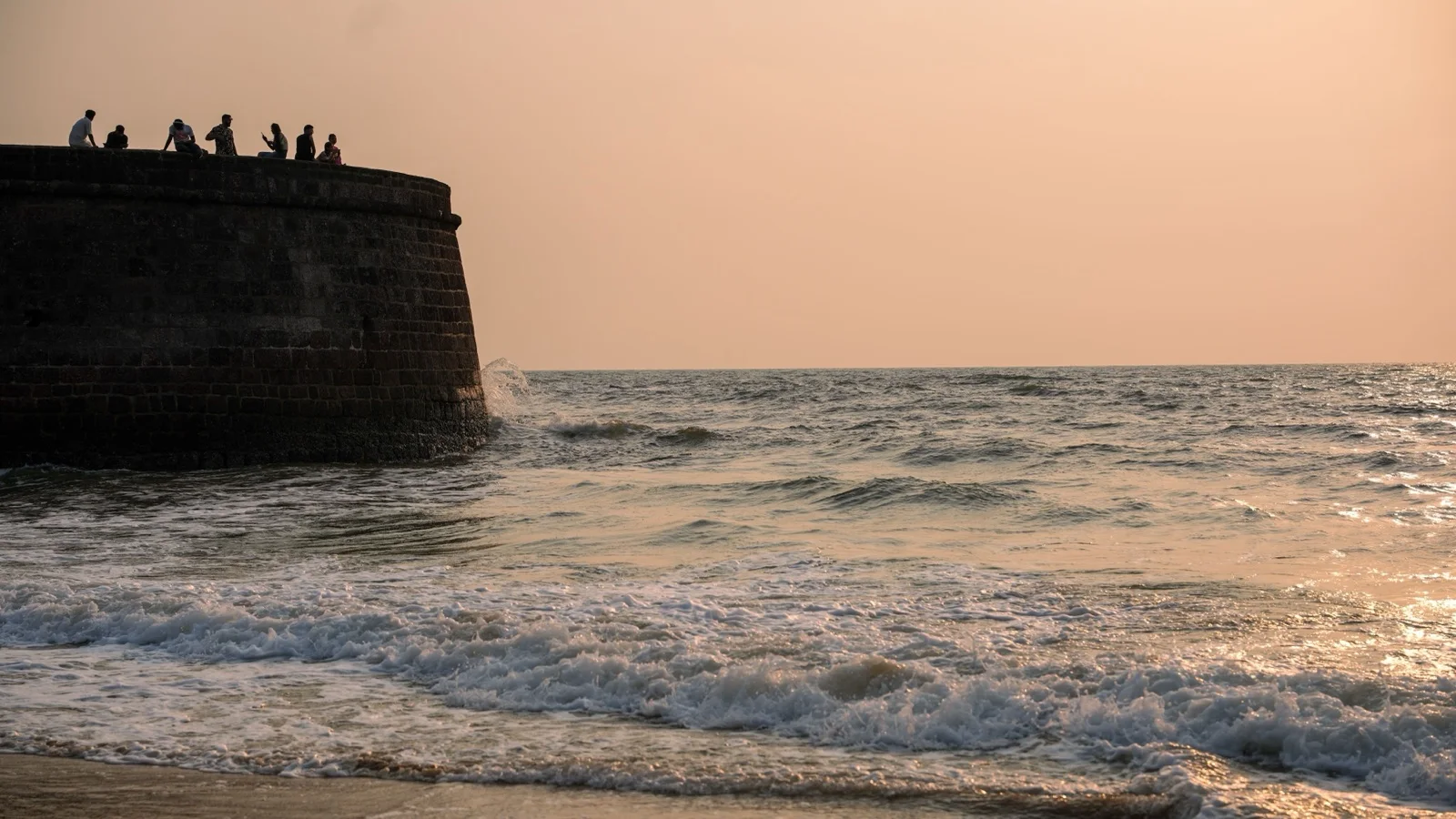
Want the editable version of this route?
Open the Instaboard template and adapt stops, timing, and notes to fit your trip.
So, Goa: India's beach state that spent 450 years as Portuguese territory, and somehow both halves are still fully on display. Three days here can genuinely cover old cathedrals, Latin Quarter lanes, and proper beach time, as long as you don't waste them on bad timing and wrong guesses.
Winter is the smart window. November through February gives you sunny days, calm seas for actual swimming, and cool evening breezes; just expect weekend crowds at the churches and beach shacks.
Day 1
Day one is the Portugal half: churches with serious history, then a neighborhood that looks lifted straight from Lisbon.
Basilica of Bom Jesus
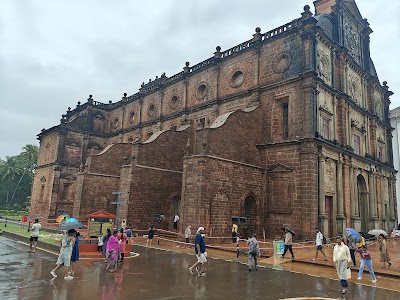
Start at the Basilica of Bom Jesus, a late-1500s church and the reason Old Goa exists at all. The main draw is a silver casket holding St. Francis Xavier, the Jesuit founder who died en route to China, and pilgrims have been coming ever since.
The outside was never plastered, so instead of the white wedding-cake look you get raw red-brown laterite. Inside it is worn stone floors and a cool, dark hush. Come for the 9 AM opening, because by eleven you're viewing the casket over a wall of shoulders. Cover shoulders and knees.
Tip: Arrive at the 9 AM opening to beat tour-bus crowds; entry is free, shoulders and knees must be covered, and the relics draw long queues by late morning.
Se Cathedral
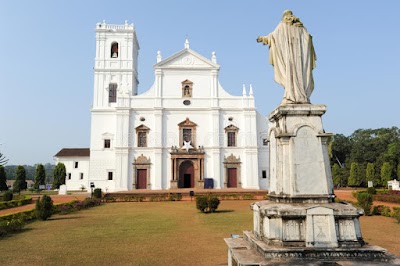
Then cross the lawn, because Se Cathedral stares down the Basilica from two minutes away, and it is one of the largest churches in Asia. Old Goa was a Portuguese capital so grand they called it the Rome of the East, and this is the scale proof.
The interior swallows tour groups whole: high ceilings, soft filtered light, and the particular silence only genuinely huge rooms produce. It's quieter in here than next door, since most tours linger at the relics. Just don't come Sunday mid-mass, when visitor entry pauses.
Tip: It's a two-minute walk across the lawn from the Basilica; step inside before 11 AM to catch soft light on the Golden Bell, and note that visitor entry pauses during Sunday mass.
Fontainhas
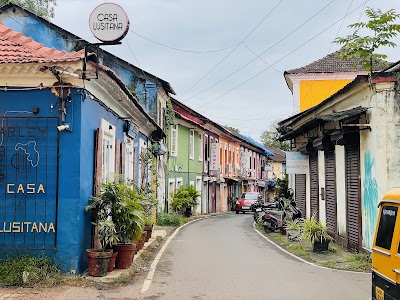
Afternoon shifts to Fontainhas, Panaji's Latin Quarter: lanes of indigo, ochre, and terracotta houses that exist nowhere else in Asia. Goa was Portuguese for roughly 450 years, longer than Bombay was British, and these 19th-century facades are the receipt.
People still live in these postcards. Laundry lines and scooters share the frame with azulejo tiles, plus tiny bakeries pulling warm poi bread from the oven. Winter's low, golden afternoon light makes these walls look their best, so start from the Adil Shah Palace Gateway end and carry cash for bebinca.
Tip: Take a taxi or scooter to the Adil Shah Palace Gateway and walk the loop of indigo-and-ochre lanes from there; heritage bakeries open by 9:30 AM, so carry cash for warm bebinca and poi straight from the oven.
Day 2
Day two goes north: a hilltop fort, then a beach afternoon that ends somewhere loud.
Fort Aguada
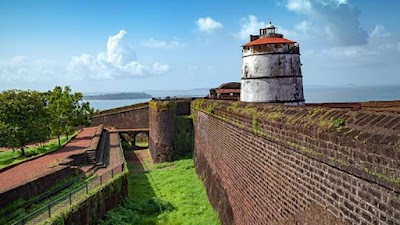
Fort Aguada is a 17th-century Portuguese fort guarding the Mandovi river mouth, and its whole point was fresh water. The name literally means water: the spring here was so reliable that passing fleets stopped to fill barrels. Most forts are about cannons; this one's about logistics.
You get open sky, sea wind on the ramparts, and the best sea panorama of the day from the headland. Be up there by 9:30, because the ramparts are fully exposed and the Calangute-bound bus wave arrives soon after. Bring a hat.
Tip: Arrive by 9:30 AM before the crowd thickens; a small ticket covers the lighthouse and rampart walk with sweeping Arabian Sea views, and the lower-fort gate near Sinquerim is a separate stop if you want the beach below.
Candolim Beach
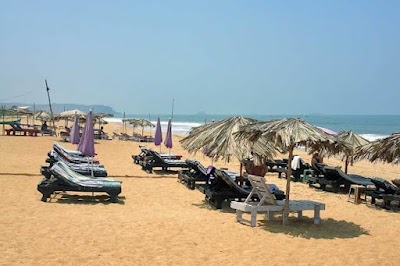
Next stop down the coast is Candolim, the calm, orderly version of the north-Goa beach day. Look north along the flat sand and you can see Fort Aguada's headland, so the day's geography connects itself.
Here's the shack system every first-timer misunderstands: order a grilled fish and the sunbed is effectively free. That's Goa's most honest real-estate transaction. Afternoon is the point, with calm, flagged swim zones and the sea at its swimmable best. Swim between the lifeguard flags.
Tip: Claim a sunbed at any shack (free with a food order), then walk the long flat shoreline toward the Aguada headland; most shacks take card but cash still helps, and lifeguards flag the safe swim zones.
Baga Beach
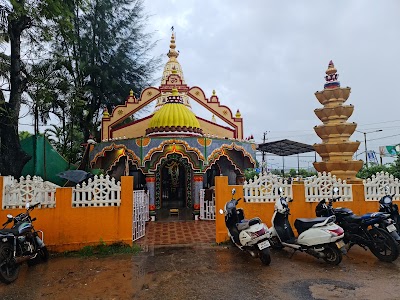
Evening is Baga Beach, because this is the beach every non-traveler pictures when you say Goa: jet skis, beach clubs, a creek slicing the sand in half. It grew from fishing village to party institution, and it's not 'authentic Goa'. It's Goa's main stage, and the crowd is the attraction.
The energy builds after 4 PM: jet-ski engines, competing sound systems, henna and prawn aromas, and the sky going orange over all of it. If you're mounting anything with an engine, agree the price in cash first. Then stay for sunset and a shack dinner as the night crowd rolls in.
Tip: The creek and beach-club energy build after 4 PM; prebook any water-sports package in advance, negotiate jet-ski prices and pay cash, and stay for sunset plus a shack dinner as the night crowd rolls in.
Day 3
Day three is haggling, hammocks, and one last climb. This is the hippie half of Goa.
Anjuna Flea Market
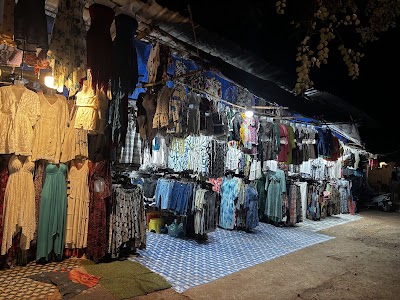
Morning is the Anjuna Flea Market, the long-running Wednesday market where Goa's hippie-era trading culture still runs at full volume. This grew from foreign travellers trading goods on Anjuna's sands decades ago, the commercial remnant of the scene Goa's whole backpacking mythology was built on.
You're not browsing, you're negotiating. The sticker price is a rumor, so open at roughly half. Confirm it's actually Wednesday before you go, because any other day finds no market at all. Carry small cash notes and keep your bag in front.
Tip: The flea market runs on Wednesdays, so confirm before you go; arrive by 10 AM to beat heat and crowds, bargain from half the asking price, and carry cash since stalls rarely take card.
Ashvem Beach
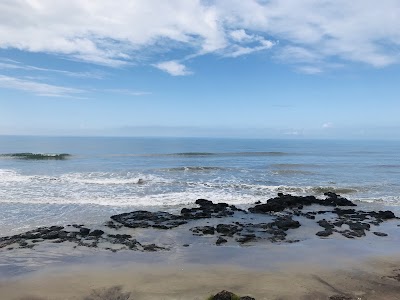
Afternoon is Ashvem, the north coast's counterargument to last night, where someone turned the volume knob back down. Casuarina groves run right down to the sand, so you can actually escape the sun without leaving the beach, which is rare in Goa.
It's quieter here partly because this coast is a turtle-nesting stretch, so development stayed lower and slower: wind through the needles, grill smoke, almost no speakers. Claim a casuarina-shaded sunbed early on weekends. Weekdays in peak season can feel almost private; mind the rocky patches where you wade.
Tip: A calm, upscale counterpoint to Baga: settle into a casuarina-shaded sunbed and swim between the flagged zones; keep small cash notes for the beach-shack grill, as weekends fill up by noon while weekdays feel near-private.
Chapora Fort
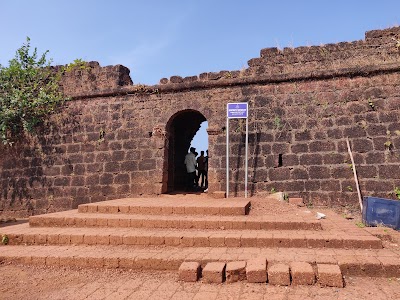
Finish at Chapora Fort, early-1700s Portuguese ramparts above the Chapora River, and the classic sunset finale of any north-Goa day. This is the fort from Dil Chahta Hai; for a generation of Indian travelers, the movie came first and the history second.
It's a ten-minute unshaded climb, then the sea breeze hits and the crowd goes quiet almost on cue: river, ocean, two coastlines, all at once. Arrive an hour before sunset, because the gate closes soon after the sun does. Wear real shoes for the descent in fading light.
Tip: Park at the base and take the ten-minute uphill walk to the 1717 ramparts; the gate closes soon after sunset, so arrive an hour early to claim a spot before the crowd.
What to book ahead
- Book stays in the Candolim-Vagator belt (4-6 weeks ahead) - Winter (Nov-Feb) is peak season and the best rooms sell out first.
- Reserve the Mandovi sunset cruise slot (1 week ahead) - Weekend decks fill fastest; screenshot your e-ticket for the jetty gate.
- Prebook the Chorao kayak tour if swapping a beach day (1 week ahead) - Permits, tide timing, and boats are all operator-arranged in advance.
- Confirm scooter or taxi-plus-driver for Days 2-3 (A few days ahead) - Check helmet condition and carry your home driving licence.
- Reserve dinner shacks for weekend nights (2-3 days ahead) - Baga and Ashvem shacks turn walk-ins away when the weekend crowd peaks.
- Verify Anjuna flea market day (Day before) - It runs on Wednesdays; shift Day 3 to match if you want it.
What to pack
Essentials
- Reef-safe SPF 50 sunscreen - Winter sun is deceptive; beach days run 5+ hours with strong reflected glare off the sand and sea.
- Quick-dry clothing and swimwear - Daily beach stops plus high humidity mean nothing dries overnight without quick-dry fabrics.
- Flip-flops plus sturdier sandals - Sand at the beaches, cobbled lanes in Fontainhas, and the uphill Chapora Fort walk each demand different footwear.
- Light layer for evenings - Sea breeze after sunset drops comfort levels on beaches and the Mandovi cruise deck.
- Cash in small denominations - Beach shacks, the Anjuna flea market, autos, and tips remain cash-first; card acceptance is patchy.
- Modest cover-up or shawl - Knees and shoulders must be covered to enter Old Goa's churches.
Nice to have
- Water shoes - Rocky patches at Anjuna's coves and Vagator's cliffs are painful barefoot.
- Dry bag - Protects phone and documents on kayaks, jet skis, and ferry crossings.
- Motion-sickness tablets - Winding Anjuna-Vagator roads and boat rides catch many travelers off guard.
- Compact power bank - Navigation and photos run all day with no convenient charging stops on beaches.
- Reusable water bottle - Refills at shacks cut single-use plastic in the heat.
Final take
That's Goa in three days: a Portuguese past and an Indian present sharing the same coastline, and somehow both fully intact.
Plan this trip
Turn this guide into an editable trip plan
Open the route in Instaboard, adjust the stops, and share the itinerary with your travel group.