Travel Guide
Ha Long Bay in 3 Days: Overnight Cruise, Lan Ha Kayaking & Cat Ba Sunsets (Autumn Itinerary)
Want the editable version of this route?
Open the Instaboard template and adapt stops, timing, and notes to fit your trip.
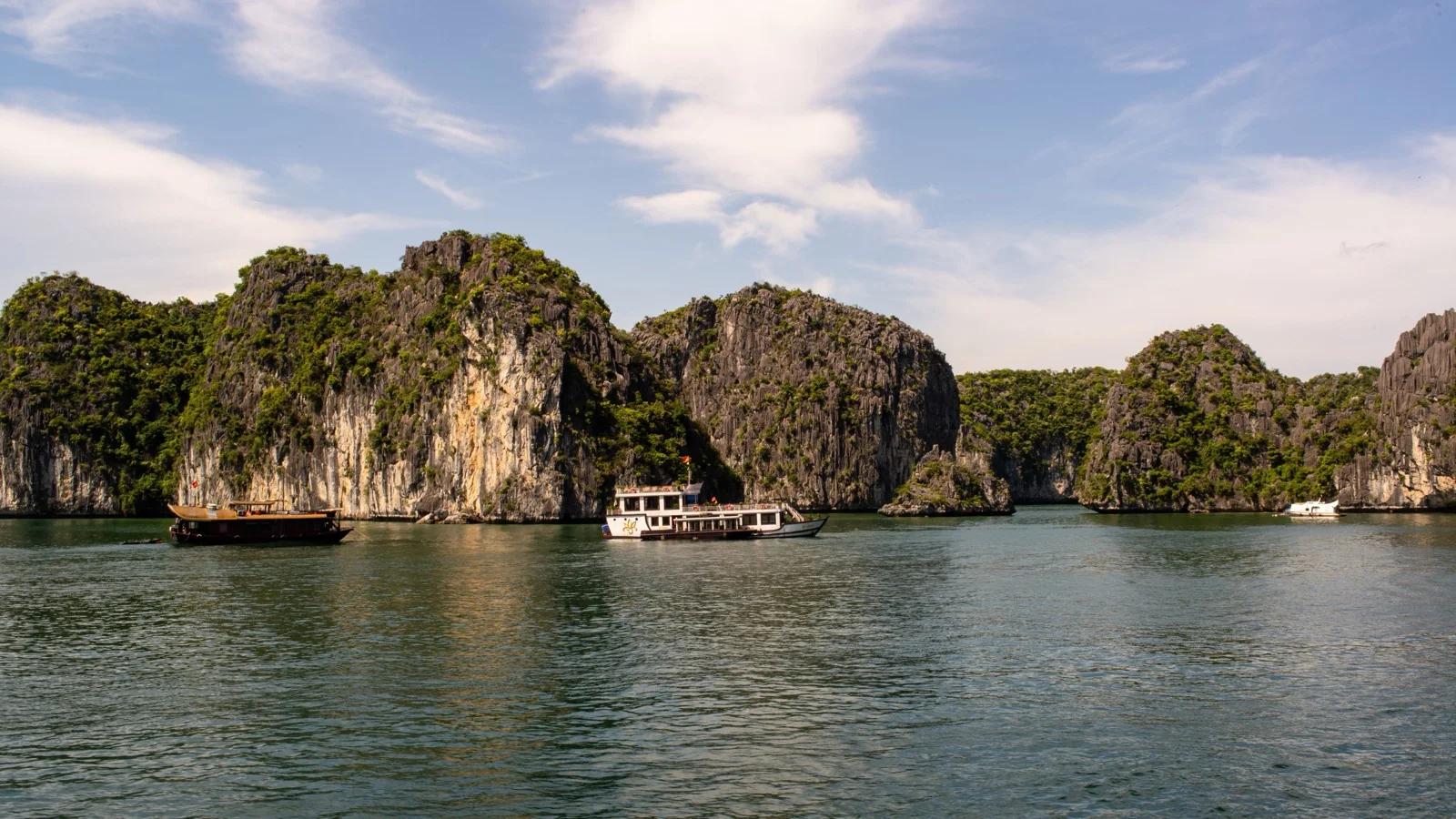
Up in northern Vietnam there's a bay where nearly two thousand limestone islands just stand in the sea, and it's stranger in person. Three days out here can be magic or a crowded boat with a buffet; the difference is mostly timing and choosing the right water.
The trip is really two bays, famous Ha Long and quieter Lan Ha next door, and autumn is prime: calm seas, gold light, thinner crowds.
Day 1
Day one is the classic: board a wooden junk, walk into a cave you could lose a cathedral in, and earn the postcard view on foot.
Tuan Chau Island
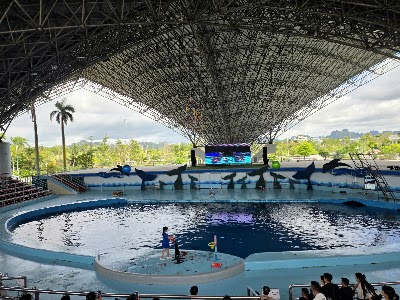
Tuan Chau is the pier island where nearly every overnight junk in the bay boards; nobody's destination, everyone's doorway. So the overture to all that UNESCO geology is a queue: diesel, sunscreen, luggage wheels on planks, hundreds of people already performing holiday.
Most boats board between eleven thirty and twelve thirty, so arrive early, check in, and eat lunch on the pier before the gangway jams. Once the boats cast off, the island empties again, which tells you exactly what it's for.
Tip: Most overnight junks board at Tuan Chau between 11:30 and 12:30; arrive early to skip the check-in line, eat lunch on the pier, and confirm your cabin before the gangway crowd builds.
Sung Sot Cave
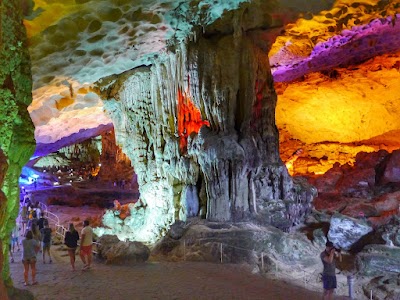
Sung Sot means Surprise, and it's the bay's biggest cave: chambers the size of cathedrals, limestone shaped over hundreds of millions of years. Nature did eons of patient mineral work, then someone added the lighting from a mid-budget sci-fi film. Honestly, both things are true.
The entry steps are slick and the tender runs on your guide's clock, so wear grippy shoes and keep to the schedule. Inside it's cool air and dripping water, and the one-way path swallows tour groups surprisingly well; quiet pockets open between boat waves.
Tip: The bay's largest cave opens into cathedral-sized chambers of stalactites under colored light; tenders dock on a fixed schedule, so follow your guide's timing and wear grippy shoes for the slick steps at the entry gate.
Ti Top Island
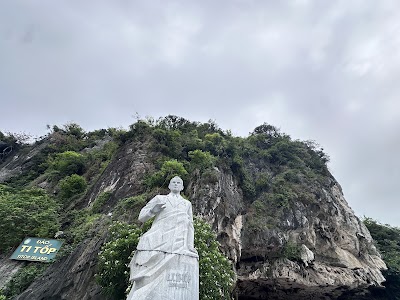
Ti Top is a tiny islet named for the Soviet cosmonaut who visited in the sixties; a beach honoring a spaceman, which is this bay's energy. The brochure shot is real: roughly four hundred stone steps up to a deck, burning calves, sun-warm railings, then wind and a horizon of stone teeth.
Climb while the tour groups are at lunch, because the deck queue is shortest then and the afternoon sun still lights the whole maze. Then the crescent beach below; autumn still keeps the water swimmable, and the shrieking carries all the way up.
Tip: Climb roughly 400 stone steps to the panoramic deck over the karst maze, then swim off the crescent beach below; the viewpoint queue is shortest while most tour groups are at lunch.
Day 2
Day two slows way down: a floating village by rowboat, a farming valley reached by bicycle, and Lan Ha, the calm twin bay south of the crowds.
Vung Vieng Fishing Village
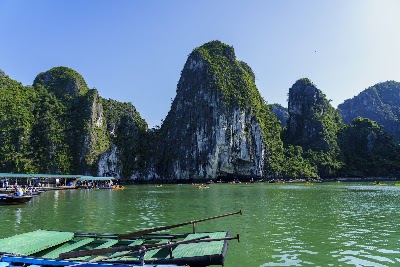
Vung Vieng is a floating neighborhood: houses, pearl farms, daily life, all moored in open water and toured by plank boats the village women row. The bay used to hold many villages like this; most were relocated ashore, which is exactly why the ones still floating stand out.
Keep hands inside the boat near the oyster lines, and bring small bills if a pearl trinket calls your name. Morning is the glassiest: oar creak, drying nets, brine, and somewhere a kid whose school run involves an oar.
Tip: Glide between floating houses and pearl farms in a plank boat rowed by village students; bring small cash bills for pearl trinkets and keep hands inside the boat near the oyster lines.
Viet Hai Village 1
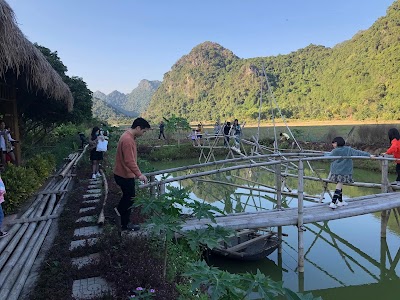
Viet Hai is a farming valley tucked inside Cat Ba's green interior: stilt houses, buffalo, rice paddies, and everything arrives by water. The last mile is pedal power, an e-bike at parade speed past water buffalo who've seen every tourist facial expression there is.
This stop works because it swaps open bay for dirt and wood smoke; after a day and a half of salt air, actual green. One rule only: confirm your return boat time. Miss the last tender and the idyll becomes an unplanned homestay.
Tip: Pedal the flat lane past stilt houses and rice paddies in this car-free valley; the e-bike transfer is usually bundled with the cruise, but confirm the return boat time so you never miss the last tender.
Cát Bà Island
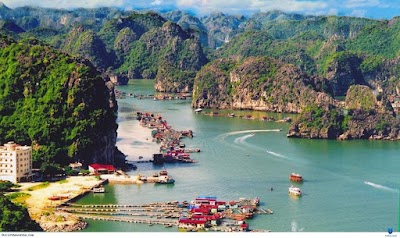
Lan Ha is Ha Long's southern twin. The limestone doesn't stop at the line between the bays, but the boat traffic largely does. You kayak between hushed rock walls with echoes and fish-splash for a soundtrack, on water the color of bottled glass.
Have the cruise prebook the kayaking so paddles and vests are waiting at the transfer, and actually wear the vest; it's deeper than it looks. After yesterday's crowds, the silence out here feels suspicious, like the bay forgot to sell you something.
Tip: The southern archipelago trades crowds for blue-green lagoons and hundreds of hushed karsts; prebook the kayaking session through your cruise so paddles and life vests are waiting when you transfer over.
Day 3
Day three swaps water for jungle, then a rusty hilltop fort at golden hour, and squid on the docks to close it out.
Cat Ba National Park
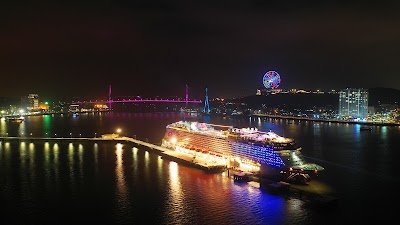
Cat Ba National Park is genuine jungle on the island's ridge: steep forest trails up to the Ngu Lam lookout, and almost no one up there. It's also home to one of the world's rarest primates; hunting cut the Cat Ba langur to a few dozen, so every monkey-shaped leaf becomes a confirmed sighting.
Start early, carry a liter of water per person, and buy your entry at the gate; this is the trip's one truly physical morning. The payoff is a ridge breeze over an ocean of treetops, with a fraction of the bay's traffic below.
Tip: Steep jungle steps climb to the Ngu Lam lookout over the island's green ridge; book the guided trek in advance, buy your ticket at the park gate, start early, and carry a liter of water per person.
Cannon Fort Cat Ba Hotel

Cannon Fort is an old hilltop installation above Cat Ba town: war-era tunnels and rusting gun platforms, now the island's best land viewpoint. The generals chose this hill for its sightlines; tourists agree it's perfect, just for the panorama of Lan Ha instead.
Bring cash for the little entry booth, and a phone torch helps in the unlit tunnels. Time it for the four-to-five window, because that golden hour over Lan Ha is the entire point of this hill.
Tip: Two WWII-era tunnels and gun platforms ring a 360-degree panorama of Lan Ha Bay; the 4-5 pm light is the money shot, and the small entry booth takes cash only.
Hon Gai beach
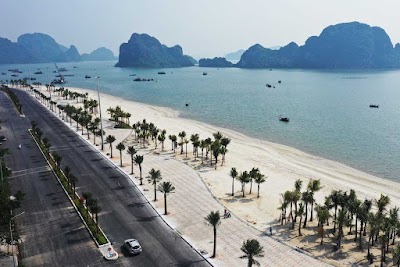
Hon Gai is Ha Long City's workaday half, coal docks and fishing fleets, where dockside stalls grill the squid the boats just unloaded. Charcoal smoke, plastic stools, hulls clattering against the quay; out here the supply chain is literally a window.
Agree the taxi fare from the ferry terminal before getting in, then order by pointing at the ice trays; that's a complete vocabulary. You came for UNESCO geology and you end on a plastic stool, the bay serving its own biography for dinner.
Tip: Dockside stalls grill fresh squid and mantis shrimp while locals slurp sam sun noodles; take a taxi from the ferry terminal, order by pointing at the ice trays, and pay with cash.
What to book ahead
- Book the overnight cruise cabin (3-6 weeks ahead) - Pick a route covering Sung Sot, Ti Top, Vung Vieng, and Lan Ha; autumn sailings fill first. Confirm the Hanoi transfer at the same time.
- Reserve day-two kayaking and the Viet Hai bike stop (At cruise booking) - Ask whether plank boats and e-bikes are included or paid on the spot in cash.
- Book Cat Ba night (if not sleeping aboard) (2-4 weeks ahead) - Stay near the pier for an early national park start on day three.
- Reserve the Cat Ba National Park guided trek (1 week ahead) - Guided walks to Ngu Lam peak need advance booking; pay the park entry fee in cash at the gate.
- Arrange the Cat Ba to mainland ferry or speedboat (1 week ahead) - Check the last departure so day three ends unhurried; taxis queue at the arrival pier.
- Check Sun World and Quang Ninh Museum hours (Before your final day) - The museum usually closes Mondays; cable car lines double on weekends, so prebook online if adding it on.
What to pack
Essentials
- Light layer or windbreaker - Autumn evenings on deck are breezy even after warm afternoons.
- Quick-dry clothes and swimwear - Daily kayak and beach stops with no laundry aboard.
- Grippy water shoes - Slick cave steps, tender ladders, and rocky beach entries.
- Dry bag - Keeps phone and passport safe during plank-boat and kayak transfers.
- Reef-safe sunscreen - Full days of reflected sun on open water.
- Small VND cash bills - Floating village stalls, park gates, and Cannon Fort entry are cash only.
- Power bank - Cabins have limited outlets and jungle day-trips have none.
Nice to have
- Motion sickness tablets or bands - Overnight anchorage can roll gently in autumn swells.
- Waterproof phone pouch - For kayak and tender shots without risk.
- Compact binoculars - Spotting Cat Ba langurs and sea eagles from the deck.
- Light rain shell - Occasional short autumn showers between clear spells.
Final take
However long you stay, what sticks is the same image: stone islands standing in green water, going nowhere, in no hurry at all.
Plan this trip
Turn this guide into an editable trip plan
Open the route in Instaboard, adjust the stops, and share the itinerary with your travel group.