Travel Guide
Hakodate 3-Day Itinerary: Night Views, Star Forts & Harbor Seafood
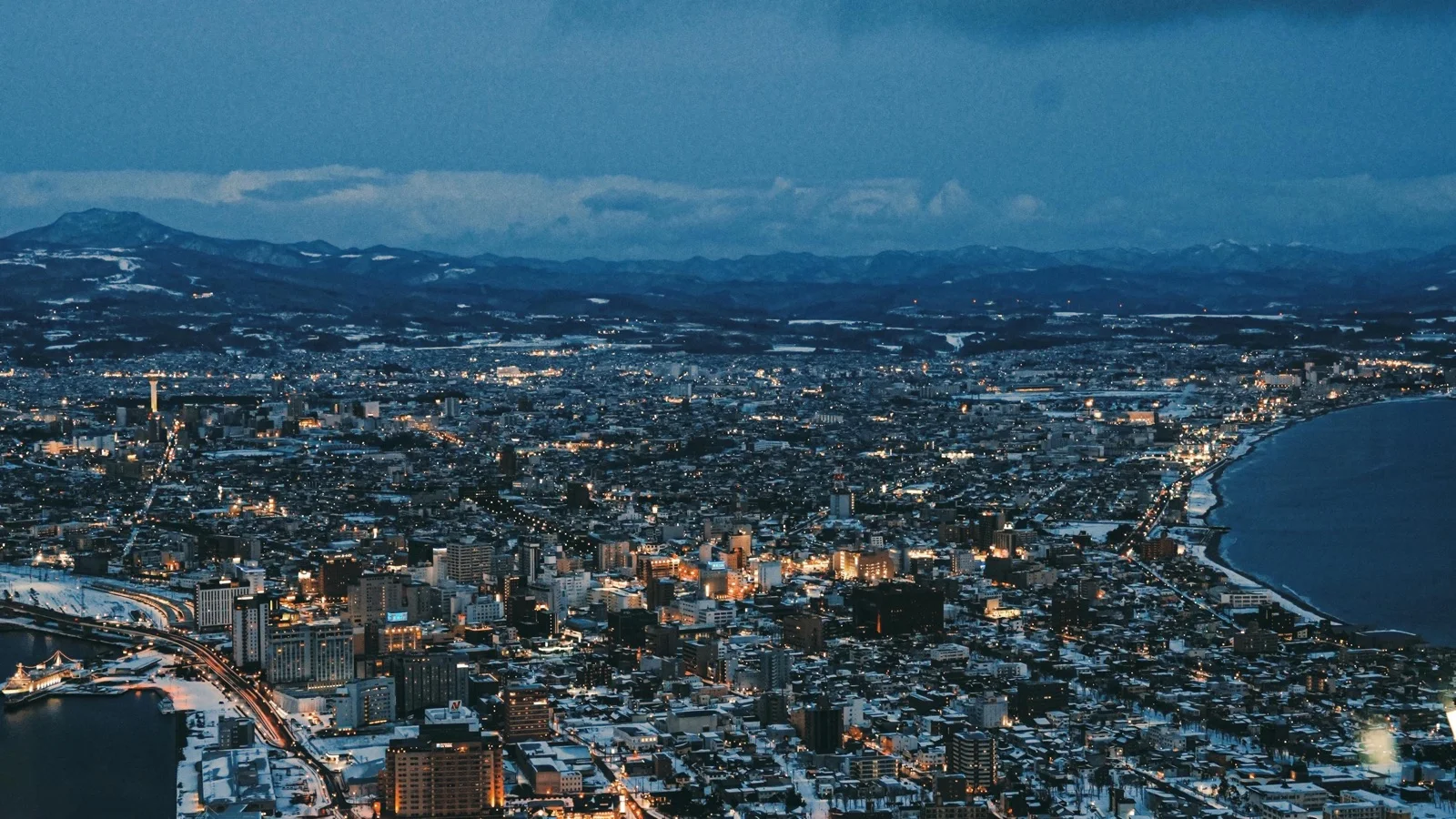
Want the editable version of this route?
Open the Instaboard template and adapt stops, timing, and notes to fit your trip.
Hakodate is a small port city at the southern tip of Hokkaido where the seafood is still moving, the cobblestone streets photograph themselves, and the night view from the mountain is the kind of thing Japan puts on its official list. Three days here is enough to eat extremely well, see a star-shaped fortress from above, and soak in a hot spring five minutes from your departure gate, as long as you time the big moments right.
Hakodate rewards every season differently: cherry blossoms over the star fort in May, cool harbor air in summer, fiery maples in November, or snow on the cobblestones and a hot spring waiting at the end of the day.
Day 1
Day one is squid at dawn, a cobblestone slope that frames the bay like a painting, and then the city from above at night. That night view is the whole reason most people come to Hakodate in the first place.
Hakodate Morning Market Square
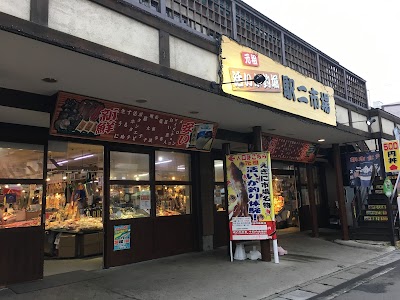
Hakodate Morning Market sits right next to the train station, with roughly 250 stalls and tiny restaurants dealing in crab, sea urchin, and the city's signature catch: squid. This is a real working fish market, not a tourist construct. The squid on your plate is the local economy.
One specific restaurant, Ikkatei Tabiji, serves the dancing squid rice bowl: soy sauce hits the tentacles and they writhe. It sells out by midday. Get there by seven, bring cash, and walk the aisles before you commit to a stall, because some of them charge tourist prices for the same crab you will find cheaper two rows over.
Tip: Arrive before 8 AM to watch vendors prep the freshest crab and sea urchin. The dancing squid rice bowl sells out by midday.
Hachiman Zaka Slope
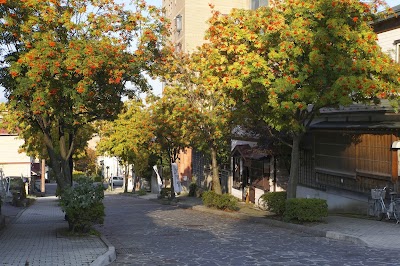
From the market, climb into Motomachi, the old foreign consulate district. The standout is Hachiman Zaka, a stone-paved slope that runs straight downhill to the bay. It is one of Japan's most photographed streets because the cobblestones and the vanishing-point framing do all the compositional work for you.
Late afternoon is when it clicks. Golden-hour light hits the stones and the water opens up below as you walk down. A couple of the parallel slopes, Motoi-zaka and Daisan-zaka, give you nearly the same look with almost nobody around, which is worth knowing because Hachiman Zaka itself gets tight with tour groups.
Tip: Walk the stone-paved slope in late afternoon for golden-hour light on the cobblestones with Hakodate Bay framed perfectly below.
Mt.Hakodate Ropeway
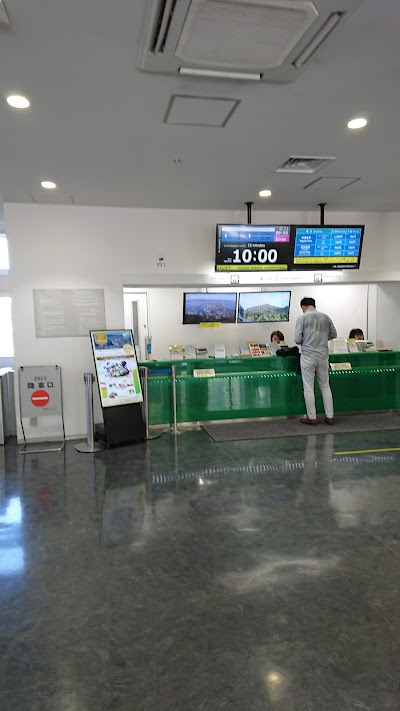
Hakodate's main event. The ropeway takes you up Mt. Hakodate to look down on a city squeezed between two bodies of water, the Tsugaru Strait and Hakodate Bay. At night, that thin strip of land glows like dropped jewelry. The shape is what makes it. From above, the city looks like a string of lights laid on black velvet, and that geographic profile is genuinely unique among Japanese city overlooks.
Ride up before sunset so you watch the transition from golden hour into full darkness. The view changes minute by minute and going too late means missing the best part. Check the live visibility before you head to the base station, because fog rolls in fast here and a whiteout summit is an expensive gondola ride to a wall of nothing.
Tip: Ride the last ropeway car before sunset so you catch the sky transitioning from golden hour to the glittering night panorama, one of Japan's Top Three Night Views.
Day 2
Day two is Hakodate's history day. You will walk through a star-shaped fortress from the inside, climb a tower that finally reveals the shape, and wind down at century-old warehouses on the bay.
Goryokaku Park
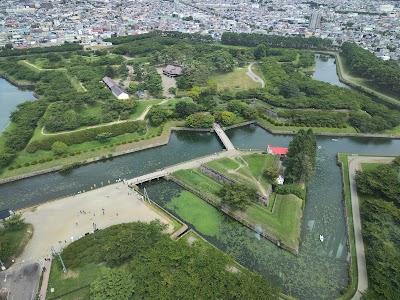
Goryokaku Park is a massive star-shaped Western-style fort built in 1864, Japan's first, surrounded by a moat and now used as a public park with walking paths along the ramparts. This is where the last battle of the Boshin War ended in 1869, effectively closing the samurai era. The history is real and the fort's designer modeled it on European military architecture.
From inside the park, you cannot see the star shape at all. It just feels like a pleasant green loop with a moat, which is fine because the tower next door is the reveal. Walk the moat path clockwise for the best angles on the walls. If you are here in May, the cherry blossoms lining the banks turn the whole thing pink.
Tip: Enter through the main gate and follow the moat path clockwise for the best angle on the star-shaped walls and cherry blossoms in season.
Goryōkaku Tower
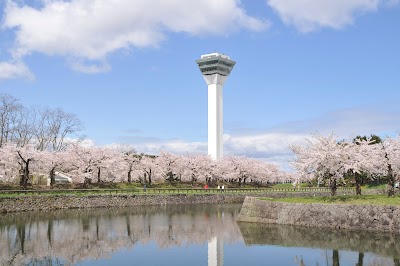
Goryokaku Tower stands 107 meters tall right outside the fort, because the whole point is looking straight down at the star you just walked through. The elevator zips you up and the view hits immediately: a five-pointed star outlined by water, framed by city grid and mountains. Snow on the moat in winter actually makes the shape even sharper.
You can buy discounted tickets at any 7-Eleven in town beforehand, which saves you the ticket-counter queue and gets you a small discount. The tower itself does not do advance reservations. The observation deck has exhibits on the Boshin War and the Battle of Hakodate, the last stand of the samurai. The cafe sells star-shaped gelato, because of course it does.
Tip: Buy the observation-deck ticket at a 7-Eleven in town beforehand to skip the weekend queue and get a small discount on the iconic star-fort bird's-eye view.
Kanemori Red Brick Warehouse
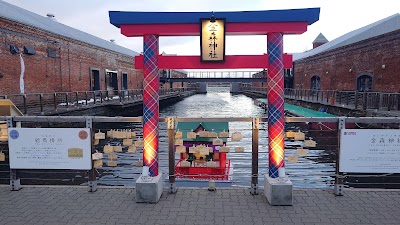
Kanemori Red Brick Warehouse sits on the bayfront, four connected buildings from 1909 that survived as a trading-port relic while most Japanese cities demolished theirs. A merchant named Kumashiro Watanabe built these to store goods moving through one of Japan's first international ports. He was one of the 'four heavenly kings of Hakodate,' which is a real local title, not marketing.
Evening is when it comes alive. The brick facades glow warm under lights, the quay reflects in the water, and the whole thing feels like a wind-down that was designed by accident. Just know that shops start closing around 19:00, so if you want the beer hall inside the History Plaza wing, get there by 18:00 or you will be staring through locked doors at a very nice interior.
Tip: Visit after dark when the restored facades glow along the quay. Shops close by 19:00 so check opening hours beforehand.
Day 3
Day three leaves the city behind. You will see a volcanic lake with over a hundred tiny islands in the morning, and soak in a hot spring near the airport before you fly home.
Onuma Quasi-National Park
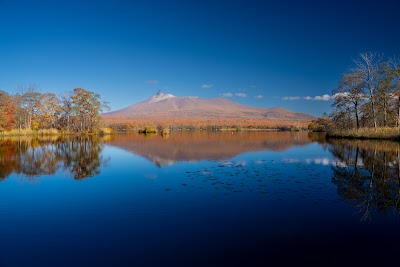
Onuma Quasi-National Park is a thirty-minute train ride from Hakodate Station, and it feels like a different country. A lake created by a volcanic eruption is dotted with 126 small islands linked by footbridges. Most of those islands are just a few trees on a rock, but the cumulative effect is a lake that looks archipelagic. Mt. Komagatake's volcanic cone looms behind it all, and on a calm morning it reflects perfectly in still water.
Three hours is enough to walk the main circuit at a comfortable pace. You cover the bridges between islands on foot, and you can rent a bicycle at the visitor center if you want more range. The name 'quasi-national park' sounds like a consolation prize, but it is an official Japanese designation for landscapes of national significance. The lake earned its place, even if the label undersells it.
Tip: Take the resort bus from Hakodate Station (40 min) and rent a bicycle near the visitor center to hop between the 126 small lake islands on walking bridges.
Yunokawa Onsen
Yunokawa Onsen is one of Hokkaido's three great hot-spring districts, and it sits five minutes from the airport. The last thing you do in Hakodate can be soaking in an open-air bath before your flight. The springs have been drawing people since 1653, when a Matsumae clan lord was reportedly cured of illness here. The Ainu named it 'hot water river' centuries before that.
Many ryokan offer day-use private baths you can book online through the Yunobura website. Book at least a day ahead, because walk-in options are limited and some places do not offer them at all during peak season. Between December and May, the adjacent botanical garden has snow monkeys soaking in their own hot spring, which is either a bonus or the main event depending on your priorities.
Tip: Reserve a private open-air bath for a 60-minute soak. Many ryokan offer day-use plans if you prebook online, and it is just five minutes from the airport.
What to book ahead
- Reserve Mt. Hakodate Ropeway sunset slot (3-5 days before) - Sunset cars fill up fast in peak season; book online via Hakodate Ropeway official site.
- Book Yunokawa Onsen private bath (2-3 days before) - Day-use rotenburo plans at ryokan like Yukura require advance reservation.
- Purchase Goryokaku Tower observation ticket (1-2 days before) - Online tickets let you skip the ticket counter queue on busy weekends.
- Check Lucky Pierrot operating hours (Day of visit) - Some branches close irregularly; Ekimae branch near the station is the most reliable.
What to pack
Essentials
- Warm layered jacket - Sea winds make evenings chilly even in summer, especially on the ropeway summit.
- Comfortable walking shoes - Cobblestone slopes in Motomachi and lakeside trails at Onuma demand good footwear.
- Portable battery pack - Long photo sessions at night viewpoints drain phone batteries fast.
Nice to have
- Tripod or phone clamp - Essential for sharp night shots from Mt. Hakodate's observation deck.
- Swimsuit - Needed for onsen day-use plans at Yunokawa if the facility requires it.
- Cash in small bills - Many market stalls and small temples are cash-only.
Final take
Hakodate is a city that punches well above its size. Dancing squid, a mountain night view that Japan officially ranks, and a hot spring next to the departure gate. Not many places nail all three.
Plan this trip
Turn this guide into an editable trip plan
Open the route in Instaboard, adjust the stops, and share the itinerary with your travel group.