Travel Guide
Hakone 3-Day Itinerary: Onsen, Fuji Views & Volcanic Valleys
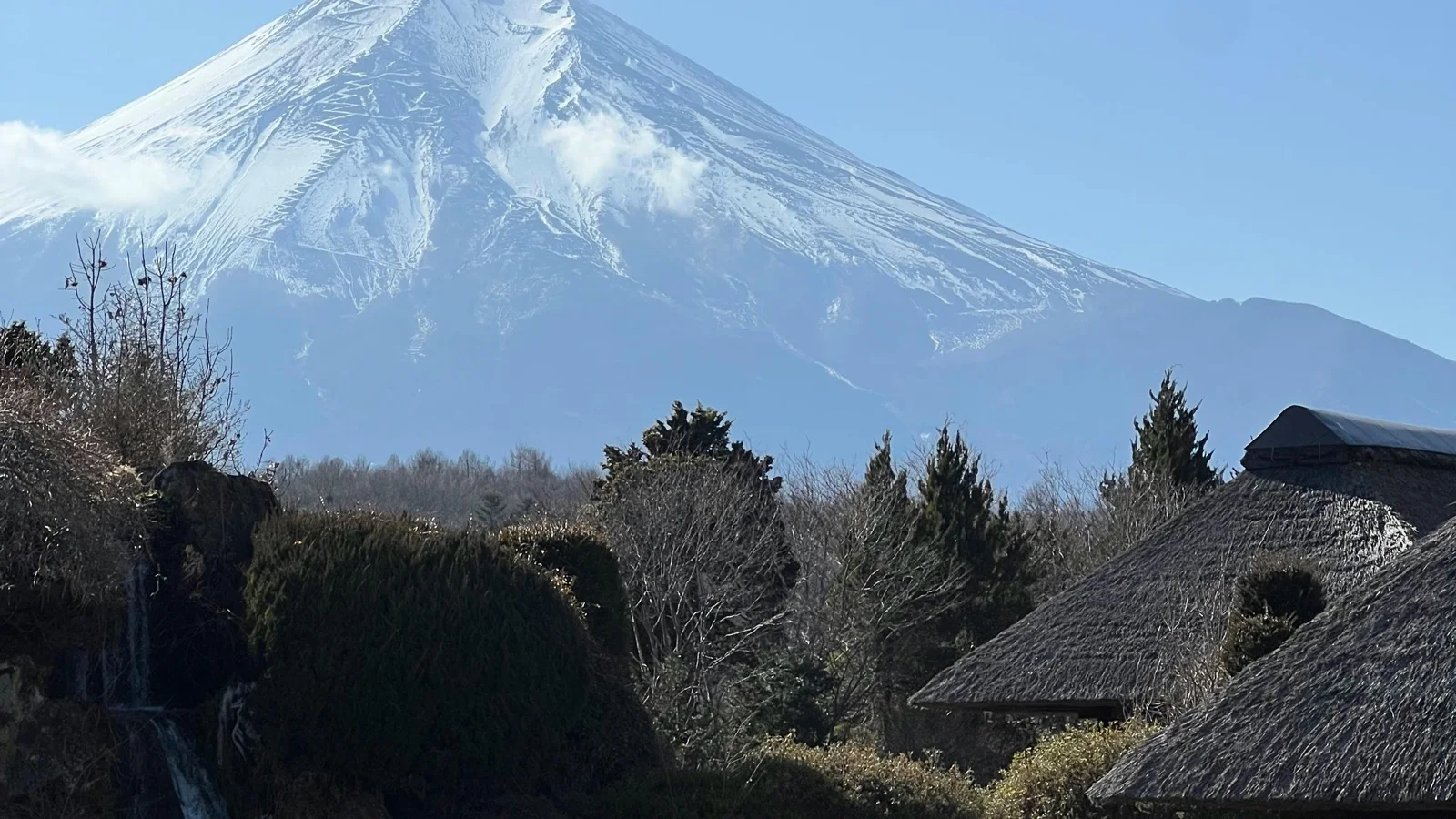
Want the editable version of this route?
Open the Instaboard template and adapt stops, timing, and notes to fit your trip.
Hakone is the Tokyo escape where volcanoes and hot springs look as good as the photos promise. Three days here either feel like a perfect loop of sulfur and shrines, or like you stood in ropeway lines the whole time. Timing matters.
Hakone works year-round. Winter clears the air for Fuji views. Spring brings blossoms. Fall is foliage. Pick your mood.
Day 1
Day one is the soft landing. Town, art, then hot springs before you even realize the trip has started.
Yumoto
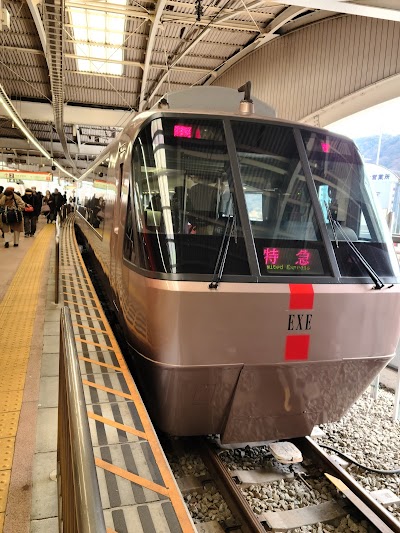
Yumoto is where you get off the train and Hakone has already started. Morning mist off the river, faint sulfur in the air, shopkeepers setting out steamed buns. Slow down and you get the place almost to yourself.
This is one of Hakone's original hot spring districts, welcoming travelers since they arrived on foot. Start here because this is the calm before everything ramps up. Buy your Hakone Freepass at the station if you have not already.
Tip: Arrive early to explore the traditional shops and sample local sweets before midday crowds descend on this charming gateway town.
The Hakone Open-Air Museum
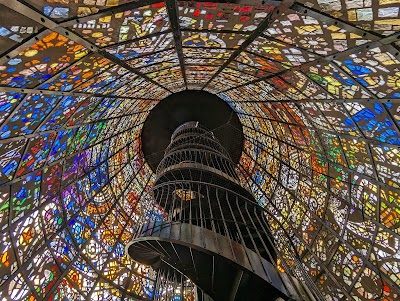
A short walk up the hill and you are at the Open-Air Museum. Where else do you soak your feet in hot spring water surrounded by Picassos? Rodin, Moore, a Picasso pavilion. The symmetry is perfect: art you walk around next to water you sit in.
The foot bath is free with admission. You came for the sculptures, but you will remember the foot bath, and that is fine. Book tickets online to skip the entrance queue. Weekends bring tour groups and art classes, so weekdays are better.
Tip: Book tickets online in advance to skip the entrance queue at this outdoor sculpture museum featuring works by Rodin and Picasso.
Hakone Gora Onsen Family Scent
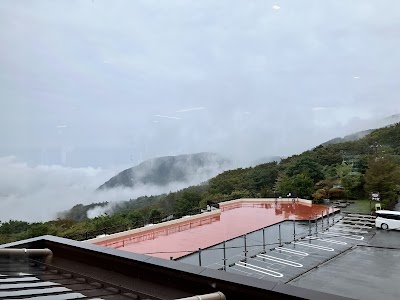
Gora is where Hakone's hot spring reputation lives. Multiple sources, different mineral profiles. The smell announces itself before you see the baths. Thick mineral scent, water that feels softer on skin, steam curling off outdoor baths. Sulfur is the point, not the problem.
Evening is when this makes sense. After the day's walking, your body earns it. Outdoor baths in cold air, and the contrast is the appeal. Reserve day-use slots in advance, especially on weekends. Gora shuts down early, so plan dinner before or after.
Tip: Reserve your onsen time slot before arrival to guarantee entry at these sulfur-rich thermal baths with mountain views.
Day 2
Day two is the volcanic centerpiece. Steam vents, the ropeway, and the torii gate in the lake. The stuff you came for.
Owakudani
Owakudani is what active geology looks like. Steam vents, cracked yellow-stained ground, eggs boiled in hot spring water. The landscape looks hostile. People line up anyway. Formed by an eruption roughly three thousand years ago, and historically called Hell Valley.
Eat the black eggs. They taste like regular eggs, but the shell is the show. Folklore says they extend your life by seven years. Arrive before ten because by noon the ropeway queue backs up and the platform crowds. Check conditions before you go.
Tip: Arrive before 10am to avoid crowds at this volcanic valley and try the famous black eggs cooked in hot spring steam.
Hakone Ropeway
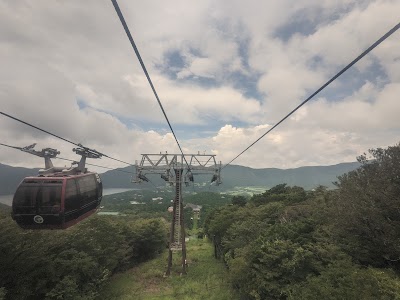
The ropeway is the only way to Owakudani and the lake. It is also your best chance to see Mount Fuji from above. An eight-minute ride with a possibly hour-long queue. The math works if the weather cooperates.
Stand on the Owakudani side for Fuji views. The opposite side faces the valley. Check the weather because clouds turn this into a transit obligation. No reservations needed, and the Hakone Freepass covers it. Transportation first, experience second. The queue is the price of admission.
Tip: Queue early for the ropeway car to capture panoramic Mount Fuji and Lake Ashi views during the scenic aerial transit.
Heiwa-no-Torii (Hakone Shrine)
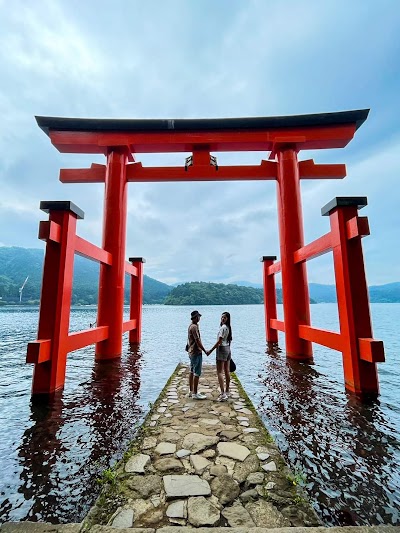
If you have seen one photo of Hakone, it is this. The red gate standing in Lake Ashi. The photo is the point. Hakone Shrine dates to the eighth century. Still water, red reflection, forest behind you. If you get it alone, it is magic.
Golden hour for light, early morning for crowd avoidance. You cannot have both easily, and the photo queue can have time limits. Do not skip the shrine grounds. The forest walk is quieter and equally atmospheric. Swan boats give you a different angle with no queue.
Tip: Walk along the lake shore path at golden hour to photograph the iconic vermillion torii gate rising from the water.
Day 3
Day three is the quiet one. Art in the forest, Edo-period history, and a cedar path where you will probably be alone.
Pola Museum of Art
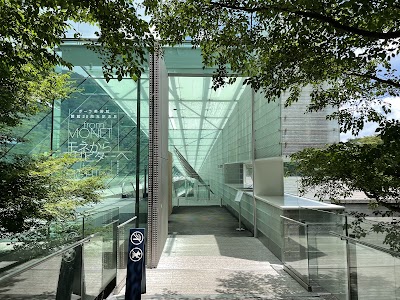
A serious art collection in the middle of a mountain resort. Monet, Renoir, Van Gogh. Unexpected and excellent. The building is designed to blend into the trees. From some angles, it disappears. Cool air, filtered light, and the forest presses close.
You are not pretending to like art here. The collection is genuinely good. The cafe overlooks the forest. Prebook timed tickets online because same-day can sell out on weekends. Check what exhibitions are on before you commit.
Tip: Prebook timed entry tickets online for this architecturally stunning museum housing impressionist masterpieces by Monet and Van Gogh.
Hakone Checkpoint
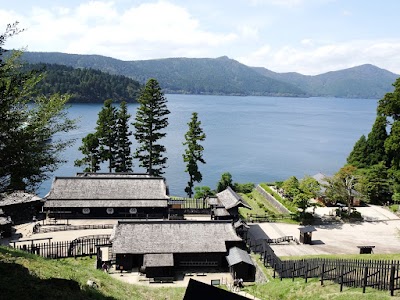
This is where the shogunate stopped travelers between Kyoto and Tokyo. Sneaking through was a capital offense. The view is great, and the history is better. People were searched here for weapons, women, and intentions. Read the exhibits because the details are thorough.
Wooden buildings, tatami rooms, the lake visible through open shutters. Real history, not a theme park version. Afternoon works because it is less crowded than the torii gate. Closes earlier than you would expect, so check hours.
Tip: Check opening hours before visiting this restored Edo-period checkpoint with historical exhibits and panoramic lake views.
Old Tōkaidō Road Ancient Cedar Avenue - East End
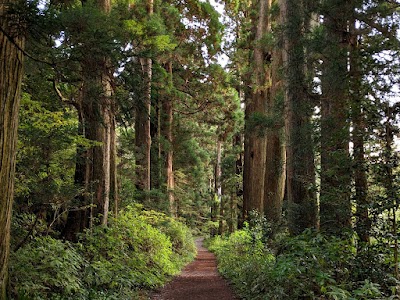
Samurai walked this. Daimyo processions passed through. The trees are three to four hundred years old, and this is one of the few places in Hakone where you are almost alone. Stone underfoot, cedar scent, filtered light.
No gift shop, no photo queue. Just the road as it was. Pair this with the checkpoint because they are part of the same route. Wear decent shoes since the stones are uneven and slippery when wet. You will have the path to yourself and wonder where everyone went.
Tip: Walk the ancient cedar-lined path where samurai once traveled, wearing comfortable shoes for the historic stone route.
What to book ahead
- Purchase Hakone Freepass (Before departure) - Available at Odawara Station or online, covers all major transport for 2-3 days
- Reserve ryokan or onsen (2-4 weeks in advance) - Popular hot spring hotels book up quickly, especially on weekends
- Book museum tickets (1 week in advance) - Hakone Open-Air Museum and Pola Museum offer timed entry slots
- Check weather forecast (1-2 days before) - Clear winter days offer the best Mount Fuji visibility
What to pack
Essentials
- Comfortable walking shoes - Essential for navigating Hakone's varied terrain including shrine paths and museum grounds
- Layers and light jacket - Mountain temperatures fluctuate significantly between morning and afternoon
- Cash - Many smaller shops and traditional establishments prefer cash payment
- Hakone Freepass - Unlimited transport including ropeway, cruise, buses and trains for the entire area
Nice to have
- Swimsuit - Required for some mixed-gender onsen facilities with outdoor pools
- Camera with zoom lens - Capture Mount Fuji from optimal viewpoints across the valley
- Towel - While most onsen provide towels, bringing your own saves rental fees
Final take
Three days of sulfur, art, shrine gates, and hot springs. Hakone is what keeps people coming back to Japan.
Plan this trip
Turn this guide into an editable trip plan
Open the route in Instaboard, adjust the stops, and share the itinerary with your travel group.