Travel Guide
3 Days in Hangzhou, China: West Lake, Longjing Tea Fields & Spring Blossom Itinerary
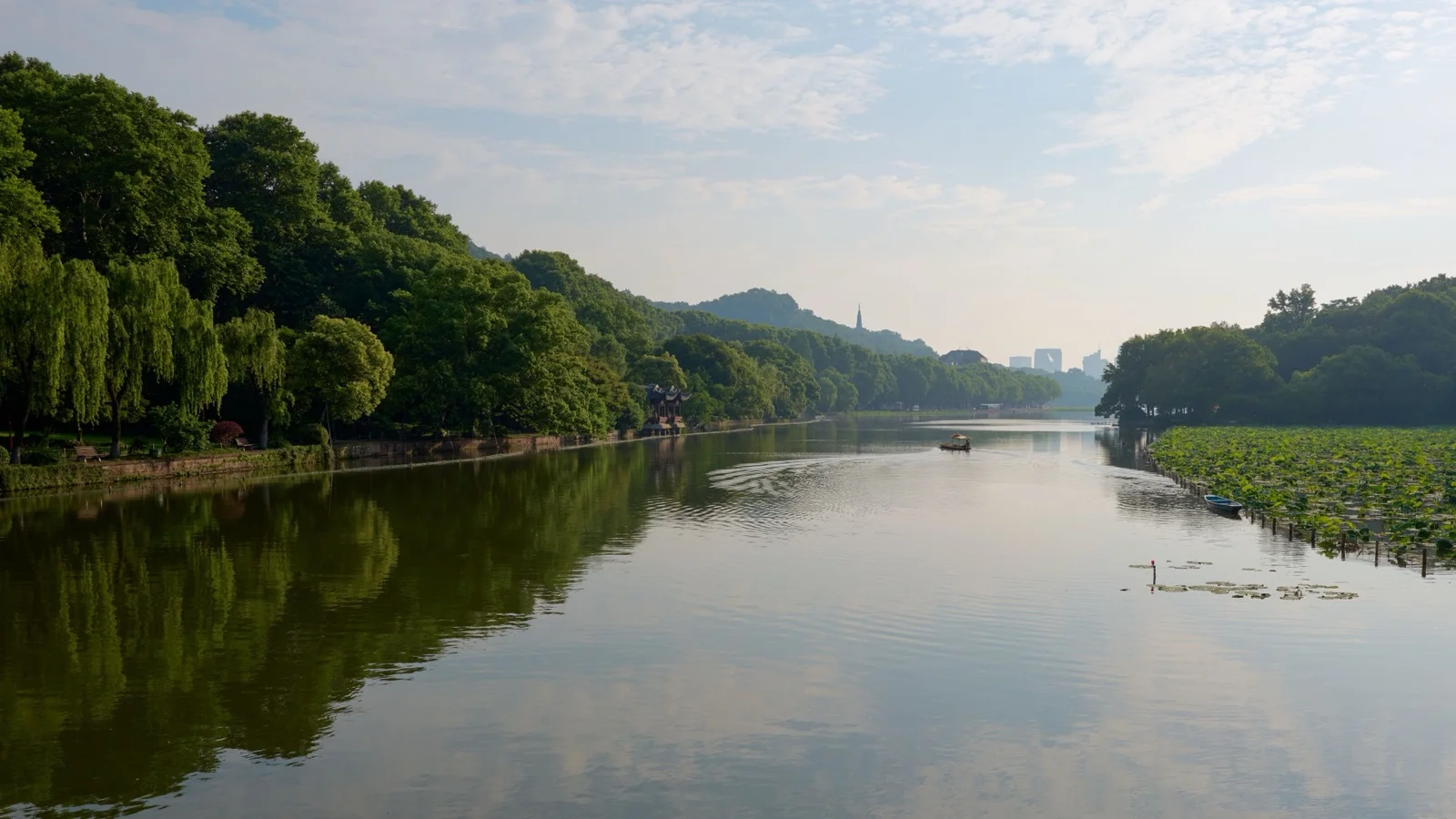
Want the editable version of this route?
Open the Instaboard template and adapt stops, timing, and notes to fit your trip.
Welcome to Hangzhou, the city where the lake is printed on the one-yuan note and spring runs on a tea-picking clock. Most three-day trips go wrong the same way: right places, wrong hours. This is the version where you get misty mornings instead of tour-flag queues.
Spring is Hangzhou showing off: peach and willow blossom framing the lake, the first fresh Longjing hitting the markets, mist hanging over the water most mornings.
Day 1
Today you finally meet West Lake: a bridge with a legend, a causeway named for a poet, and an island you'll recognize from your own wallet.
Kuahong Bridge
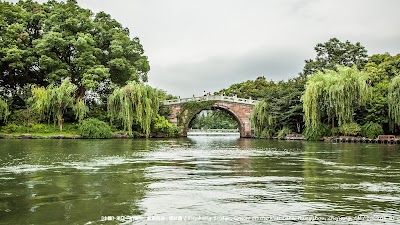
This is the Broken Bridge, a plain little stone arch on the lake's northeast shore and the setting of China's best-known love story. It isn't actually broken. Snow melts on the sunny side first, so in winter the bridge looks snapped in half from a distance.
Come before nine, because you'll share it with joggers instead of tour flags and the mist off the water is still doing its thing. Honestly, the bridge itself is plain and short. The fame is the story, and the pagoda from that same legend sits right across the water.
Tip: Arrive before 9am to beat the tour-bus crowd at the Broken Bridge of White Snake legend; the lakeside gate here gives the classic photo angle across the water toward the causeways.
Baidi
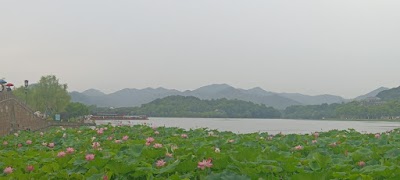
The Bai Causeway starts at the bridge's far end: a flat, car-light path stitched with peach and willow, the exact spring photo people fly in for. It's named for Bai Juyi, a ninth-century poet who governed Hangzhou and left it this causeway. Public works that aged into a photo backdrop.
Pink blossom against weeping willow, dark green water on both sides. Walk it before eight and you can have whole stretches to yourself. One catch: the blossom window is short. Arrive a week or two late and you're on a very nice path with leaves.
Tip: Walk the full causeway from Broken Bridge to Solitary Hill beneath blooming peach and willow trees; the path is level and paved, so no special footwear is needed.
Three Pools Mirroring the Moon
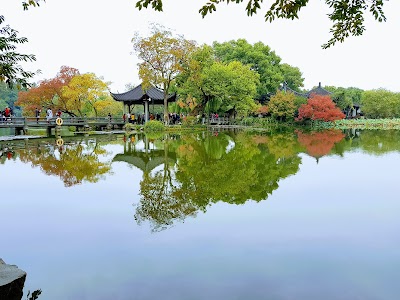
After all that shoreline, get on the water. Three Pools Mirroring the Moon is a mid-lake island with three low stone pagodas, boat-only. Those pagodas are printed on the one-yuan note, so everyone aboard ends up holding a banknote at arm's length, matching money to horizon.
Take the boat from Hubin pier after two, because the queue shrinks once the tour groups cycle out. You trade golden light for a shorter line. Fair warning: the famous angle is from the water, so don't linger on the island waiting for the banknote shot to assemble itself.
Tip: Book the scenic boat ticket at Hubin pier, where the queue shortens after 2pm; the island and its three stone pagodas, printed on the 1-yuan banknote, can only be reached by boat.
Day 2
Today it's tea country: a museum planted in the middle of the fields, the village where Longjing gets fired by hand, then lunch in the terraces.
中国茶叶博物馆
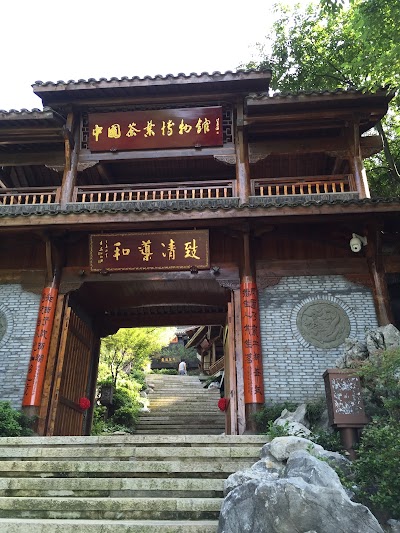
Start at the China National Tea Museum: free, genuinely well-made exhibits on tea's whole arc, sitting in the hills above Longjing village. It goes first because it loads the vocabulary. After an hour here, mingqian, the pre-Qingming first pick, actually means something at every table after.
Entry's free but the timed slot is real. Reserve through their WeChat mini-program a few days ahead, and note it's closed Mondays. The tasting rooms smell like roasted chestnuts, that's fresh Longjing, and the bitter-then-sweet finish explains why this whole day exists.
Tip: Entry is free but you must reserve a timed slot via the museum's WeChat mini-program a few days in advance; opening hours are 9am-4:30pm and it is closed Mondays.
Inquiring About Tea at Dragon Well
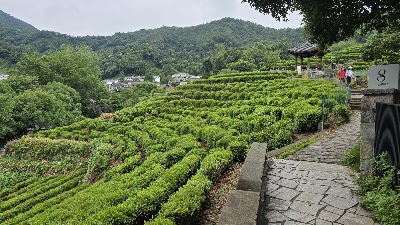
Roll downhill into Longjing village, ground zero for China's most famous green tea, with narrow lanes that smell faintly of roasted leaves. This spot is one of the classic West Lake scenes. Travelers have run this errand for centuries, and in spring the woks are going all morning.
Leaves get hand-fired in hot pans: nutty steam, then flat green leaves standing upright in glass cups when they're brewed. Two small things. Carry cash, and agree the tasting price before you sit down, because a farmhouse invitation carries a soft expectation you'll buy.
Tip: Farmhouses fire and pour fresh mingqian brews at roadside tables; carry some cash and confirm tasting prices before you sit down, as cards are not always accepted.
Meijiawu
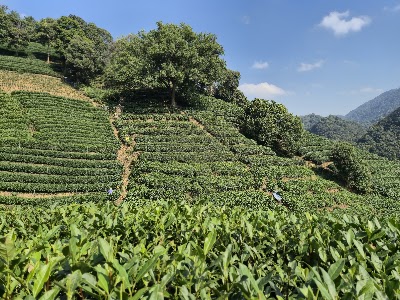
Finish in Meijiawu, the other tea village: same crop, wider valleys, terraced rows climbing the hillsides without the name-brand crowds. Longjing has the legend; Meijiawu has the landscape, with kitchen smoke drifting over the fields and quiet except for birds and the odd scooter.
Come after one if you can. The lunch crush clears, tables relax, and there's still daylight for the terrace walk. Wander the paths behind the village until the valley opens up. Just know some are farm tracks, so behave like a guest.
Tip: Reserve a farmhouse lunch table on spring weekends when harvest-season crowds descend, then walk among the terraced Longjing fields behind the village.
Day 3
The final day is the old city: a snack street in period costume, a hilltop pavilion with the whole town under it, and a wetland to finish.
Qinghefang
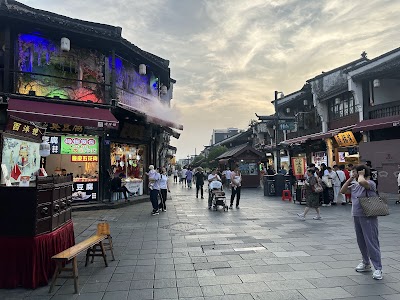
Qinghefang was the old city's commercial street, and it still plays the part: snack stalls, apothecaries, and craft shops behind Ming-Qing-style facades, steps from the lake. It opens the day because it feeds you before the climb. Near the nine o'clock opening you can actually walk, not shuffle.
Oil hitting griddles, steam off bun baskets, herbal smells drifting from the old pharmacy. Queue where the aunties queue, not where the signs look best. Bring cash, since stall vendors aren't big on foreign cards, and set a snack budget before the candied-anything stall finds you.
Tip: Arrive at opening, around 9am, to dodge the weekend crowd, bring cash for the snack stalls, and graze your way from the drum tower end toward Wushan Hill.
City God Pavilion
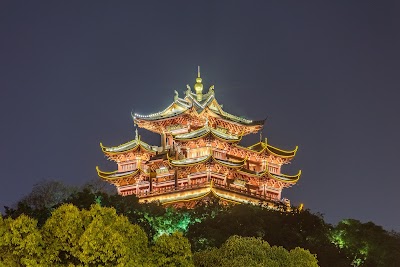
Stairs off the street climb Wushan Hill to the City God Pavilion, traditionally where the city's patron deity got the best real estate. It looks ancient and is a modern rebuild in traditional dress. That's a standard heritage move, and the view forgives it.
From the rail, rooftops roll down to the lake like a finished map, the single frame that explains how this city fits together. Small ticket at the gate, no booking needed. The climb is steeper than it sounds, so let the aunties ahead of you set the pace.
Tip: A short steep stair climb from Hefang Street; pay the small entry ticket at the gate, and the balcony view over tile rooftops to the lake is even better at sunset.
Xixi National Wetland Park
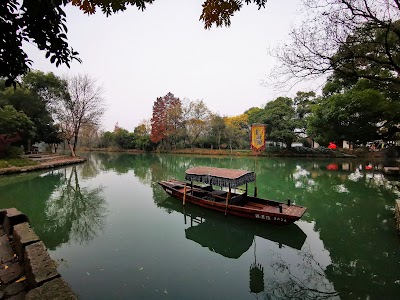
The finale is Xixi National Wetland Park, a protected sprawl of waterways where the city noise drops away and the pace drops with it. After blossom crowds and fired woks, this is the trip's slow chapter: water, quiet, and very little hurry.
One bit of prep matters: prebook the electric boat add-on online, because departures run on a fixed schedule from the main gate. Check the last sailing time before you head out, then let the boat do the sightseeing. A fittingly lazy end to three days.
Tip: Prebook the electric boat add-on online and use entry via the main gate; boats depart on a fixed schedule, so check the last sailing hours before you go.
What to book ahead
- Book Shanghai-Hangzhou bullet train tickets (2-3 weeks ahead) - Spring weekends sell out; the Hangzhou East station is metro-linked to the lake.
- Reserve China Tea Museum timed entry (3-7 days ahead) - Free, but slots via the WeChat mini-program disappear during mingqian season; closed Mondays.
- Buy Leifeng Pagoda tickets online (1 week ahead) - Elevator access pagoda; sunset slots are the busiest.
- Prebook Xixi Wetland electric boat (3-5 days ahead) - Boat add-ons run on fixed schedules; confirm the last sailing time.
- Reserve a Meijiawu farmhouse lunch (2-4 days ahead) - Harvest-season weekends fill family tables early.
What to pack
Essentials
- Comfortable walking shoes - Causeways, tea terraces, and the Nine Creeks trail add up to 15,000+ steps a day.
- Light layers - Spring mornings are misty and cool around the lake while afternoons warm up quickly.
- Cash and a UnionPay-ready card - Small farmhouse tastings and snack stalls often do not accept foreign cards.
- Umbrella or light rain shell - April drizzle is part of the misty West Lake charm but soaks fast.
Nice to have
- Travel teapot or thermos cup - Many tea farmhouses offer refills if you carry your own vessel.
- Polarized sunglasses - Low spring sun over the water makes lake photography glare-heavy.
- Compact tripod - For Leifeng Pagoda sunset and City God Pavilion blue-hour panoramas.
Final take
That's Hangzhou: legends attached to half the views, spring running on a tea-picking clock, and three days that feel both enough and nowhere close.
Plan this trip
Turn this guide into an editable trip plan
Open the route in Instaboard, adjust the stops, and share the itinerary with your travel group.