Travel Guide
Hanoi in 3 Days: Old Quarter Street Food, Lakes & Hidden Temples
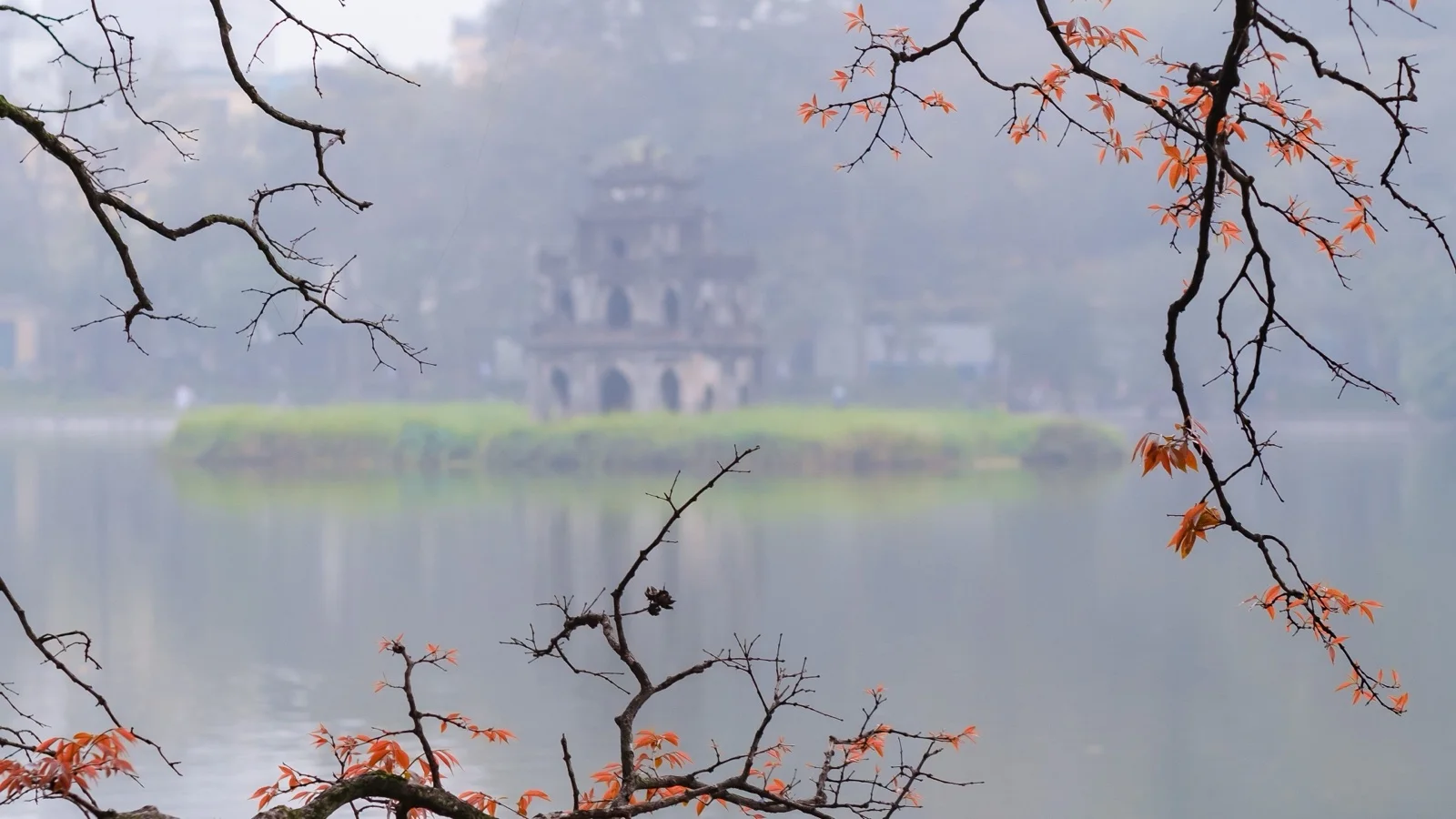
Want the editable version of this route?
Open the Instaboard template and adapt stops, timing, and notes to fit your trip.
Hanoi in autumn is the version of the city locals brag about: cool dry mornings around twenty degrees, milk-flower scent drifting through the streets, and a lake at the center that basically invented the postcard. Three days is enough to actually feel the place, but only if you don't burn your best mornings on the wrong things, so let's spend them well.
The trip splits cleanly into three moods. One day around the Old Quarter and its lake, one up at Ba Dinh for the political sights, and one out at the slower lakes, and autumn is the only season where all three of those feel good at once.
Day 1
Start with the lake that anchors everything: Hoan Kiem, the little temple on its islet, and the cafe that invented egg coffee, all within a short walk of each other.
Hoàn Kiếm Lake
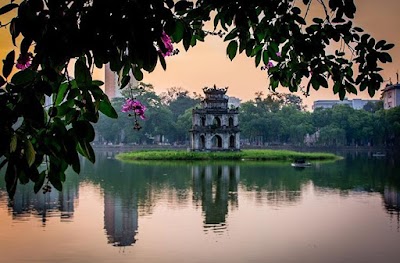
Hoan Kiem is the lake at the center of Hanoi. Every street story in the Old Quarter eventually points back to it, which is why it's the place to build your mental map first. The name means 'Lake of the Returned Sword,' from a legend where a 15th-century emperor handed a magic blade back to a golden turtle in the water. It's the city's independence origin myth, sitting in the middle of traffic.
Get here at sunrise, because by nine the tour groups arrive and the light goes flat. Dawn is when locals own the path, doing tai chi on the tile as the mist lifts off the water. Walk the full loop; it's barely a kilometer, and you'll understand how the whole neighborhood is arranged around this one stretch of turquoise.
Tip: Arrive at sunrise to catch tai chi on the misty turquoise water and the first golden light hitting Turtle Tower, the most photogenic hour before the midday crowd builds.
Ngoc Son Temple
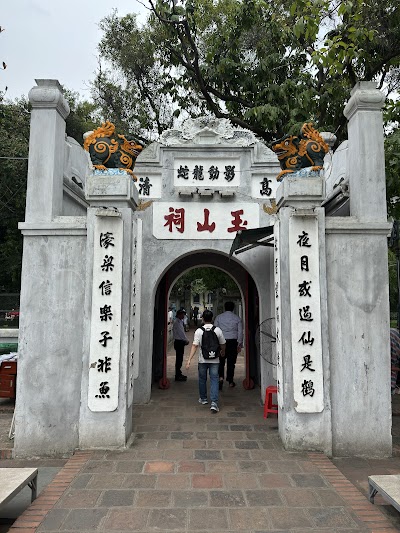
Ngoc Son is the 18th-century temple on the tiny islet in Hoan Kiem. You've already seen the vermilion bridge leading out to it, because it's on every Hanoi souvenir. Inside are shrines to literature and to Tran Hung Dao, the general who fended off Mongol invasions, plus a side room holding a stuffed softshell turtle so enormous you understand why the legend felt literal.
Do it in the same morning slot as the lake, because the bridge bottlenecks hard the moment tour groups show up around ten. Cover your shoulders and slip off shoes at the inner altar. That, plus a little cash at the gate, is the entire entry ritual.
Tip: Cross the vermilion The Huc Bridge to the 18th-century temple on Jade Islet. Prebook the small entry ticket online or bring cash at the gate, and slip off shoes at the inner altar.
Cafe Giảng
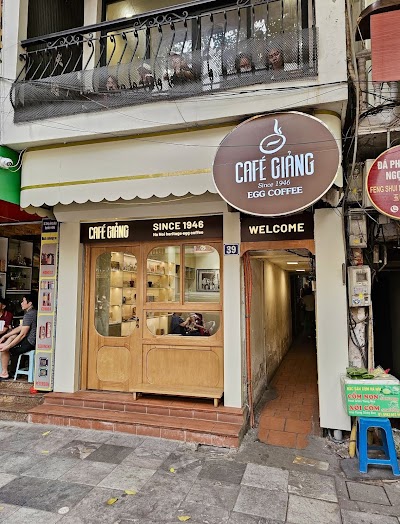
Cafe Giảng is the alley coffee shop that invented cà phê trứng in the 1940s, when dairy was scarce and someone whisked egg yolk as a milk substitute that never left. What lands in front of you is hot robusta under a cap of sweet, faintly savory whipped yolk. It drinks like warm tiramisu foam, and on a cool autumn afternoon it is genuinely the right beverage.
Order it hot, not iced, and take the narrow stairs to the second floor, because the counter gets crowded with tourists while the upstairs room feels almost local. Don't schedule lunch around it. It's basically dessert in a cup, and arriving hungry is a mistake I have personally made.
Tip: Tuck down the alley off Nguyen Huu Huan to taste the original cà phê trứng (egg coffee). Pay in cash at the counter and grab a window seat upstairs for a quieter sip.
Day 2
The middle stretch pulls north to Ba Dinh Square for the mausoleum and the pagoda next to it, then swings south to the Temple of Literature. Politics in the morning, scholarship in the afternoon.
Ho Chi Minh's Mausoleum
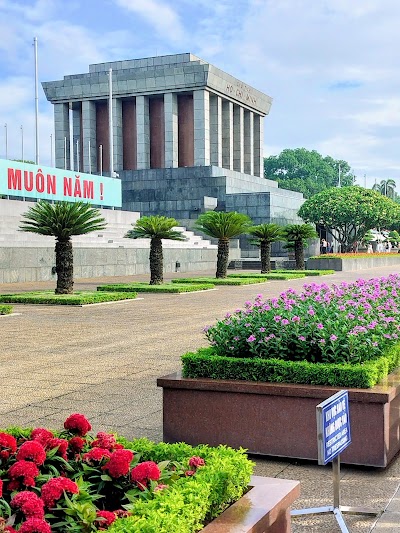
This is the marble mausoleum housing Ho Chi Minh's embalmed body, on Ba Dinh Square, the same square where Vietnam's Declaration of Independence was read aloud in 1945. His actual will asked to be cremated; the party had him embalmed anyway, with Soviet help. So in a strange way the building is an act of disobedience.
Inside is hushed marble, goose-stepping guards, and complete enforced silence, with thousands of visitors shuffling through in a line that moves at the speed of reverence. Bring your passport, leave the big camera at the hotel, and dress like you're visiting a government office, because the dress code at the gate is non-negotiable.
Tip: Arrive before 8am to beat the queue. Opening hours are tight (closed Monday and Friday afternoons), and dress modestly or you'll be turned away at the gate.
One Pillar Pagoda
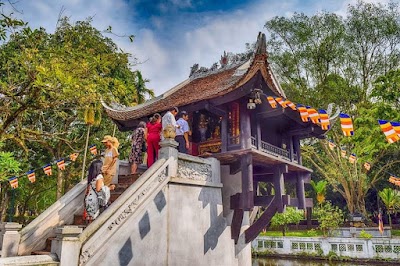
Two minutes from the mausoleum, this is a tiny wooden temple balanced on a single stone column rising out of a lotus pond, one of the more unusual pagoda shapes in Asia. It was designed to resemble a lotus flower and first built in the 11th century under Emperor Ly Thai Tong; the version standing now is a rebuild after the original was destroyed in the 1950s.
Tuck it in right after the mausoleum, because tour buses roll in by mid-morning and the photo angles clog fast. Plan fifteen minutes here, not forty-five. It is genuinely small, and the honesty of the name is the whole appeal.
Tip: Walk two minutes from the mausoleum to this 11th-century lotus-shaped pagoda. It's a quick photo stop, so arrive early to skip tour-bus crowds at the entry gate.
Temple Of Literature
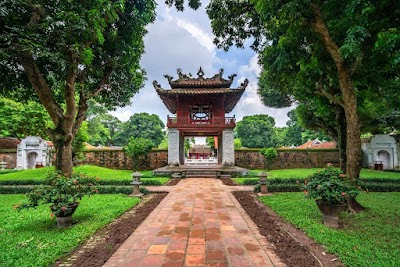
Founded in 1070, this is Vietnam's first university, five walled courtyards dedicated to Confucius and to the scholars who passed the royal exams. The photo here is the 82 stone steles resting on turtles, each one carved with the names of a graduating class of doctorates between the 15th and 18th centuries, basically a thousand-year-old transcript wall.
Push it into late afternoon if you can, because crowds thin after three and autumn weekends get heavy with wedding photographers and student tour groups. Walk all five courtyards, because the inner ones get progressively quieter and the gap between the first and the last is the whole experience.
Tip: Reserve your ticket in advance online during autumn weekends. The stone stele pavilion resting on tortoises is the photo highlight, and crowds thin after 3pm.
Day 3
Finish with the slower rhythm: dawn pho on Bat Dan street, then out to the lakes where Hanoi breathes. The old Tran Quoc pagoda, and West Lake for sunset.
Phố Bát Đàn
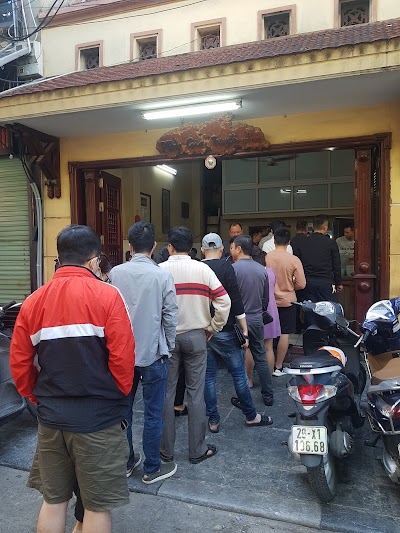
Bat Dan is the street where Hanoi lines up before sunrise for northern-style pho: clearer broth, wider noodles, less sweet than the southern version you've probably had back home. Locals grab whatever stool opens and are out in fifteen minutes, because here breakfast is efficiency, not brunch. You eat, you leave, the next person sits.
Get there before seven, because by nine the broth has often thinned and the line has dissolved. Early is the only version that matches the reputation. Order tái nạm for the classic rare-and-well-done beef, bring small cash, and don't linger. Plastic-stool territory is a rhythm, not a lounge.
Tip: Queue at dawn with the locals for clear northern-style pho. Bring cash, take a seat wherever one opens, and order tái nạm for the classic beef cut.
Tran Quoc Pagoda
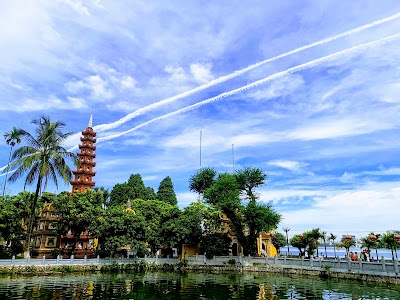
Tran Quoc is Hanoi's oldest Buddhist pagoda, with foundations dating to the 6th century, sitting on a small islet connected to the shore by a narrow causeway. It was originally built on the Red River and relocated here as the river shifted over the centuries, so the pagoda has literally moved with the geography.
Red lacquer gleaming in low morning sun, incense off the altar, lake water lapping at the causeway. It's one of the city's most photographed silhouettes, and the photos aren't lying. Arrive for the 8am opening, because tour buses show up around nine and the calm version of the pagoda disappears with them.
Tip: Arrive at opening (8am) for calm reflection shots before tour groups descend. The causeway to the islet is a tight walk, and shoulders must be covered for entry.
West Lake
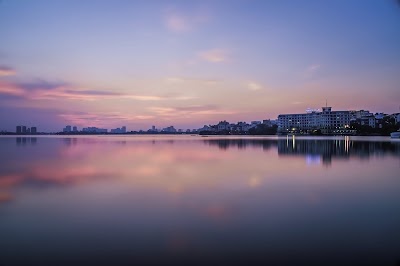
West Lake is Hanoi's biggest lake and the place locals go to slow down, the kind of spot you only really understand after the Old Quarter has worn you out. Several Hanoi specialties come from this shore. Bánh tôm, the crisp shrimp cakes, were invented here to use the lake's catch, and the seafood restaurants on pilings still trade on that history.
Late afternoon into sunset is the play, because the west-facing shore catches golden hour and the temperature drops into something genuinely comfortable. Pick a stretch near the southern shore, because the full loop is long and some sections are busy roadside rather than waterfront.
Tip: Grab a taxi to the southern shore for an autumn golden-hour loop. Lotus ponds and café terraces face the sunset, so plan to stay past 5pm for the best light.
What to book ahead
- Book Thang Long Water Puppet Theatre tickets (2-3 weeks before) - Evening shows beside Hoan Kiem Lake sell out nightly; front rows catch the most splash.
- Reserve Ngoc Son Temple entry slot (1 week before) - Small daily cap on islet tickets; buy at the gate or prebook in autumn peak season.
- Reserve Temple of Literature entry (1 week before) - Autumn weekends draw big tour groups; prebooked tickets skip the gate queue.
- Reserve accommodation in the Old Quarter (1 month before) - Stay within walking distance of Hoan Kiem Lake for Day 1; autumn is peak season.
- Prebook Noi Bai airport transfer (1 week before) - Old Quarter is roughly 45 minutes from the airport; arrange a Grab or hotel car in advance.
- Check Ho Chi Minh Mausoleum opening hours (Day before) - Closed Monday and Friday afternoons; arrive before 8am to beat the queue.
- Confirm train times for Ngõ 224 Lê Duẩn (Day of visit) - Schedule shifts; only enter cafés, never the tracks.
What to pack
Essentials
- Light layer or packable jacket - Autumn mornings near 20°C and breezy evenings on the lakes and bridges call for one extra layer.
- Comfortable walking shoes - The Old Quarter, citadel grounds, and West Lake loop are best explored on foot.
- Cash in VND - Street food stalls, phở counters, and small markets rarely accept cards.
- Universal power adapter - Vietnam uses a mix of Type A, C, and G outlets across hotels and cafés.
Nice to have
- Compact umbrella or light rain shell - Autumn can still throw brief showers between clear sky days.
- Reusable water bottle - Humidity persists even in autumn; refill at cafés between stops.
- Wide-angle camera lens - Tight Old Quarter alleys and pagoda courtyards reward a wider field of view.
- Hand sanitizer - Useful between street-food stalls and market visits.
Final take
Autumn Hanoi leaves you with lake mist at dawn, the smell of egg coffee in a narrow stairwell, and the strange quiet of a thousand-year-old university. It's a city that earns the postcard and then keeps going.
Plan this trip
Turn this guide into an editable trip plan
Open the route in Instaboard, adjust the stops, and share the itinerary with your travel group.