Travel Guide
3 Days in Himeji: Japan's Real Castle + Mountain Temples & Hidden Gems
Want the editable version of this route?
Open the Instaboard template and adapt stops, timing, and notes to fit your trip.
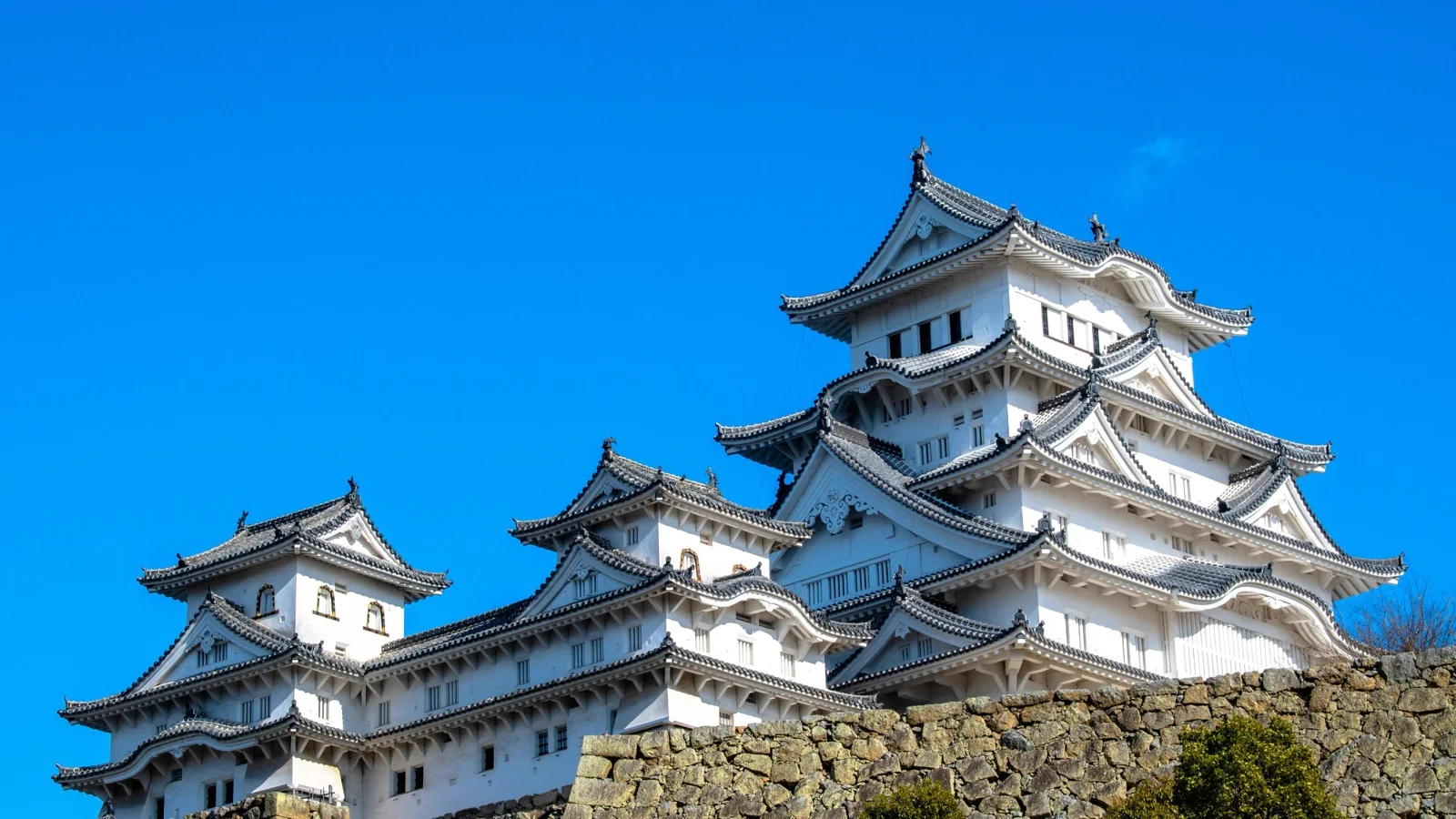
There's a city in western Japan where the main castle survived WWII firebombing, every major earthquake, and four hundred years of everything else, and nobody's entirely sure how. Himeji is one of those places where a wrong guess about timing means you spend half the trip in a queue or on the wrong side of a mountain, so let's make sure that doesn't happen.
Spring and fall are the postcard seasons, but honestly Himeji rewards you whenever you show up. Winter weekdays you might have the castle keep almost to yourself, and summer, well, bring water.
Day 1
Day one is the reason you came: a wooden castle that shouldn't still exist, gardens built on samurai ruins, and the walk back through town.
Himeji Castle
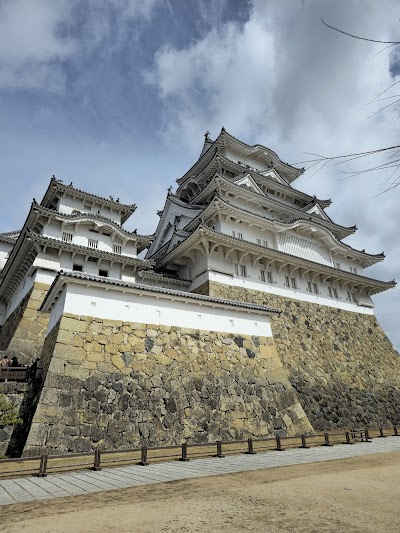
Himeji Castle is the real thing: original wood and plaster, not a concrete replica like most Japanese castles. It's one of only twelve castles in the country with an authentic wooden keep, and it's by far the largest of those twelve.
The approach is a slow, deliberate escalation: you pass through gate after gate up winding stone paths, the walls climbing higher, the corridors narrowing, until you're at the top with the whole city below you. Get here by nine in the morning because the interior staircases are one-way foot traffic and tour buses show up at midday and turn the keep into a traffic jam.
Tip: Arrive by 9 AM to beat the crowds at the gate. Prebook tickets online during cherry-blossom season to skip the queue.
Koko-en
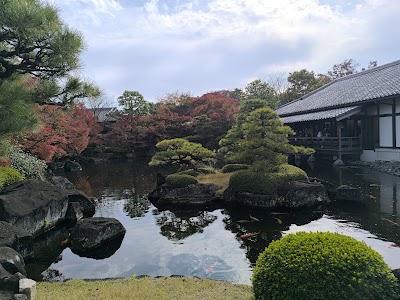
Five minutes from the castle exit, nine Edo-style gardens sit on the actual ground where samurai residences used to stand. They were built in 1992, not the 1600s, and the honesty of that is more interesting than pretending otherwise: real site, traditional design, modern construction.
After all that stone and climbing, this is the palate cleanser: water sounds, moss, cedar smell, and koi the size of your forearm surfacing in the ponds. The combo ticket with the castle saves you money, and the tea house serves matcha looking out over the water (bring cash for that part).
Tip: Walk five minutes from the castle exit to these nine Edo-style gardens. Buy the combo ticket with castle entry to save money. Bring cash for the tea house.
Otemae Street
Otemae is the broad boulevard that connects the station straight to the castle gate, and you'll walk it whether you planned to or not. The name literally means "in front of the main gate," which is exactly what it is: this has been the castle approach road for centuries.
Step out of the station and the castle is right there at the far end, framed by trees, getting bigger as you walk toward it. Evening is the move on the way back: the day-trippers have caught their trains, the light is good, and the convenience stores along here are your best bet for affordable food before the station.
Tip: Walk back toward the station along the statue-lined boulevard. Pick up snacks from convenience stores along the way. Shops stay open late hours on weekends.
Day 2
Day two shifts from city to mountain: a gondola up a sacred peak, a thousand-year-old temple where Tom Cruise filmed a movie, and a covered arcade back in town for dinner.
Shoshazan Ropeway
The Shoshazan ropeway is a gondola that carries you up forested slopes toward Engyōji temple, with views opening up over the city and toward the Seto Inland Sea. The mountain has been sacred for over a thousand years; pilgrims used to hike the whole thing, and you still can, but it's over an hour uphill through forest.
By the time you step off the gondola the city noise is gone, replaced by wind in cedars and distant temple bells. Go early because the buses arrive mid-morning, and check the last gondola down if you're visiting in winter. The schedule shrinks and you do not want to hike down in the dark.
Tip: Book the round-trip ticket at the base station. The hiking trail takes over an hour uphill and last gondola hours are limited in winter.
Engyōji
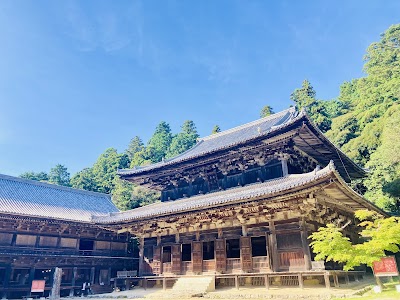
Engyōji is a sprawling temple complex on the summit, founded in the late 900s by a Tendai Buddhist monk. The Maniden hall clings to the cliffside on wooden pillars, the same cantilever architecture as Kyoto's famous Kiyomizu-dera, but with a fraction of the visitors.
Tall cedars filter the light into shafts, incense drifts from halls that haven't changed their routines in centuries, and the air is noticeably cooler up here than the city below. Budget at least two hours because the complex is spread out across the mountaintop, and the stone paths between buildings take time.
Tip: Arrive early to enjoy misty forest paths before midday tour groups arrive by bus. The cliff-side Maniden hall is the highlight.
Miyuki Street Shopping District
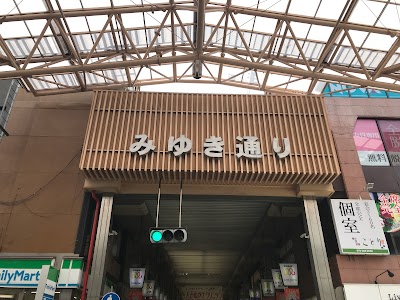
Back near the station, Miyuki-dori is a covered shopping arcade where actual Himeji residents eat and shop (tourists are the minority here). Kamaboko, the local fish cake, is a Himeji specialty sold up and down this street, and Harima-region sake is another.
The covered roof means rain or cold don't matter: warm light from shop entrances, the smell of grilled food, the hum of a working street winding down for the evening. Come hungry and graze your way through, but know that smaller stalls are cash-only and some shops close as early as six.
Tip: Browse this covered arcade for kamaboko, Harima sake, and handmade crafts. Most shops accept card, though smaller stalls are cash only.
Day 3
Day three is the quiet one: a dawn castle view from a hilltop nobody finds, a shrine tied to a samurai princess, and a century-old sake brewery to finish the trip.
Otokoyama Haisui'ike Park (Water Reservoir Park)
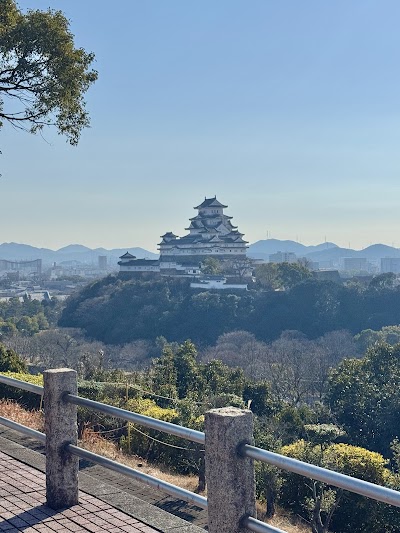
Otokoyama Haisui'ike Park is a city water reservoir on a hilltop northwest of the castle, and that mundane description hides one of the best castle views in Japan. At sunrise the white walls catch first light while the city below is still in shadow, and the castle emerging from morning mist is the shot that makes people ask where you took it.
Almost nobody comes here, even during peak seasons, because it's a reservoir park, not a tourist stop. Take a taxi before dawn (the walk from most hotels is long and uphill), and check the forecast the night before because heavy clouds kill the sunrise entirely.
Tip: Take a taxi before sunrise for the best view of Himeji Castle emerging from morning mist. Bring a warm layer even in autumn.
Otokoyama Senhime Tenmangu
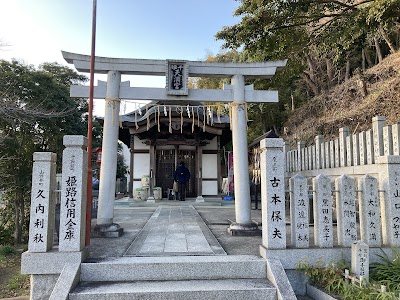
A ten-minute walk from the reservoir park, Senhime Tenmangu is a small hilltop shrine named after Princess Sen, granddaughter of the man who unified Japan. Her life was dramatic enough for several novels: she survived a siege at Osaka Castle as a teenager, remarried, and eventually retired to Himeji where her husband's family owned the castle.
The shrine grounds are quiet, free to enter, and give you another elevated angle of the white castle against the city grid below. It's small and it won't take long, but it adds a human story to the castle you've been looking at for two days: someone actually lived that history.
Tip: Walk ten minutes from the reservoir park to this hilltop shrine. Free entry to the grounds with rarely a crowd on weekdays.
Nadagiku Sake Brewery
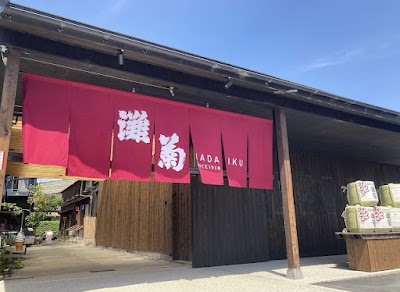
Nadagiku is a century-old sake brewery still operating out of its original wooden buildings in one of Japan's premier sake-producing regions. The tour takes you through traditional brewing facilities with that yeasty, slightly sweet fermentation smell filling the old kura.
The on-site restaurant, Maegura, serves gyunabe (Himeji-style beef hot pot), and it pairs with their sake in a way that suggests the menu was designed by someone who genuinely cares about both. Reserve the tour and restaurant ahead of time, especially on weekends; this isn't a tourist attraction, it's a working brewery, and the bookings reflect that.
Tip: Reserve a spot on the 110-year-old brewery tour to see the traditional wooden brewing facility. Book the on-site restaurant in advance for gyunabe beef hot pot.
What to book ahead
- Book Himeji Castle tickets online (2-4 weeks ahead) - Essential during cherry-blossom (late March–mid April) and autumn foliage (November) seasons
- Reserve Nadagiku Sake Brewery tour (1 week ahead) - Tours fill up on weekends; Maegura restaurant requires separate advance booking
- Check Shoshazan Ropeway schedule (1 day ahead) - Last gondola times vary seasonally; winter hours are shorter and service may be suspended in high winds
- Reserve Shinkansen or limited-express seats (1-2 weeks ahead) - Himeji is on the Tokaido-Sanyo line from Osaka (30 min) or Kyoto (60 min); reserved seats sell out on weekends
What to pack
Essentials
- Comfortable walking shoes - Castle steep paths and mountain trails involve significant walking and stairs
- IC card (Suica/ICOCA) - Contactless payment for buses and local trains around Himeji
- Cash in yen - Small temples, tea houses, and street stalls often do not accept cards
Nice to have
- Warm layer or light jacket - Hilltop viewpoints and Mt. Shosha summit are exposed and cooler than the city
- Portable battery pack - Long castle tour and ropeway ride drain phone batteries for photos and navigation
- Travel umbrella - Himeji has unpredictable rain year-round; the castle path has little shelter
Final take
Three days in Himeji and you've climbed a survivor, stood on a mountaintop that's been sacred since the 900s, and ended it all with sake and hot pot. Not a bad arc.
Plan this trip
Turn this guide into an editable trip plan
Open the route in Instaboard, adjust the stops, and share the itinerary with your travel group.