Travel Guide
Hiroshima 3-Day Itinerary: Peace Memorial, Miyajima & Castle
Want the editable version of this route?
Open the Instaboard template and adapt stops, timing, and notes to fit your trip.
Hiroshima is the city that makes you stop talking and start thinking. The tricky part isn't getting here. It's knowing how to move through a place where the history sits heavy on every corner.
Autumn here means comfortable walking weather and maple color hitting hard on Miyajima. Expect cool mornings, golden afternoons, and foliage that earns the hype.
Day 1
Day one faces the hard stuff head-on: the Dome, the park, the museum.
Atomic Bomb Dome
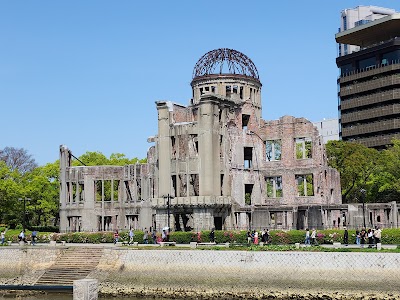
This is the Industrial Promotion Hall, or what's left of it. The bomb detonated almost directly overhead, and by some structural miracle, the vertical columns held while everything else for blocks vanished.
Come at sunrise because standing alone with a ruin hits differently than standing behind a tour group. Cross the river to the Aioi Bridge side for the classic frame: water in front, skeleton behind.
Tip: Arrive early to photograph the Atomic Bomb Dome without crowds and take in its preserved state in morning light.
Peace Memorial Park - Hiroshima
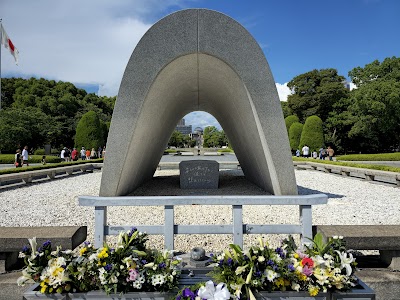
This park was a dense neighborhood until August 1945. Now it holds multiple monuments, each one targeting a different loss: children, students, Koreans, the unidentified.
The Peace Flame has burned since 1964 and won't stop until nuclear weapons no longer exist anywhere on Earth. Walk it slowly before the museum opens because you need the emotional bandwidth.
Tip: Walk through Peace Memorial Park at a contemplative pace and bring layers, as the open spaces can feel cool in autumn.
Hiroshima Peace Memorial Museum
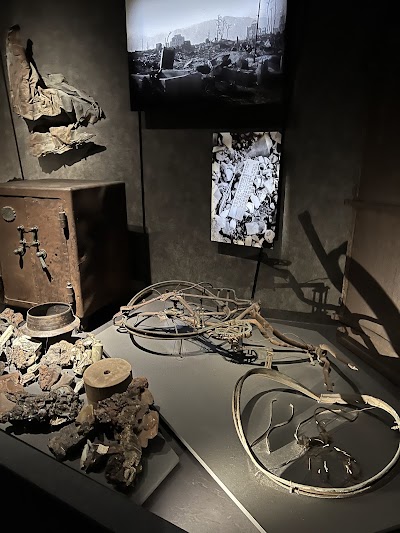
The Dome is the skeleton; this museum is the tissue. A stopped watch, a child's lunchbox with carbonized rice, a shredded shirt. Small objects that make the numbers graspable.
Book your timed ticket online days ahead because weekend slots fill. Budget 90 minutes minimum and don't start your day here. Process the Dome and park first, then let the museum deepen what you've already seen.
Tip: Book your timed entry ticket online in advance to avoid long queues, especially on weekends.
Day 2
Day two breathes easier: a reconstructed castle, a 400-year-old garden, and the city's layered pancake obsession.
Hiroshima Castle
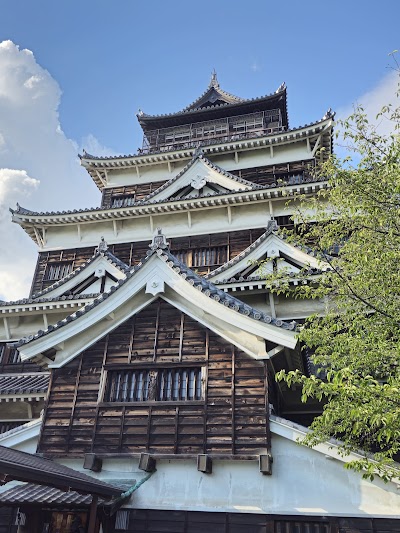
This looks like a feudal fortress but it's a 1958 concrete reconstruction. The original stood from 1592 until 8:15am on August 6, 1945. Four centuries gone in one flash.
Climb the keep for panoramic views and check the exhibits on pre-war Hiroshima. Bring cash for entry and know going in that Japan has twelve original castles. This isn't one of them.
Tip: Enter through the main gate and climb to the castle tower for panoramic views. Cash is required for the entry fee.
Shukkeien Garden
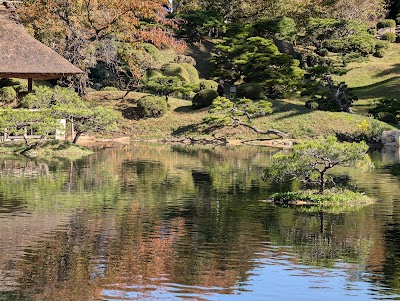
Shukkeien means 'shrink-emulate garden.' The idea was to compress entire landscapes into one compact stroll. Four hundred years old, built for a feudal lord's villa, and like everything else here, destroyed in 1945 and rebuilt.
The autumn foliage is exceptional, with maples reflecting off the pond in afternoon light. Walk the full loop, stop at the tea house if it's open, and expect the pondside air to run cold.
Tip: Visit Shukkeien Garden in autumn for spectacular foliage. Warm clothing is recommended for the outdoor walk.
Okonomimura
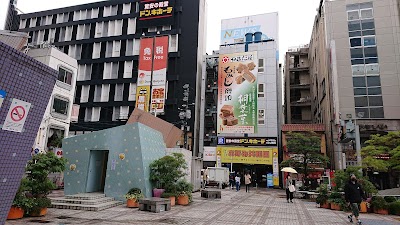
One building, four floors, twenty-five stalls, all serving Hiroshima-style okonomiyaki. This is layered, not mixed like Osaka, and the debate over which style wins counts as local religion.
Come after 6pm when most vendors are open, and don't overthink stall selection. Pick one with an empty seat. Bring cash because the grills warm the room and the sizzle is the whole point.
Tip: Head to Okonomimura after 6pm when most vendors are open. Bring cash as many stalls do not accept card payment.
Day 3
Day three leaves the city for the floating gate and the mountain behind it.
Itsukushima Jinja
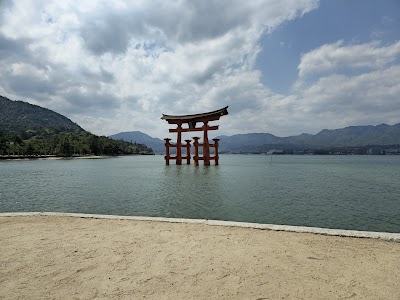
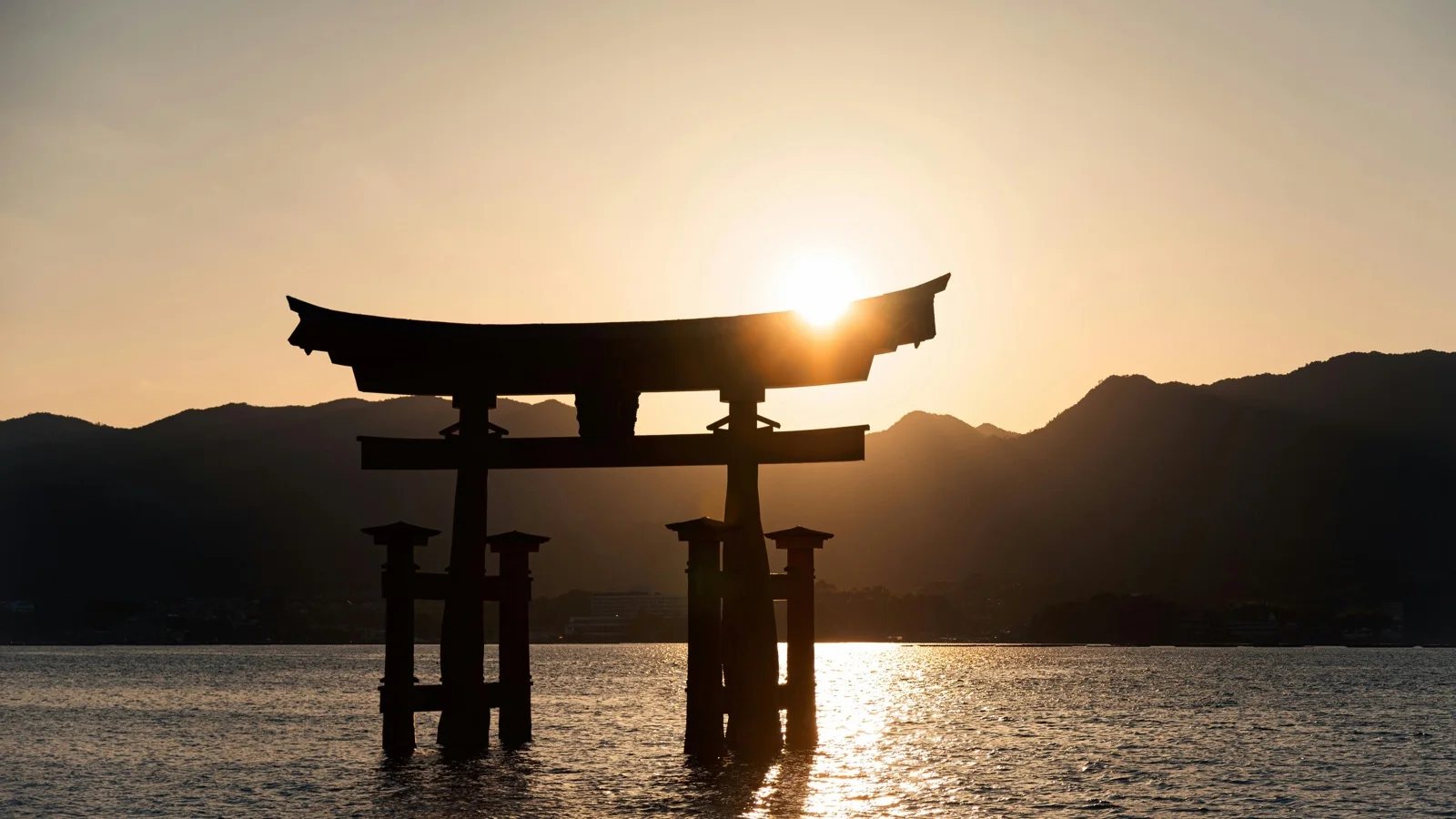
That red torii gate in the water is the real thing. It's been famous since 1643 as one of Japan's Three Great Views. At high tide, the 16-meter gate looks like it's floating because the water covers the support pylons.
Arrive by 9am to catch high tide and beat the day-trip crowds. Check tide tables beforehand, and watch your pockets. The deer here will eat your map.
Tip: Arrive by 9am to see the floating torii gate at high tide. Check tide tables in advance for the best experience.
Miyajima Ropeway
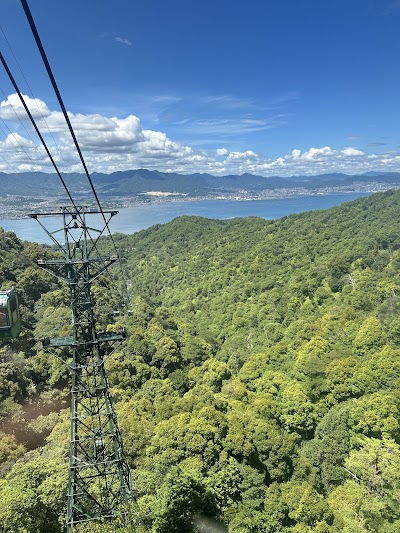
The ropeway lifts you above the shrine: forest, sea, and that tiny red gate from 500 meters up. Two-stage cable car system with glass floors on the upper gondola if you want to look straight down.
This doesn't drop you at the summit. You still hike 30 to 45 minutes from the top station. Buy round-trip tickets because queues form midday and the return line moves faster if you've prepaid.
Tip: Take the ropeway up Mount Misen to save energy. Prebook your return ticket to avoid queues during peak hours.
Mount Misen
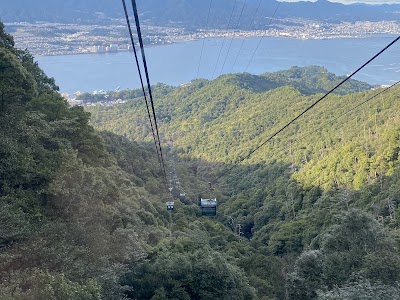
Down below: tourists and deer. Up here: quiet, open views across the Seto Inland Sea. The summit temple claims an eternal flame that's been burning since the 9th century.
From the ropeway station, take the Misen Hondo route because it's the shortest trail, about 30 minutes. Wear real shoes, bring water, and expect the last stretch to remind you that mountains don't care about your cardio.
Tip: Hike from the ropeway station to the summit for sweeping views. Wear sturdy walking shoes and allow 45 minutes each way.
What to book ahead
- Reserve Hiroshima Peace Memorial Museum tickets (2-4 weeks before travel) - Timed entry required; book online to guarantee your preferred slot
- Check Miyajima ferry and ropeway schedules (1-2 days before visit) - Operating hours vary seasonally; confirm last return ferry time
- Research tide times for Itsukushima Shrine (Night before Day 3) - High tide gives the floating torii effect; low tide allows walking to the gate
What to pack
Essentials
- Comfortable walking shoes - Essential for exploring Peace Park, Miyajima trails, and city streets on foot
- Layers and light jacket - Autumn temperatures vary; ferry rides and mountain areas can be breezy
- Japanese Yen cash - Many okonomiyaki stalls, smaller shops, and temple entries prefer cash
Nice to have
- Portable charger - Full day of sightseeing with museum audio guides and navigation apps
- Tissues - Emotional museum visit may call for them; also useful for food stalls
- Camera with zoom lens - Capture the floating torii gate and scenic Seto Inland Sea views
Final take
Three days here moves you from the weight of 1945 into autumn color and islands that feel like somewhere else entirely.
Plan this trip
Turn this guide into an editable trip plan
Open the route in Instaboard, adjust the stops, and share the itinerary with your travel group.