Travel Guide
Ho Chi Minh City in 3 Days: Markets, Cafes & Chinatown (Saigon Itinerary)
Want the editable version of this route?
Open the Instaboard template and adapt stops, timing, and notes to fit your trip.
Saigon layers a French-colonial cathedral, a Taoist temple heavy with incense, and motorbike chaos onto the same few blocks, and somehow it all holds together. Three days go fast here. The difference between a trip that clicks and one that blurs usually comes down to which mornings you give which neighborhoods.
Winter is why this trip works. This is Saigon's dry season, warm without the brutal humidity, which means long walking days through markets and the French Quarter actually feel good.
Day 1
Day one orients you. Ben Thanh Market first, then a walk into the French Quarter for the post office and cathedral that frame the city's colonial heart.
Ben Thanh Market
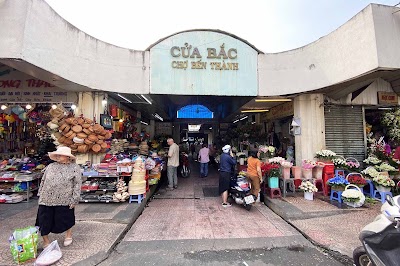
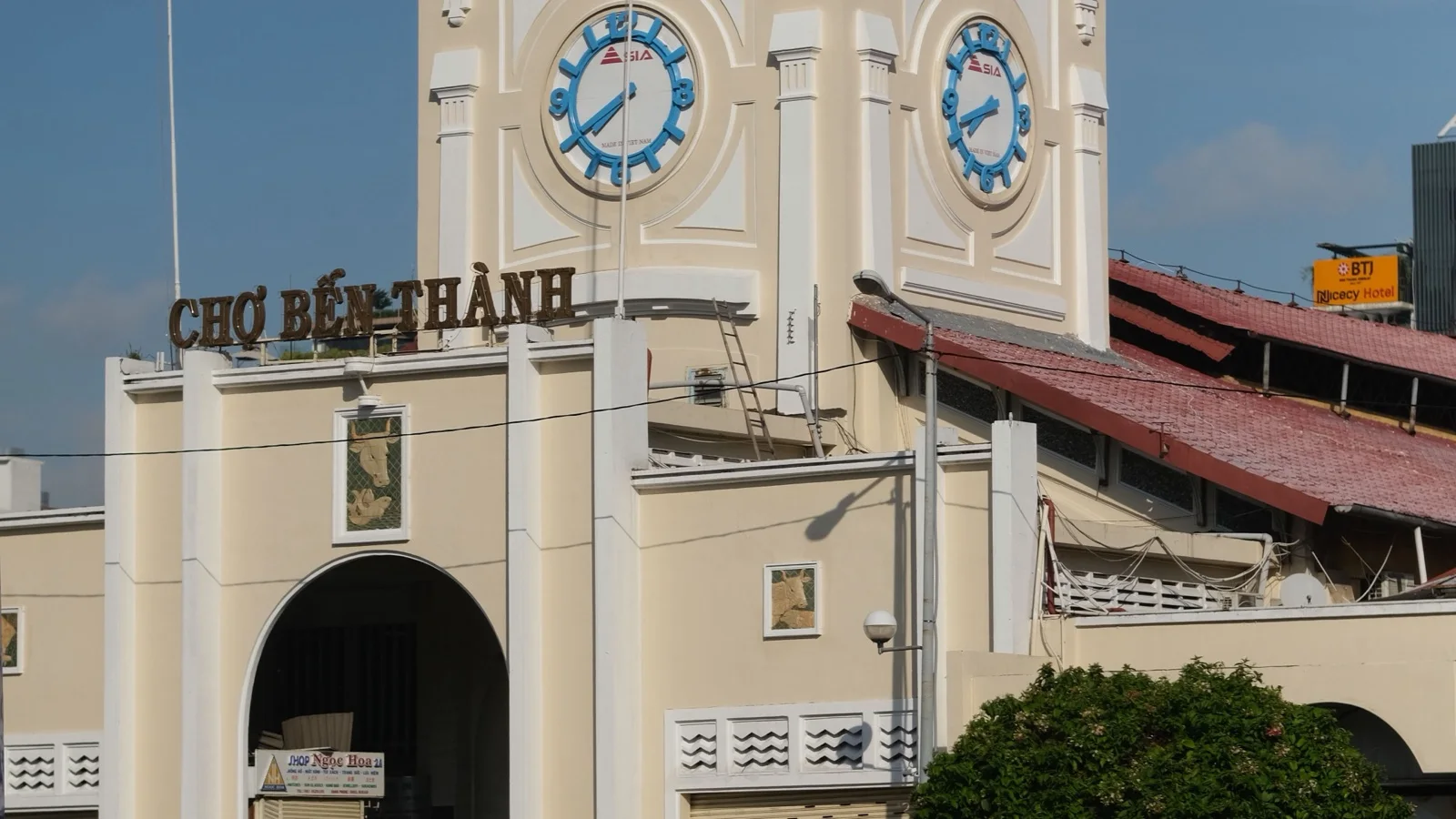
Ben Thanh is the covered central market that doubles as Saigon's unofficial ground zero. The south-facing clock tower is how locals give directions, not where they actually shop. The hall has been here since the early 1900s, outlasting French rule and several regimes since, easily the most durable thing in the neighborhood.
Inside it's shouted prices, pho steam, incense drifting in from temples down the street, and stalls packed so tight they're competing for ceiling space. Get there before nine and you trade a few closed stalls for actual breathing room. Once the tour buses land, the whole equation resets.
Tip: Arrive before 9am to beat the tour-bus crowd; bring cash for snacks and textiles, and always agree a price before touching goods.
Saigon Central Post Office
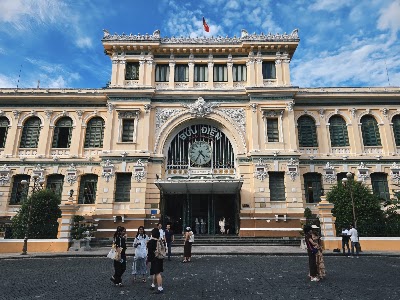
A late-1800s colonial post office, with a vaulted iron roof, vintage phone booths, and enormous old maps of Saigon, and real postal business still happening under the tourists. It's often credited to Gustave Eiffel's firm, though the design origins are disputed. Either way it belongs to the same iron-and-engineering moment as the tower in Paris.
Inside it's cool tile floors, ceiling fans humming, and the strange quiet of tourists whispering in a building they clearly expected to be louder. It pairs with the cathedral across the roundabout because both came from the same colonial moment. Do them before eleven and you beat the sun and the crowds.
Tip: Walk in free of charge, no ticket required. Opening hours run 7am to 7pm daily, and you can still mail postcards from the original wooden counters.
Notre Dame Cathedral of Saigon
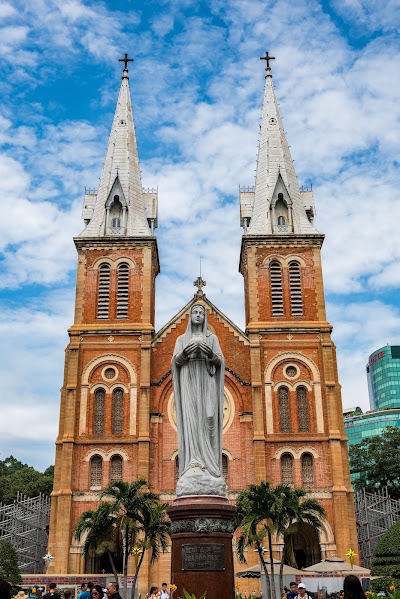
This is the red-brick cathedral the French built in the late 1800s for their colonial community: twin spires, palms on a roundabout, and bricks reportedly shipped from France. In a city otherwise defined by motorbikes and tropical concrete, the proportions here are recognizably European, and that contrast is really the whole reason to come.
Late afternoon is when the brick glows warm in the dry-season light, which is also when the heat finally backs off and the roundabout fountain photographs best. Heads up: the cathedral's been closed for long-term restoration, so confirm reopening before counting on going inside. The exterior and the fountain are the reliable shot either way.
Tip: The cathedral is currently closed for long-term restoration; verify reopening dates before walking over. The roundabout fountain outside is the classic photo angle.
Day 2
Day two is the heavier day. Independence Palace, the War Remnants Museum, and a Taoist temple: the history that explains why Saigon feels the way it does.
Independence Palace
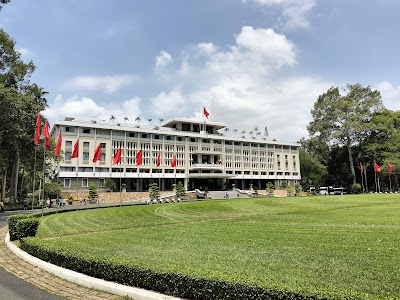
Independence Palace is the 1960s modernist landmark frozen on April 30, 1975, when North Vietnamese tanks rolled through the gates on live TV and the war ended. Inside it's shag carpet, sixties wall maps, a rooftop helipad, and state rooms that feel like everyone stood up mid-meeting and never came back.
The tank at the front gate is a replica (originals are preserved elsewhere), but the basement war rooms are the real draw, and they're easy to miss. Book online ahead because weekends stack a real queue here, and give yourself at least ninety minutes. The interior sprawls and anything less feels rushed.
Tip: Book your ticket online in advance to skip the weekend line; allow 90+ minutes for the basement war rooms, rooftop helicopter, and the replica tank on the gate.
War Remnants Museum
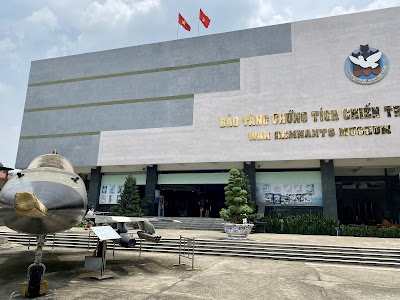
This is the city's most visited museum: unflinching war photography, an Agent Orange gallery, and captured American military hardware parked out on the front lawn. This is the Vietnamese government's account of the war, plainly and unapologetically. Knowing that going in makes the whole museum more useful, not less.
It pairs with Independence Palace because this is the why, and the Requiem gallery, dedicated to photographers killed in the war, deserves an hour on its own. The Agent Orange section is genuinely distressing, so don't sandwich this between lighter stops. Arrive at opening for the quietest galleries and the space to absorb it.
Tip: Prebook a timed entry ticket online to skip the weekend queue; cash and card both accepted at the gate, and arrive right at opening (7:30am) for the quietest galleries.
Jade Emperor Pagoda
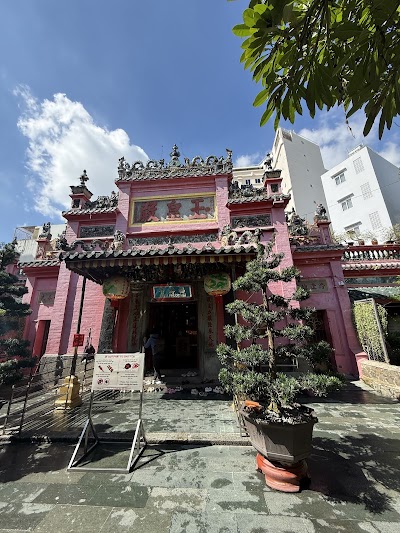
This 1909 Taoist temple was built by the Cantonese community: incense thick enough to taste, figurines on every beam, and a back pond crammed with turtles. One of the city's oldest Chinese-community temples, with folk-Taoist statuary that doesn't explain itself to outsiders, which is part of why it feels distinct from the Buddhist temples elsewhere.
President Obama visited in 2016, which is basically why the tour buses now know where it is, but locals have been praying here the whole time. It works after the museum because the tone shifts completely: small, shaded, and cool, with a back turtle pond that's the quietest corner of your day.
Tip: Free entry but donations welcome; cover shoulders and knees. The incense-filled main hall and turtle pond are most atmospheric on weekdays.
Day 3
Day three shifts west into Cho Lon, the city's Chinatown: a wholesale market, herbal-medicine lanes, and a sunset boat to close out the skyline.
Binh Tay Market
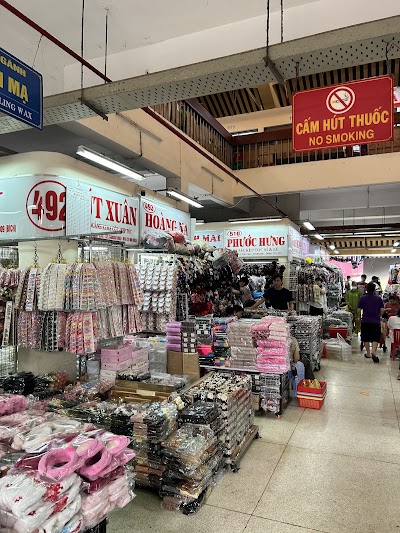
Binh Tay is the historic tile-roofed wholesale market anchoring Cho Lon, less touristy than Ben Thanh, with herbalists, ceramics, and a central courtyard that's actually the photo. Inside it's stacked ceramics, dried herbs, red lanterns strung overhead, and bargaining in both Cantonese and Vietnamese. You'll likely be the only person holding a phone up.
It's early-twentieth-century Chinese merchant architecture in what was, for a long time, a separate city; the building and the neighborhood around it come from the same moment. It's a 20 to 30 minute Grab from District 1, which is the real cost of coming out here, but mid-morning is when the stalls and herbalists hit full volume.
Tip: A Grab or taxi is the easiest transfer from District 1 (20 to 30 min). Arrive mid-morning when the wholesale stalls and Chinese herbalists are fully open.
Saigon Chinatown
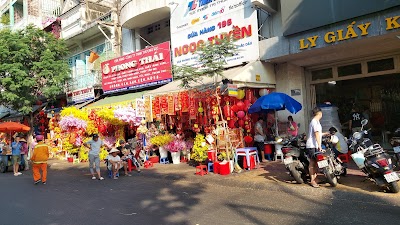
Chinatown isn't a single site. It's a walking neighborhood of clan halls, small temples, lantern shops, and herbal-medicine streets first settled by Chinese merchants in the 1700s. Hai Thuong Lan Ong literally smells like a Chinese pharmacy: dried roots, herbs, and things you can't identify stacked in open bins, with incense drifting from every other doorway.
What you're seeing here is Chinese-Vietnamese daily life, not a performance; far fewer foreign tourists than District 1, and that's half the reason to come. Walk slowly and let the streets do the work, because the highlights aren't signposted. Check hours on the clan halls before plotting a route between them.
Tip: Walk the herbal-medicine lanes around Hai Thuong Lan Ong and the clan halls; weekends bring out the liveliest lantern and temple activity.
Saigon Waterbus Bạch Đằng
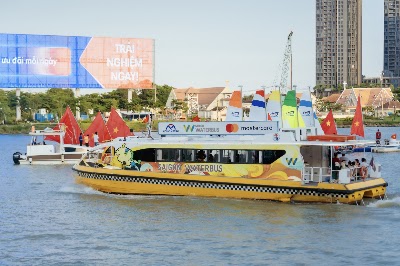
Bach Dang is the old waterfront pier where Saigon's port once sat, now where the sunset dinner cruises push off, putting the whole skyline in one panning shot. From the water you get a perspective you can't get on land: the breeze, the low diesel thrum, and Bitexco and Landmark 81 glinting on as the sun drops.
Sunset is the slot because you get golden light and the skyline lights coming on together, and dry-season sunsets are reliably clear, which is why this works now. Prebook the sunset ticket because those slots sell out. The boats are tourist-oriented and the river has seen cleaner days, but the view is genuinely the value.
Tip: Prebook a sunset dinner-cruise ticket online; boats depart Bach Dang pier around 6pm. Bring a light layer for the river breeze as the skyline lights up.
What to book ahead
- Book Independence Palace tickets (1 week before) - Official site only; skip-the-line on weekends.
- Reserve War Remnants Museum timed entry (3–5 days before) - Online tickets avoid weekend queues at the gate.
- Reserve Saigon Waterbus sunset cruise (2–3 days before) - Limited dinner boats depart 6pm from Bach Dang pier.
- Prebook airport transfer via Grab (Day of arrival) - Fixed fare avoids taxi overcharging at Tan Son Nhat.
- Confirm Notre Dame Cathedral status (1 week before) - Long-term restoration may keep interiors closed.
- Optional: book a Café Apartment guided cafe crawl (2–3 days before) - Useful if you want curated tastings across multiple floors.
What to pack
Essentials
- Comfortable walking shoes - District 1 days involve 10+ km of cobblestone, market aisles, and cafe stairs.
- Cash in VND - Many market stalls, street food vendors, and small cafes are cash only.
- Sunscreen - UV stays high year-round, even in the cooler winter dry season.
- Modest cover-up - Required for pagoda and temple entry—shoulders and knees covered.
Nice to have
- Light rain jacket - Winter is dry season but a brief late-afternoon shower is still possible.
- Portable power bank - Long photo-heavy days and Grab/Maps usage drain phones fast.
- Reusable tote bag - Markets rarely give bags; useful for textile and snack hauls.
Final take
Saigon's magic is the layering: colonial market, war ended on live TV, Taoist temple thick with incense, and a Chinatown of dried herbs, all in one city.
Plan this trip
Turn this guide into an editable trip plan
Open the route in Instaboard, adjust the stops, and share the itinerary with your travel group.