Travel Guide
Hoi An in 3 Days: Lanterns, Old Town Secrets & a Beach Finish
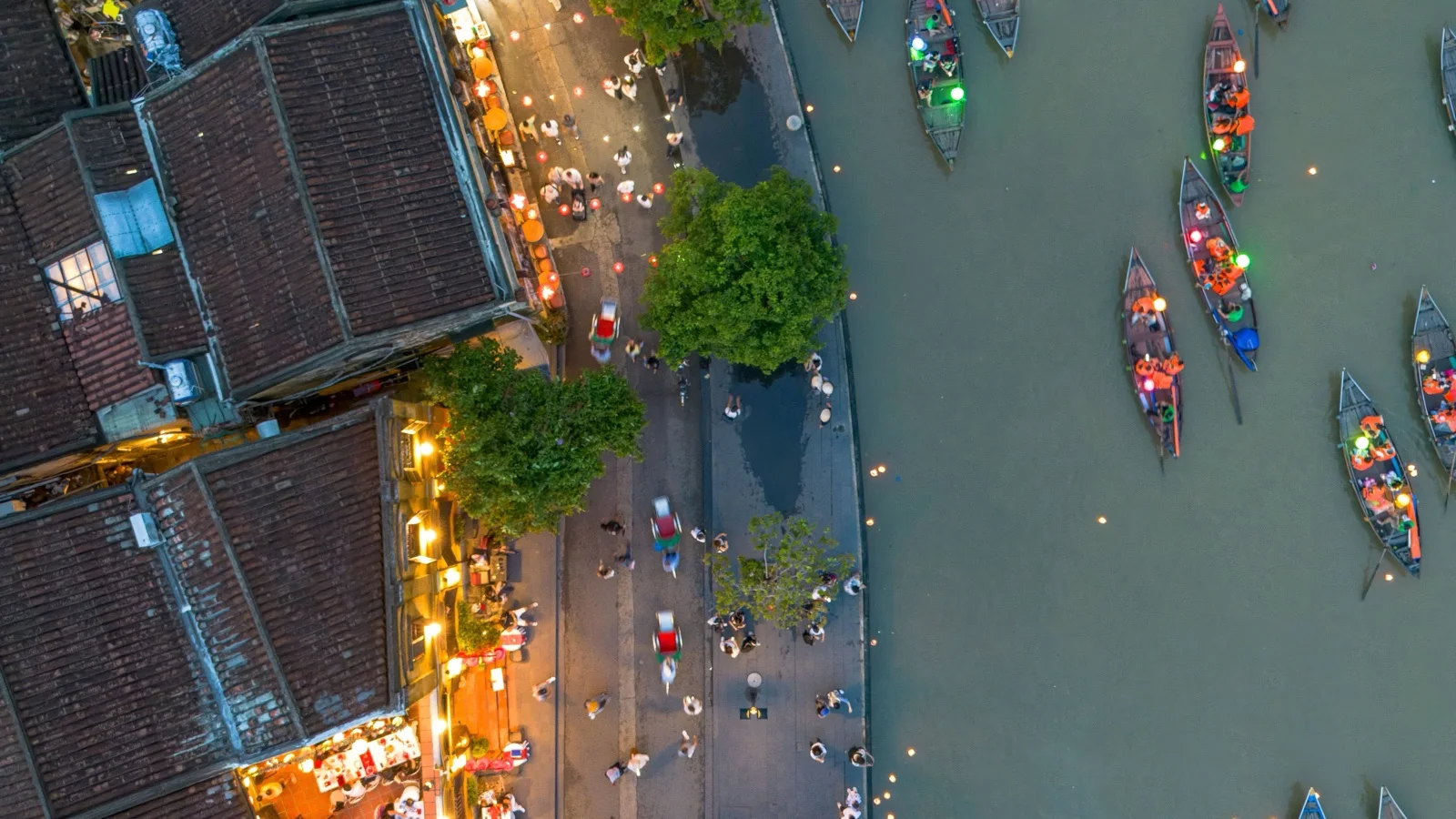
Want the editable version of this route?
Open the Instaboard template and adapt stops, timing, and notes to fit your trip.
Hoi An is a small Vietnamese port town where the old streets glow amber under lanterns every night. Three days here gets you the old town, hands-on craft villages, jungle ruins, and a real beach; the only mistake is bad timing and wasted energy.
Spring is the sweet spot for this coast: dry, sunny, calm seas. That is why lantern evenings and beach afternoons can share one trip.
Day 1
Today is old town only, all on foot: a bridge with a temple inside, a merchant house, and a hall full of dragons.
Japanese Bridge
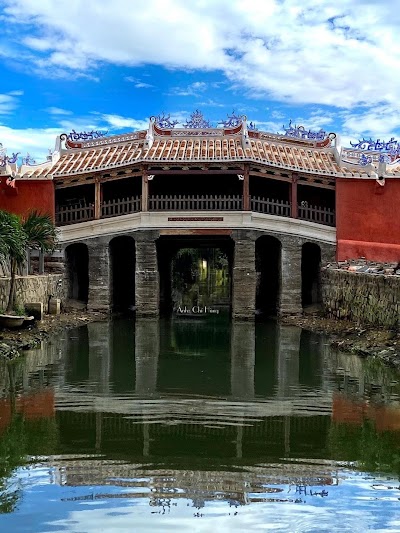
Start at the Japanese Bridge, Hoi An's postcard: a covered wooden bridge built in the 1600s by the Japanese merchant community, with a small shrine inside. Back then this was a working international port, and the bridge linked the Japanese quarter to the Chinese one; commerce walked across it daily.
It's a genuine relic, not a rebuild for visitors, and yes, the town's most photographed object takes roughly eleven steps to cross. Come at opening, because by mid-morning the narrow interior feels like two hundred people.
Tip: Buy the combined old town ticket at the gate before entering. It covers this bridge plus several heritage houses, and the line grows long by mid-morning, so go at opening to beat tour groups.
Old House of Tan Ky
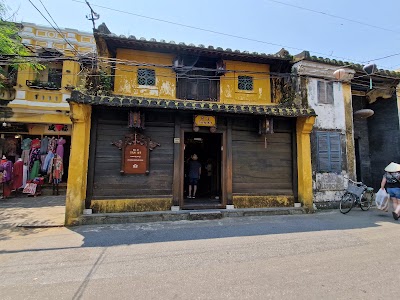
A few lanes over, the Old House of Tan Ky has been kept by one family for generations: Japanese beams, Chinese carvings, Vietnamese layout. It backed onto the river so cargo could be unloaded straight into the house; the family's wealth arrived by boat, at the back door.
Expect cool dark wood, carved beams overhead, and wall markings showing how high floodwater reached in bad years; the river treated doors as optional. Come in the morning, when you can actually hear the family guides over the chatter.
Tip: Walk over with the same combined ticket and arrive early. The narrow rooms fill fast with groups, and the family guides explain the Japanese and Chinese architectural details best when it is quiet.
Fujian Assembly Hall
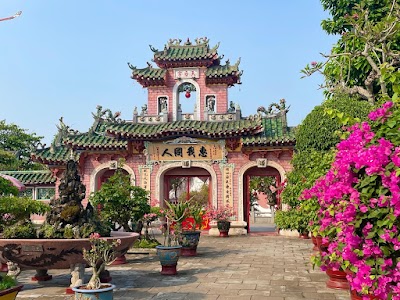
Then the Fujian Assembly Hall, part temple, part clubhouse, built by Chinese merchant communities doing business far from home. There's an intricate gate, a fountain full of dragons, and incense coils hanging low enough to slow your walk through the courtyard.
Think infrastructure, not decoration: halls like this were how foreign traders organized worship, networking, and community under one roof. After lunch the bus waves thin out, and if one unloads anyway, give the courtyard ten minutes and it clears.
Tip: The combined ticket also covers entry here. Visit after lunch when the crowd thins, and bring small cash for incense offerings at the dragon fountain before the main hall.
Day 2
Today goes hands-on: herbs at a riverside farm, clay on a potter's wheel upriver, and the river itself, lantern-lit, after dark.
Tra Que Vegetable Village Restaurant
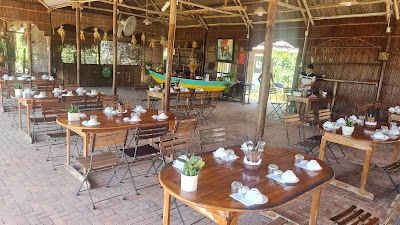
Tra Que is a riverside herb village, farmed this way for centuries, and it's why cao lau, Hoi An's signature noodles, tastes the way it does. You ride out through rice paddies, pick herbs alongside the farmers, then cook the classics yourself; it's the rare food day where you meet the supply chain.
Yes, you're paying to do half a morning of farm labor, graded on knife skills by someone who does this before breakfast daily. Book this one a day ahead, because the farm tour and cooking class run on a schedule, not walk-ins.
Tip: Book the farming tour and cooking class at least a day in advance. You ride a bicycle or taxi through rice paddies, harvest herbs alongside farmers, then cook cao lau yourself with well water from the village.
Thanh Ha Pottery Village, Hoi An
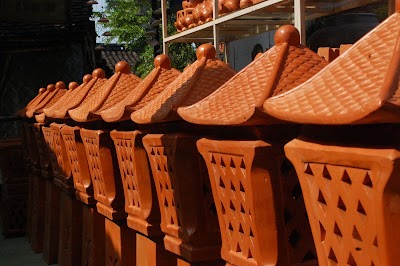
In the afternoon, a short ride upriver is Thanh Ha, where families still throw pots by hand, at speeds that ruin your confidence. Craft villages like this were the manufacturing base behind the old port; this is literally what Hoi An had to ship.
You'll watch a craftsman finish a vase in ninety seconds, then spend twenty minutes producing something a toddler would disown. Small cash tips are welcome where you try the wheel, and your pot won't survive the trip home.
Tip: Take the short taxi or boat transfer upriver and try throwing your own pot at a family workshop. Small cash tips are appreciated, and the terracotta park photographs best before closing hours.
The Morning Glory Waterfront Village Hoi An

After dark, head to the Thu Bon waterfront. This river built Hoi An, and at night it retires into amber lantern reflections.
A boatwoman rows your wooden sampan past the glowing waterfront, the one moment where the tourist version and the postcard genuinely agree.
You'll circle through a hundred identical lantern boats, every passenger photographing every other boat, all convinced they got the shot. Sampans leave from the An Hoi side at a flat per-boat cash rate, so agree the price before the boat leaves the bank.
Tip: Head to the waterfront after sunset when lanterns reflect on the Thu Bon River. Sampan boats board near the An Hoi side at a flat per-boat cash rate, so agree on the price before casting off.
Day 3
Today asks for one brutal alarm: Hindu towers in a jungle valley at sunrise, then a beach afternoon you will have earned.
My Son
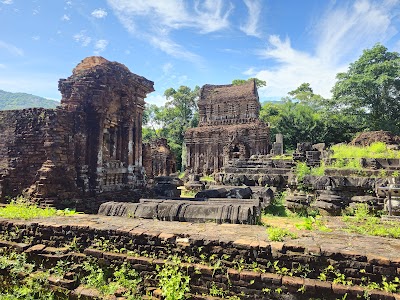
My Son is a valley of red-brick Hindu towers built by the Chams, a civilization here long before Hoi An's port era. The bricks fit together without mortar, and bomb craters still pock the ground; war is why several towers stand as elegant stumps.
Sunrise is the whole play: prebook the transfer, because by mid-morning the tour buses and the heat arrive at the same time. You'll set an alarm normally reserved for catching flights just to stand in a quiet valley, and it ends up the best call of the trip.
Tip: Prebook a sunrise guided transfer from Hoi An. The Cham towers sit 45 minutes away and the jungle valley is coolest, emptiest, and most photogenic before 9am; wear a light layer for the early ride.
An Bang Beach
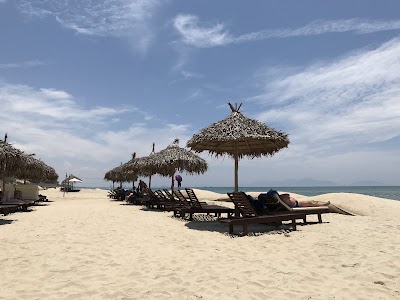
Then An Bang, a proper swimming beach ten minutes from the old town: soft sand, beach clubs, and seafood grills working the shoreline. It's the counterweight to two days of temples: a lounger, a swim, and clams ordered by the kilo with your feet in the sand.
Spring's calm seas make the swimming reliable now; once the summer weather pattern arrives, that changes. Agree seafood prices before they hit the grill, then decide whether the second swim comes before or after the second plate of clams.
Tip: Arrive after the My Son transfer with time to rent a lounger at a beach club, order fresh seafood grills by the kilo, and swim until the late-afternoon crowd thins.
What to book ahead
- Book old town or riverside hotel (2-3 months advance) - Spring is peak season in Hoi An; central stays sell out first
- Reserve My Son sunrise tour with transfer (1-2 weeks advance) - Guided transfers from Hoi An leave before dawn and include entry ticket
- Book Tra Que farming tour and cooking class (3-5 days advance) - Classes cap group size and mornings fill fastest
- Reserve Cham Island speedboat snorkeling trip (optional) (1 week advance) - Only runs reliably in calm spring seas; confirm weather the day before
- Arrange airport transfer from Da Nang (1 week advance) - Da Nang airport is about 45 minutes from Hoi An by car
What to pack
Essentials
- Light breathable clothing - Spring days are warm and humid in central Vietnam
- Comfortable walking sandals - The old town is pedestrian-only with uneven cobblestones
- Cash in VND - Market stalls, boats, and incense vendors rarely accept card
- Reef-safe sunscreen - Beach afternoons and boat days under strong tropical sun
- Light cover-up for temples - Modest dress is expected at active temples and assembly halls
Nice to have
- Swimwear - For An Bang Beach or a Cham Island snorkeling alternative
- Insect repellent - Mangrove boat rides and lantern-lit river evenings
- Reusable water bottle - Tropical heat while walking the old quarter
- Compact rain layer - Brief late-spring showers can pass through quickly
Final take
Hoi An's whole magic is that the river moved on and the town never changed. Three days of lanterns, ruins, and beach fit inside that accident.
Plan this trip
Turn this guide into an editable trip plan
Open the route in Instaboard, adjust the stops, and share the itinerary with your travel group.