Travel Guide
Hong Kong in 3 Days: Peak Tram, Temples & the Big Buddha
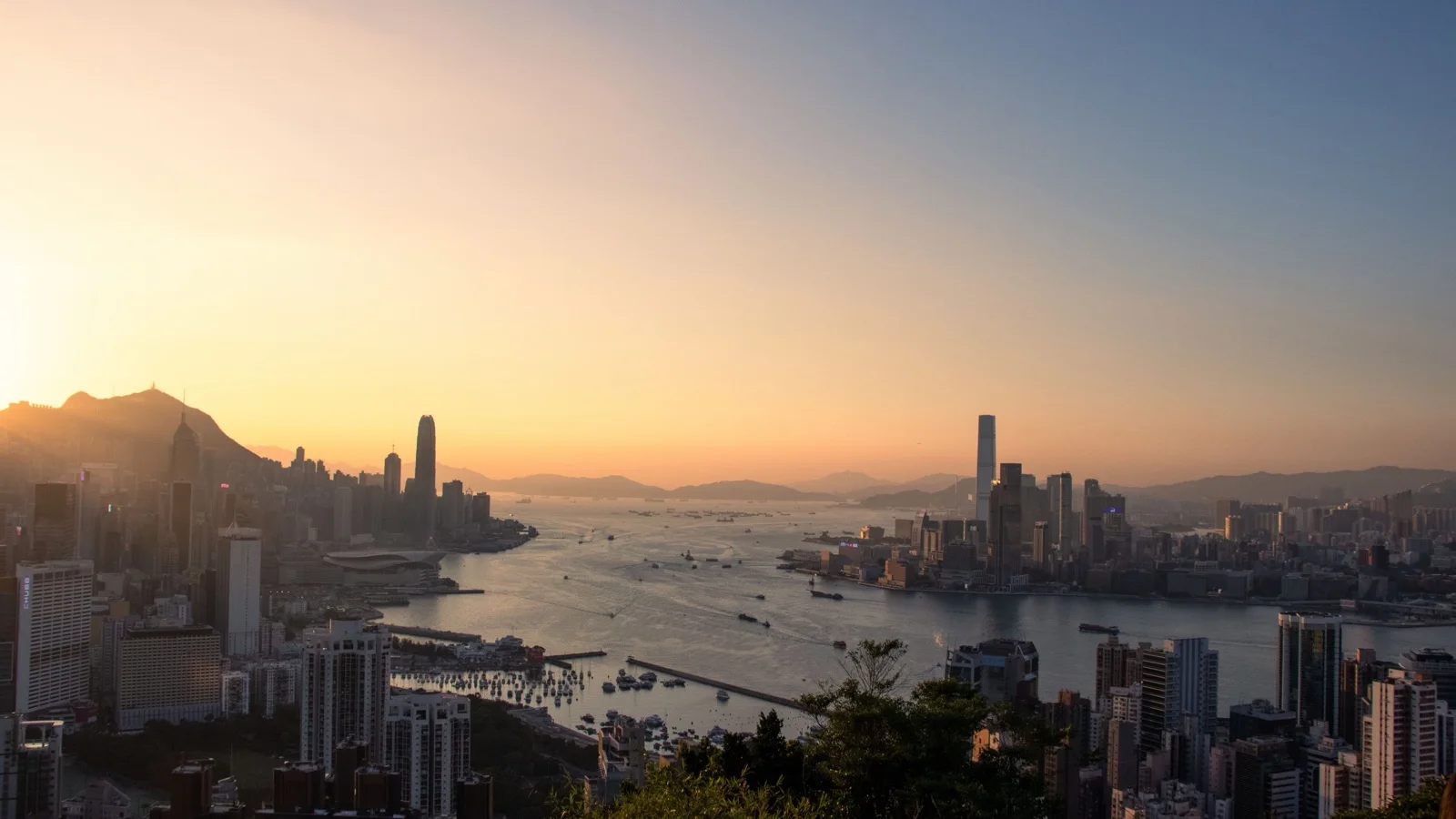
Want the editable version of this route?
Open the Instaboard template and adapt stops, timing, and notes to fit your trip.
Hong Kong is a city where skyscrapers pile up between mountains and harbor, and somehow three days is both too short and exactly enough. The trick is knowing which views to chase at sunrise, which neighborhoods to graze through, and which queue will eat half your afternoon if you time it wrong.
October and November are when this city opens up. The humidity drops, the haze clears, and suddenly every rooftop, peak, and waterfront is doing its best work.
Day 1
Day one is Hong Kong Island. Go straight up to The Peak for the skyline you've seen a thousand times, then back down through Soho's food streets.
The Peak Tram
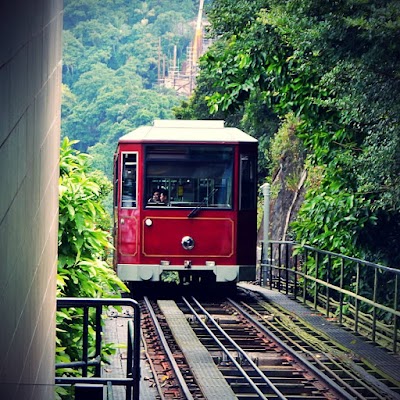
The Peak Tram has hauled people up Hong Kong Island since 1888. It's a steep funicular railway that drags you through the Mid-Levels to Victoria Peak.
Halfway up, the grade tilts so steeply that the buildings outside your window appear to lean at impossible angles, and it's a real optical effect, not distortion.
Get the first departure you can, because by midday the queue at the bottom can stretch past an hour, and the ride lasts about seven minutes. Grab the right side of the tram on the way up. That's where the harbor flashes between the towers as you climb.
Tip: Prebook your Peak Tram ticket online to skip the long queue at the lower terminus. Board early morning for the clearest views during the steep ascent through the Mid-Levels.
Victoria Peak
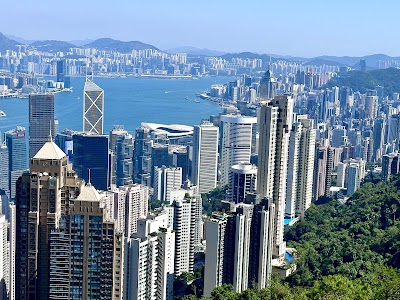
Victoria Peak is the highest point on Hong Kong Island, the vantage behind every postcard skyline shot you've ever seen of this city. What hits you is the compression: thousands of towers wedged into a narrow strip between mountains and water, seen from directly above.
Most people pay for the Sky Terrace deck, but the free Lugard Road loop circles the peak with constantly changing angles and almost no crowd. The catch is cloud. The peak sits in it more often than you'd think, so check the live webcam before you commit the trip up.
Tip: Arrive at the Sky Terrace right after the tram ride; autumn mornings offer crisp visibility across Victoria Harbour. Walk the Lugard Road loop for free panoramic shots away from the crowd.
Central-Mid-Levels Escalators
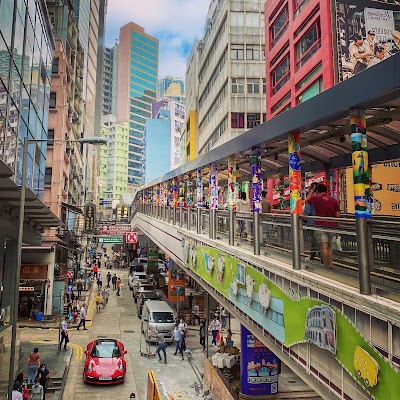
Hong Kong built an 800-meter chain of outdoor escalators because expecting people to climb this hill on foot every day was genuinely unreasonable. The whole system runs one direction at a time: downhill for the morning commute, then uphill the rest of the day, threading through Soho's food stalls.
You're gliding past dai pai dong kitchens and retro signage while standing still, which is about as Hong Kong as a commute gets. Bring cash; the small vendors along the route don't take cards. Remember it only runs uphill in the afternoon, not back down.
Tip: Ride the covered escalator network in the afternoon to explore Soho's cafes and street stalls. Bring cash for small dai pai dong vendors along the way.
Day 2
Day two starts with a quiet temple in Sheung Wan, then crosses the harbor to Kowloon's waterfront for the most photographed sunset in the city.
Man Mo Temple
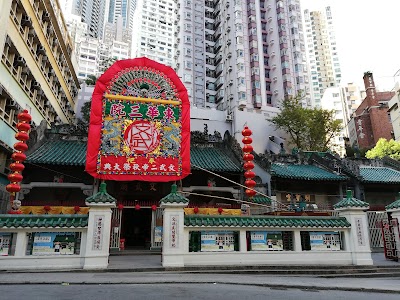
Man Mo Temple is one of Hong Kong's oldest, built in 1847 and dedicated to the gods of literature and martial arts. Giant incense coils hang from the ceiling like amber chandeliers, each spiraling down from the rafters and burning for days in thick sweet smoke.
In the colonial era, this temple doubled as a community courthouse where Chinese residents settled disputes before a formal court system existed to serve them. Come before ten in the morning because it's small and tour buses fill it fast. Twenty quiet minutes here beats an hour of being jostled.
Tip: Visit early in the morning before the tour bus crowd arrives to appreciate the hanging incense coils in peace. Entry is free but donations are welcomed at the gate.
Tsim Sha Tsui Promenade
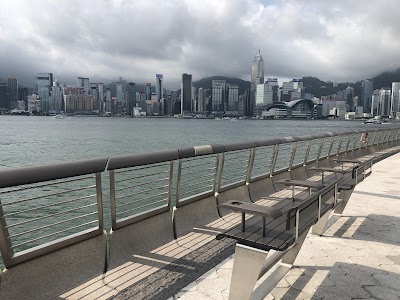
The Tsim Sha Tsui Promenade is a free walkway on the Kowloon side, where the entire Hong Kong Island skyline faces you head-on. This is the angle behind basically every nighttime skyline photo you've seen of Hong Kong: the towers face you across the harbor, not away.
Golden hour into dusk is when the skyline lights come on, and autumn air is clear enough that the towers stay sharp instead of dissolving. Show up forty minutes before sunset, because the railing fills fast and the best angles go early. Weekdays give you space, weekends give you elbows.
Tip: Walk the harborfront at golden hour for the best free skyline photography spots along the entire promenade. Weekends get busy, so arrive on a weekday for fewer people.
Avenue of Stars HK
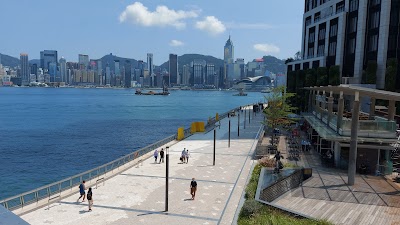
The Avenue of Stars runs along the same waterfront, Hong Kong's tribute to its film industry, which shaped global action cinema from the seventies through the 2000s. The centerpiece is a bronze Bruce Lee frozen mid-kick, the single most photographed object on the entire harborfront.
The handprints and plaques are the excuse to be here, but the lit skyline behind them is the real draw. The statue crowd is worst at sunset, so walk east along the promenade where it thins out, or come back after eight for a clean shot.
Tip: Stroll past the Bruce Lee statue at dusk and stay for the 8 PM Symphony of Lights show. The waterfront gets crowded, so grab a railing spot ten minutes in advance.
Day 3
Day three leaves the city for Lantau Island. A cable car over open water to a mountaintop Buddha is about as dramatic a day trip as Hong Kong offers.
Ngong Ping 360
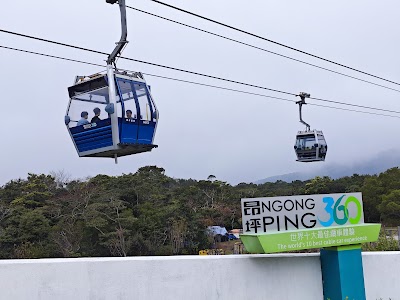
Ngong Ping 360 is a gondola that swings you over open water and mountain ridgeline for twenty-five minutes, the most dramatic way to reach the Big Buddha on Lantau. There's a glass-bottom version called the crystal cabin, and looking straight down at the bay and forest canopy through the floor is a genuine experience.
Roughly half the cabin will spend the entire ride pretending not to look down, which is its own kind of entertainment. Go early because the line builds by late morning, and the cable car shuts in high winds, so check it's running before committing a day to Lantau.
Tip: Prebook a crystal cabin ticket in advance for the glass-bottom gondola experience over the bay. Morning departures from Tung Chung avoid the longest lines.
Tian Tan Buddha
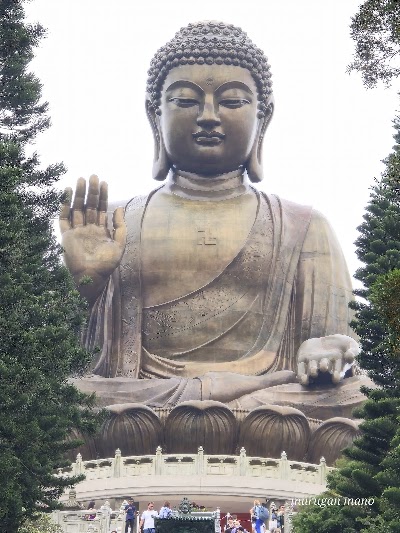
The Tian Tan Buddha is a thirty-four-meter bronze statue seated on a Lantau hilltop, reachable by climbing 268 steps to its base. The surprise is that it was completed in 1993, a modern monument, not ancient heritage, and the bronze gives it a different weight than stone up close.
The crowd clusters at the base and thins out above, once people realize there are 268 stairs with no shade and no shortcuts. Bring water, because those steps are fully exposed and autumn's cooler air is the one thing making this climb reasonable instead of punishing.
Tip: Climb the 268 steps to the Buddha base in the morning when temperatures are cooler. Check opening hours before visiting as weather closures occasionally happen.
What to book ahead
- Book Peak Tram Sky Pass combo ticket online (3–5 days before departure) - Includes Sky Terrace 428 entry and lets you bypass the main queue at the lower terminus.
- Reserve Ngong Ping 360 crystal cabin ticket (1 week before, especially for weekend visits) - Crystal cabin sells out in advance; standard cabin is the walk-up fallback.
- Check Symphony of Lights schedule and weather (Night before Day 2) - Show runs at 8 PM nightly but may be suspended in poor weather conditions.
- Load Octopus Card with at least HKD 200 (On arrival at airport or first MTR station) - Covers Star Ferry, MTR, buses, and trams for the full 3-day trip with buffer.
What to pack
Essentials
- Comfortable walking shoes - Hong Kong involves extensive walking through markets, promenades, and temple grounds across all three days.
- Octopus Card - Essential for MTR, buses, ferries, trams, and even small convenience stores—load it at the airport on arrival.
- Lightweight breathable layers - Autumn afternoons are warm but evening ferry decks and mountain peaks can feel cool.
Nice to have
- Portable power bank - Long days of GPS navigation, photography, and MTR route-finding drain phone batteries fast.
- Reusable water bottle - Stay hydrated during humid autumn afternoons; refill at public water fountains in MTR stations.
- Travel umbrella - Autumn occasionally brings brief showers; compact umbrellas double as sun shade at exposed viewpoints.
Final take
Three days here and you get why Hong Kong lingers. It's a city that crams millions of lives into vertical glass between mountains and sea, and makes it look effortless.
Plan this trip
Turn this guide into an editable trip plan
Open the route in Instaboard, adjust the stops, and share the itinerary with your travel group.