Travel Guide
Hualien 3-Day Itinerary: Taroko Gorge, Qingshui Cliff & the East Rift Valley (Autumn Trip)
Want the editable version of this route?
Open the Instaboard template and adapt stops, timing, and notes to fit your trip.
Hualien is where Taiwan's marble gorge runs straight into the Pacific, and it's criminally underrated. Get your timing wrong and you'll drive an hour into a closed gorge; get it right and the whole coast opens up.
Autumn is the sweet spot out here: dry air, fewer typhoons, and visibility that makes the marble walls actually look like the photos.
Day 1
Today is all Taroko Gorge. Those marble walls will startle you the first time you drive up, and the milky-turquoise river underneath them still will.
Taroko National Park Visitor Center
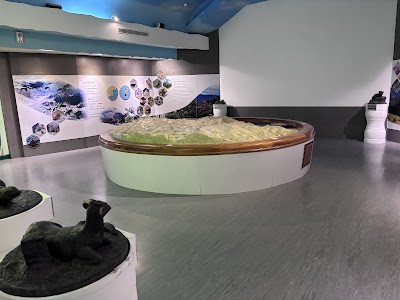
Start at the Taroko Visitor Center, yes, the orientation stop, because it has the only reliable board of which gorge trails are actually open today. The exhibits cover the Truku people the gorge is named for, and how limestone cooked into marble, which is why the river runs that milky turquoise.
Tour buses land between nine and ten; before nine it's just independent travelers, rangers, and forty-five minutes that can save your whole day. Photograph the closure board before you drive up-valley, since trails here can shut mid-day once weather moves in, and assumption is not a plan.
Tip: Reserve any guided orientation or permit-required programs in advance online, arrive before 9am to beat the tour buses, and check the live trail-closure board.
Shakadang Trail
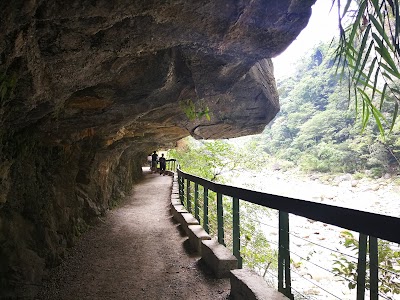
Next is Shakadang Trail, Taroko's most forgiving walk: a riverside path beside absurdly blue-green water with basically zero climbing. It's flat because the path was built beside an old water channel, and in a park famous for vertical terrain, hikers vote with their knees.
It's busiest the first thirty minutes, then thins out past the first rest stop, family-run spots that feel like someone's front yard, because they basically are. Carry water and cash, since those mid-trail stops rarely take cards, and if the famous blue looks gray-brown, that's silt from rain, not dye.
Tip: The trail is flat and shaded, but bring your own water and some cash, since the small rest stops mid-trail rarely take card.
Changchun Shrine
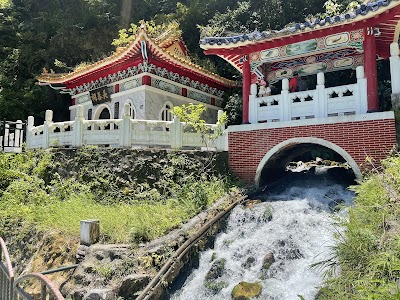
Finish the Taroko day at Changchun Shrine, the postcard image of the gorge: a memorial tucked into a cliff notch with a waterfall pouring beneath it. It honors the workers who died building the Central Cross-Island Highway. That road cost lives, and the waterfall is why it's called Eternal Spring.
You hear the falls before you see the shrine; spray drifts across the platform while everyone takes the same photo, then four more for insurance. Come before mid-afternoon or you'll photograph the backs of tour groups, then take your shot and wait at the quiet end of the platform.
Tip: It's a short walk from the parking pull-off, so time your photo before mid-afternoon tour groups queue up the viewpoint.
Day 2
This time the gorge gives way to the coast: raw cliffs over the Pacific, a beach that shouldn't exist, and a wartime surprise back in Hualien city.
Qingshui Cliff
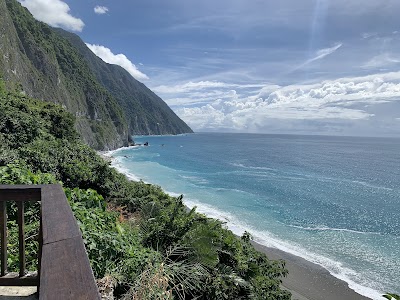
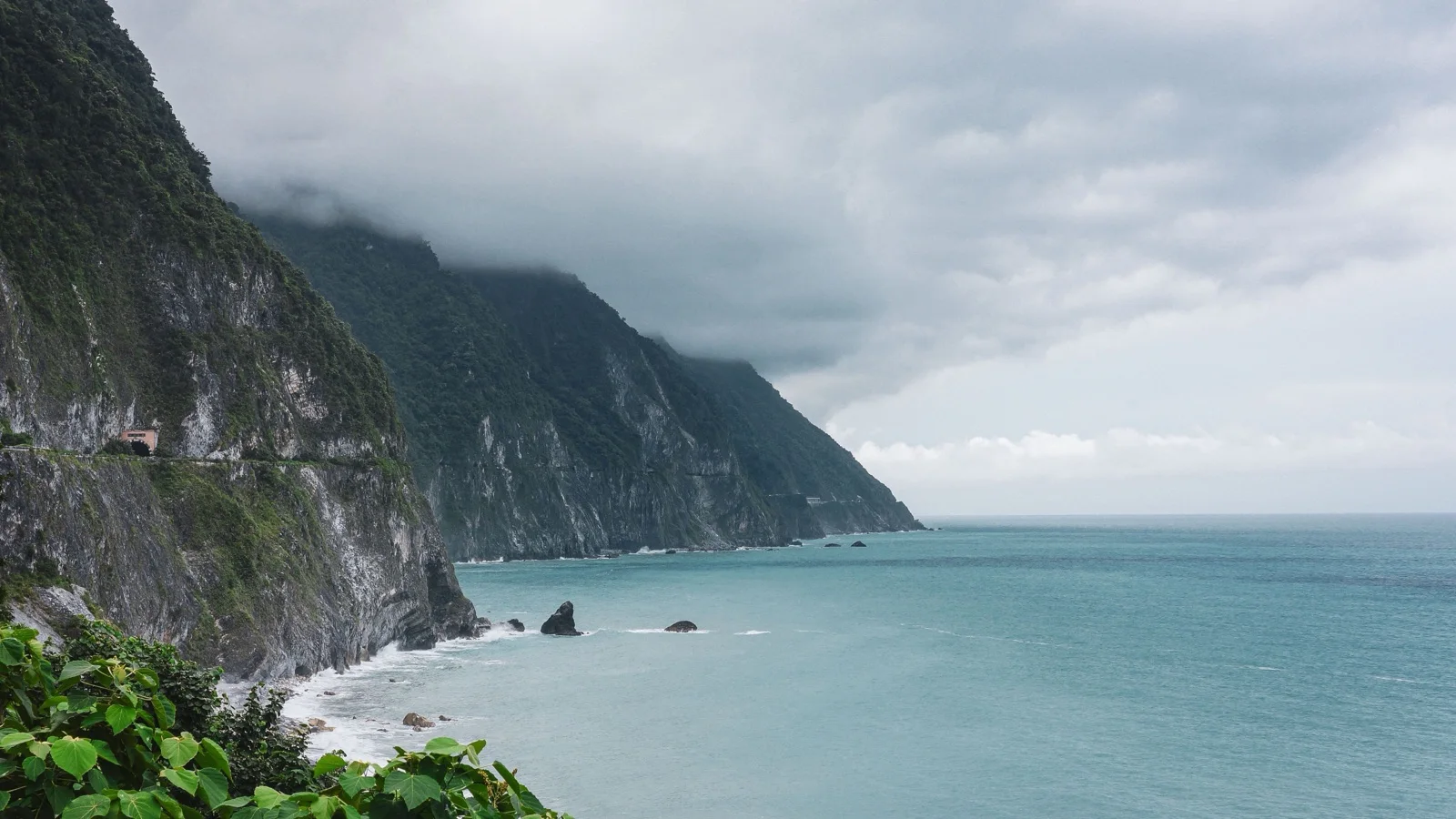
Qingshui Cliff is one of the sharpest edges in Taiwan: rock dropping roughly eight hundred meters straight into the Pacific, with no transition at all. This is plate-collision coastline, where the land is being shoved up faster than the sea can wear it down, which is why the cliff looks freshly cut.
Mid-morning is the window because autumn air is clearest before coastal haze turns milky; earlier is colder, later loses the blue. Nobody hikes here, and buses cycle through in waves, so stick to the viewing lot, because parking on the highway shoulder is a genuinely bad idea.
Tip: Park only in the designated viewing lot and arrive mid-morning, when autumn's clear air gives the best ocean panoramas before coastal haze builds.
Chongde Beach
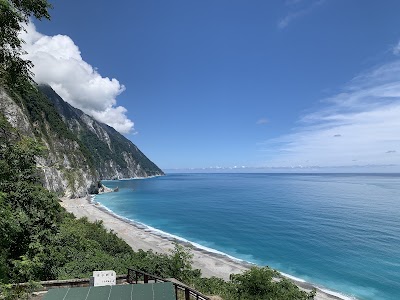
Minutes down the road, Chongde Beach is the anti-postcard: no sand, just round gray pebbles, dark surf, and those same cliffs stacked behind you. Look at the cliff, then at the beach; this coast erodes fast, and the pebbles underfoot are the cliff, actively recycled.
You hear this beach before you reach it: every wave sets the pebbles clacking, and every step is a small negotiation with rolling stone. It's usually near-empty because everyone stays up at the cliff platform, so bring sturdy shoes, check the tide, and keep your dry shoes dry.
Tip: Wear sturdy shoes for the pebbles and check tide times before walking far along the dark-blue surf line.
Pine Garden
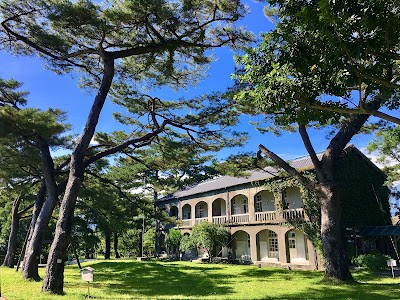
Back in Hualien city, Pine Garden is a WWII-era Japanese military building under huge old pines, looking straight down at the harbor and the Pacific. Local lore says kamikaze pilots spent their final nights here; the evidence is thin, but the wartime weight of the building is real either way.
Now it's art exhibits and coffee: pine shade, creaking floors, sea breeze through open windows, a building that quietly outlived the empire that built it. Read the display panels because they carry the story the view doesn't, and go early afternoon, since autumn hours here run shorter than you'd guess.
Tip: The entry ticket is inexpensive and opening hours shorten in autumn, so visit before late afternoon.
Day 3
The last day goes soft: Japanese-era temple calm, a lake sitting in the seam between two mountain ranges, and souvenirs in an old winery.
Ji'an Qingxiu Temple

Ji'an Qingxiu Temple is a beautifully restored Japanese-era temple, wooden halls, hanging lanterns, rows of stone Buddhas, and for a second you'll think you're in Kyoto. It was built by Japanese settlers when Ji'an was a planned colonial farming village, and it survived when nearly everything else from that era didn't.
Morning is the move because tour groups build from mid-morning; before that it's camphor shade, incense, gravel underfoot, and long silences. It's a short bus or taxi from downtown, under an hour covers the site, and remember it's an active religious site, so keep the volume down.
Tip: Book a guided culture tour in advance or reserve a morning slot online, then take the short bus or taxi ride from downtown before tour groups arrive.
Liyu Lake
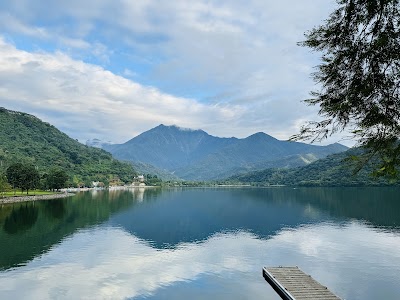
Liyu Lake is a calm rift-valley lake between two mountain ranges, and the flat seam you're pedaling across is where two plates are slowly colliding. Morning water is glass, hills reflected in it; by afternoon the breeze writes whitecaps across your reflection, so the calm is a morning thing.
Rent a bike: the loop is flat, short, and honest value, though pedal boats remain the only way to sweat while standing still. Rental kiosks open around nine and prefer cash; weekday mornings you may have the shoreline mostly to yourself.
Tip: Morning water is glassiest, and rental kiosks handle boats and bikes from opening around 9am, cash preferred.
Hualien Cultural and Creative Industries Park
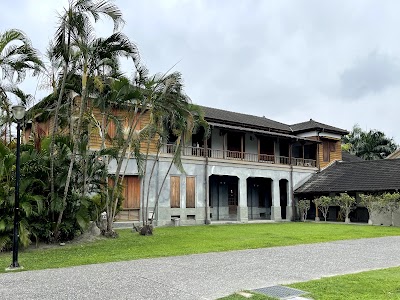
The finale is Hualien's Cultural and Creative Industries Park, an old wine distillery campus where the fermentation warehouses became galleries, cafes, and craft shops. It smells like coffee in rooms that used to smell like wine; Taiwan recycles its old factories into culture, and the brick does the explaining.
Most galleries are free to wander, it's fully indoors and rain-proof, and it ends three days of geology seated at an actual table. Give it the last ninety minutes and buy souvenirs here, not at the airport; some halls sit empty between shows, but the brick never does.
Tip: Entry to most galleries is free, though special exhibitions may sell a separate ticket, and the cafes make an easy afternoon rest.
What to book ahead
- Book rental car or scooter (2-3 weeks before) - Autumn is high season on the east coast; automatic cars sell out first.
- Reserve Taroko Visitor Center orientation and guided programs (1-2 weeks before) - Guided orientation and permit-linked programs book out in autumn peak.
- Check Taroko trail and road status (2 days before and evening before) - Gorge sections close after rockfall; the park website posts daily updates.
- Reserve Hualien City hotel for nights 1-2 (3-4 weeks before) - Staying downtown keeps Dongdamen and Qixingtan within a short taxi ride.
- Book Ji'an Qingxiu Temple culture tour slot (1 week before) - Guided shrine tours run limited morning sessions; reserve online in advance.
- Prebook Farglory Ocean Park tickets if family itinerary (1 week before) - Online tickets skip the gate queue on weekends.
What to pack
Essentials
- Layered light jacket - Autumn evenings on the coast and in the gorge turn cool and windy fast.
- Sturdy walking shoes - Gorge trails and Qixingtan's round pebbles demand grippy, closed footwear.
- Cash (NTD) - Night market stalls, trail rest stops, and boat rentals are mostly cash-only.
- International driving permit - Required to legally rent a car or scooter for the gorge and coast roads.
- Sunscreen and sunglasses - Autumn UV stays strong on exposed cliff viewpoints and the lakeside path.
Nice to have
- Compact rain shell - Sporadic autumn showers pass quickly in the gorge and rift valley.
- Power bank - All-day navigation and photo sessions drain phones on the road.
- Motion sickness tablets - The Su-Hua Highway and gorge switchbacks are winding.
- Reusable water bottle - Refill at visitor centers before trailheads; shade stops are sparse.
Final take
Hualien sticks with you: a gorge carved from marble, an island that ends in a cliff, and a small city that makes it all feel easy.
Plan this trip
Turn this guide into an editable trip plan
Open the route in Instaboard, adjust the stops, and share the itinerary with your travel group.