Travel Guide
2 Days in Incheon: Seoul's Overlooked Neighbor (Free Itinerary)
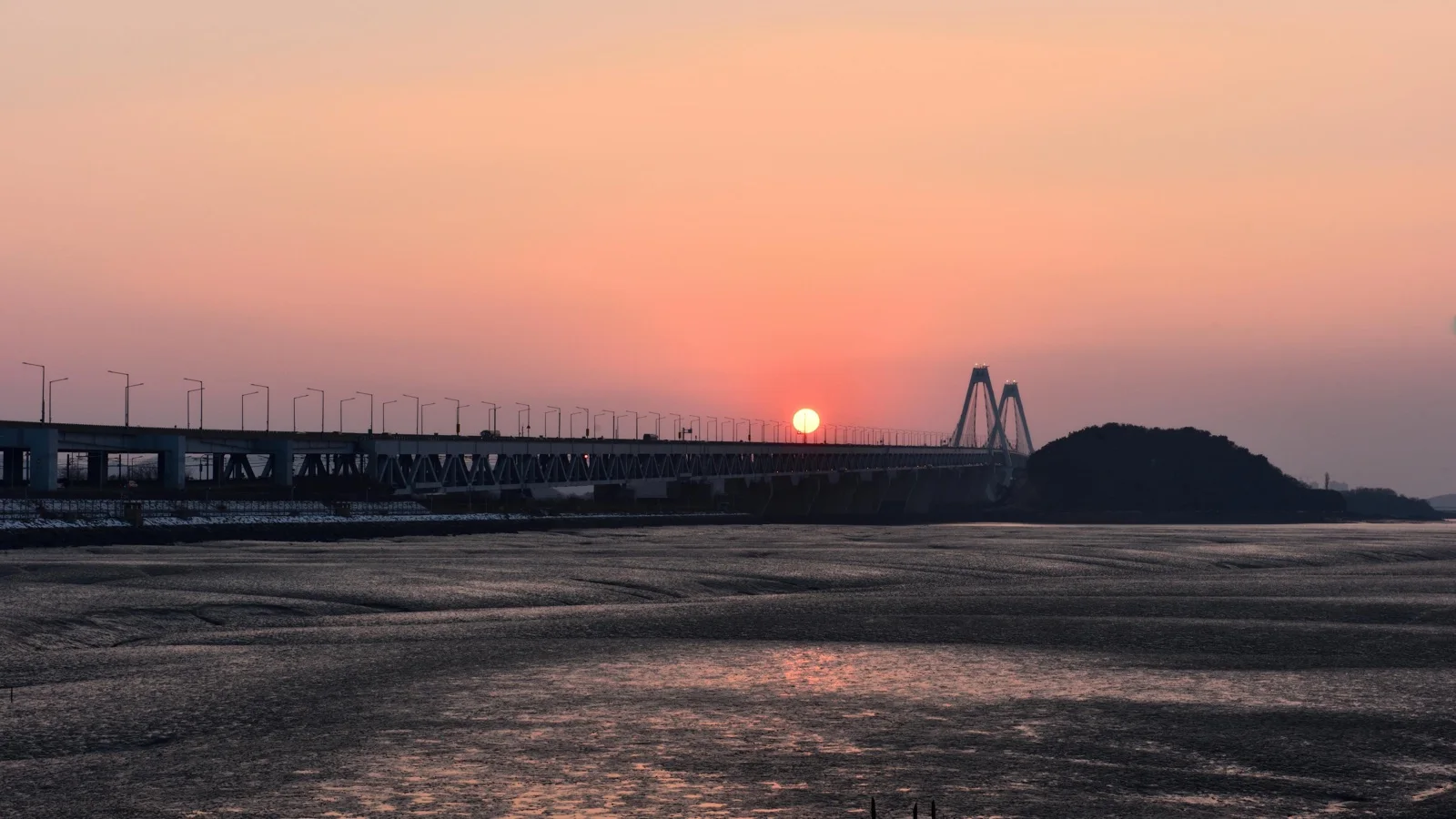
Want the editable version of this route?
Open the Instaboard template and adapt stops, timing, and notes to fit your trip.
Most people only know Incheon as the airport they land in before taking the train straight to Seoul, but the city itself is a weird, specific little place worth a couple of days on its own. Two days is enough to walk through Korea's only Chinatown, stand inside actual 19th-century treaty-port buildings, and ride a monorail around an island at sunset. You just have to know what is worth the stop.
Spring and autumn are the sweet spots for Incheon, with comfortable walking weather along the coast and the old port streets. Honestly, though, this city handles most seasons fine if you dress for the wind.
Day 1
Day one stays in the old port district: one Chinatown that birthed a national dish, a street of buildings older than modern Korea, and a hilltop where you can see the whole story from above.
Incheon Chinatown
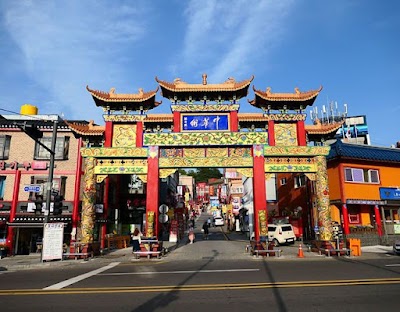
Incheon Chinatown is Korea's only officially designated Chinatown. A country of fifty million people has exactly one, and it started in 1884 when Chinese merchants settled in a Qing-dynasty concession right after the port opened. This is where jajangmyeon was born, the black bean noodles that every Korean person has eaten since childhood, created by Chinese immigrants cooking with Korean ingredients until it became something entirely its own.
Red-and-gold paifang gates frame a narrow street that smells like caramelized onion and fermented bean paste, with steaming kitchen windows lining both sides. Get here before noon because the popular restaurants like Gonghwachun fill up fast once the tour buses arrive. Duck into the side streets, where the actual neighborhood bakeries and smaller eateries are.
Tip: Arrive before noon to beat the lunch crowd at popular restaurants like Gonghwachun. Wander the side streets beyond the main drag for smaller, quieter eateries and bakeries.
Incheon Open Port Street
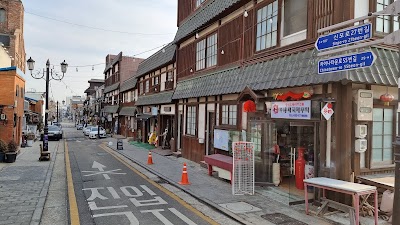
Right next to Chinatown, Incheon Open Port Street is where modern Korea cracked open. When the Treaty of Chemulpo in 1883 forced the port to international trade, Japanese, Chinese, Western, and Korean buildings all went up side by side. These are the real trading-era structures, not reconstructions: old brick facades and uneven cobblestone, former banks and hotels that now hold bakeries and small galleries, with the smell of fresh bread drifting out of what used to be a trading house.
A street where nineteenth-century Japanese, Chinese, American, and Korean interests all competed for influence is now home to excellent cake shops. The layers are kind of perfect. Step into the former Daebul Hotel and the Jemulpo Club if you want to see what this place actually looked like a hundred and thirty years ago. They are small, but they give the street real context.
Tip: Wear comfortable shoes. You will walk several blocks of cobblestone and brick, popping into bakeries and small galleries along the way.
Jayu Park (Freedom Park)
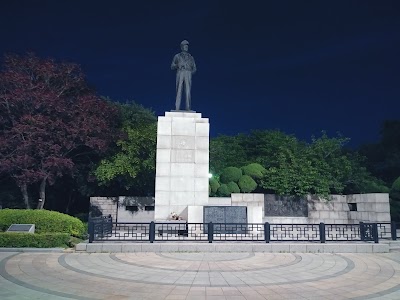
Jayu Park sits on the hill above the port. It is Korea's first Western-style park, and the best vantage point to understand Incheon's geography in one glance. There is a statue of General MacArthur up here commemorating the 1950 Incheon Landing, his amphibious assault that turned the Korean War. It is one of the only prominent American military statues in the country, and it still draws veterans and occasional protests.
The walk up through mature trees takes about ten or fifteen minutes on a gradual paved path, and then the canopy opens and you are looking at port cranes, container ships, and the Yellow Sea stretching west. It is windy up there, but that is part of it. After spending the day walking through the multicultural streets below, climbing up here and seeing the whole port that made all of it happen is the right way to close out this part of Incheon.
Tip: Bring a warm layer if visiting in cooler months. The hilltop is exposed and windy, but the panoramic views over the port are worth it.
Day 2
Day two flips the script entirely: a city built from scratch on reclaimed land, a neighborhood that saved itself with paint, and an island monorail ride at golden hour.
Songdo Central Park
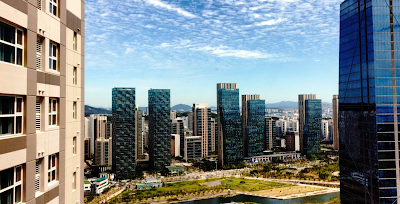
Songdo Central Park sits on land that literally did not exist twenty-five years ago. The entire Songdo district was reclaimed from the Yellow Sea, and this park was modeled on New York's Central Park. It is a hundred and one acres of seawater canal, manicured lawns, and glass towers on all sides, designed by Arup. It is genuinely beautiful, but Bloomberg called Songdo South Korea's loneliest city, and the uncanny weekday quietness is half the experience.
They built a futuristic smart city from the sea floor, surrounded it with towers, and waited for the world to show up. The world mostly sent weekend picnickers from Seoul. Walk the canal path at least partway, because the contrast between that careful urban planning and the actual stillness is something you have to feel on foot.
Tip: Book a boat rental online in advance during weekends to skip the queue. The 1.8 km seawater canal is the best way to experience the park's scale.
Songwol-dong Fairy Tale Village
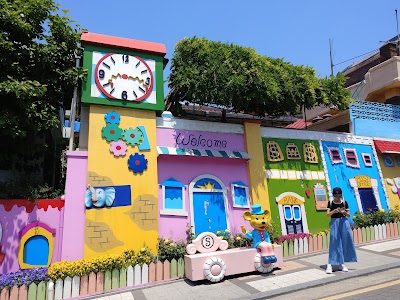
Songwol-dong Fairy Tale Village is a residential neighborhood that was emptying out as young people left, so the remaining residents painted their walls with fairy tale murals to bring visitors back. It worked. This is not a theme park built from nothing; people actually live here, so you get Cinderella next to a parked scooter and Little Red Riding Hood beside someone's grandmother's front door, with the smell of home cooking mixing in with the photo ops.
The most effective urban renewal strategy in Incheon turned out to be painting Peter Pan on the side of someone's house, and honestly, the result is more charming than anything a government tourism board would have come up with. Take the small alleys, not just the main painted path. The charm lives in the odd corners, and the afternoon light hits the murals better than a rushed morning pass-through would.
Tip: Walk the themed alleys in the afternoon for the best light on the murals. Skip the main path and explore the smaller side streets where the real character lives.
Wolmi Theme Park
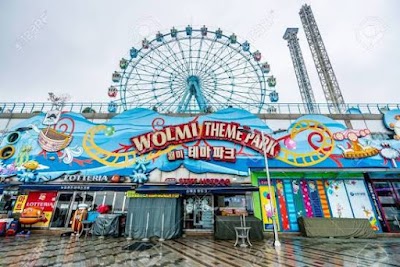
Wolmido Island has its own Korean War history; it was part of the Incheon Landing operations. Today it is a seaside leisure area, and the Wolmi Sea Train monorail loops the entire island above the coast with three-sixty views of the Yellow Sea. Most coastal views require hiking or boating. This one requires sitting down in an enclosed cabin while the monorail curves past container ships, the long arc of the Incheon Bridge, and golden-hour light on the water. Low effort, high return.
Come for sunset, because the light dropping behind the ships and bridge is the most photogenic moment across the whole two-day trip. Book your monorail ticket online ahead of time, as it has limited capacity per run and weekend evening queues back up. If you have time before or after the ride, hop off at Wolmi Culture Street for food stalls and carnival games. It is a fittingly playful way to wrap up two days in a city that somehow contains treaty-port history, a lonely smart city, and a Viking ship ride on the same peninsula.
Tip: Book your monorail ticket online before you go, especially on weekend evenings. Aim for the sunset run for the best views of the Yellow Sea and Incheon Bridge.
What to book ahead
- Book Wolmi Theme Park monorail tickets online (1-2 days before Day 2) - Weekend sell-outs are common; print or screenshot the QR code.
- Reserve Songdo Central Park boat rental (Morning of Day 2 if visiting on a weekend) - Walk-up rentals are available on weekdays but queues form on weekends.
- Check Muuido ferry schedule if substituting (Evening before) - Ferry frequency drops in winter; confirm return times.
What to pack
Essentials
- Comfortable walking shoes - You will cover several heritage streets and waterfront paths on foot both days.
- Cash (KRW) - Many Sinpo Market stalls and small eateries do not accept card.
- T-money transit card - Handy for metro and bus rides between Seoul and Incheon.
Nice to have
- Light windbreaker - Coastal breezes on Wolmido and Songdo can be chilly year-round.
- Portable charger - Long photo-heavy days at murals, markets, and viewpoints drain batteries fast.
Final take
Incheon is a city that keeps surprising you with specificity: treaty-port Chinatowns, half-empty utopias, painted alleys, and monorails over the sea. Two days is just enough to realize how much most travelers miss by racing straight to Seoul.
Plan this trip
Turn this guide into an editable trip plan
Open the route in Instaboard, adjust the stops, and share the itinerary with your travel group.