Travel Guide
Ise-Shima in 3 Days: Sacred Shrines, Pearl Coast & Ama Divers (Japan)
Want the editable version of this route?
Open the Instaboard template and adapt stops, timing, and notes to fit your trip.
There's a stretch of coast in central Japan where the country's holiest shrine sits next to a bay full of women who free-dive for pearls, and somehow almost nobody outside Japan talks about it. Three days here gets you shrine gates you can't photograph, rocks tied together like a marriage, and the best seafood you'll eat while sitting cross-legged on the floor. The trick is knowing what to show up early for and what to skip.
Ise-Shima is mild most of the year, which means spring cherry blossoms and autumn color both land well. Summer is when the ama divers are actually in the water and the beaches open up.
Day 1
Day one is the shrine day, but not in a temple-checklist way. You're walking into a cedar forest toward something you'll never actually see, and then you eat your way back out through three hundred years of mochi shops.
Kotai Jingu (Ise Jingu Naiku, Inner Sanctuary)
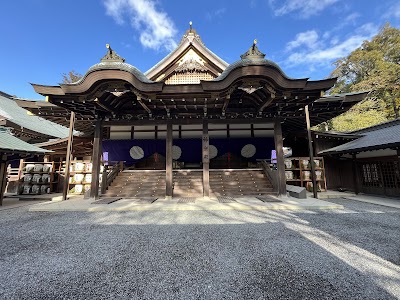
Ise Jingu Naiku is the inner sanctuary of Japan's most important Shinto shrine, home to the sun goddess Amaterasu's sacred mirror, which is kept behind four fences you can't pass. Every twenty years, they tear the entire main building down and rebuild it next door by hand: no nails, no power tools. The 62nd rebuilding finished in 2013, so the next one is 2033. The old site is left empty, waiting.
The walk in is the experience. Cedar canopy, gravel crunching underfoot, the Isuzu River on one side, and near-total silence once you cross the Uji Bridge. Get here before nine, because by late morning the tour groups arrive and the gravel path turns into a slow parade. You won't get a payoff photo of the inner sanctuary; photography stops at the gate. The whole point is what you can't see.
Tip: Arrive before 9 AM to enjoy the serene cedar-lined approach in relative quiet before the midday crowds build. The gravel paths are uneven, so wear comfortable walking shoes.
Oharaimachi Street
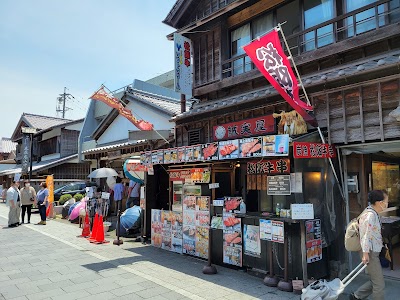
You walk out of the Naiku and straight into Oharaimachi, a stretch of wooden shopfronts that has been feeding pilgrims since the Edo period. The akafuku mochi shop here has been selling the same soft rice cakes with sweet bean paste since 1707. The line is long because the product has been consistent for three centuries, not because of a social media trend.
During the Edo period, roughly one in five Japanese people made the pilgrimage to Ise, so this street was the final approach, part sacred corridor, part snack strip. Bring cash, because the traditional vendors here don't take cards and the ATMs nearby are scarce. Some shops start closing by late afternoon, so don't save this for evening.
Tip: Walk the 800-meter approach sampling akafuku mochi from the original shop. Bring cash, as many traditional vendors do not accept card payment.
Okage Yokocho
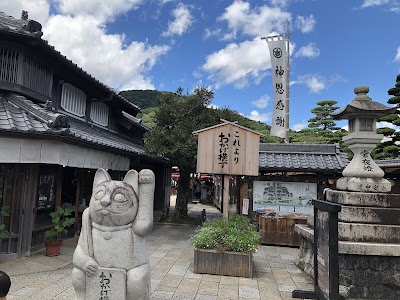
Branching off Oharaimachi is Okage Yokocho, a narrow alley of relocated Edo and Meiji-era buildings where the payoff is Ise udon: thick soft noodles in a dark, concentrated soy broth unique to this region. Okage means thanks, as in thanks to the gods for safe travels, which is what millions of commoners said during the Okage Mairi pilgrimages, part religious devotion, part road trip.
The further in you walk, the more local the counters feel. Skip the stalls right at the entrance and find the tucked-away noodle seats down the side lanes. The whole alley fills up by eleven-thirty on weekends, so if you're doing this on a Saturday, treat an early lunch as the priority. Late afternoon thins out nicely if you're flexible.
Tip: Grab Ise udon for lunch at one of the tucked-away counters. Arrive before noon on weekends to avoid the longest lines at popular stalls.
Day 2
Day two shifts to the coast: two rocks lashed together in the ocean, an island where pearls were invented, and an aquarium with one of the only captive dugongs on earth.
Meoto Iwa (Wedded Rocks)
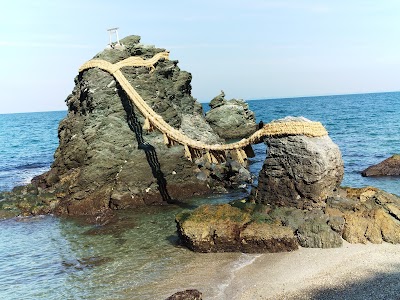
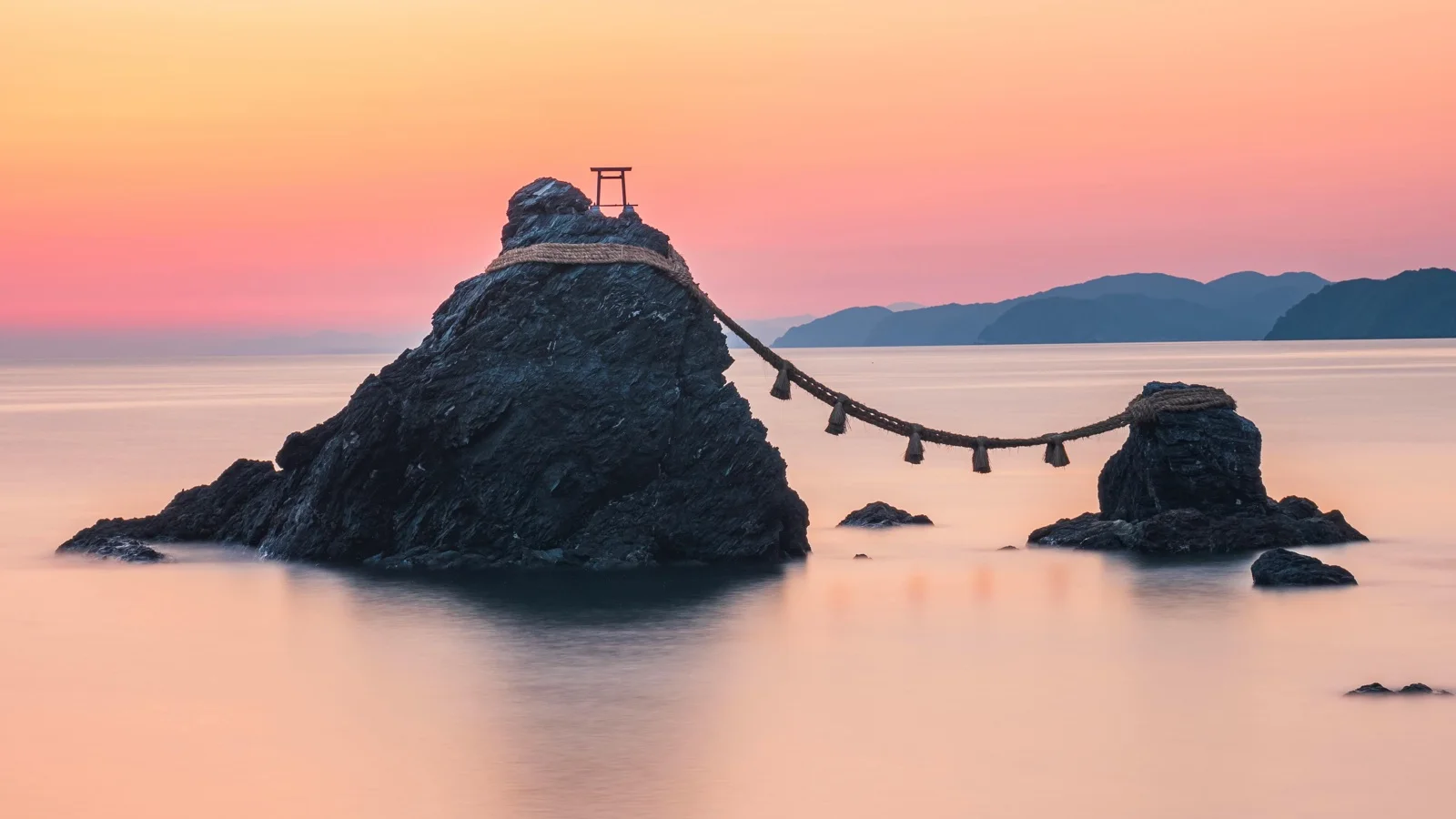
Meoto Iwa is a pair of rocks standing in the surf off Futami, tied together by a massive shimenawa rope. The husband rock is larger, the wife rock smaller, and the whole thing is a Shinto metaphor for marital unity. Pilgrims used to stop here at Futami Okitama Shrine to purify themselves before continuing to Ise Jingu. The shrine grounds are covered in frog statues because kaeru means both frog and to return, a pun for safe travels and marital fidelity.
The rope weighs about forty kilos, is handmade from rice straw, and gets replaced in a ceremony three times a year. It divides the spiritual and earthly realms, which is a lot of weight for a rope to carry. Sunrise is the shot, with the sun rising between or behind the two rocks. The beach gate closes at sunset, so mornings are your window. The rocks are smaller than wide-angle photos suggest, so manage your expectations.
Tip: Visit at sunrise for the iconic shot of the rope-bound rocks glowing orange. Check the seasonal opening hours, as the beach access gate closes at sunset.
Mikimoto Pearl Island
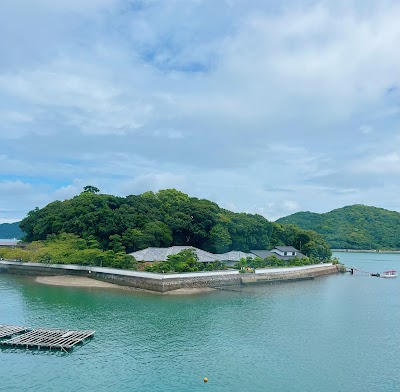
A short ride along the coast is Mikimoto Pearl Island, where Kokichi Mikimoto created the first cultured pearl in the 1890s. Before that, pearls were wild-caught and ruinously expensive. The main event is watching ama divers in traditional white gear free-dive into cold bay water without tanks. It's a demonstration, but these are actual working divers, not performers.
Mikimoto's cultured pearls were initially dismissed as fakes by the jewelry establishment, so he publicly burned piles of inferior ones to prove only quality survived. He was right, and now there's an island dedicated to him. Time your visit around the ama demonstration schedule, because that's the thing you came for. The pearl museum upstairs is worth your time even if jewelry bores you. The science of growing gems inside oysters is genuinely strange.
Tip: Book the ama diver demonstration in advance during peak season. The museum requires a separate ticket for the pearl harvesting exhibit upstairs.
Toba Aquarium
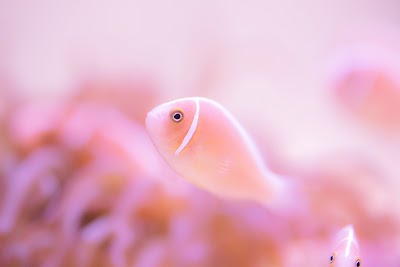
Toba Aquarium is basically next door and houses over twelve hundred species, the most of any aquarium in Japan. But the reason to go is the dugong. There are only a handful of dugongs in captivity worldwide. It looks like someone described a manatee from memory and got most of it right. Toba is one of the only places on earth you can see one up close.
The place is bigger inside than it looks from the street, so budget at least two and a half hours. The sea lion show is also surprisingly good, and the dugong tank always has a cluster around it. Grab tickets online to skip the queue on busy days, especially summer weekends. This is also an excellent indoor option if the weather turns, because the entire facility is climate-controlled.
Tip: Prebook tickets online to skip the ticket queue, especially during summer weekends when wait times can exceed 30 minutes at entry.
Day 3
Day three is all Ago Bay. You start above it, looking down at the pearl rafts, then end up on the water and in a smoky hut eating what the divers pulled out that morning.
Yokoyama View Point
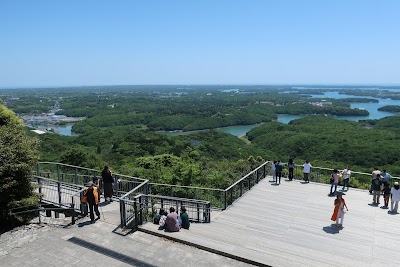
Yokoyama View Point is where Ise-Shima finally clicks. Ago Bay spreads out below you: drowned river valleys, dozens of small islands, and geometric patterns of pearl rafts across the water. Those floating squares are oyster farms. You're looking at underwater jewelry factories disguised as a seascape, and the same sheltered coves that make this coastline beautiful are what made it Japan's pearl capital.
It's almost never crowded up here because most tour groups don't prioritize viewpoints. You'll share it with a few photographers and the wind, which does not stop at this elevation. Check the weather before you commit the drive, because fog kills the view entirely. If it's clear, morning light is best and the air is cleanest. Grab something warm at the café at the top and just stand there for a minute.
Tip: Take a taxi or local bus up the hill and walk the short trail to the observation deck. Layer up, as the coastal wind can be cold even in warm months.
Ama Hut "Hachiman Kamado"
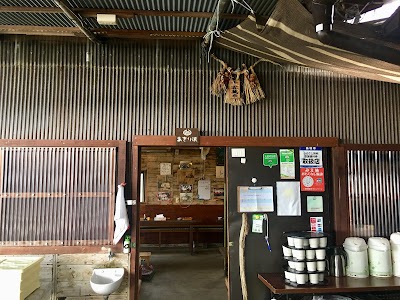
From the overlook you descend to the ama hut, where women who have been free-diving this coast for over a thousand years sit around a charcoal pit and grill what they caught, right in front of you. The ama dive without tanks, holding their breath for up to two minutes at depth. Most are older women. They work the same waters their grandmothers worked, and the tradition is declining because fewer young women are taking it up.
Charcoal smoke in a wooden hut, the hiss of abalone hitting the grill, salt air mixing with wood fire, and the ama filling the space with laughter and stories about decades of diving. You need a reservation for this. Book at least a week ahead through their website, because seating is limited and the main season runs May through September. Off-season availability drops sharply, so check before you plan around it.
Tip: Reserve your charcoal-side seat at least one week in advance. The ama season runs May through September and spots fill quickly on weekends.
Ise-Shima National Park
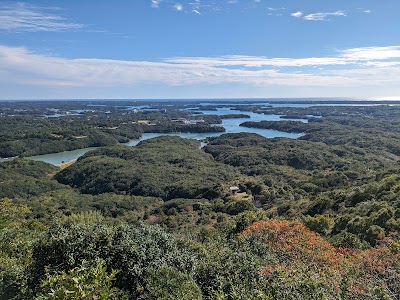
The last stop is a glass-bottom boat across Ago Bay. You've seen the pearl rafts from above and now you float over them, looking down through the hull at the oyster lines and marine growth below. From the mountaintop the rafts looked abstract. From the water you see the labor: the nets, the infrastructure, the century-plus of aquaculture that built this coastline.
Ago Bay's pearl farming goes back to the early 1900s. The rafts you're floating over are the same system that made Mikimoto's pearls possible, and the ria coastline is genuinely unique in Japan. Prebook the boat, especially in summer. Morning departures give you calmer water and better visibility through the glass, so if your schedule allows, do the ama hut at lunch and the boat after. Check conditions, because rough water means the glass panels show you nothing.
Tip: Hop on a glass-bottom boat tour of Ago Bay. Prebook the morning departure for calm waters and close-up views of scattered pearl rafts.
What to book ahead
- Reserve Ama Hut Hachiman Kamado (2 weeks before) - Only a few seating sessions per day; weekends book out fast
- Prebook Toba Aquarium tickets (1 week before) - Online tickets are discounted and skip the entry queue
- Check Ise Jingu event calendar (1 month before) - Special rituals and closures may affect visiting hours
- Book Kintetsu limited express train (2 weeks before) - Reserved seats from Osaka or Nagoya fill up on weekends and holidays
What to pack
Essentials
- Comfortable walking shoes - Shrine approaches and gravel paths require steady footing
- Cash (yen) - Many traditional vendors and small shrines do not accept cards
- Modest clothing - Ise Jingu is Japan's most sacred site; cover shoulders and knees
- Sunscreen and hat - Exposed coastal viewpoints and open temple grounds offer little shade
Nice to have
- Light rain jacket - Coastal showers are common year-round in Mie Prefecture
- Portable charger - Long days of navigation and photography drain phone batteries quickly
- Thermos or water bottle - Public water fountains are available along shrine approaches
Final take
Three days in Ise-Shima and you've walked into a shrine you can't fully see, watched women dive for shellfish the way they have for a millennium, and floated over underwater farms growing gems. That's a pretty rare mix.
Plan this trip
Turn this guide into an editable trip plan
Open the route in Instaboard, adjust the stops, and share the itinerary with your travel group.