Travel Guide
Ishigaki in 4 Days: Beaches, Snorkeling & Manta Rays
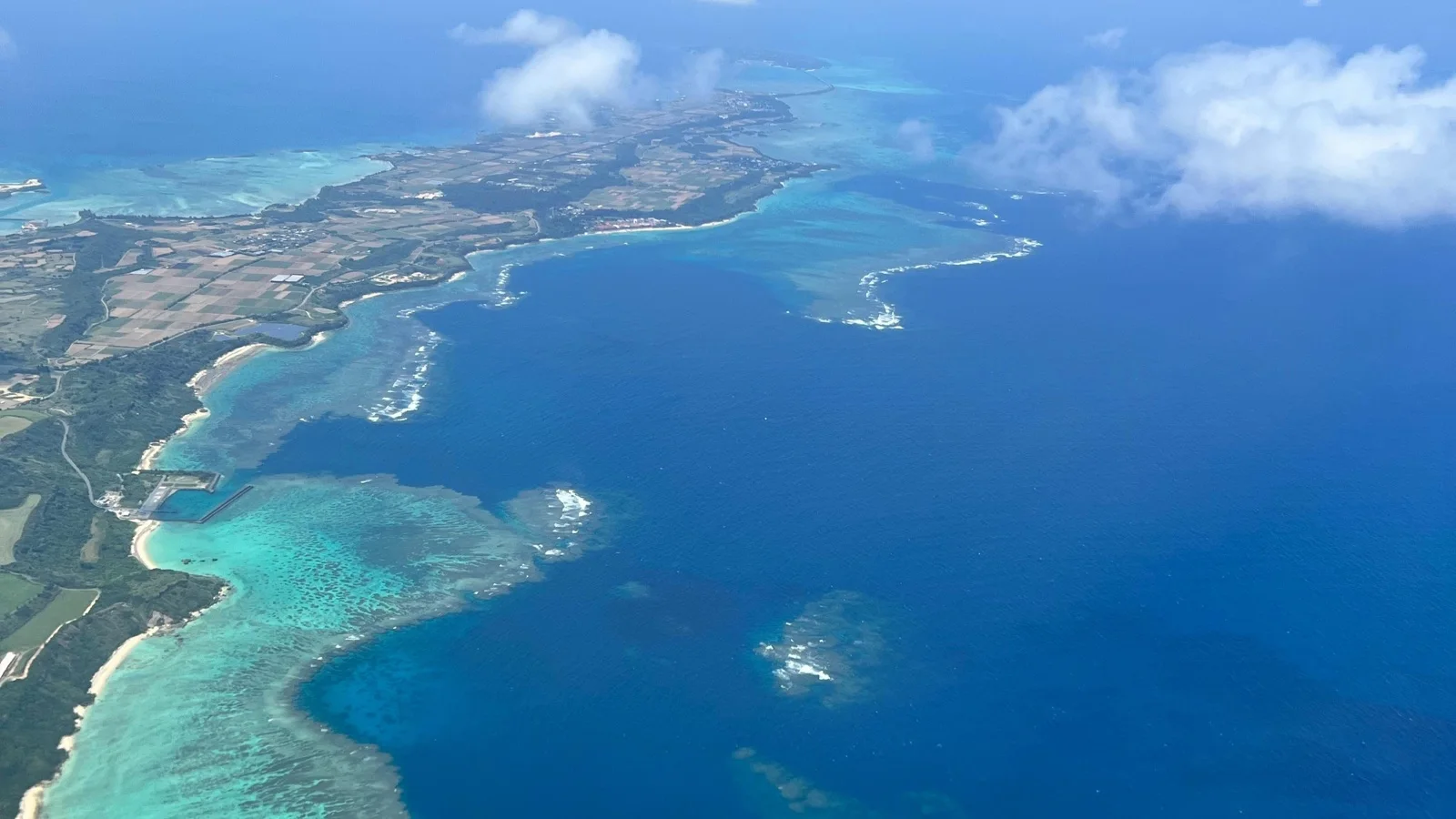
Want the editable version of this route?
Open the Instaboard template and adapt stops, timing, and notes to fit your trip.
There is an island at the bottom of Japan with glowing sea caves, wild manta rays, and Wagyu-quality beef at half the price. That is Ishigaki. The catch is that everything worth doing is spread across a small island with limited transport, so which beach on which morning actually matters.
Ishigaki sits closer to Taiwan than Tokyo. It is subtropical year-round, with spring and fall hitting the sweet spot for warm water and thin crowds.
Day 1
Day one is about learning what this island tastes like, then walking it off through downtown and underground.
Ishigaki City Public Market
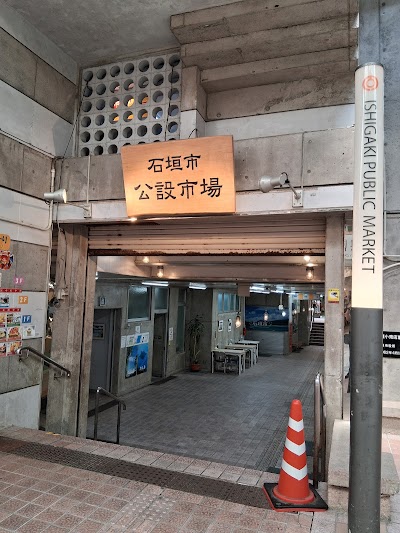
The public market inside Euglena Mall is three floors of seafood, produce, and a food court. It is basically a crash course in what Ishigaki actually eats. Ishigaki beef, a Wagyu cousin raised on the island, shows up here as skewers and bowls at a fraction of mainland prices.
Come before 10:30, when the stalls are fully stocked and the cruise-ship tour groups have not arrived yet. Bring cash because the best stalls do not take cards, and if you see a seafood bowl topped with uni and ikura, that is the one.
Tip: Start at this lively three-story market inside Euglena Mall. Bring cash for the freshest seafood bowls; many stalls do not accept cards. Arrive early to beat the lunch crowd.
730COURT | Gourmet | Shopping
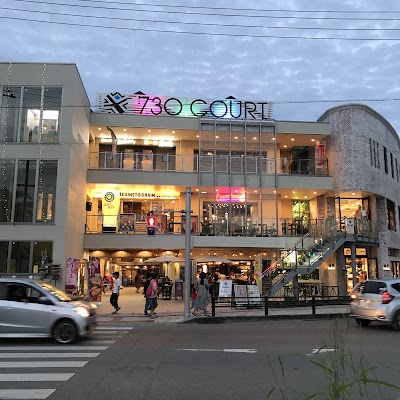
Ishigaki's entire downtown is roughly four blocks along Route 730. Izakayas, craft beer bars, and boutiques are all clustered in a walkable strip. This is where locals actually eat and drink after dark: charcoal-grilled beef, Okinawan soba, craft beer, not just where tourists get shuttled.
Late afternoon is the sweet spot because shops are fully open, the day-trip crowds have left, and you can roll straight into dinner. The downtown is so compact you can walk it in 20 minutes, which is honestly both the charm and kind of the ceiling.
Tip: Stroll through Ishigaki's charming downtown strip of izakayas and boutiques. Walk the street in late afternoon when shops are fully open. Try the Ishigaki beef skewers at a roadside stall.
Ishigaki Stalactite Cave
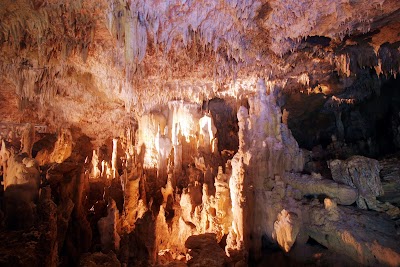
A limestone cave formed over hundreds of thousands of years, about a 30-minute walk-through with dramatically lit stalactites and stalagmites. The colored lighting is a choice, but the temperature drop at the entrance is the real reward on a humid day.
Because it is fully indoors and cool, it works as a natural break between the downtown stroll and wherever you are having dinner. The full loop takes about 30 minutes, quick enough that it does not eat your afternoon, interesting enough that it does not feel like filler.
Tip: Cool off in this dramatically lit limestone cave. Entry takes about 30 minutes for the full loop. Bring a light layer; the cave stays cool year-round despite the tropical heat outside.
Day 2
Day two heads north to the coastline that puts Ishigaki on every postcard: emerald bays, turtle reefs, and a hilltop where two oceans are visible at once.
Kabira Bay
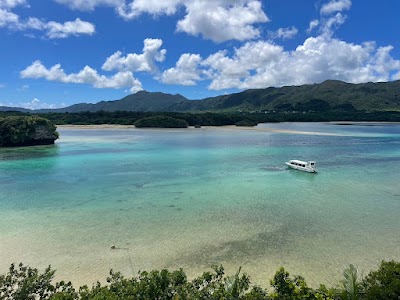
Kabira Bay is Ishigaki's most photographed viewpoint. Emerald water, white sand islets, dense forest behind you, and one of Japan's official Top 100 Scenic Views. Swimming is banned because the bay is an active black pearl farm with dangerous currents. It is an absurdly beautiful tropical bay you can only look at.
Take the glass-bottom boat from the kiosk near the parking lot. It is the only way to see the coral and fish up close. Get here before 9:30 because tour buses arrive around 10, and the morning light on the water is better before clouds build.
Tip: Ishigaki's most iconic view, with emerald waters framed by white sand islets. Take the glass-bottom boat ride; tickets are sold at the kiosk near parking. Swimming is prohibited here.
Yonehara Beach
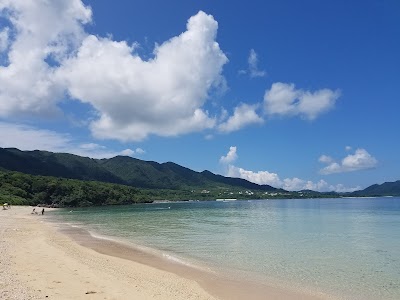
This is Ishigaki's best accessible snorkeling beach. Coral reefs start right off the sand, and sea turtles show up regularly, no boat needed. The reef is part of the Yaeyama coral network, one of the largest in Japanese waters, and it is genuinely steps from the beach.
Because you are already up north after Kabira Bay, afternoon timing works. You finally get in the water after the morning's look-but-don't-touch routine. Water shoes help on the rocky entry, and bring your own snorkel gear if you have it because rental quality is hit or miss.
Tip: One of Ishigaki's best snorkeling spots with sea turtles just offshore. Bring your own gear or rent near the entrance. Arrive early to beat the weekend crowd.
Tamatorizaki Observation Platform
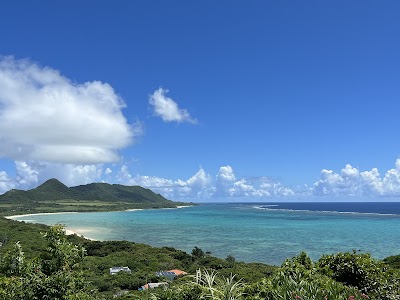
The observation platform sits on Ishigaki's northern cape, where the Pacific Ocean meets the East China Sea from the same viewpoint. On a clear day you can see Iriomote Island to the west, and the reef below stretches out in turquoise against deep blue like a helicopter shot.
Most tour groups skip this in favor of Kabira Bay, which means you might have the whole viewpoint to yourself. After seeing Kabira from sea level and Yonehara from the water, this is the angle that makes the entire north coast click.
Tip: A short uphill walk rewards you with panoramic coastline and coral reef views. The gate is closed after 5 PM. Take a taxi if parking is full.
Day 3
Day three is the big ocean day: a glowing cave, wild manta rays, and a sunset beach to collapse on at the end.
Blue Cave
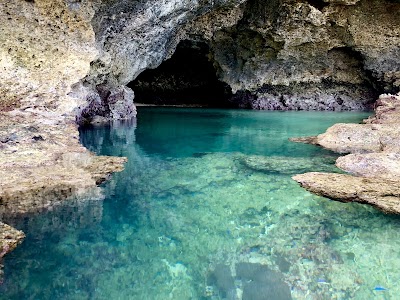
A sea cave where sunlight refracts through the entrance and makes the water glow electric blue from below. It is a real optical phenomenon, not a filter. You can only reach it on a guided tour, but the snorkeling outside the cave is full of coral and fish too.
Morning tours get the strongest blue effect because direct sun hits the entrance. Book the earliest boat, especially in peak season when groups stack up. Reserve a few days ahead since this is now one of Ishigaki's most popular activities, and overcast days dull the glow noticeably.
Tip: Book a guided snorkeling or kayak tour to reach this glowing blue sea cave. Reserve in advance during peak season. The cave's reflected blue light photographs beautifully.
Manta Holic Kabira | マンタホリック川平
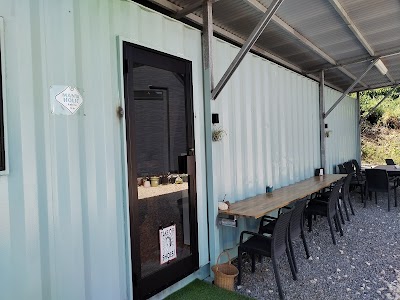
Ishigaki is one of the few places on earth where you can reliably snorkel with wild manta rays. Giant ones, with wingspans wider than you are tall. The mantas are not fed or trained. They gather at cleaning stations where smaller fish groom them, and you float above trying to remember how to breathe.
Because you are already in the north after the Blue Cave, stacking both big water experiences into one day while you are out here just makes sense. Take motion-sickness medication 30 minutes before boarding; the 15-minute boat ride can be choppy. Sightings peak May through October but are never guaranteed.
Tip: Prebook a snorkeling excursion to swim alongside giant manta rays near Kabira Bay. The boat ride is 15 minutes, so motion-sickness meds help. Sightings are best May through October.
Fusaki Beach
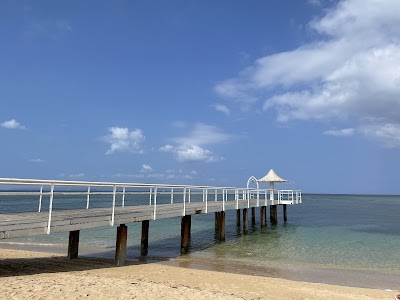
A long west-facing beach on Ishigaki's western shore. After two ocean activities, the only move left is sitting down and watching the sky turn. The beach faces directly west across the East China Sea, so the sunset here is essentially geometry doing the work for you.
Grab food from the stall near the resort entrance and take it to the sand. The beach is long enough that you will find your own patch of it. Just arrange a ride back before it gets dark.
Tip: End your day at this west-facing beach known for Ishigaki's most spectacular sunset. Walk the white sand as the sky turns orange. A food stall sits near the resort entrance.
Day 4
Day four is the cultural reset: a ten-minute ferry to a tiny island where water buffalo pull carts down white-sand streets lined with red-tile roofs.
Taketomi Island
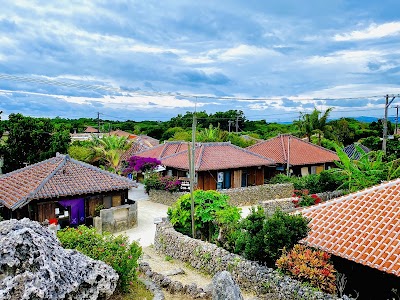
A 10-minute ferry drops you on Taketomi. Red-tile roofs, stone walls, shisa guardians on every rooftop, preserving Ryukyu Kingdom architecture you will not find on the mainland. It is the cultural counterweight to three days of beaches and snorkeling: a traditional village where the loudest sound is a water buffalo cart creaking down a sand path.
Rent a bicycle at the port because you want the village streets before midday crowds. The whole island takes under an hour by bike. Book an ox-cart ride early if you want one, because they sell out, but the quiet streets behind the village center are worth more of your time.
Tip: Take the morning ferry for a quick 10-minute transfer to this timeless island. Rent a bicycle at the port to explore the Ryukyuan village. Book ox-cart rides early as they sell out.
Kondoi Beach
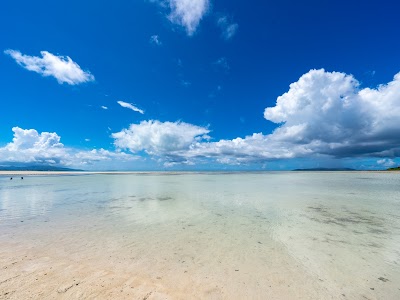
The only beach on Taketomi where swimming is allowed. Fine white sand, calm water protected by the reef, a short walk from the village center. After cycling the village all morning, this is the payoff: shallow, calm water, no motorized boats, and the kind of quiet where you notice the wind.
Because this is the only designated swimming beach on the island, midday gets crowded with ferry day-trippers. The early and late windows are calmer. Bring a hat and water because there is almost no natural shade, and the facilities here are minimal.
Tip: Taketomi's finest beach with powdery white sand and calm turquoise water. Walk from the village center in 15 minutes. Minimal shade, so bring a hat on warm days.
Ishigaki Island Sunset Beach
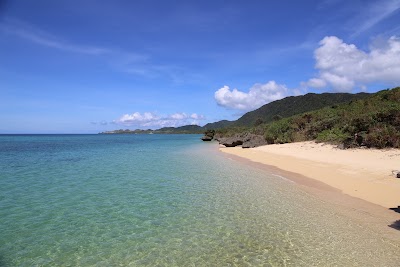
After the ferry back from Taketomi, this west-facing beach on Ishigaki's northern coast is a low-effort last sunset. It is more rugged and less crowded than Fusaki. You are in the far north here, which means fewer tourists, more wind, and a long stretch of white sand with nothing but the waves for a soundtrack.
Grab a drink at the nearby cafe and let the trip end. After mantas and glowing caves, a silent beach at dusk is the right closing note. The north is far from town and drivers vanish after sunset, so sort your taxi before dark. This is not a place you want to be stuck.
Tip: After returning from Taketomi, unwind at this relaxed beachside spot. Grab a drink at the cafe for your last Ishigaki sunset. Take a taxi from the ferry terminal.
What to book ahead
- Book Blue Cave snorkeling or kayak tour (2-3 weeks ahead) - Morning departures fill first in peak season
- Reserve manta ray snorkeling excursion (2-3 weeks ahead) - Operators have limited boat capacity
- Check ferry schedule for Taketomi Island (1 day ahead) - Ferries run every 15-30 min from Ishigaki Port
- Rent a car or arrange airport transfers (1 week ahead) - Public transit is limited; a rental car gives the most flexibility
What to pack
Essentials
- Reef-safe sunscreen SPF 50+ - Essential for snorkeling days at Yonehara, Blue Cave, and Kondoi Beach
- Snorkel set (mask + snorkel) - Rental shops exist but quality varies; own gear ensures comfort
- Waterproof phone case - For underwater photos at Blue Cave and manta snorkeling spots
- Light rash guard - Sun protection during extended water activities
- Cash (Japanese yen) - Many local food stalls, ferry tickets, and small shops are cash-only
Nice to have
- Motion-sickness tablets - Boat rides to Blue Cave and manta dive sites can be choppy
- Waterproof day pack - Handy for carrying dry items on kayak and snorkeling excursions
- Flip-flops or reef walkers - Useful for rocky entries at Shiraho and Yonehara Beaches
Final take
Manta rays, glowing caves, Ryukyuan villages, and sunsets into open ocean. Four days on Ishigaki delivers more than most islands manage in a week.
Plan this trip
Turn this guide into an editable trip plan
Open the route in Instaboard, adjust the stops, and share the itinerary with your travel group.