Travel Guide
Istanbul in 4 Days: Mosques, Bazaars & a Bosphorus Ferry Route That Actually Works
Want the editable version of this route?
Open the Instaboard template and adapt stops, timing, and notes to fit your trip.
Istanbul sits on two continents, and its most famous building has been a church, a mosque, a museum, then a mosque again. Four days gets you the domes, the bazaar, and a ferry between continents, as long as you don't burn your best hours in the wrong lines.
April and May are the sweet spot. You get mild days, tulips filling the old city's parks, and long golden evenings, which this route leans on.
Day 1
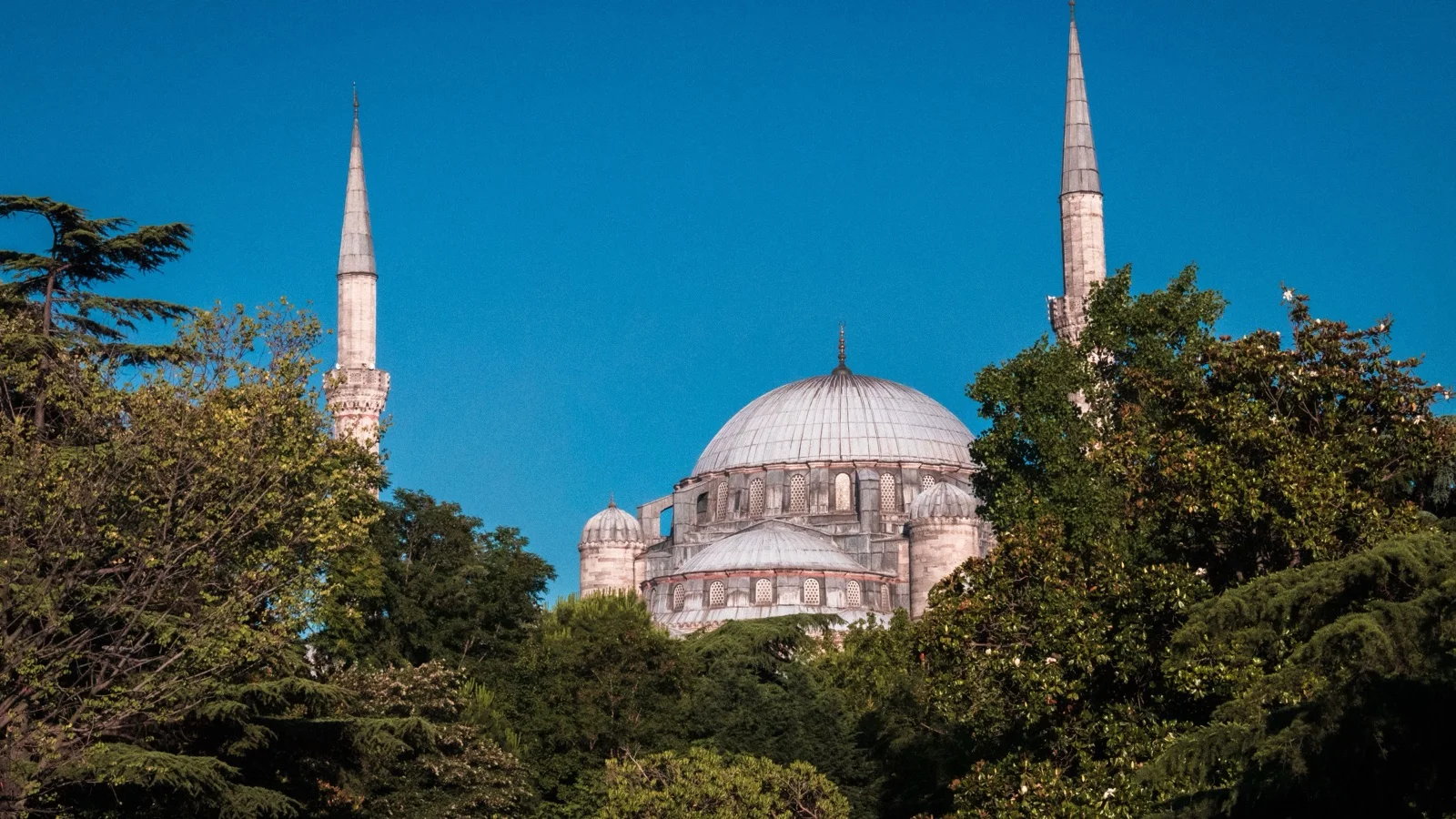
Day one is old Istanbul at point-blank range. One square, two famous mosques, and a sunken water tank that upstages both.
Hagia Sophia Grand Mosque
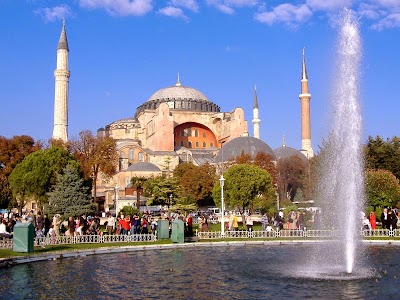
This is the most famous interior in Istanbul, a dome that has hung over the city for about 1,500 years, through multiple collapses and rebuilds. It's been a Byzantine church, a mosque, a museum, then a mosque again, and the layers are all still up there on the ceiling if you look.
Look up before anything else. The dome sits impossibly high, and sound behaves strangely in here, arriving somewhere other than where it started.
Come at opening, because the tour-bus wave builds through late morning. Since it's a working mosque, book your timed entry online and cover your shoulders.
Tip: Enter before the midday tour groups arrive; book your timed entry online, keep shoulders covered, and expect a short security queue at the gate.
The Blue Mosque
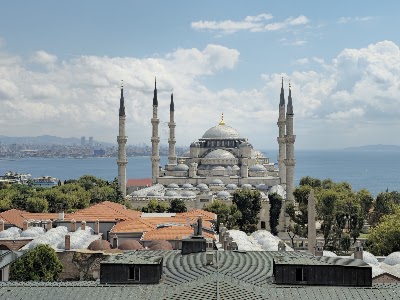
Five minutes across the square sits the Blue Mosque, the Ottoman mosque with six minarets and the interior tilework that handed it the nickname. It's a living mosque first, so your visit works around the five daily prayer windows, when the doors pause and the whole space resets.
Shoes come off at the door, and women can grab a loaned headscarf at the gate on the way in; everyone walks in on the same carpets. Since it faces Hagia Sophia across one square, you can stand between them and take in the city's whole architectural argument in a single glance.
Tip: Cross the square from Hagia Sophia; entry is free but avoid the five daily prayer windows. Check opening hours, remove shoes at the door, and women should take a loaned headscarf at the gate.
Basilica Cistern
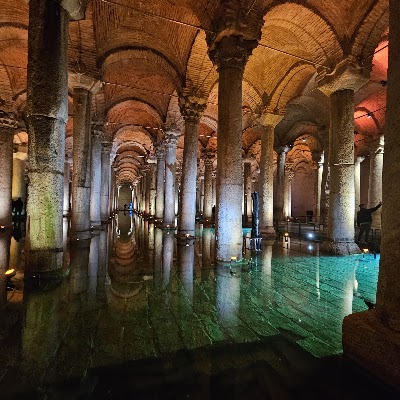
A short walk from the mosque is the Basilica Cistern, a Byzantine water tank the size of a cathedral, hiding directly under the tourist crowds. The builders needed column bases and didn't care about mythology, which is why two Medusa heads sit sideways and upside-down at the far end.
It watered the city for centuries, then got forgotten; people were literally living above it with no idea, before someone found it again. Prebook your ticket or come right at opening, because the midday line is the most pointless wait in Istanbul. Then walk all the way to the far corner.
Tip: Descend into the sunken Byzantine water palace to find the Medusa heads; lines stretch at midday, so prebook a ticket or arrive right at opening, and bring a light layer because the cavern stays cool and damp.
Day 2
Day two is Topkapi's four centuries of empire, the palace garden below it full of April tulips, and a covered maze that's been losing visitors for centuries.
Topkapi Palace Museum
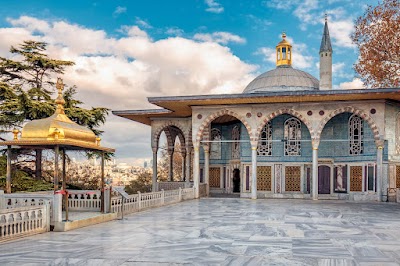
Topkapi is where the Ottoman sultans ran an empire for roughly four centuries; it's less a palace than a small city of gates, courtyards, and kitchens. The kitchen complex alone is enormous, built to feed thousands of people a day. Empires, it turns out, run on logistics.
The courtyards open one after another like a slow reveal, and the terrace views over the water feel like the actual point of the real estate. Be there at opening and walk straight to the inner courtyards first, because the harem is a separate ticket and the tour groups pile in by late morning.
Tip: The courtyards, treasury, and harem need a half day. Book palace plus Harem tickets in advance for opening-time entry, then beat the crowd straight to the inner courtyards.
Gülhane Park
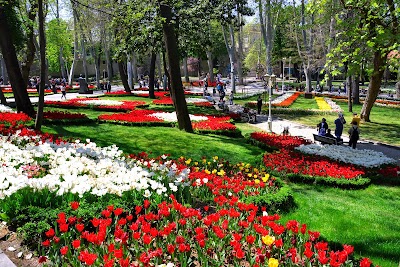
When you exit Topkapi's gate, you're already here. Gülhane is the park directly below the palace walls, and in April it goes full tulip. Tulips are originally from this region; Istanbul's April festival plants millions of them, so the Dutch national flower is basically on a homecoming tour.
Plane trees, tulip beds in color blocks, locals claiming benches: pick one yourself and let three hours of palace crowds drain away. One catch: the peak bloom window is short, so late April trips get the color blocks and early ones might just get stems.
Tip: Walk down from Topkapi's gate into the former palace garden. In April the tulip festival erupts across its slopes, so claim a bench under the plane trees and let the museum crowds drain away.
Grand Bazaar
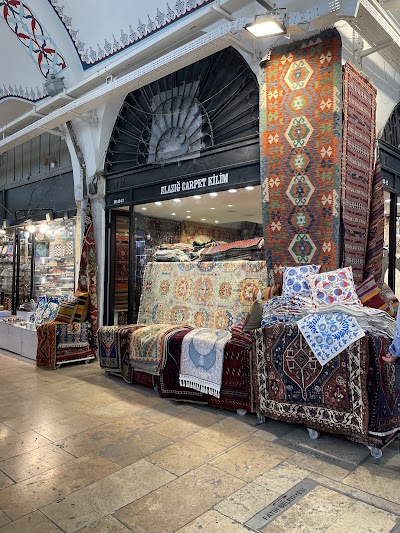
The Grand Bazaar is one of the oldest and largest covered markets on earth. You will get lost, everyone does, and the bazaar has never once considered adding signage. Lamp shops glow like chandeliers, the air is leather and saffron, and the shopkeepers' opening lines are genuinely better than yours.
Haggling is expected. Open near half the asking price, carry some cash for the smaller stalls, and treat a polite walk-away as a counter-offer. Weekday evenings are the calm version; it's also the only place a stranger compliments your eyes, sells you a carpet, and you leave happy about all three.
Tip: Enter through the Beyazıt gate and haggle hard: start near half the asking price. Carry cash since smaller stalls refuse card, and weekday evenings feel far calmer than weekend afternoons.
Day 3
Day three is the city from the water. A bridge full of fishermen, a ferry that doubles as the best tour in town, and a sunset silhouette to finish.
Galata Bridge
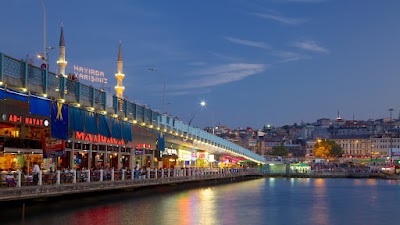
Day three starts on Galata Bridge, the crossing where the Golden Horn meets the Bosphorus; fishermen line both rails and ferries pass under your feet. The upper deck is a fishing fleet and the lower deck is a restaurant row, so the bridge more or less sells you the fish it catches.
At sunrise the rods outnumber the pedestrians, and the water smells of fish and diesel in roughly equal parts; morning is when the bridge is itself. Grab a fish sandwich from the boats at Eminönü below, because the ferry docks for the day's Bosphorus cruise are a five-minute walk from here.
Tip: Watch fishermen line the rails near sunrise and grab a balık-ekmek below. The Eminönü ferry docks sit a five-minute walk away, making this your natural cruise departure point.
Bosphorus
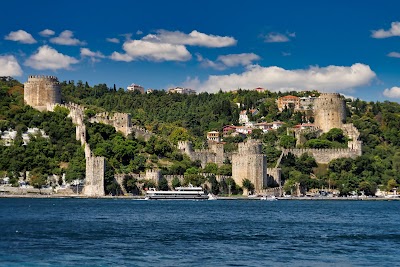
The Bosphorus is the strait that splits Istanbul between Europe and Asia, and the public ferry that cruises it is the cheapest world-class sightseeing anywhere. Whoever controlled this waterway controlled trade between the Black Sea and the Mediterranean; it's the entire reason this city kept getting conquered.
From the open deck, palaces slide past while locals just check their phones, and the tea they sell on board is half the experience. It's breezy, so bring a layer. Take the public Şehir Hatları cruise from Eminönü with your Istanbulkart, and mind the return time at Anadolu Kavağı; miss it and the day gets long.
Tip: Board the public Şehir Hatları long cruise at Eminönü, buy the ticket at the kiosk or tap your Istanbulkart, and ride past palaces and Rumeli Fortress toward Anadolu Kavağı. Then transfer to the return ferry.
Maiden's Tower
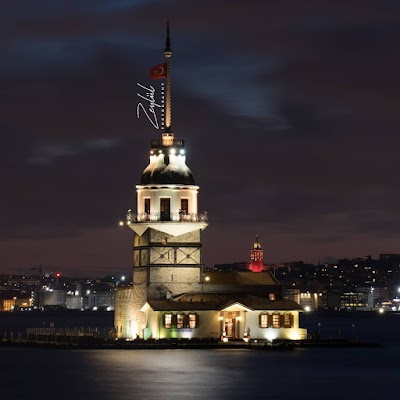
The cruise drops you at Üsküdar, and the evening stop is right there: the Maiden's Tower, the little white tower on an islet just offshore. Every culture that ruled this shore has attached a legend to it, a princess, a prophecy, a snake, and none of them are verifiable.
You don't really visit it; you photograph it. The tower is less interesting than its own silhouette, which has photobombed the city's postcards for centuries. Walk the Salacak waterfront at sunset with a tea from the café opposite, and glance at the clouds first, because a grey sky delivers nothing here.
Tip: Back on shore at Üsküdar, walk the waterfront promenade to the tower's best photo vantage at sunset. The café terrace opposite the islet makes a memorable closing tea stop.
Day 4
Day four crosses to the Asian side. A neighborhood that doesn't perform for tourists, a hilltop that explains the whole map, and a sunset deck to close it out.
Moda
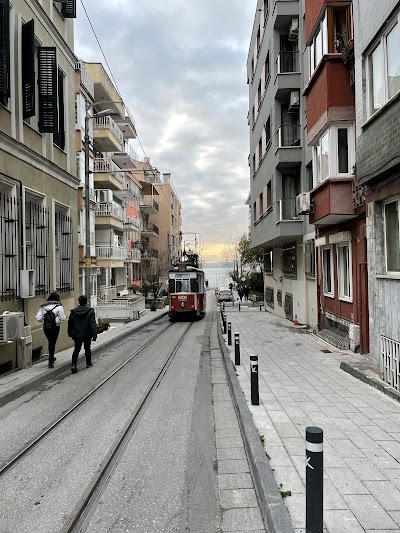
Day four starts with breakfast on one continent and coffee on another. The ferry to Kadıköy is twenty minutes, and the crossing itself is the first attraction. Moda is the Asian side's easiest district to love: market streets, record shops, cats, coffee, and a seafront promenade where locals do absolutely nothing, expertly.
Historically the Greek and Levantine side of the strait, now where young Istanbul eats and drinks; after three days of empires, the contrast is the relief. Come early, because weekend brunch crowds claim every table by late morning. And bring time, not an itinerary; this is a neighborhood, not an attraction.
Tip: Take the 20-minute ferry from Eminönü to Kadıköy and walk into Moda's market streets and seafront park. Weekend mornings fill with brunch crowds, so arrive early for the calmest lanes.
Camlica Hill
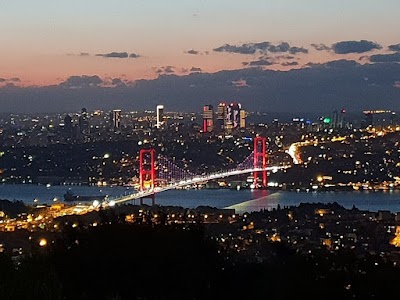
From Kadıköy, take a taxi or bus up to Çamlıca Hill, the highest easy viewpoint on the Asian side, with terraces over the entire strait. From up here the map finally makes sense: the city isn't beside the water, it's wrapped around it, across two continents, both bridges in one frame.
It's also the recap shot. Every dome and palace you've spent four days walking past is laid out below you in one panorama. Afternoon light sits best on the old city skyline from this side, and check the haze first, because a grey day flattens the entire panorama.
Tip: Ride a taxi or bus up from Kadıköy to the terraces. The panorama over the whole strait is clearest in afternoon light, and the hilltop wind bites even in spring, so bring a layer.
Galata Tower
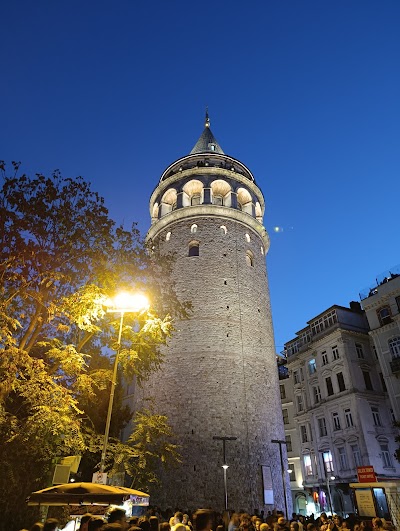
Ferry back across the water for the finale: the Galata Tower, a medieval Genoese watchtower in Beyoğlu with a wraparound deck over everything you just visited. Genoese merchants built it to watch the city walls back when they ran trade on this hill; now it watches sunsets, and the queue is the modern fortification.
Up top, calls to prayer roll across the rooftops from several mosques at once, and the Golden Horn spreads out below, so do one slow lap. Book a timed ticket for the sunset window well ahead, because those slots sell out and the on-site queue can eat an hour you'd rather spend up there.
Tip: Ferry back across the Golden Horn and climb the medieval tower for the 360° sunset deck. Prebook a timed ticket online; the elevator queue at the gate can top an hour otherwise.
What to book ahead
- Reserve timed-entry Hagia Sophia ticket (2–4 weeks before travel) - Morning slots sell out first in spring; e-ticket includes a fast security queue at the gate.
- Book Topkapi Palace + Harem tickets (2–4 weeks before travel) - Combined tickets limit daily entry numbers; aim for an opening-time slot to beat tour groups.
- Prebook Galata Tower sunset slot (1–2 weeks before travel) - Timed elevator tickets cap crowd flow; the hour before sunset is the most requested window.
- Check Şehir Hatları Bosphorus cruise schedule (Night before Day 3) - The long cruise departs Eminönü mid-morning; no reservation needed, just an Istanbulkart tap or kiosk ticket.
- Book a hotel on the T1 tram line (When booking flights) - Sultanahmet or Beyoğlu stays put every stop within a 15-minute ride and simplifies ferry transfers.
What to pack
Essentials
- Shoulder-covering scarf or shawl - Required for mosque entry; women need head coverage at Hagia Sophia and the Blue Mosque.
- Istanbulkart transit card - Taps you onto trams, metro lines, and the public Bosphorus ferries without queueing for single tickets.
- Broken-in walking shoes - Cobblestoned Sultanahmet hills, İstiklal's 1.4 km pedestrian walk, and fortress walls all demand sturdy soles.
- Light packable layer - Spring evenings and open Bosphorus ferry decks turn windy and cool fast.
Nice to have
- Small Turkish lira cash - Grand Bazaar stalls, spice vendors, and tea gardens are more reliable with cash than card.
- Camera with wide lens - Dome interiors and Bosphorus panoramas from Çamlıca Hill stretch beyond phone widths.
- Portable power bank - Navigation, ferry timetables, and prebooked e-tickets drain batteries across 10-hour sightseeing days.
Final take
That's the trick of Istanbul. Somewhere between the domes, the tulips, and the ferry deck, it stops being a list of sights and starts being a place.
Plan this trip
Turn this guide into an editable trip plan
Open the route in Instaboard, adjust the stops, and share the itinerary with your travel group.