Travel Guide
Jeonju 2-Day Hanok Village & Cafe Weekend: Free Itinerary
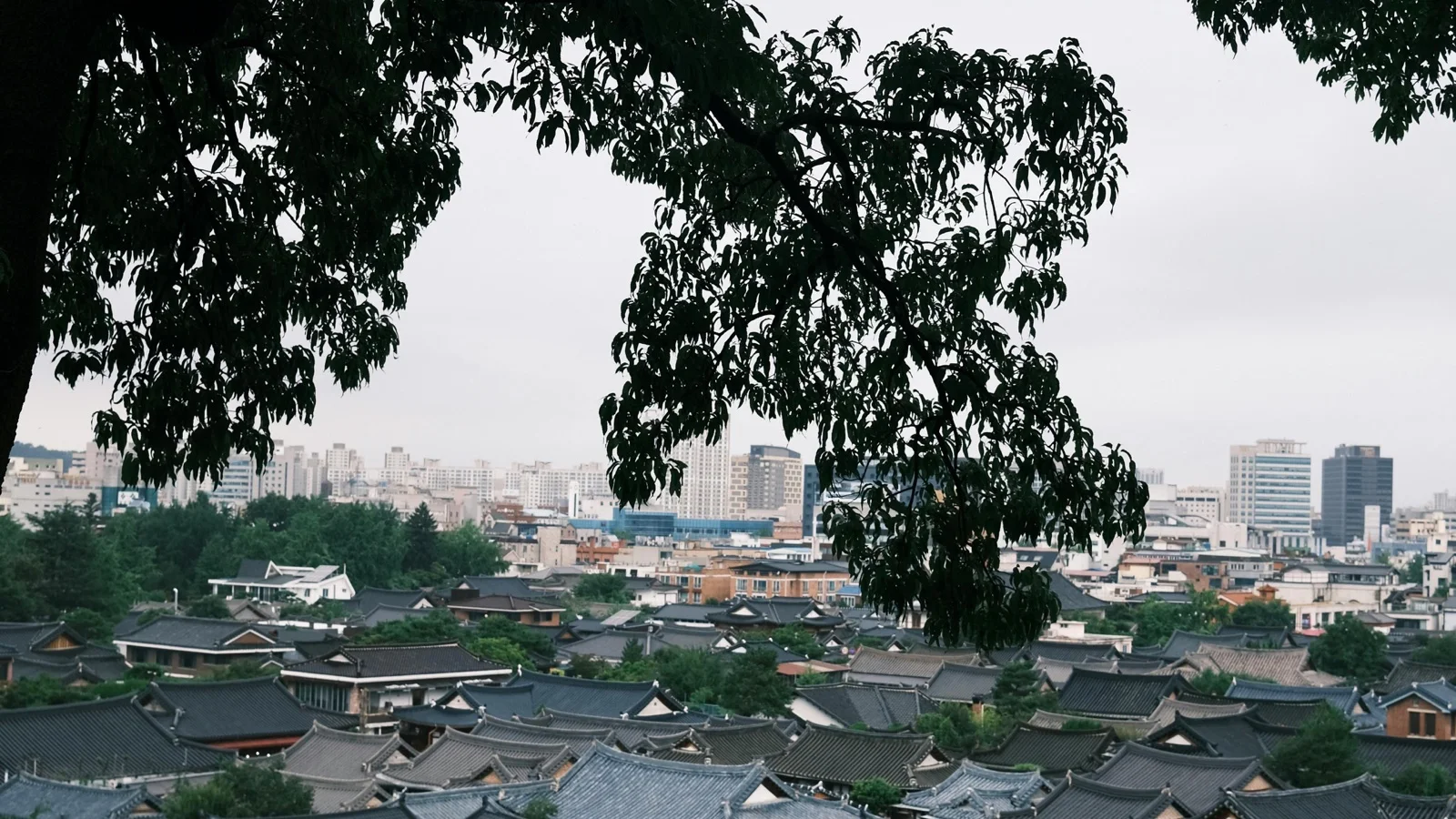
Want the editable version of this route?
Open the Instaboard template and adapt stops, timing, and notes to fit your trip.
Jeonju is the city where Korea's largest traditional village sits next to some of the best food in the country, and almost nobody outside Korea talks about it. A weekend here can fall flat if you hit the village at peak crowd, wander into the wrong bibimbap, or miss the hilltop view that ties the whole place together.
Jeonju rewards any season: cherry blossoms in spring, foliage in autumn, but the hanok lanes and cafe scene hold up year-round.
Day 1
Day one is the village: 800 traditional houses, a dynasty founder's shrine, and a street where those old houses became coffee shops.
Jeonju Hanok Village
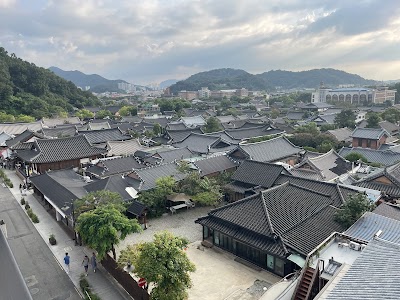
This is the largest hanok village in South Korea, over 800 traditional houses with curved tile roofs, still lived in, still a real neighborhood. Jeonju was the spiritual capital of the Joseon Dynasty because the royal Yi family started here, and the village grew from that legacy.
The stone paths between hanok are uneven, so flat shoes with grip actually matter. For bibimbap, pick a real restaurant inside the village, not a street stall. Get here in the morning, because by midday tour buses roll in and the alleys fill with hanbok rental groups queuing for the same photo on the same bridge.
Tip: Stroll through 800+ traditional hanok houses, browse craft workshops, and sample street food along the winding lanes. Arrive early in the morning to enjoy quieter alleys and softer light for photos before the midday crowd builds up.
Gyeonggijeon Shrine
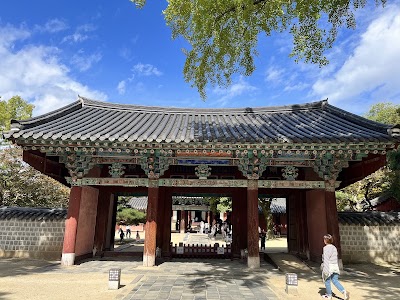
Right inside the village, there's a shrine built in 1410 to house a single portrait of King Taejo, the man who founded the Joseon Dynasty. Behind the shrine, a dense bamboo grove filters light into vertical stripes, and it stays green year-round when everything else goes bare.
The attached Royal Portrait Museum is usually empty and actually explains what you're looking at. It is worth ten minutes, because the bamboo grove is photogenic but the context is what makes it interesting. Calibrate your expectations: the complex is compact, not palace-scale, but it's a calm pocket inside the village and you can walk straight to Gaekridan-gil from here.
Tip: Visit the Joseon-era shrine housing King Taejo's royal portrait and wander the famous bamboo grove photo spot. Walk through the wooden gates early to avoid tour groups and catch the bamboo at its most serene.
Gaekridan-gil Road
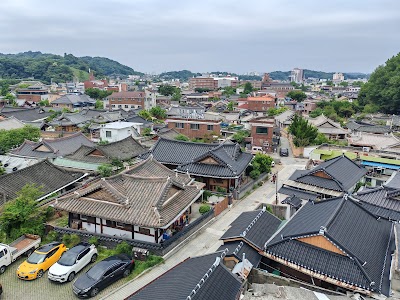
Gaekridan-gil is a short street of hanok buildings converted into independent cafes and small shops. This is where Jeonju's creative energy lives right now. The name comes from the old gaekri system, government guesthouses for traveling officials. Now the official business is pour-over coffee and sourdough.
Inside, these places are genuinely cozy: underfloor heating, low ceilings, the hiss of an espresso machine in a building that's centuries old. Pick one or two cafes and actually sit down, because it's a short street, not a district. Some indie shops open late on weekdays, so check hours before you commit.
Tip: Cafe-hop along this trendy street of renovated hanok coffee shops and indie boutiques just steps from the village. Bring cash for smaller vendors and check opening hours, because some indie shops open late on weekends.
Day 2
Day two pulls back: a hilltop view over all those rooftops, a painted hillside neighborhood, and a church that has no business being there.
Omokdae
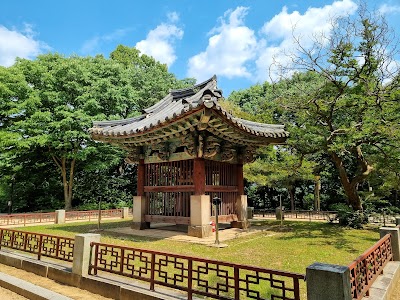
Omokdae is the viewpoint shot you have seen: the one looking down on a sea of grey-black tile roofs stretching out in every direction. This is where Yi Seong-gye threw a banquet after a military victory on his way home, then founded a dynasty that lasted 500 years.
Go in the morning because the air is clearer and you get the full impact of hundreds of rooftops before haze softens the view. Most visitors never make the climb, which is their loss. There's an overhead bridge from here straight into the next neighborhood.
Tip: Climb to the twin hilltop pavilions for sweeping panoramic views of the entire hanok rooftops below. Walk up the forested path in the morning for cooler temperatures and unobstructed views before haze sets in.
Jaman Mural Village
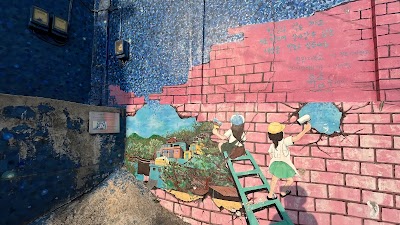
Across the road from the Hanok Village, a steep residential hillside covered in murals. It is less curated, more colorful, and people actually live here. Korea has done this in several older neighborhoods: paint the houses to stop decline, and the result is somewhere between open-air gallery and someone's front yard.
Saturated colors on the walls, laundry drying on lines between murals, the smell of someone's lunch drifting out of an open window. The stairs are steep, so morning legs are better. Hilltop breezes are real and the murals look best in low, angled light.
Tip: Walk the steep hillside steps between colorful murals and street art overlooking the village. Wear comfortable shoes and bring a warm layer. Morning breezes on the hill can be chilly.
Jeondong Cathedral
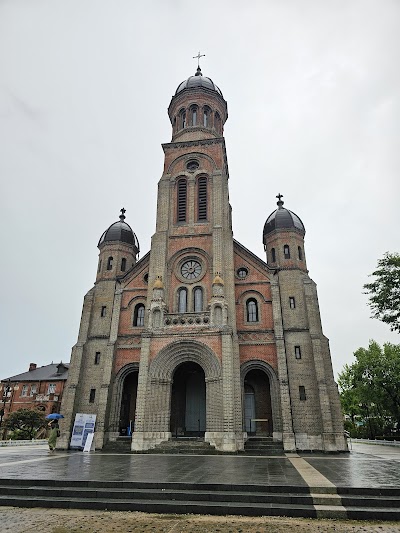
You are walking through 800 traditional Korean houses and suddenly there's a Romanesque-Byzantine cathedral with three bell towers, the most jarring architectural contrast in Jeonju. A French priest built it in 1914 on the exact spot where Korea's first recognized Catholic martyr was killed. The same architect behind Myeongdong Cathedral in Seoul designed it.
The warm brick against all those dark hanok roofs is the shot, because that contrast is the entire reason to stop here. The interior is dim, vaulted, and quiet. Check for mass times if you want to go inside, but either way this is a natural place to finish.
Tip: Admire the stunning Romanesque-Byzantine architecture of this 1914 church at the village entrance, one of Korea's most photogenic buildings. Entry is free but check for mass times when the interior may be closed to tourists.
What to book ahead
- Book hanbok rental (1-2 weeks before) - Popular shops near the village sell out on weekends; reserve online for better rates
- Reserve Jeonmang Cafe rooftop table (2-3 days before) - Rooftop seats at sunset are limited; call or message via social media
- Check Nambu Night Market schedule (Day of visit) - Night market typically runs Friday–Sunday; verify dates before planning your evening
What to pack
Essentials
- Comfortable walking shoes - Hanok Village alleys and hillside paths require extensive walking on uneven surfaces
- Portable charger - Full-day exploring with heavy photo and map usage drains batteries quickly
- Cash (Korean won) - Many street food stalls and small vendors in the markets do not accept cards
Nice to have
- Hanbok rental reservation - Wearing traditional dress enhances the Hanok Village experience and grants free entry to some sites
- Light layer or scarf - Hilltop areas like Omokdae and Jaman Village can be breezy even on warm days
Final take
Two days in Jeonju and you've walked a dynasty's hometown from the street and from above, eaten in the city that invented bibimbap, and stood in a French cathedral next to a Joseon village.
Plan this trip
Turn this guide into an editable trip plan
Open the route in Instaboard, adjust the stops, and share the itinerary with your travel group.