Travel Guide
3 Days in Kagoshima: Volcano, Shochu & Samurai Gardens
Want the editable version of this route?
Open the Instaboard template and adapt stops, timing, and notes to fit your trip.
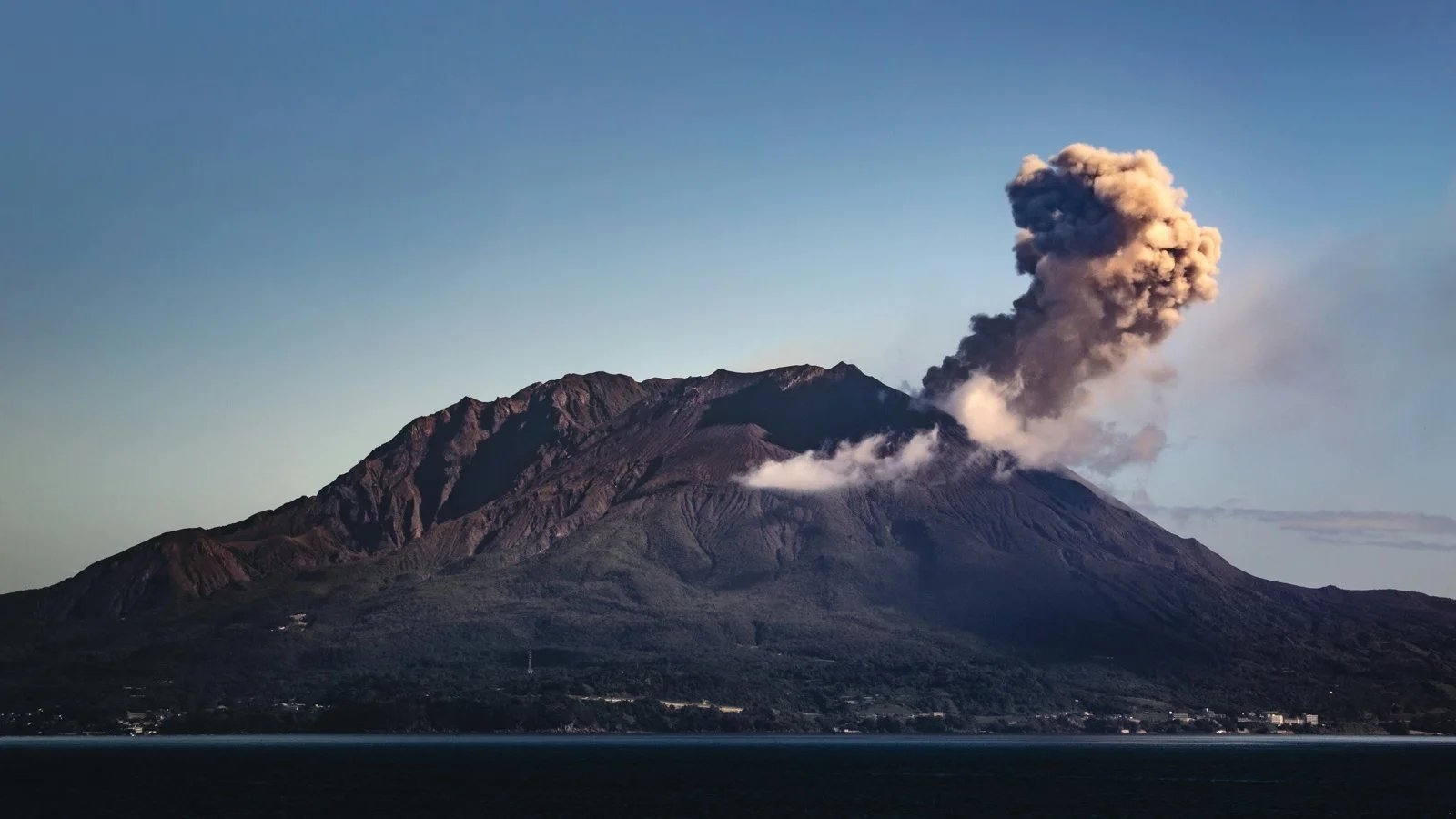
Kagoshima is the Japanese city where an active volcano sits across the bay from your dinner table, and most travelers skip it entirely. The volcano, the food, and the hot springs are all within reach, but the timing on each one matters more than you'd expect.
Spring here means mild days, cherry blossoms from late March, and the clearest views of that volcano you'll get all year.
Day 1
Day one opens with a samurai garden that frames a volcano like a painting, climbs to a hilltop battlefield, then ends in pork and shochu.
Sengan-en
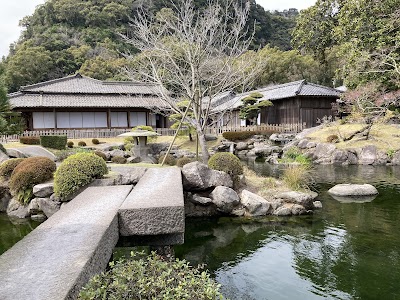
Sengan-en is a 1658 estate where the Shimadzu samurai clan built a garden with borrowed scenery: the volcano across the bay is the centerpiece. They also built Japan's first Western-style factory next door, which makes this whole estate part of a UNESCO World Heritage Site.
You're standing in a feudal lord's front yard and his landscaping choice was an active volcano. That's a power move. Arrive when gates open at 8:30 because the glass workshop books out fast and the tour buses show up by ten.
Tip: Arrive when gates open at 8:30 to enjoy the strolling garden before mid-morning crowds build. Book the Satsuma kiriko glass workshop inside the grounds in advance for the 10:00 session.
Shiroyama Park Observation Deck
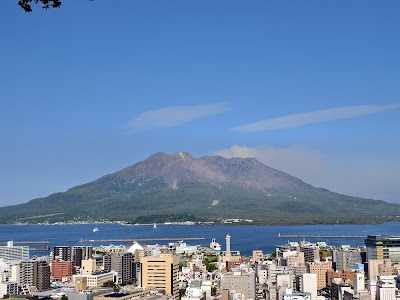
From the garden it's a short trip to Shiroyama Park, where the last samurai rebellion in Japanese history ended in 1877. Saigo Takamori made his final stand in a cave you can still visit; the observation deck above gives you the full bay and volcano panorama.
The forested walk up takes about fifteen minutes, or you can take the elevator and save the drama for the panorama. Afternoon light catches the volcano's shape much better than midday because the morning haze has burned off by then.
Tip: Walk the forested trail up to the 360-degree observation deck over Kinko Bay and Sakurajima. Bring a warm layer as the hilltop breeze picks up in the afternoon.
Tenmonkan Street
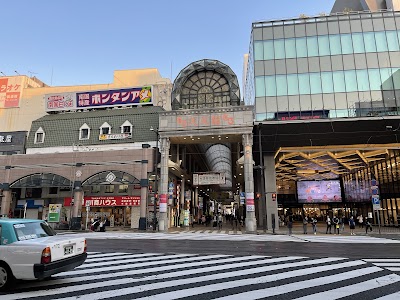
Tenmonkan is Kagoshima's covered arcade district, the place where the city actually eats and drinks after the sun goes down. Kagoshima has over a hundred shochu distilleries, and you can try more sweet-potato varieties in one evening here than most people know exist.
The Kurobuta pork is raised on those same sweet potatoes. Show up before 6:30 on weekends because the tonkatsu queues get serious. Carry cash, ask the staff for shochu picks by flavor, and don't be surprised when you leave with a new favorite spirit.
Tip: Explore Tenmonkan's covered arcades after dusk when neon signs glow and izakayas spill onto the lane. Queue early at Kurobuta tonkatsu spots; weekend waits exceed 30 minutes and some shops are cash only.
Day 2
Day two puts you on the volcano: ferry across, cycle through lava fields, soak your feet in volcanic hot springs, then watch it silhouette against a sunset.
Sakurajima
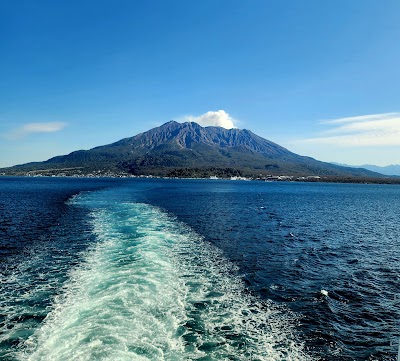
Sakurajima is Japan's most active volcano, and a fifteen-minute ferry drops you onto its lava fields with craters smoking above. It was an island until 1914, when an eruption dumped three billion tons of lava and fused it to the mainland. It still erupts weekly.
Rent a bike at the port and ride the lava-field roads. The crunch of volcanic gravel under your tires is genuinely weird. Catch the first ferry you can because morning light gives you the clearest crater view and bike rentals go fast on nice days.
Tip: Board the 15-minute ferry from Kagoshima Port. Buy your ticket before 9:00 to catch the first departure. Rent a bicycle near the port to ride the lava-field roads; wear warm layers as sea wind is constant.
Sakurajima Yōgan Nagisa Park.
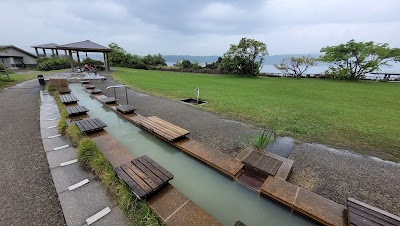
After the bike ride, Yōgan Nagisa Park has a free hundred-meter volcanic foot bath right on the waterfront. A few minutes away, the Kurokami shrine gate sticks out of solidified lava, with only the top crossbeam visible because the 1914 eruption buried the rest.
The village elder left the gate exactly as the eruption left it, as proof of what happened. It's the most honest memorial in Japan. Bring a small towel for the foot bath and don't arrive too late; it closes at five.
Tip: Soak your feet in the free 100-metre volcanic foot bath after cycling the lava roads. Check opening hours (9:00-17:00) and walk to the Kurokami Buried Shrine Gate for a striking photo.
Iso Beach
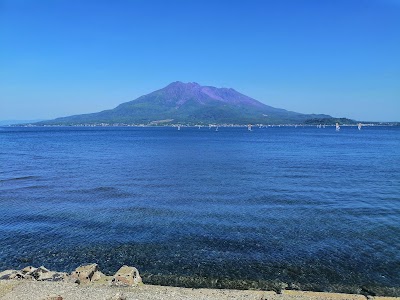
Back on the Kagoshima side, Iso Beach is a waterfront promenade where you watch Sakurajima's plume shift colors as the sun sets behind you. No ticket, no crowd. Just locals walking dogs and a volcano doing its thing across the water at golden hour.
This is the same coastline the Shimadzu clan looked at every day, which probably explains their garden's sense of drama. Time the walk for thirty minutes before sunset and check the wind; ash drifts this way on breezy evenings.
Tip: Stroll the Iso Beach waterfront promenade at sunset for unobstructed views of Sakurajima's smoking crater silhouetted against the sky. The flat, well-lit path makes a relaxed evening walk.
Day 3
Day three heads into the mountains to a shrine built on Japan's origin myth, then ends in volcano-heated hot springs surrounded by forest.
Kirishima Shrine
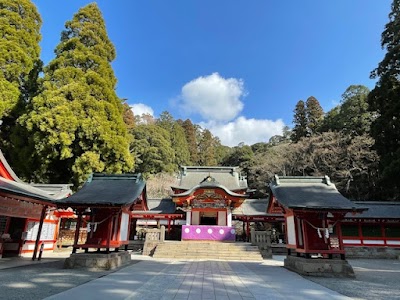
Kirishima Shrine sits in cedar forest at the foot of a volcanic mountain range, enshrining the god who, according to myth, descended from heaven to start Japan. The shrine has burned down repeatedly from volcanic eruptions: a shrine to a god, destroyed by volcanoes, rebuilt in a volcanic mountain range.
The cedar-lined approach is the highlight. Morning mist curls through the trees and the red torii gate pops against dark bark and green moss. It's noticeably cooler up here than the city, so bring a layer and arrive before ten for the best of that quiet, misty atmosphere.
Tip: Take the morning bus from Kagoshima to arrive before 10:00 for quiet solitude along the cedar-lined shrine approach. Pick up an English pamphlet at the entry gate for mythological context.
Kirishima Onsen
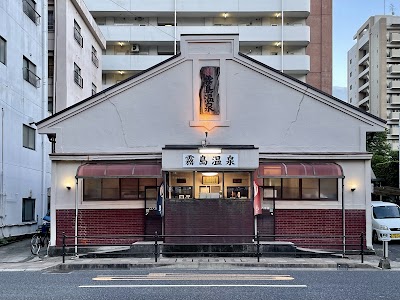
The hot springs at Kirishima Onsen are heated by the same volcanic system as Sakurajima. The whole region is one connected geothermal machine. After two days of staring at a volcano, you're sitting in a tub of its bathwater with cherry blossom petals on the surface.
Spring is the sweet spot: cool mountain air, hot sulfur water, and azaleas blooming on the slopes around the baths. Reserve a day-use onsen in advance because some ryokans close to day visitors on spring weekends, and a locked bath is a rough trip finale.
Tip: Transfer to a Kirishima Onsen ryokan for an outdoor sulfur-scented bath surrounded by azalea slopes. Reserve day-use onsen in advance; some ryokans restrict entry to overnight guests on spring weekends.
What to book ahead
- Reserve Kirishima Onsen day-use bath (1 week before) - Some ryokans only accept day visitors on weekdays or with advance reservation
- Book Sakurajima bicycle rental (1-2 days before) - Spring weekends sell out; rental shops cluster near the Sakurajima ferry terminal
- Check ferry timetable (Night before Day 2) - Ferries run every 15-30 min but last return is around 19:00
- Reserve Kurobuta restaurant for Day 1 evening (2-3 days before) - Top Tenmonkan tonkatsu spots fill fast on weekends
What to pack
Essentials
- Light windbreaker or layered jacket - Sea breeze on Sakurajima and hilltop viewpoints can be brisk even in spring
- Comfortable walking shoes - Lava-field cycling roads, shrine trails, and garden paths require sturdy footwear
- Cash in yen - Many smaller izakayas and shops in Tenmonkan and Gourmet Street do not accept cards
- Day pack - Ferry and bus transfers require hands-free mobility for snacks, water, and souvenirs
Nice to have
- Swimwear and small towel - Needed for onsen day-use and the volcanic foot bath at Nagisa Park
- Binoculars - Great for watching Sakurajima's volcanic activity from Shiroyama or the ferry
- Portable charger - Full-day outings with ferry, cycling, and photo-heavy stops drain phone batteries quickly
Final take
Kagoshima is what happens when a city decides to just live next to an erupting volcano, and somehow makes that look like the most reasonable choice in Japan.
Plan this trip
Turn this guide into an editable trip plan
Open the route in Instaboard, adjust the stops, and share the itinerary with your travel group.