Travel Guide
3 Days in Kamakura: Great Buddha, Zen Temples & Coastal Japan
Want the editable version of this route?
Open the Instaboard template and adapt stops, timing, and notes to fit your trip.
Kamakura is an hour south of Tokyo, and it has a giant bronze Buddha sitting in a garden with no roof, Zen temples built into forested hills, and a samurai shrine that once ran the entire country. Most people day-trip it, rush the Buddha, and head home. Three days gets you the temples, the coast, an island born from a dragon myth, and a sunset spot almost nobody knows about.
Kamakura rewards every season: cherry blossoms lining the shrine approach in spring, hydrangeas covering the hillside temples in June, sharper coastal views and thinner crowds when the weather turns.
Day 1
Day one opens at Kita-Kamakura Station with a Zen temple most tourists skip entirely, then walks south through the shogunate's power center before dumping you onto a lantern-lit food street.
Engaku-ji
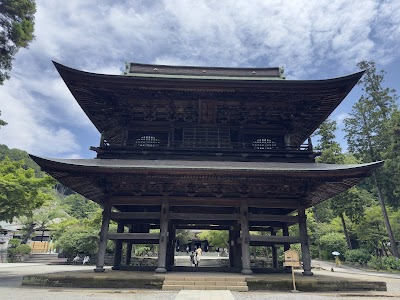
Engaku-ji is a Rinzai Zen temple complex tucked into a steep, forested valley right outside Kita-Kamakura Station. You step off the train and you're already on temple grounds.
The regent who founded this place organized Japan's defense against two Mongol invasion attempts, then immediately built a temple to pray for the invaders' souls. Imagine winning a war and spending the victory party apologizing.
Stone stairs climb through tall cedar with almost no sound but wind and your own footsteps. The National Treasure Shariden hall sits up there, usually closed to the public. You're really here for the atmosphere of the grounds.
Come on a weekday morning. The valley is genuinely yours before the tour groups arrive, and this quiet start sets the tone before the day builds toward the big shrine.
Tip: Arrive at Kita-Kamakura Station and walk through Engaku-ji's forested grounds to see the national-treasure Shariden. Go early on weekdays to avoid the morning crowd at the gate.
Tsurugaoka Hachimangu
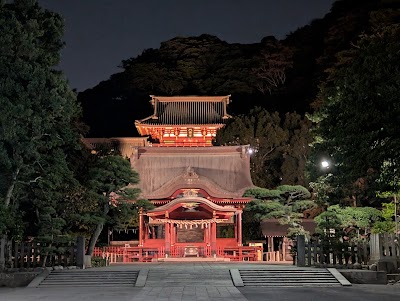
Tsurugaoka Hachimangu is the shrine that sat at the center of Japan's first samurai government. Minamoto no Yoritomo moved it here in 1180 and essentially built his capital around it.
The Dankazura is a raised pedestrian path lined with cherry trees stretching nearly half a kilometer, designed to make anyone walking it feel like they're arriving somewhere important. That was the whole point.
The main courtyard is almost always busy, but walk behind the main hall to the Genji and Heike ponds, named after the rival clans, and the crowd thins out almost immediately.
This stop comes after Engaku-ji because mid-afternoon shadows give the vermilion buildings real texture, and you've already settled into temple mode by the time you face Kamakura's big statement piece.
Tip: Walk up the cherry-tree-lined Dankazura approach to Tsurugaoka Hachimangu. The main courtyard gets crowded on weekends, so visit the peaceful rear ponds for a quieter experience.
Komachi Street
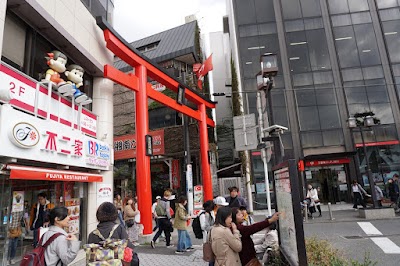
Komachi Street is the 360-meter stretch between the shrine and Kamakura Station, crammed with over 250 shops and food stalls. It's where you end up whether you planned to or not.
The street follows the old pilgrim road toward the shrine, so you're participating in a very old tradition of spending money near holy sites.
By evening the lanterns come on and the smell shifts every few meters: grilled sweet potato, then soy sauce, then something fried you can't identify. Shirasu-don, whitebait over rice, is the local specialty worth hunting down.
Carry cash because the best stalls don't take cards. Weekdays after the day-tripper rush thin out are when this street actually lets you breathe.
Tip: Stroll down Komachi Street as lanterns light up, sampling shirasu-don and sweet potato treats. Carry cash since many smaller stalls don't accept cards for snacks.
Day 2
Day two opens with Kamakura's most recognizable face, climbs to a hillside temple with a panoramic bay view, and ends on the sand watching the sun drop behind an island.
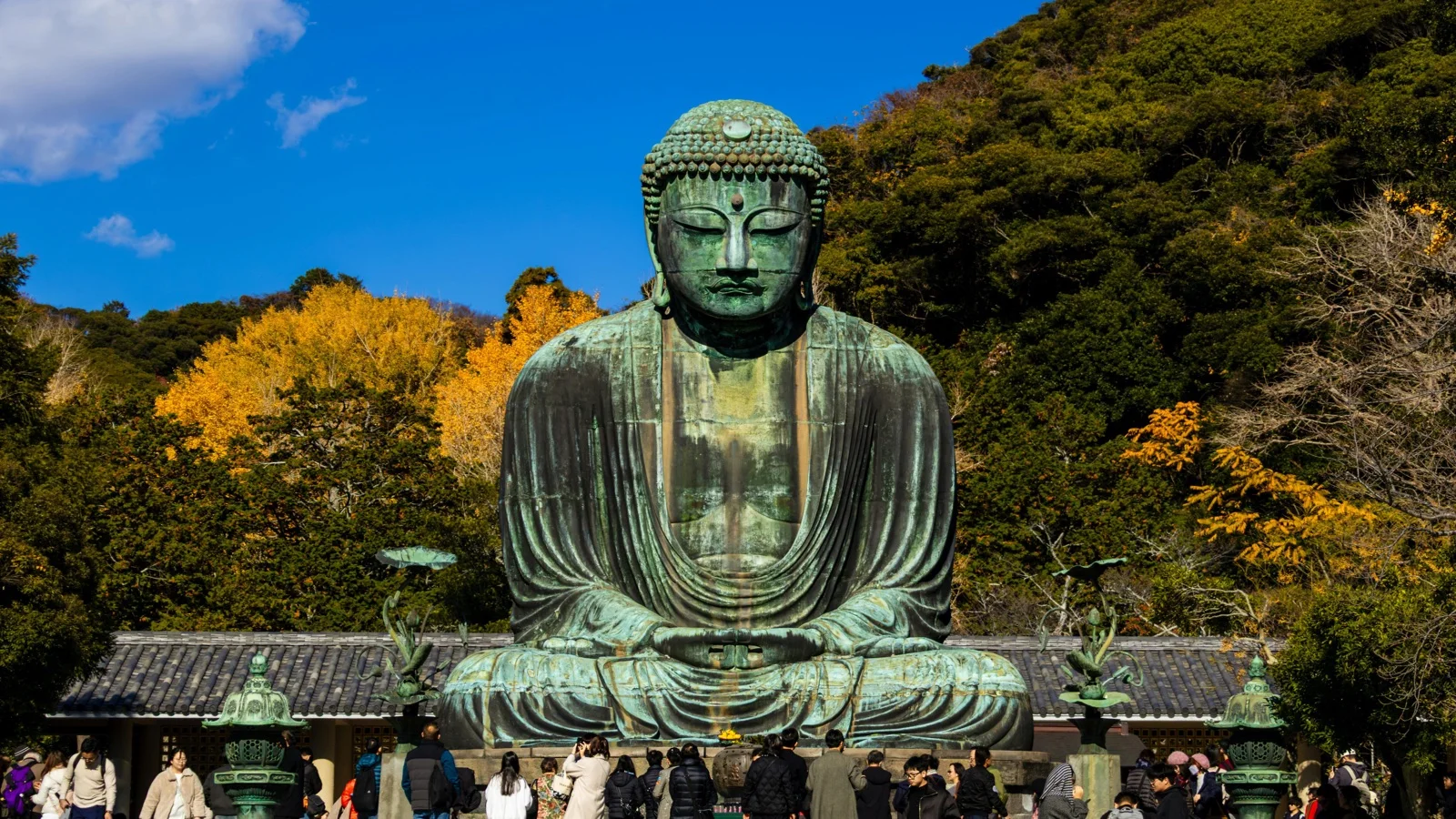
Kotoku-in
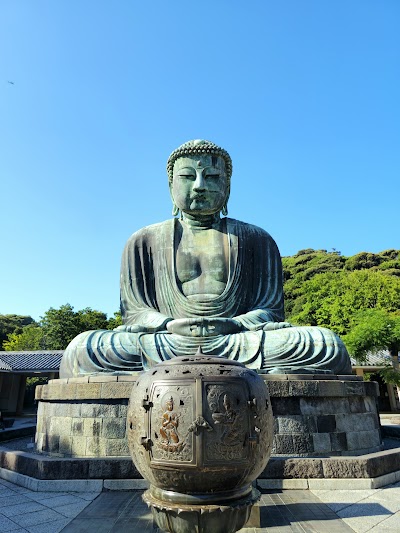
Kotoku-in is a 13-meter bronze Amida Buddha that has been sitting outdoors since 1498, when a tsunami destroyed the temple hall that originally housed it. The statue was fine, and nobody ever rebuilt the roof.
It was cast around 1252 and it's hollow, so you can literally walk inside a bronze Buddha. Inside it's dim, it smells like old metal and stone, and light comes through thin spots in the bronze.
The face shifts subtly from every angle you stand at, and you notice it because everyone walks around it slowly, the same way, almost involuntarily.
Get here before nine. The site is small and exposed, and once tour groups arrive every angle has someone posing.
Tip: Arrive before 9 AM to photograph the 13-meter bronze Buddha without crowds. Buy the extra ticket at the gate to step inside the hollow statue.
Hasedera
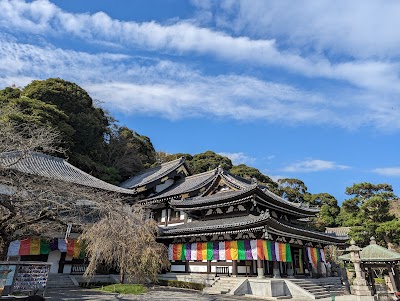
A five-minute walk from the Buddha, Hasedera is a hillside temple that you ascend through: mossy stone paths, a small bamboo grove, and a nine-meter wooden Kannon carved from a single camphor tree that makes you stop talking.
Legend says two Kannon statues were carved from the same log. One was enshrined in a prestigious temple in Nara, the other was thrown into the ocean and drifted to Kamakura. Honestly the one that washed ashore got the better view.
Most visitors stop at the Kannon hall and turn around, but the top viewing platform opens up the whole bay: Yuigahama below, Enoshima across the water, Mount Fuji on clear days.
This stop lands after Kotoku-in because late afternoon light hits that upper terrace and makes the water glow. That's the payoff for saving the climb until after the Buddha.
Tip: Climb Hasedera's hillside paths past moss-covered Jizo statues to the 9-meter wooden Kannon and panoramic bay views. Reserve the on-site matcha experience in advance during hydrangea season.
Kamakura Yuigahama Beach
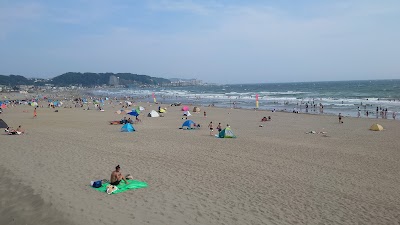
After a day and a half of temples you may have forgotten that Kamakura sits on the coast. Yuigahama is the wide, sandy reminder along the southern shore.
This is where Tokyo comes to surf, and the contrast between a morning with a 750-year-old Buddha and an evening watching wetsuited surfers in three feet of water is what makes Kamakura feel like a real town instead of a curated museum.
Walk the sand about thirty minutes before sunset. The shot is Enoshima Island silhouetted against the dropping sun, and the glare off the water is serious. Sunglasses aren't optional here.
Off-season, especially on weekday evenings, you can have long stretches to yourself with just the sound of waves replacing a day of temple bells and incense.
Tip: Walk down to Yuigahama Beach for a golden-hour stroll with Enoshima silhouetted on the horizon. Arrive 30 minutes before sunset for the best light and photo spots.
Day 3
Day three crosses a bridge to an island born from a dragon legend, rides a vintage train along one of Japan's most photographed coastlines, and ends on a rocky headland watching the sun sink into open ocean.
Enoshima
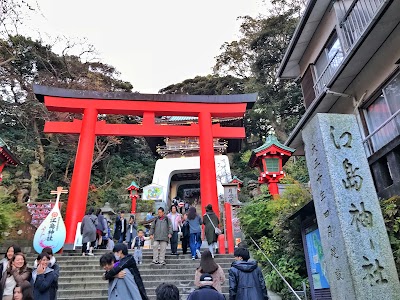
Enoshima is a small island you walk to via a bridge, topped with a shrine dedicated to Benzaiten, sea caves carved by centuries of waves, and a lighthouse observation deck with Mount Fuji views when the air is clear.
The origin legend says a five-headed dragon was terrorizing the coast until Benzaiten appeared, the dragon fell in love, reformed, and became the island itself. Local myth literally says you're standing on a reformed monster.
You climb through souvenir shops, up stone steps past the shrine, to the Sea Candle lighthouse at the top. The views open in stages: first the coast, then the full bay, then Fuji if the sky cooperates.
Start in the morning. The island takes three-plus hours to do properly, and Fuji visibility is usually best before clouds build later in the day.
Tip: Walk across the bridge to Enoshima Island and climb to the Sea Candle lighthouse for Mount Fuji views. Prebook a harbor seafood restaurant for grilled shirasu at lunch.
Enoshima Electric Railway Fujisawa Station
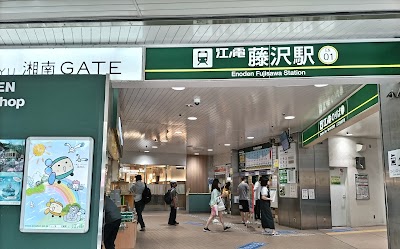
The Enoden is a vintage two-car train that runs the coast between Kamakura and Fujisawa, squeezing through residential backstreets where buildings are close enough to touch, then suddenly opening onto the ocean.
It's famous enough to be basically a character in the anime Slam Dunk. There's a specific crossing near Kamakurakoko-mae Station where fans line up to recreate a scene, and the train has to slow down for the photographers.
Grab the window seat on the sea-facing side. The stretch between Kamakurakoko-mae and Inamuragasaki runs right beside the beach, and every person in that car raises their phone at the same moment.
This train has been running since the early 1900s as a working commuter line that happens to be beautiful. The afternoon light on the water from your seat is genuinely part of the day.
Tip: Board the vintage Enoden train and sit on the sea-facing side for iconic coastal photo stops. Buy a 1-day Noriori-kun pass at the station ticket machine.
Kamakura Seaside Park
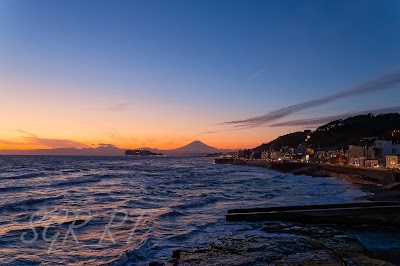
Inamuragasaki is a rocky headland at the edge of Kamakura where a warlord's army passed through in 1333 to overthrow the shogunate. Now it's a park with benches, rock formations, and almost no tourists.
This is one of the few places in the greater Tokyo area where you can watch the sun set over the open ocean. The land just drops off here: no more coast, no more temples, just water and sky.
Wind off the Pacific, waves hitting rocks, the last light catching Enoshima and the coastline you spent the whole day traveling. It feels exposed and raw compared to every sheltered temple ground you've visited.
Grab a taxi from the nearest Enoden stop if your legs are done. Bring whatever you want to drink because there are no food vendors out here, and arrive twenty minutes early for a bench.
Tip: End your trip at Kamakura Seaside Park, a rocky headland with open-ocean sunset views. Take a taxi from the nearest Enoden stop and arrive 20 minutes early for a bench.
What to book ahead
- Purchase Enoden 1-day pass or Noriori-kun ticket (Day of or station kiosk) - Unlimited Enoden rides for the day; great value if you plan multiple stops along the line
- Check Kotoku-in opening hours (Before Day 2) - Usually 8 AM–5:30 PM but varies seasonally; the interior Buddha entry has a small separate ticket
- Reserve Hasedera matcha experience (1–2 weeks ahead in June) - Hydrangea season fills up fast; book via their official website
- Check Enoshima Sea Candle hours (Before Day 3) - Observation deck closes earlier in winter; verify seasonal hours online
What to pack
Essentials
- Comfortable walking shoes - Temple grounds and coastal trails involve lots of walking on uneven stone paths
- IC card (Suica/Pasmo) - Tap-and-go payment for Enoden trains, buses, and many vending machines
- Light layer or jacket - Coastal breezes can be cool even in warmer months, especially at sunset viewpoints
- Cash (yen) - Many temple entry fees, small food stalls, and souvenir shops are cash-only
Nice to have
- Sunscreen and hat - Limited shade on beaches and the Enoshima bridge crossing
- Portable charger - Heavy photo use at temples and scenic railway stops drains batteries fast
- Towel and swimwear - Yuigahama Beach is swimmable from July to September
Final take
Three days in Kamakura moves you from samurai Zen to a shogun's shrine to a bronze Buddha that outlasted its own temple to an open-ocean sunset. That range, packed into a town an hour from Tokyo, is what makes this place hard to leave.
Plan this trip
Turn this guide into an editable trip plan
Open the route in Instaboard, adjust the stops, and share the itinerary with your travel group.