Travel Guide
Kanazawa 3-Day Itinerary: Gardens, Samurai Districts & Old Town Japan
Want the editable version of this route?
Open the Instaboard template and adapt stops, timing, and notes to fit your trip.
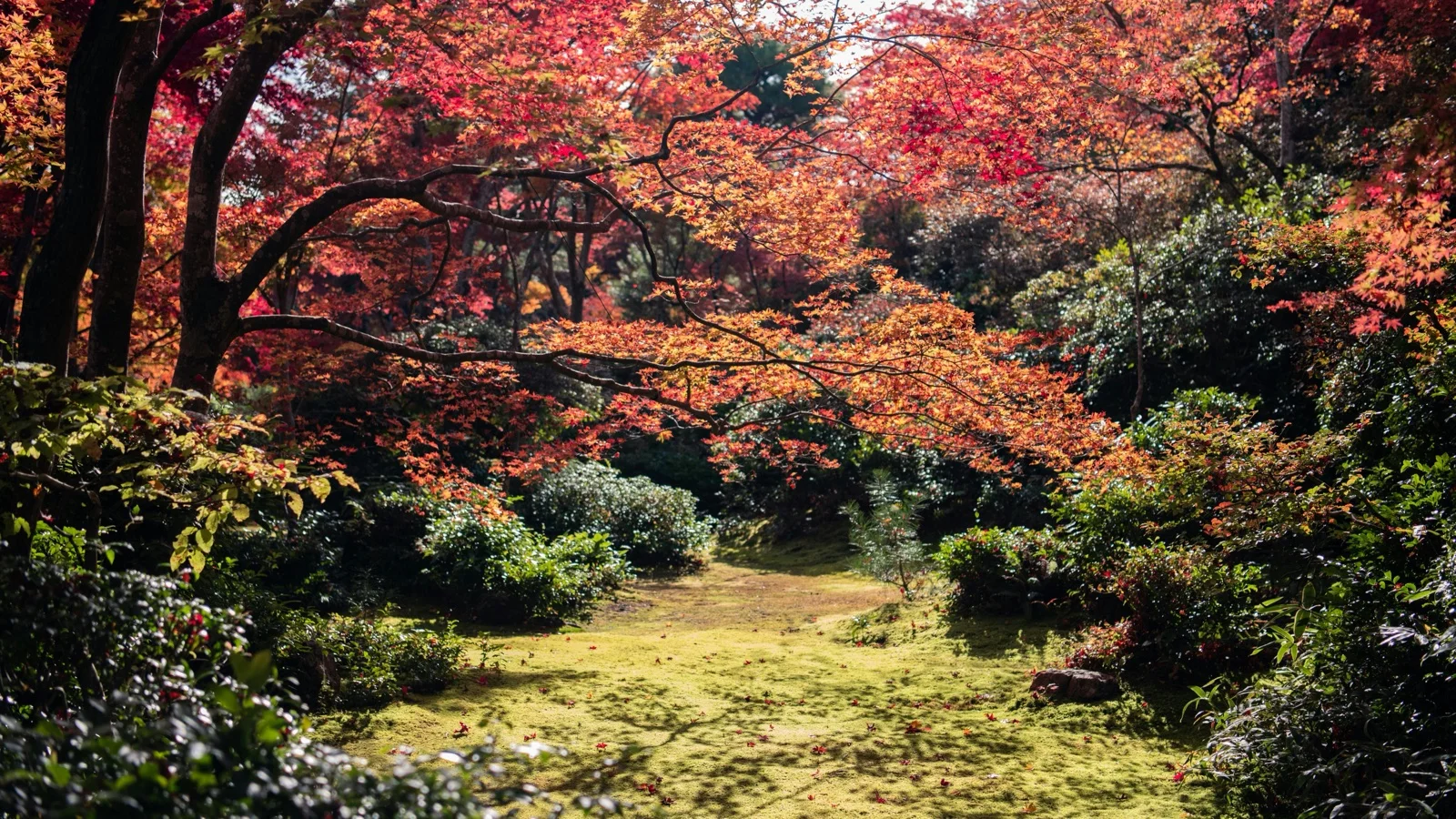
Kanazawa is what happens when Kyoto doesn't get bombed in WWII and a feudal clan with too much money goes all-in on gardens and culture for 250 years. The mistake most people make is treating it like a Kyoto side trip when it's really its own thing, and if you don't lock in the right days for the right neighborhoods, you end up rushing through empty streets at noon instead of lantern-lit alleys at dusk.
Late October through November is the sweet spot. Maples go red, ginkgo goes gold, and the garden light hits differently than it does the rest of the year.
Day 1
Day one is the garden trilogy: the famous one with the two-legged lantern, the castle next door, and the tiny waterfall garden where you can actually hear the water.
Kenroku-en
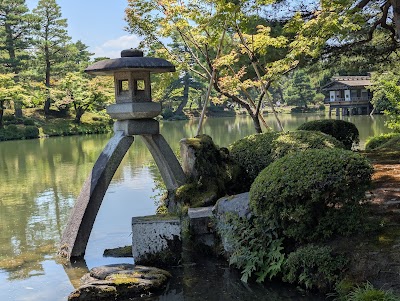
Kenroku-en is why people come to Kanazawa. It is one of Japan's three so-called most beautiful gardens, which sounds like marketing until you realize the Maeda clan spent two centuries building it. They literally designed it around a Chinese landscape theory checklist of six qualities: spaciousness, seclusion, abundant water, artificiality, antiquity, broad views.
The Kotoji-toro lantern has two legs instead of one, and you will photograph it because everyone photographs it, and that's fine. It's a good photo. Get here before 9am because after that you're sharing the paths with tour groups and the still-water reflections turn into ripple chaos.
Tip: Arrive before 9am to avoid crowds and capture the iconic Kotoji-toro lantern reflecting in Kasumigaike Pond with autumn foliage. Layer clothing as mornings are cool.
Kanazawa Castle Park
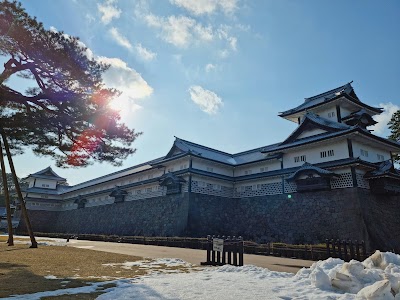
Walk through Ishikawa Gate and you're in Kanazawa Castle Park, the administrative heart that paid for that garden next door. The Maeda clan ran their domain from here, and what you see now are carefully restored turrets and warehouses using traditional techniques, not theme-park recreations.
The Gojikken Tsutsumi earthen walls are massive, and in November the ginkgo trees lining the paths turn the kind of gold that makes you stop mid-stride. Most tourists stop at Kenroku-en, so you'll have more space here. It's a good place to reset if the garden felt overwhelming.
Tip: Walk from Kenroku-en through the Ishikawa Gate to explore restored turrets and ginkgo-lined paths. The Gojikken Tsutsumi earthen walls are stunning in golden autumn light.
Gyokusen-en Nishida Family Garden
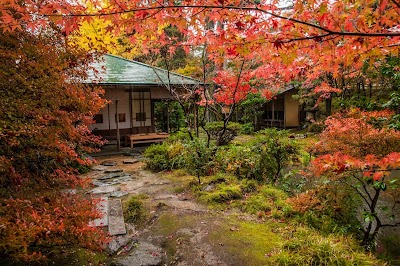
Gyokusen-en is the antidote to garden crowds, a private family retreat that predates Kenroku-en, built by a merchant, not a feudal lord. You can actually hear the waterfall here, which sounds like a low bar until you remember Kenroku-en's soundtrack is other tourists.
Moss, narrow paths, a tea house, and on some days you might have the whole place nearly to yourself. Bring cash, since there are no cards at the gate, and give it about an hour before you wrap day one somewhere peaceful.
Tip: Escape the crowds at this intimate garden featuring a cascading waterfall and tea house. Cash only for entry; fewer tourists than its famous neighbor.
Day 2
Day two is feudal Kanazawa: streets where samurai actually lived, a temple full of trap doors, and a geisha district that still operates after dark.
Nagamachi bukeyashiki-ato Samurai District
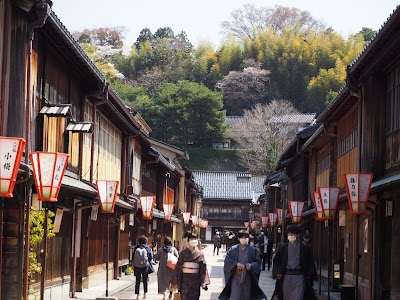
Nagamachi is what preserved historic district actually means: earthen walls, narrow canals, cobblestone streets, and yes, people still live here. This was the Maeda clan's samurai residential quarter, and the Nomura-ke house is open if you want to see how a middle-ranking samurai actually lived.
Turns out most samurai were basically civil servants with swords. The movies really oversold the glamour. Morning light is best on the mud walls and water, and weekdays are quieter than weekends when domestic tourists show up.
Tip: Stroll through earthen-walled samurai residences and visit Nomura-ke museum. Arrive early to avoid weekend crowds and photograph the serene canals without obstruction.
Myouryuji (Ninja Temple)
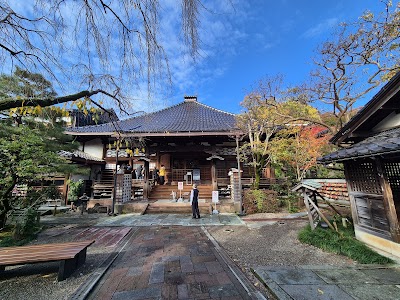
Myouryuji is called Ninja Temple, which is branding, because nothing here has anything to do with ninja. It's a defensive temple full of samurai-era paranoia architecture. Four stories on the outside, seven levels inside, with hidden doors, retractable floorboards, and staircases that lead nowhere.
Tours only, no wandering, and the guide will open a wall at some point to reveal a room you didn't know existed. Book ahead if you can, because morning tours fill up. You can also show up early and hope for a walk-in spot, but the groups are small and space is limited.
Tip: Book your guided tour in advance to discover hidden passages and defensive traps. Tours fill quickly; reserve online at least 3 days ahead.
Higashi Chaya District
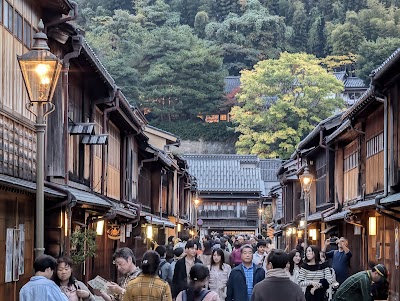
Higashi Chaya is Kanazawa's largest geisha district, with wooden teahouses from the Edo period that survived because Kanazawa wasn't bombed. This isn't a museum or a recreation; geisha still entertain here, some teahouses are private, and others will let you in for matcha and sweets.
Come at dusk when the lanterns come on, because daytime feels like any other shopping street but evening is when the atmosphere actually lands. Walk slow, listen for shamisen practice through open windows, and don't photograph people without asking. Some of these houses are still private residences.
Tip: Visit at dusk when lanterns illuminate wooden teahouses. Some establishments require reservations; cash is preferred at traditional venues.
Day 3
Day three is where the city feeds you, confuses you with contemporary art, and then hands you a hilltop view of everything you just walked through.
Omicho Market
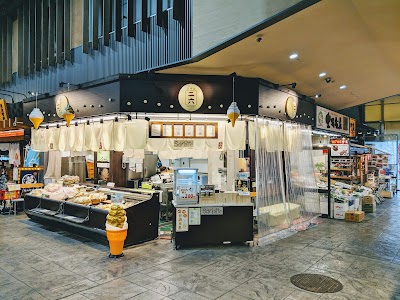
Omicho Market has been Kanazawa's kitchen for three centuries. This is where locals actually shop, not a tourist trap that forgot to close. Winter crab is in season, and if you've never had a seafood bowl or sushi for breakfast surrounded by vendors calling out prices, this is the place.
The smell hits you first: salt and fish and steam from the hot-food stalls. The floors are wet and nobody is here to impress you. Go before 10am because by early afternoon vendors start packing up, and bring small bills since most stalls don't take cards.
Tip: Navigate the covered aisles for fresh seafood breakfast and local crab. Most vendors accept cash only; arrive before 10am for the best selection.
Kanazawa 21st Century Museum of Contemporary Art
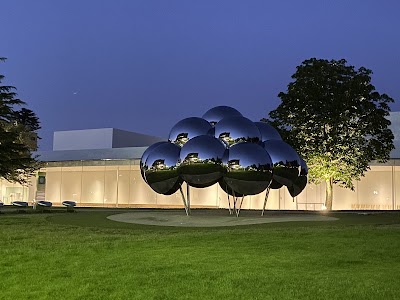
The 21st Century Museum is famous for one thing: a glass installation called the Swimming Pool that makes you look like you're walking underwater. You can view it from above for free, or pay to go below and watch people on the surface through the glass. It's Instagram bait, sure, but genuinely disorienting in person.
The circular building is almost as interesting as the art. No corners, windows everywhere, designed by SANAA before they were SANAA. Book online for weekends because peak times sell out, but weekday afternoons usually have walk-up availability.
Tip: Explore Leandro Erlich's Swimming Pool installation and circular architecture. Book tickets online to skip the queue during weekend peak hours.
Utatsuyama Park
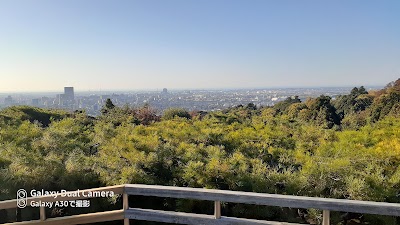
Utatsuyama Park is the hilltop you've earned. It's 149 meters up, with 360-degree views of the castle, Kenroku-en, and the Japan Sea in one frame. During the Edo period, commoners weren't allowed up here because it overlooked the castle; now it's free and nobody stops you, which feels like progress.
Climb up about 30 minutes before sunset, because golden hour from this angle is the moment the city actually looks like the brochures promised. Bring a jacket since hilltops get windy, and wear decent shoes for the stairs, because the path gets slippery when it's wet.
Tip: Climb to the hilltop for sunset views over Kanazawa, Kenroku-en, and the Japan Sea. Bring a warm layer as it gets windy at the summit.
What to book ahead
- Reserve Ninja Temple tour (3-5 days before) - Myouryuji requires advance booking; English tours are limited
- Book Kenroku-en area guided tour (1 week before) - Optional but recommended for deeper historical context
- Research traditional teahouse experiences (2 weeks before) - Some Higashi Chaya teahouses require reservations for geisha performances
What to pack
Essentials
- Comfortable walking shoes - Extensive walking through gardens and historic districts on cobblestone paths
- Layers (light jacket/sweater) - Cool autumn mornings and evenings, warm afternoons require adaptable clothing
- Cash (Japanese yen) - Many traditional shops, markets, and smaller attractions accept cash only
Nice to have
- Portable charger - Full day of navigation and photography drains phone batteries
- Compact umbrella - Autumn can bring intermittent rain showers
- Camera with wide-angle lens - Capture expansive garden vistas and narrow historic streets
Final take
Kanazawa is the rare Japanese city where the old stuff is real, the new stuff is genuinely interesting, and you can walk from feudal gardens to contemporary art without ever getting on a train.
Plan this trip
Turn this guide into an editable trip plan
Open the route in Instaboard, adjust the stops, and share the itinerary with your travel group.