Travel Guide
Kerala in 4 Days: Fort Kochi, Munnar Tea Hills & Alleppey Backwaters Itinerary
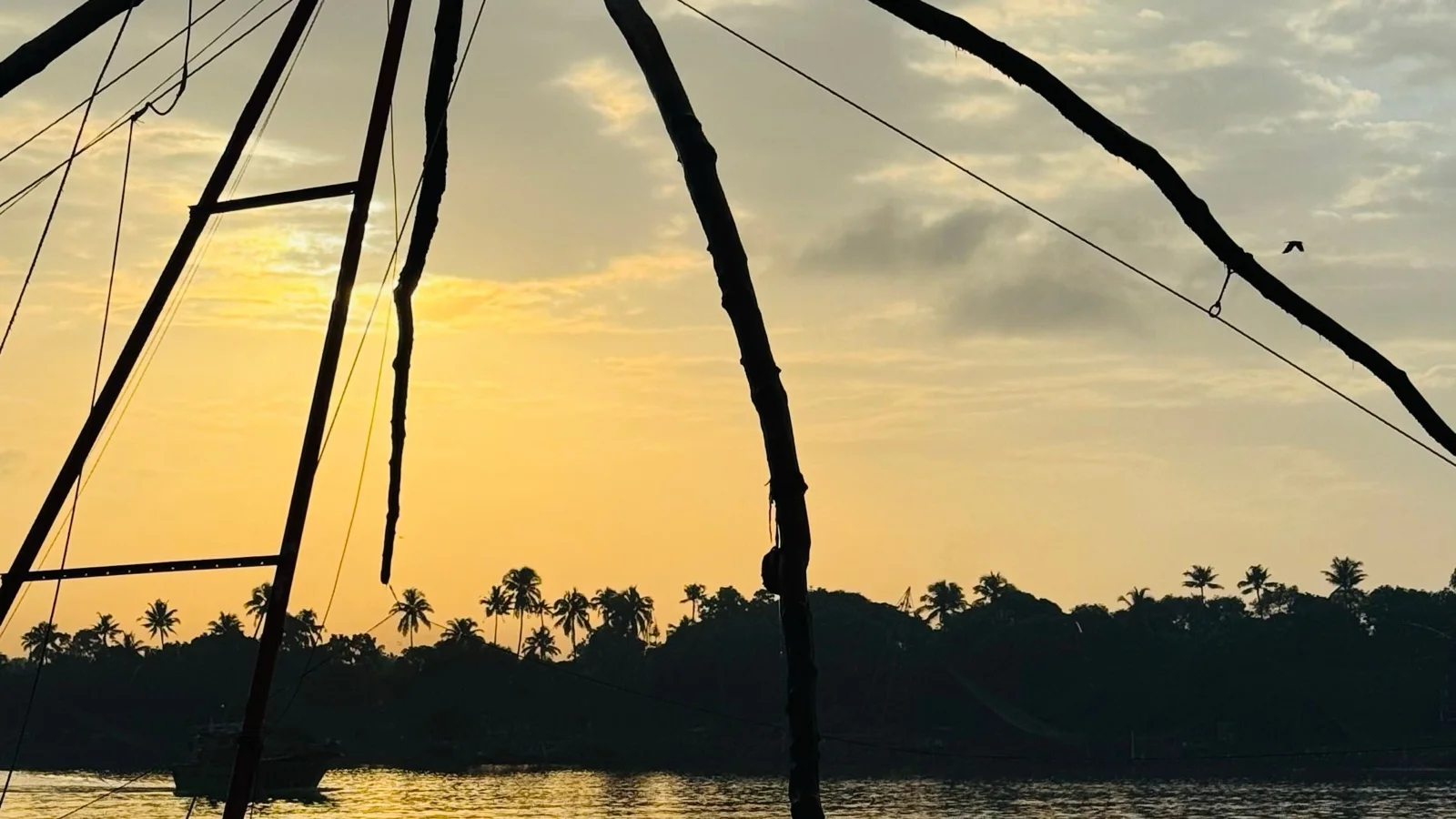
Want the editable version of this route?
Open the Instaboard template and adapt stops, timing, and notes to fit your trip.
Kerala packs a spice-port past, cool tea hills, and a night on a floating hotel into one small corner of India. Kerala rewards timing more than luck: right season, right mornings, right order. That is the part worth a little homework.
November through February is the dry window: warm coastal afternoons and cool mornings in Munnar's tea hills. That is exactly why this trip works now.
Day 1
Day one stays in Kochi's old quarter, where a small church, a strange palace, and one bazaar lane explain how this coast's whole story started.
St. Francis CSI Church
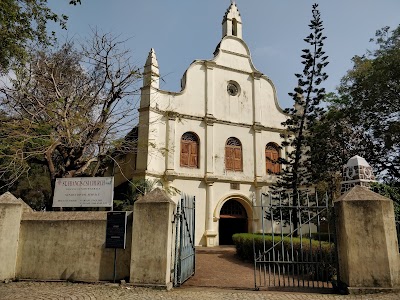
St. Francis is India's oldest European church: modest, whitewashed, and the spot where Portugal's sailors effectively opened India's colonial chapter. Vasco da Gama was buried right here in 1524; his remains later sailed home to Lisbon, so the gravestone is the receipt, not the contents.
Expect a parish hall, not a cathedral: cool tile floors, hand-cranked wooden fans, and the strange quiet of a grave that's technically empty. Come before ten and you'll have it nearly alone, because the tour buses stack up outside right after, and cover shoulders and knees.
Tip: India's oldest European church and the original burial site of Vasco da Gama; entry is free, but arrive before 10am to beat tour-bus crowds and cover shoulders and knees.
Mattancherry Palace
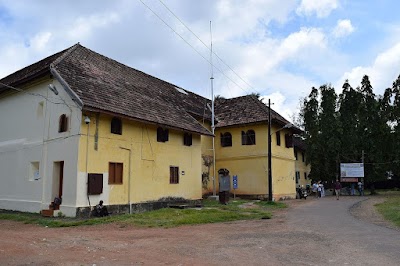
The Portuguese built Mattancherry Palace as an apology gift to the Raja of Kochi after wrecking a temple, which says everything about that friendship. Inside, dim lamplit halls hold Kerala's finest murals: deep reds and greens in vegetal pigments, stretched across walls that reward slow reading.
It's nicknamed the Dutch Palace purely because the Dutch fixed the roof once, and cameras are banned inside, so plan on actually remembering it. Book timed tickets online and mind the Friday closure, because the gate queue is the only slow part of this stop.
Tip: Walk through 16th-century Kerala murals and royal palanquins; buy timed tickets in advance online to skip the gate queue, note photography is banned inside, and the palace is closed on Fridays.
Jew Town Fort Kochi
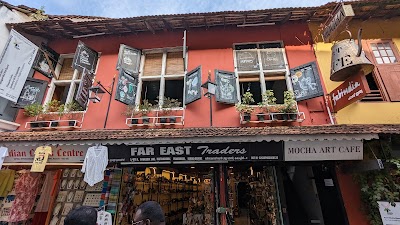
A short walk on, Jew Town is a five-hundred-year-old trading lane where spice sacks and antique shops spill toward a synagogue still in use. Kerala's Jewish community traded here long before Europe mapped this coast, and a handful of members still keep the Paradesi Synagogue going.
It's cinnamon and dust, hanging lanterns, and 'antiques' spanning a generous range of centuries; assume the stories appreciate with the inventory. Bargain with cash in the antique shops, and if you want inside the synagogue, check its shortened Friday hours before you walk over.
Tip: Spice and antique bazaar lane leading to the Paradesi Synagogue; bargain with cash in smaller shops and check the synagogue's shortened Friday opening hours before you go.
Day 2
Day two is the climb: a long winding drive from Kochi into the Western Ghats, broken by one waterfall and one very persuasive spice walk.
Cheeyappara Waterfalls
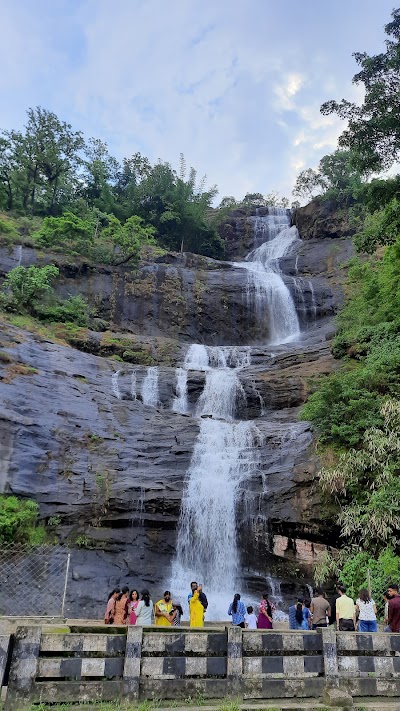
Cheeyappara is a genuine multi-tier waterfall landing right beside the Kochi to Munnar highway, and pretty much everyone driving up stops for it. The falls are the excuse; the show is the pull-off: pepper vendors, snack stalls, and tour-group selfie choreography with mountain acoustics.
You get cold spray off wet rock and diesel from idling buses; winter keeps the flow polite and the viewing steps mercifully drier. Carry small cash notes, because the card machines up here are optimistic and the steps stay slick even in dry season.
Tip: Classic tiered waterfall photo break on the Kochi-Munnar highway; wear grip-soled shoes on the slippery viewing steps and carry cash for the small entry fee.
Cinnamon Gardens Spices Plantation
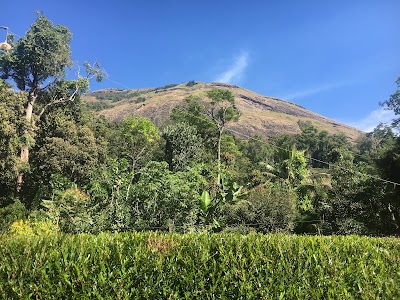
By afternoon you're in a working spice plantation: the visible half of Kerala's entire historical purpose, growing in rows you can touch. Pepper grows on a vine, cardamom at ground level, and one walk through here quietly rearranges everything you assumed about a spice rack.
Romans, Arabs, and Europeans came here for two millennia over these exact plants; a guide naming what's around you beats any museum plaque. Call ahead for the on-demand ninety-minute tour, and buy spices like your luggage and customs allowance are both watching.
Tip: Guided cardamom, pepper, and vanilla walk with tastings; tours run on demand, but call ahead to reserve a slot and pack a light layer for the cool hill air.
Day 3
Day three is Munnar at full volume: an endangered mountain goat, a glassy reservoir, and a viewpoint where the road gives up and Tamil Nadu begins.
Eravikulam National Park
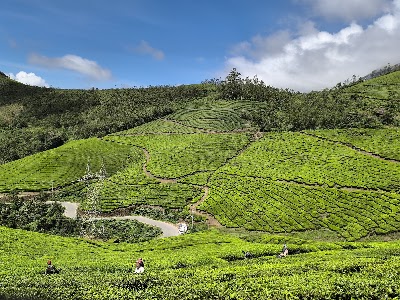
Eravikulam National Park is high grassland above Munnar, stronghold of the Nilgiri tahr: a stocky endangered mountain goat with zero interest in you. The tahr often graze beside the visitor path, unbothered and faintly smug, at a closeness most safaris never deliver, and it's a genuine conservation win.
Wind-flattened grass, cold high light, ridges rolling off like a dropped quilt; winter hands you the year's clearest views of it. Prebook timed tickets and reach the gate by eight, because daily caps sell out and some late winters it even closes for calving.
Tip: Rolling grasslands home to the endangered Nilgiri tahr; prebook timed tickets online because daily entry caps sell out, and arrive at the gate for the 8am opening to skip the shuttle queue.
Mattupatti Dam
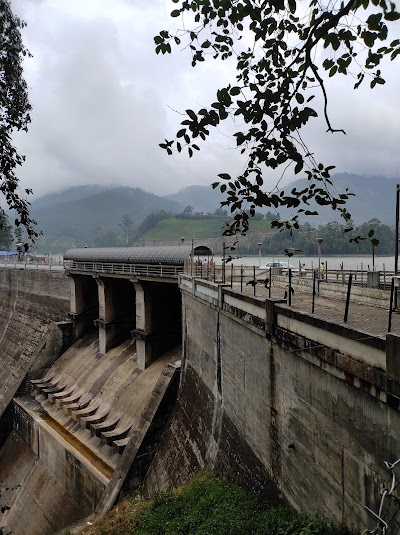
Mattupatti Dam is a calm blue reservoir near Munnar, ringed by tea-estate green and dark shola forest: the postcard, minus the effort. The geometry does the work, with tea slopes meeting still water in lines so clean they look surveyed, because, technically, they were.
There's a cool breeze off the water, a eucalyptus edge to the air, and tea-plucker chatter carrying across the flat surface on a dry afternoon. Pedal boats are first-come and weekends bring picnic crowds, so a weekday afternoon means boats without a wait; don't overdo lunch.
Tip: Serene reservoir ringed by tea estates and shola forest; pedal boats are first-come, and weekends draw big picnic crowds, so aim for a weekday afternoon.
Top Station View Point
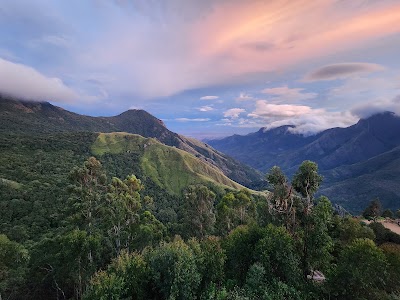
Top Station is the highest point on the Munnar to Kodaikanal road, where the Ghats drop away and the land below is another state: Tamil Nadu. The name is literal; tea once went over these cliffs by ropeway cable before roads caught up. It's engineering pride, fossilized as a viewpoint.
Afternoon often catches clearing light, morning mist can erase the whole view, and the railing is colder than the parking lot, so bring a layer. Ridge after ridge folds into haze from up here, and winter's dry air is honestly the only reason this panorama performs.
Tip: Highest point on the Munnar-Kodaikanal road with views into Tamil Nadu; the walk from the parking gate to the viewpoint takes about ten minutes, so keep a warm layer handy for the wind.
Day 4
Day four drops you from the hills to sea level: a night drifting the backwaters on a rice barge, then a lighthouse beach to close.
Boats N Beds - Alleppey Houseboats
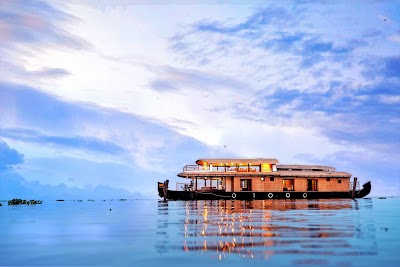
The kettuvallam is the experience Kerala is most famous for: a traditional rice-barge hull rebuilt into a floating hotel, boarded at Alleppey around noon. These hulls hauled rice for generations until roads retired them into hospitality; your hotel is a working piece of economic history.
You drift Vembanad Lake's canals past villages reached by boat; the boat moors before sunset, becalmed, while kingfishers take the evening shift. Prebook the houseboat well ahead because winter dates sell out first, and get meals, the sunset stretch, and A/C terms confirmed in writing.
Tip: Overnight kettuvallam through Vembanad Lake canals; prebook the boat well in advance for winter dates and confirm whether meals and the sunset canal cruise are included.
Alappuzha Light House
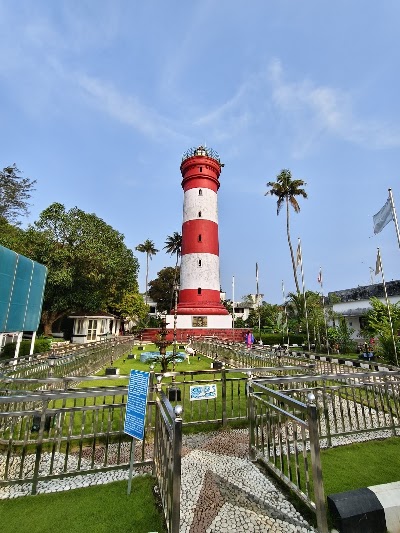
Back on land, the Alappuzha lighthouse and its long timber pier are the coast stating its case: salt wind, open horizon, sea level. Alappuzha was a serious port moving coir and spice long before tourists arrived, and the old creaking pier is the evidence.
Frying onion and chili from the beach stalls, surf keeping steady time; dry winter evenings here are made for standing still. Climb the tower first because it stops admitting by early evening, then descend into the food stalls and order whatever the locals are queuing for.
Tip: Historic pier and lighthouse beach for the closing sea breeze; the tower's opening hours end by early evening, so time your visit before settling into beachside street food.
What to book ahead
- Reserve the Alleppey houseboat (2-3 weeks ahead) - Winter dates sell out; confirm boarding time, meal plan, and route.
- Prebook Eravikulam National Park tickets (3-5 days ahead) - Daily visitor caps apply; timed entry sells out in peak season.
- Book Kathakali centre seats (1-2 days ahead) - The small hall fills quickly on weekends.
- Book Mattancherry Palace timed tickets (2-3 days ahead) - Advance online tickets skip the gate queue; closed on Fridays.
- Hire a private car for intercity transfers (1 week ahead) - Kochi-Munnar and Munnar-Alappuzha legs are ~4-4.5 hours each; confirm AC and driver stays.
- Check palace and synagogue hours (Day before) - Mattancherry Palace and Paradesi Synagogue close on Fridays.
What to pack
Essentials
- Light warm layer - Munnar winter mornings drop near 10°C, especially at Top Station and Eravikulam.
- Sunscreen - Winter sun is strong on houseboat decks and open tea-estate walks.
- Motion-sickness tablets - Winding ghat roads to Munnar and drifting houseboats can trigger nausea.
- Cash in small bills - Waterfall entry fees, fishing-net demos, and small spice shops prefer cash.
- Comfortable walking shoes - Cobblestone heritage lanes and grassland trails at Eravikulam.
Nice to have
- Binoculars - Spot Nilgiri tahr on distant slopes and birds along Vembanad's canals.
- Compact rain shell - Occasional brief winter showers in the hills.
- Wide-angle camera - Top Station panoramas and narrow palm-lined canals reward wide frames.
Final take
Four days takes you from colonial lanes to tea ridges to a rice barge drifting nowhere in particular, and Kerala makes it feel like one story.
Plan this trip
Turn this guide into an editable trip plan
Open the route in Instaboard, adjust the stops, and share the itinerary with your travel group.