Travel Guide
Kinosaki Onsen 3-Day Itinerary: Japan's Most Charming Hot Spring Town
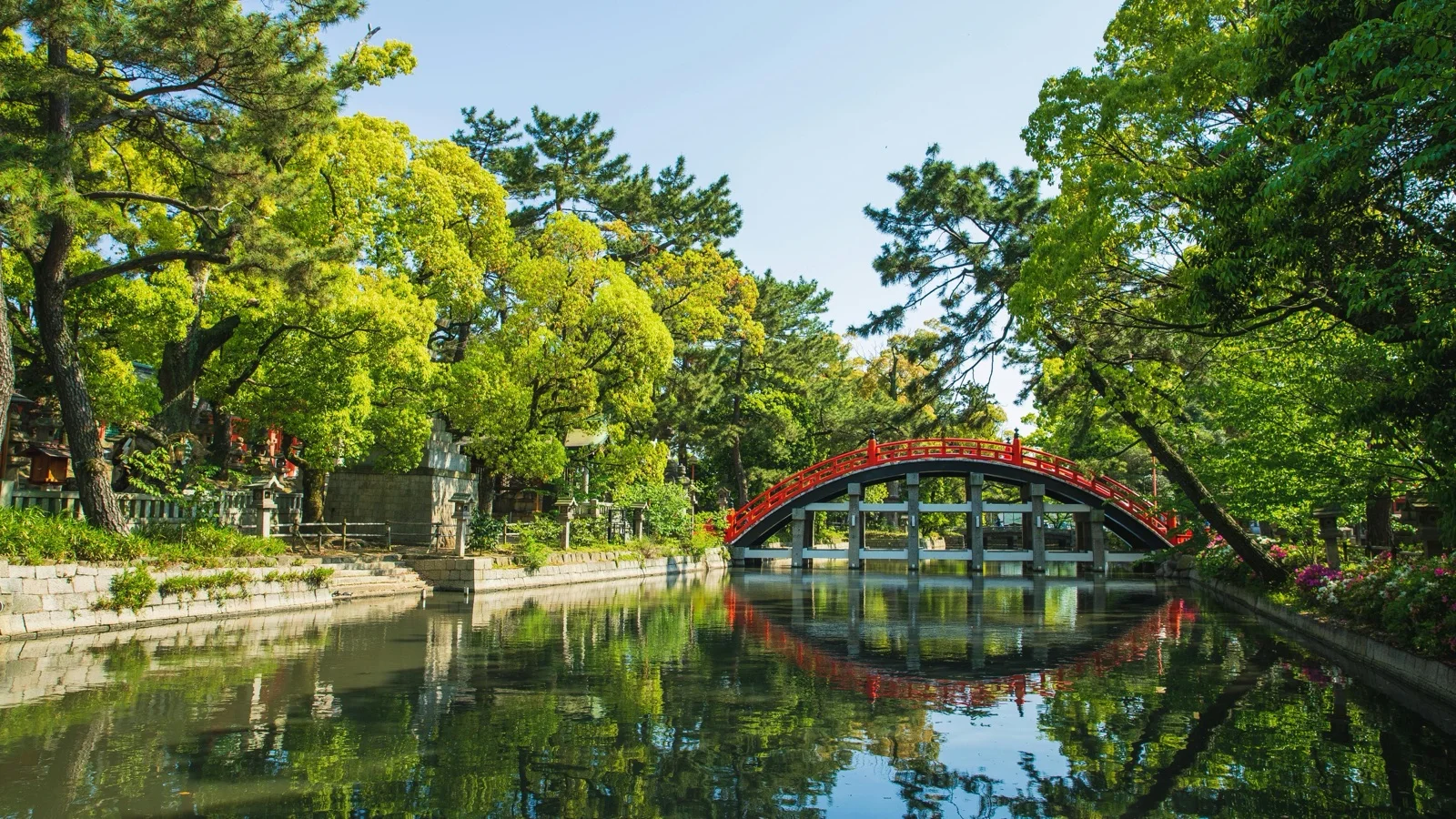
Want the editable version of this route?
Open the Instaboard template and adapt stops, timing, and notes to fit your trip.
Kinosaki Onsen is a 1,300-year-old hot-spring town on Japan's Sea of Japan coast, and the entire place got two Michelin Green Guide stars just for existing. Three days here is enough to soak in cave baths, walk a lantern-lit canal, and ride a ropeway up to the temple that used to decide who was allowed in the water, if you show up with the right pacing.
Kinosaki works in every season: cherry blossoms along the canal in spring, foliage on the mountainside temples in autumn, snow on the willow bridges in winter. The structure holds regardless of when you go.
Day 1
Day one is your arrival. You land at the station, walk the canal that makes this town famous, and end the night soaking inside a cave.
Kinosakionsen Station
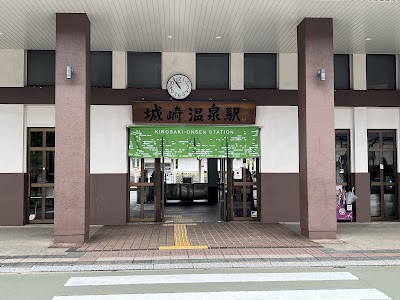
Kinosakionsen Station is where it starts: you step off a 2.5-hour train from Kyoto and there's a free foot bath right at the entrance. This town has been welcoming travelers with hot water for roughly 1,300 years, and the station foot bath is just the modern version of that instinct.
Steam hits cold air, geta sandals clatter on the platform, and you'll see suited business travelers soaking their feet next to tourists in rented yukata, all pretending this is perfectly normal. Grab the English town map at the tourist counter: it marks all seven bathhouses and has the bus timetables you'll need later.
Tip: Soak your feet in the free foot bath at the station entrance while you wait for check-in. Grab a town map at the tourist counter.
Nishimuraya Honkan
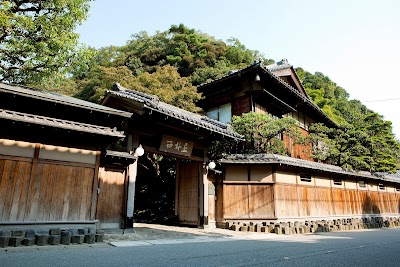
The canal is Kinosaki's spine: willow trees trailing in moving water, stone bridges, and wooden shopfronts lining both sides. Michelin gave this town two Green Guide stars not for food but for being a place, and this street is why. It's the main drag and it earns every photo.
The whole town was nearly leveled by a 6.8-magnitude earthquake in 1925; what you see now was rebuilt faithfully enough that Michelin apparently didn't mind. Come back after five when the day-trippers clear out, the lanterns come on, and the canal goes from crowded to meditative.
Tip: Walk the willow-lined canal and pause at the stone bridges for photos. Dress in layers during cooler months for the evening stroll.
Ichinoyu Onsen
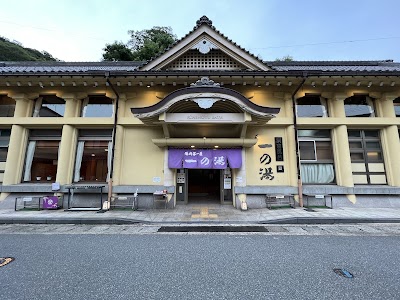
Ichinoyu is the bathhouse on every Kinosaki brochure: kabuki-theater facade, painted red and white, right on the canal. The draw is the outdoor cave bath carved into natural rock, where hot mineral water echoes off stone walls and dim light filters through a gap in the ceiling.
The Japanese word for basalt is literally named after the caves in this area, which means you're soaking in rocks important enough to get their own mineral vocabulary. Go after seven, when crowds thin out, lantern light reflects off the canal outside, and the cave feels atmospheric instead of like a public pool.
Tip: Visit after sunset when crowds thin and lantern light reflects on the canal. Bring a towel from your ryokan.
Day 2
Day two goes uphill: a mountain temple that used to control access to every bath in town, then a cable car to the summit, and a slow afternoon soak in a bathhouse modeled on Kyoto's Imperial Palace.
Onsenji
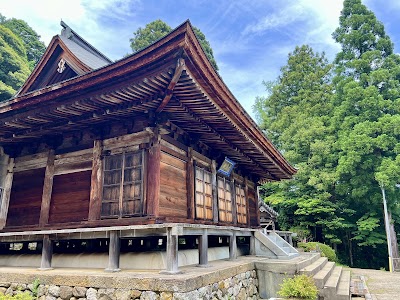
Onsenji is a Buddhist temple sitting on the mountainside above town, and historically nobody was allowed into Kinosaki's hot springs until they hiked up here and prayed first. The temple issued you a ladle as your entry pass to the baths below, which is essentially a toll booth for spiritual clearance.
Founded in 738 AD and dedicated to the monk who supposedly discovered these hot springs, the grounds smell of incense and look out over the tiled roofs of the entire town. The ropeway stops here at the middle station so you can visit the temple and then continue up; do it in the morning because the light and the quiet are both better before the cable car crowds arrive.
Tip: Take the ropeway up to this 1,300-year-old mountainside temple in the morning before the crowds arrive. Wear comfortable shoes for the stone paths.
Kinosaki Onsen Ropeway
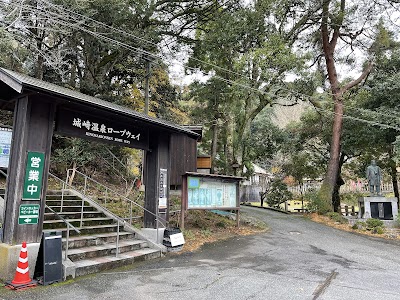
The Kinosaki Onsen Ropeway is a seven-minute cable car ride from the temple's middle station up to Mount Daishi's summit. On a clear morning you get panoramic views across the Maruyama River valley and out toward the Sea of Japan; on a cloudy one you get fog rolling through pine trees, which has its own appeal.
Because the ropeway connects directly to Onsenji at the halfway point, the temple and the summit ride pair naturally without any backtracking. Pick a clear morning and buy your ticket at the base station: the light is best early and the carriages fill up as the day goes on.
Tip: Buy your ticket at the base station and go on a clear morning for the best views. The ride is seven minutes each way.
Goshonoyu Onsen
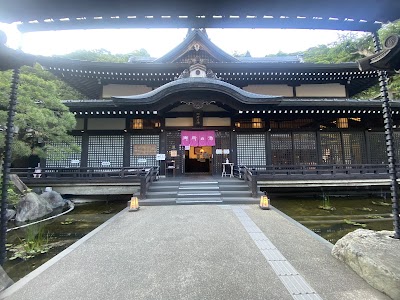
Goshonoyu is where visiting royalty soaked: an empress reportedly bathed here in 1267, and the building was later renovated to echo Kyoto Imperial Palace architecture. Locals call it Bijin-no-Yu, the Beauty Bath, and while that's mostly marketing, the outdoor pool with steam curling through palace-style eaves is genuinely lovely.
An empress bathed here 750 years ago and today you're in the same water with a plastic wristband and a towel from a ryokan called Yamamotoya; democracy is wonderful. This is the right afternoon soak because it's centrally located and slow, and after a morning of temple stairs and cable cars, a long bath here is how locals do it: as routine rather than event.
Tip: Bring 700 yen cash for entry and a towel from your ryokan. This is the best afternoon soak after a morning of uphill sightseeing.
Day 3
Day three steps outside the onsen circuit: volcanic basalt caves where a scientist first proved Earth's magnetic poles flip, then one last bath next to the station before you leave.
Genbudo Park
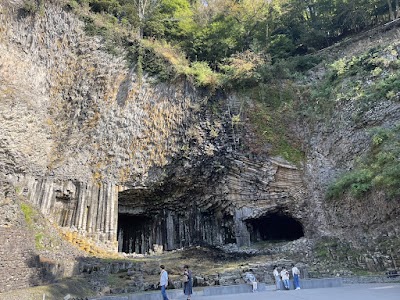
Genbudo Park is a cluster of five basalt caves with honeycombed hexagonal columns formed by volcanic eruption 1.6 million years ago, part of a UNESCO Global Geopark. In 1926 a geophysicist named Motonori Matuyama stood here and found the first evidence that Earth's magnetic poles reverse; the Japanese word for basalt is literally named after these caves.
Getting here is half the story: you take a train to Genbudo Station, then call ahead for a small boat to cross the river to the caves, because Japan's transit is incredible until it decides you need a boat. Go in the morning when the light inside the caves is best and you'll likely have the place almost to yourself; most visitors skip it because it's a detour.
Tip: Take the local train to Genbudo Station and call ahead for the river-crossing boat. Check timetables in advance because service is limited.
Satono Yu Onsen
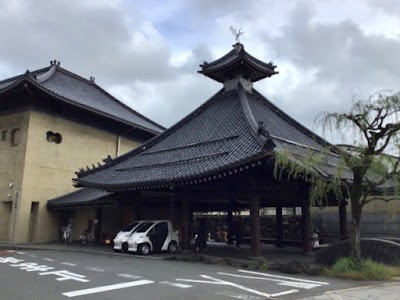
Satono Yu is the largest of Kinosaki's seven bathhouses and it sits right next to the train station; you can see your platform from the outdoor pool. Hot water, open sky, the Maruyama River flowing past, and the distant sound of a train pulling in make it the newest of the seven baths and the most deliberate send-off.
You started this trip soaking your feet at the station and now you're ending it in a full bath next to the same station; Kinosaki is a loop, not a line. The outdoor pool overlooking the river is the one you want, but set an alarm because it's relaxing enough to make you miss your train.
Tip: Walk over before picking up your luggage. The outdoor pool overlooking the Maruyama River is the one you want.
What to book ahead
- Book ryokan with onsen pass included (4-6 weeks ahead) - Most ryokans include a yukata, towel set, and free onsen entry coupon for all seven baths
- Reserve Kinosaki Strawcraft Museum workshop (1 week ahead) - Weekend slots fill quickly; weekdays usually have same-day availability
- Check Genbudo Park bus timetable (Day before visit) - Bus service is limited (roughly every 90 min); plan your return to avoid long waits
- Purchase JR Kansai WIDE Area Pass if coming from Osaka/Kyoto (Before travel) - Covers the Limited Express to Kinosaki Onsen; significant savings vs. individual tickets
What to pack
Essentials
- Yukata & obi sash - Most ryokans lend yukata; the town encourages yukata strolling
- Slip-on shoes or sandals - You'll remove footwear constantly at bathhouses, temples, and shops
- Small towel - Used for modesty at onsen entrances; some bathhouses sell them
- Layered clothing - Mountain air is cool year-round; evenings by the canal drop below 10°C in shoulder seasons
Nice to have
- Waterproof phone pouch - Handy for photos at foot baths and near the canal
- Tattoo concealing patches - Many public baths restrict visible tattoos; patches help avoid being turned away at entry
Final take
Three days of cave baths, mountain temples, imperial soak houses, and a canal that Michelin decided was worth two stars: Kinosaki earns every one of them without trying very hard.
Plan this trip
Turn this guide into an editable trip plan
Open the route in Instaboard, adjust the stops, and share the itinerary with your travel group.