Travel Guide
Kobe in 3 Days: Shrines, Harborfront & Arima Onsen
Want the editable version of this route?
Open the Instaboard template and adapt stops, timing, and notes to fit your trip.
Kobe is a Japanese port city that spent a century absorbing every foreign influence that docked here, and three days shows you the result. The trick is knowing which Kobe stops actually reward your time and which are filler. That distinction matters here more than most places.
Kobe sits between a mountain and a bay, so every day can shift between dense city streets and wide-open skyline views.
Day 1
Day one tracks the city from its oldest point outward: a shrine, a waterfront, and a covered street that connects them.
Ikuta Shrine
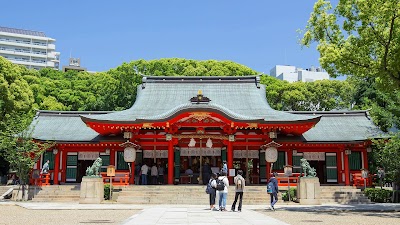
Kobe literally gets its name from this shrine. The families who served it were called 'kamube,' and that word eventually became 'Kobe.' Ikuta Shrine is over 1,800 years old, wedged into a forest grove in downtown. You step off a busy street and the noise just stops.
The camphor trees on the grounds are centuries old, and the shrine has a matchmaking reputation, so you'll see younger visitors taking it very seriously. Walk past the main hall into the forest park behind it. Most visitors skip that part, and it's where the shrine actually breathes.
Tip: Arrive early to enjoy the quiet atmosphere before midday crowds gather around the sacred camphor trees.
Meriken Park
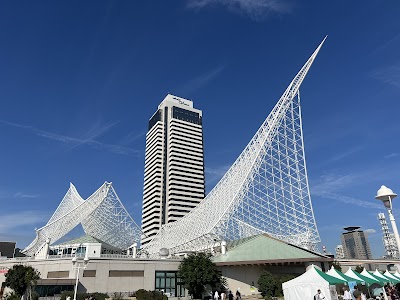
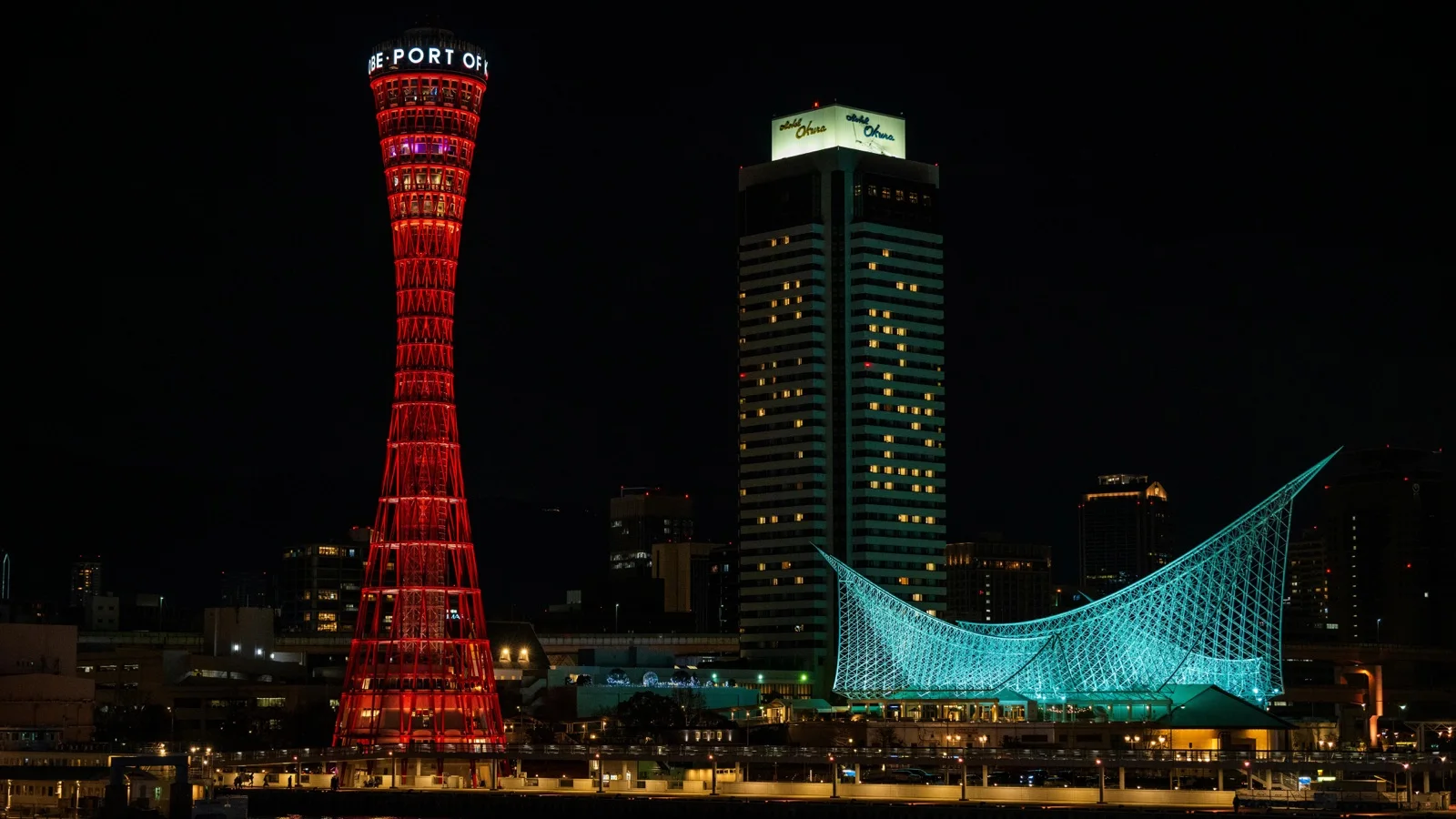
From the shrine you walk through downtown to the harbor. Meriken Park is where Kobe shows you what it is: a port city that rebuilt itself. There's a preserved section of cracked waterfront showing real damage from the 1995 earthquake. It's free, sobering, and sitting right next to a popular selfie spot.
The Maritime Museum's roof looks like it's trying to dissolve into Osaka Bay, and the 'BE KOBE' sign by the water is the photo everyone takes home. Afternoon works best because the light's behind you for harbor shots, and overcast days are fine here since the industrial mood suits this part of the city.
Tip: Walk the full promenade loop in the afternoon for the best photo angles of the bay and city skyline.
Kobe Motomachi Shopping Street
You'd walk through this covered arcade anyway coming back from the waterfront, but slow down. This is where Kobe residents actually shop. Kobe's bakery culture is real, born from a century of foreign residents, and the European-style bakeries on this street are not tourist bait.
Fresh bread mixing with roast coffee, carts rumbling on tile. The street feels indoor and outdoor at once, which is disorienting in a good way. Evening is when the arcade comes alive after work, and if weather turns you're covered. Just don't arrive too late, since some shops close by eight.
Tip: Carry cash for smaller stalls, though most larger stores accept card payments.
Day 2
Day two goes uphill: a waterfall behind a bullet train station, a garden above the city, and a hillside neighborhood that doesn't look Japanese at all.
Nunobiki Falls - Ontaki
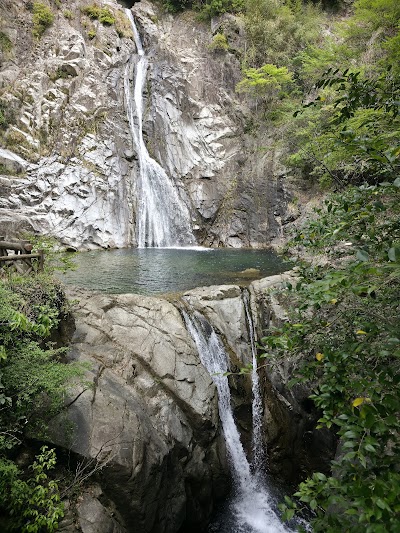
You can walk from Shin-Kobe Station and reach one of Japan's three most celebrated waterfalls in about twenty minutes, which is absurdly convenient. The name means 'cloth stretched out' because the water looks like fabric draped over rock. Japan ranks waterfalls the way other countries rank universities.
The gorge narrows as you climb and the water gets louder, and you're suddenly in a forest that feels nowhere near a city. Wear real shoes because the trail is rocky, and aim to arrive before ten. The narrow gorge sections bottleneck hard on weekends.
Tip: Wear sturdy shoes for the rocky path and arrive before 10 AM to avoid weekend crowds on the narrow gorge trail.
Kobe Nunobiki Herb Gardens & Ropeway
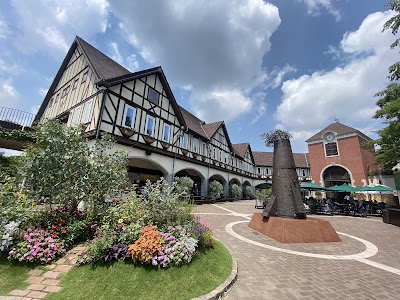
Take the ropeway from the falls. It glides over the waterfall you just visited, then drops you at one of Japan's largest herb gardens. Over two hundred herb species, seasonal flowers, greenhouses. You can smell the place before the gondola even touches down.
There's a cafe at the top with terrace seating and a view stretching from Kobe Port to Osaka. Budget time for that, not just the gardens. Late afternoon light softens over the panorama, and sunset from the observation deck is worth waiting for if the ropeway hours allow it.
Tip: Book the ropeway round-trip ticket for the best value and skip the steep downhill hike.
Kobe Kitano Ijinkan-Gai
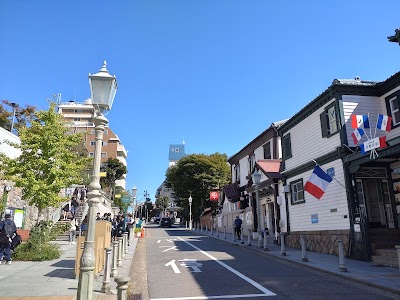
In 1868, Kobe opened to foreign settlers, and this hillside neighborhood is where they built homes that looked like a European village dropped onto a Japanese mountainside. The weathercock house, a former German trader's home with a rooster weather vane on top, is the most photographed building here, and it earns it.
Cobblestone streets, Victorian interiors, and the uncanny feeling of standing inside something genuinely preserved. These are real merchant residences, not reproductions. The neighborhood is free to walk, and dusk is when it works. The houses close by five, but the streetlights come on and the crowds thin.
Tip: Check opening hours before visiting, as many heritage houses close by 5 PM sharp.
Day 3
Day three goes big: up the mountain that shapes Kobe's skyline, then down the far side into a hot spring town older than most Japanese cities.
Mount Rokkō
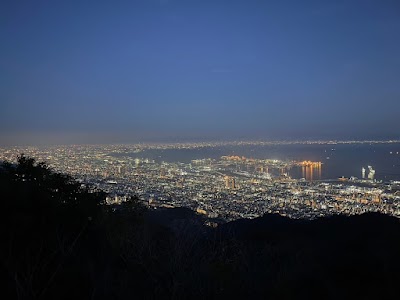
Start day three on Mt. Rokko because seeing the whole city from above reframes every street you've already walked. The cable car has been hauling residents up here since the early 1900s. The temperature drops noticeably as you climb.
Rokko Garden Terrace at the summit has restaurants and observation decks with a view from Kobe Port to Osaka on clear days. Layer up because the summit can be ten degrees colder than the city, and the ropeway to Arima Onsen connects directly from here.
Tip: Layer up as summit temperatures drop significantly even in warmer months, especially near sunset.
Arima Onsen
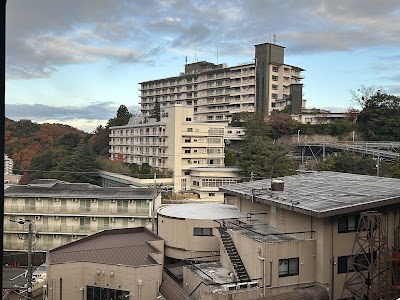
Arima Onsen is tucked behind Mt. Rokko, and it's one of Japan's oldest hot spring towns. An ancient chronicle mentions it by name. The town has two different spring types: a gold spring, rust-colored from dissolved iron, and a silver spring, clear and carbonated, sitting a few blocks apart.
Steam rises from narrow streets, sulfur mixes with street-food vendors, and stepping into water hotter than you expected is genuinely part of the experience. There's a free foot bath next to Kin no Yu for a low-commitment try. Carry a small towel because some bathhouses don't provide them.
Tip: Reserve a day-pass at a ryokan bathhouse in advance to guarantee entry during busy weekend periods.
What to book ahead
- Reserve Arima Onsen day-pass (1–2 weeks before) - Popular ryokan bathhouses book out on weekends; secure your spot early.
- Check Rokko Cable Car schedule (Day before) - Cable car runs on a fixed timetable; plan your descent to avoid waiting.
- Verify Kitano Ijinkan opening times (Morning of visit) - Some heritage houses have seasonal hour changes or random closure days.
What to pack
Essentials
- Comfortable walking shoes - Steep hikes to Nunobiki Falls and Mt. Rokko trails require sturdy footwear.
- Light layers or jacket - Mountain summits and evening harbor breezes can be surprisingly cool.
- Portable charger - Full days of navigation, photos, and ropeway ticket QR codes drain batteries fast.
Nice to have
- Swimsuit - Needed for onsen bathing at Arima if your ryokan has mixed-gender or private baths.
- Yen cash - Shrine offerings, small street-food stalls, and some garden entries prefer cash.
- Travel towel - Useful after waterfall hikes or onsen visits.
Final take
Kobe borrowed from everywhere and made something its own. Three days is enough to feel that, from the shrine floor to the hot spring water.
Plan this trip
Turn this guide into an editable trip plan
Open the route in Instaboard, adjust the stops, and share the itinerary with your travel group.