Travel Guide
Koh Samui in 4 Days: Beaches, Waterfalls & Ang Thong
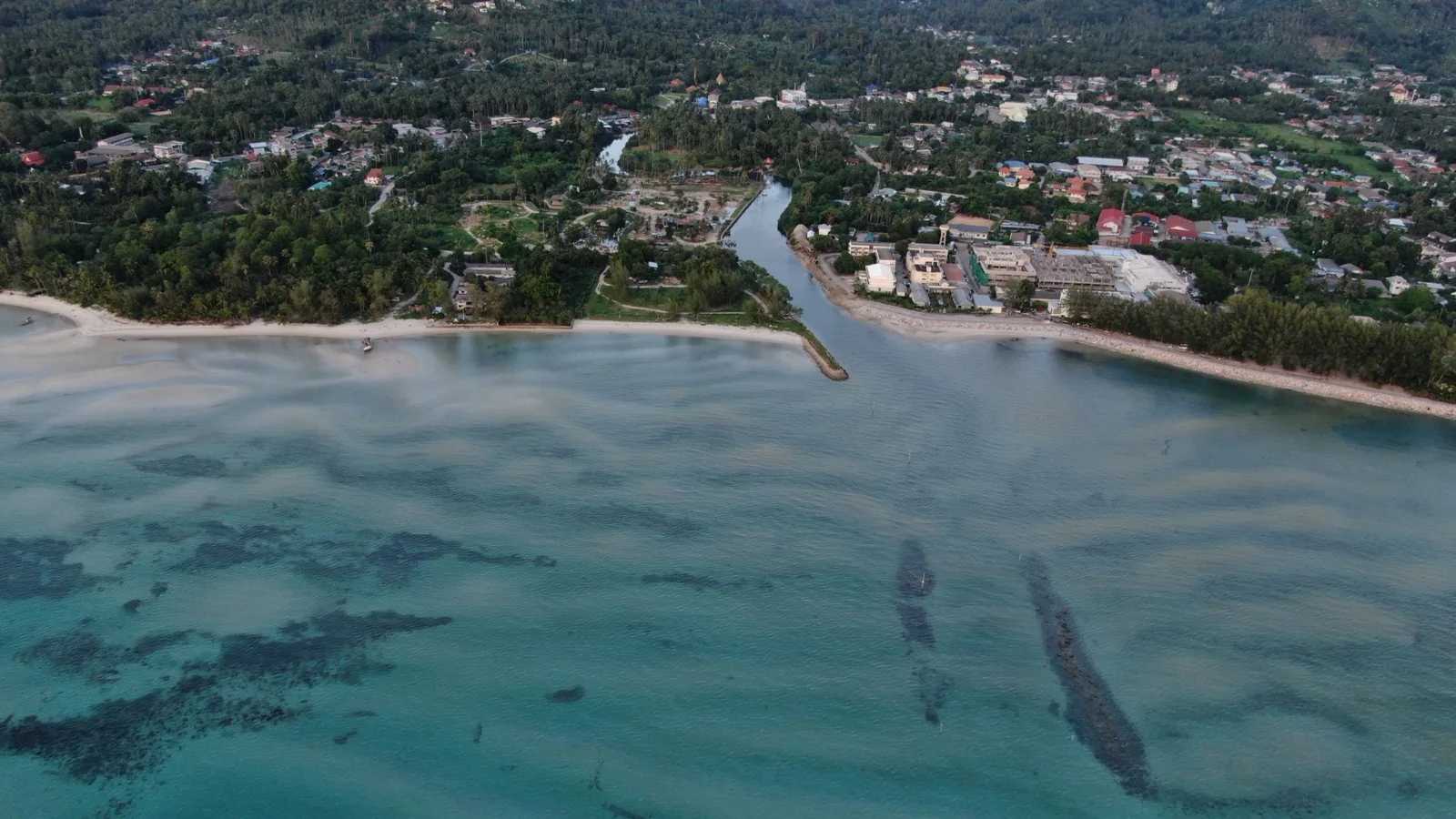
Want the editable version of this route?
Open the Instaboard template and adapt stops, timing, and notes to fit your trip.
Koh Samui is a Thai island with a golden Buddha on its own islet and a jungle interior most postcards skip. Four days here can genuinely cover temples, a marine park, waterfalls, and still end with your feet in the sand, if your timing isn't guesswork.
Winter is the sweet spot. December to February brings dry days and calm seas, which is exactly why the island day trips shine.
Day 1
Day one stays in the island's quiet northeast corner. Two temples before the heat, then an old fishing village after dark.
Wat Phra Yai
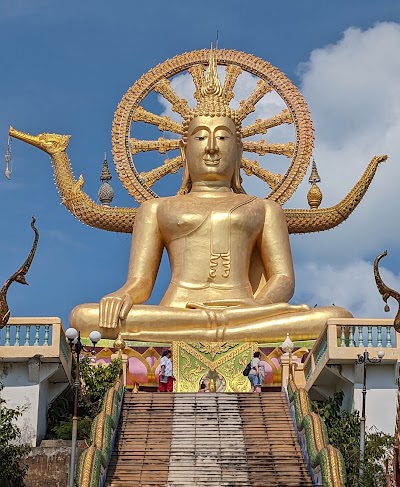
Wat Phra Yai is the Koh Samui from every brochure, a twelve-meter golden Buddha sitting on its own tiny island off the northeast coast. The statue came first, the temple grew around it, and a causeway now connects the islet, so the sea ends up in every photo you take.
It's a working temple, monks live here, and the morning chanting catches you off guard in the best way. Come before nine, because the light is softer and the steps aren't a griddle yet, and grab a sarong for covered shoulders at the gate.
Tip: Koh Samui's iconic 12-meter golden Buddha on a causeway island. Arrive before 9am to beat crowds; entry is free, but bring a sarong for the dress code at the gate.
Wat Plai Laem
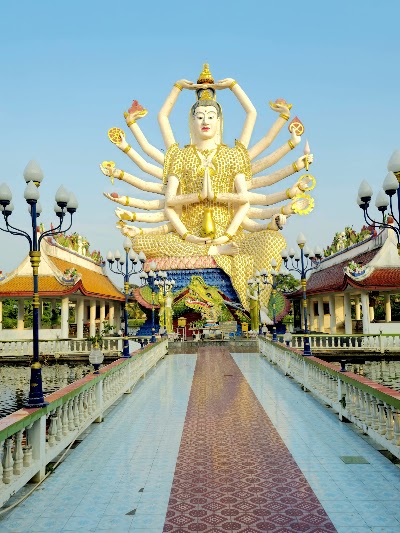
Ten minutes up the road, Wat Plai Laem is the technicolor version, an eighteen-armed Guanyin rising out of a lake, minutes from the airport. Buy fish food at the gate and the lake boils instantly, a hundred fish colliding over one pellet, which sounds exactly like wet popcorn.
It's a living monastery, and the feeding is technically merit-making, not a petting zoo; the complex was built modern and decorative, more theme park than museum. Morning works best, because the lakeside terraces, the best part, are actually walkable before the day turns into a sauna.
Tip: Vivid temple complex with an 18-armed Guanyin statue and a fish-filled lake. Buy fish food at the gate, walk the lakeside terraces, and keep a light layer for covered shoulders.
The Villager Fisherman's Village
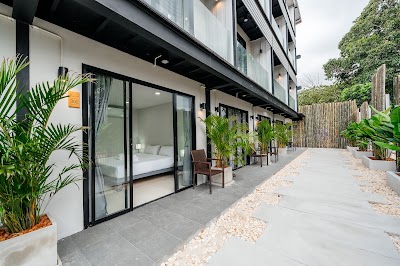
Fisherman's Village in Bophut is the island's old quarter, wooden teak shophouses from its Chinese-merchant fishing days, now cafés and bars on a beachfront strip. It survived the resort boom because residents fought to keep it, which is why it feels nothing like Chaweng's concrete.
Evenings are the whole point: grilled seafood smoke, sand underfoot on the promenade, fairy lights doing most of the interior decorating. If your first evening lands on a Friday, the whole street becomes a walking market by seven, so bring cash because stalls don't do cards.
Tip: Historic wooden shophouses and cafés along a walkable beachfront promenade. Time your walk for the Friday walking street market, and bring cash since most stalls don't take card.
Day 2
Day two is the big one: a speedboat out to forty-two protected limestone islands, then the west coast for sunset.
Mu Ko Ang Thong National Marine Park
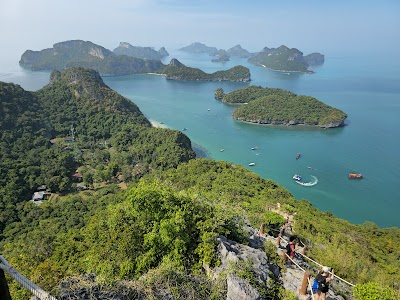
Mu Ko Ang Thong is a national marine park, forty-two limestone islands rising straight out of the Gulf, with no resorts and no roads. The headline is the Emerald Lake, sealed inside an island by cliff walls, so you look down at it and don't swim in it.
The viewpoint climb is a staircase of roughly a million wooden steps, which conveniently thins the crowd; most of the boat passes, some don't. Winter is the window for this one, so book the speedboat ahead and take the earliest departure, because morning seas run calmer and rough months cancel trips.
Tip: A pristine 42-island archipelago of limestone karsts and the Emerald Lake viewpoint. Prebook a speedboat tour in advance; the park entry ticket is collected on board, and trips pause when seas are rough.
Lipa Noi Beach
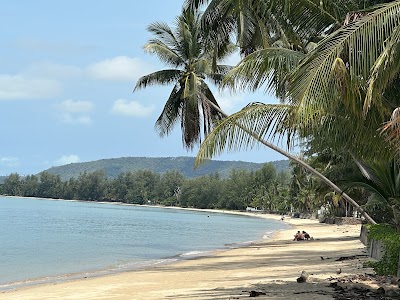
Back on Samui, Lipa Noi is the quiet west coast's sunset beach, shallow, calm water looking straight out at the islands you just sailed through. You can walk out so far that people on shore seem to debate whether you're confident or lost; both readings are defensible.
The west stayed mellow by geography, it faces away from the airport side, so you get sunsets and fishermen while Chaweng gets the parties. Check sunset time and arrive about an hour early, because boats return late afternoon and that's when the light hits the archipelago silhouette best.
Tip: The west coast's best sunset beach with shallow, calm water. Boats return by late afternoon, so arrive an hour before golden hour for photos of the Angthong silhouette.
Day 3
Day three flips to the interior and the south: jungle waterfalls, geology with a legend attached, and a Sunday market worth structuring around.
Na Muang Waterfall
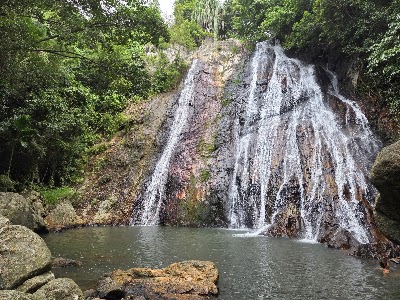
Na Muang is the island's best-known waterfall, a short jungle walk to a natural pool you can actually swim in, over purple-hued rock. The name means purple, for the rock, and there are two falls, though most visitors only ever see the easier one.
Winter trims the flow to swimmable rather than thunderous: cool freshwater, cicadas at full volume, and the first person in always underestimates the chill. Go morning, because the canopy light is better and the trail doubles as an oven by afternoon; wear swimwear underneath and water shoes, the rocks are undefeated.
Tip: The island's best-known waterfall pair with a natural pool beneath the falls. Wear swimwear underneath and water shoes; taxi drivers at the gate quote fixed fares, so agree before riding.
Hin Ta Hin Yai
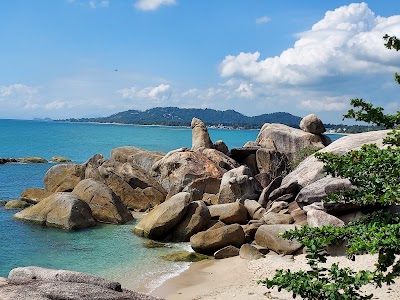
Down on the south coast, Hin Ta and Hin Yai are two seaside rocks that look, depending on your maturity, exactly like a grandfather and grandmother. Local legend says an elderly couple's journey ended badly here, and the rocks are the memorial; every guide tells it straight-faced, and every group laughs anyway.
It's black rock against blue sea, waves slapping the shelves, and coconut stalls in sight of the platform, where a coconut costs less than your hotel water. Chase low tide, because that's when more of the rock shelves show and the boardwalk angles work harder for you.
Tip: Legendary grandfather and grandmother coastal rock formations with sweeping shoreline views. Walk the viewpoint boardwalk at low tide for the best angles, and bring small cash notes for coconut stalls.
Lamai Night Market
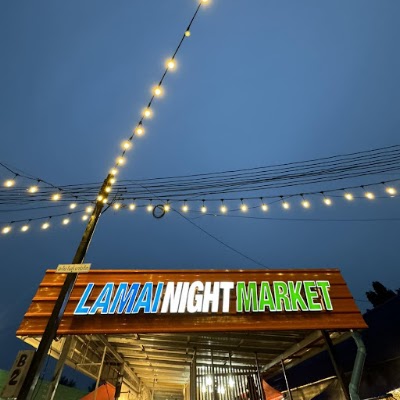
Evening lands in Lamai, whose Sunday market is grilled seafood and pad thai from woks bigger than your carry-on, the cheapest good meal on the island. Locals and tourists stand in the same queues, which is the only market endorsement that means anything; this one exists partly because residents shop here.
Dinner becomes spectator sport, your squid gets flame-grilled by someone who's done it ten thousand times and makes it look like a magic trick. It only runs Sunday evenings, so build the day around it: go hungry, bring cash, and share small plates across stalls instead of one heroic line.
Tip: A lively Sunday-evening street market of Thai street food and grilled seafood. Go hungry on a Sunday, bring cash, and share small plates so you can queue at more stalls.
Day 4
The last morning is simple: one final swim on the quiet north shore, then west to the ferry town for noodles and departure.
Maenam Beach
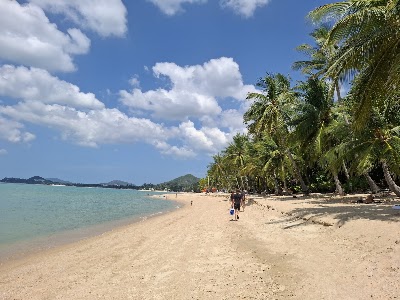
Maenam is the north shore at its calmest, a palm-lined beach with flat morning water and a view across the strait to Koh Phangan. You can see the island famous for full moon parties while standing on a beach famous for absolutely nothing, which is Maenam's whole appeal.
It stayed low-rise by island standards, a rarity worth noticing; same island as Chaweng, opposite energy entirely. Morning is the whole play: beach café breakfast, a walk along the waterline, one eye on checkout before the last drive west.
Tip: Quiet north-shore beach with palm-fringed sand and views across to Koh Phangan. Perfect for a relaxed final swim, so grab a beach café breakfast and walk the sand before checkout.
Nathon Pier
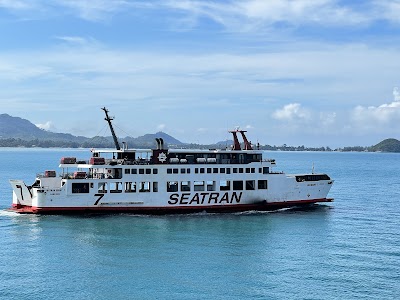
Nathon is where the island drops its tourist voice: the administrative capital, a waterfront of shophouse eateries and government offices, and your ferry out. This was the original port town, the shophouses date from when the pier was the economy, and the ferry still moves the freight behind every resort.
Every other town here performs for visitors; Nathon performs for itself, with ceiling fans, old cafés, salt air with a diesel footnote, and excellent noodles. Check ferry times ahead and treat them as fixed, because the winding road west eats buffer; eat early in the shophouses and end the trip unhurried.
Tip: The island's mellow waterfront capital with shophouse eateries and ferry logistics. Check ferry opening hours in advance and leave buffer for the winding road west before departure.
What to book ahead
- Book Ang Thong speedboat tour (2-3 weeks ahead) - Seats fill daily in peak winter; confirm pickup time and park entry fee the night before.
- Reserve Samui Elephant Sanctuary session (1-2 weeks ahead) - Half-day visits are capped and frequently sell out; morning slots are cooler.
- Arrange airport transfer and car or scooter (1 week ahead) - A scooter suits short hops; a car is safer for waterfall and interior roads.
- Check ferry schedule from Nathon Pier (3-5 days ahead) - Verify sailing times and book tickets in advance if heading to the mainland.
- Reserve one nice beachfront dinner (1 week ahead) - Fisherman's Village and Chaweng sunset tables go fast on weekends.
What to pack
Essentials
- Reef-safe sunscreen - Strong tropical UV even in winter; required for marine park snorkeling to protect coral.
- Sarong or modest cover-up - Temple dress codes require covered shoulders and knees at Wat Phra Yai and Wat Plai Laem.
- Water shoes - Rocky waterfall pools at Na Muang and shoreline walks at Hin Ta Hin Yai.
- Dry bag - Keeps phones and towels dry on speedboat day trips and beach hops.
- Cash in THB (small notes) - Night markets, street stalls, and taxi fares are largely cash-only.
Nice to have
- Snorkel mask - Handy for Ang Thong lagoons and Koh Tan; tours provide basic sets.
- Motion sickness tablets - Speedboat crossings to Ang Thong can be choppy even in winter.
- Waterproof phone case - For beach and boat photos without risking water damage.
- Light rain shell - Brief jungle showers possible on waterfall hikes.
Final take
Koh Samui lingers as gold paint, boat spray, jungle water and charcoal smoke, an island that turned out to be more than its beaches.
Plan this trip
Turn this guide into an editable trip plan
Open the route in Instaboard, adjust the stops, and share the itinerary with your travel group.