Travel Guide
Kuala Lumpur in 3 Days: Skyline, Batu Caves & Street Food Itinerary
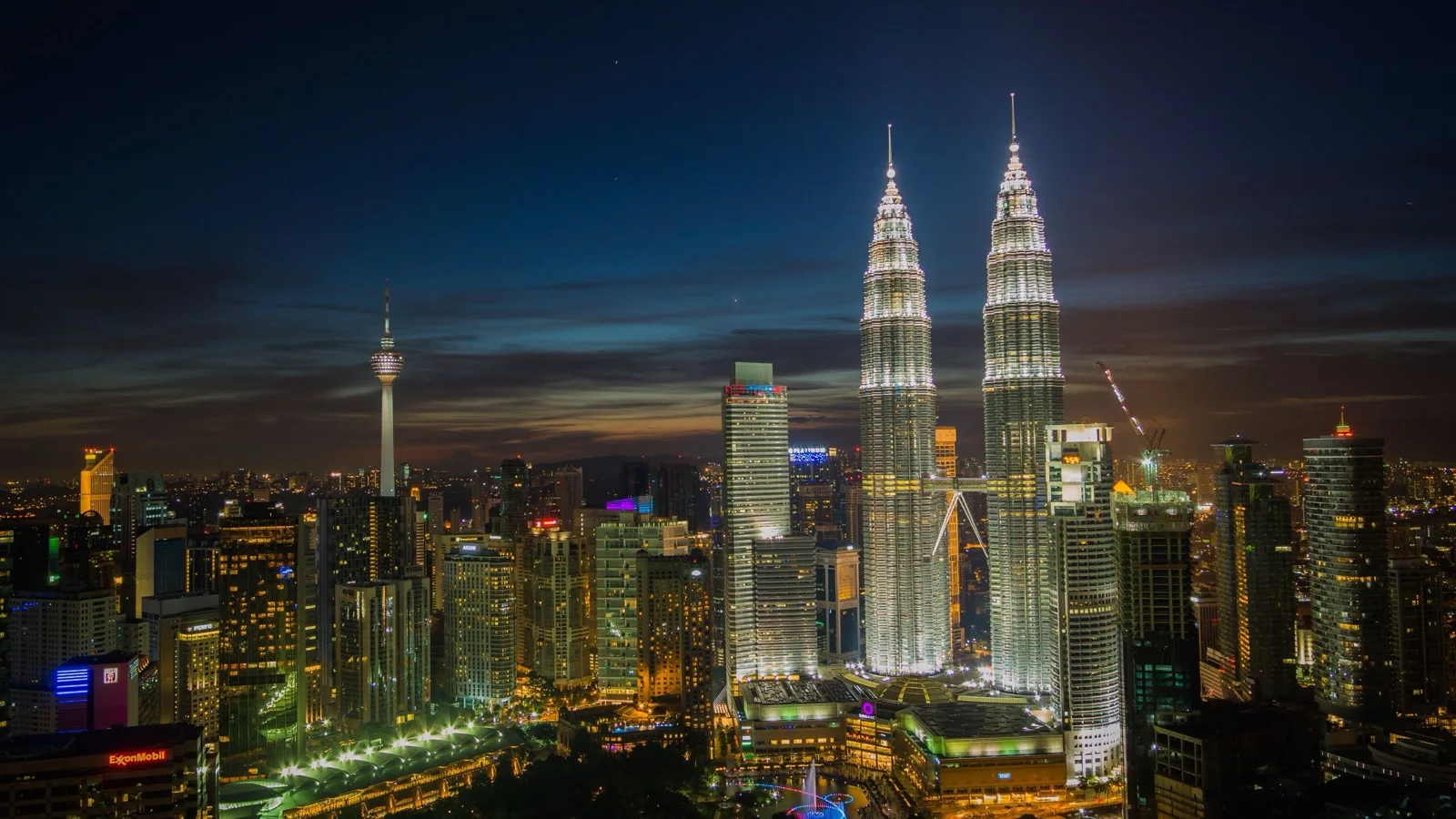
Want the editable version of this route?
Open the Instaboard template and adapt stops, timing, and notes to fit your trip.
Kuala Lumpur is one of those rare cities where the skyline was built by a national oil company, and the best dinner in town costs about ten ringgit in its shadow. Three days here covers the towers, the limestone cave temple, and the old colonial core, but the timed-entry slots and the afternoon thunderstorms really don't forgive a bad plan.
KL is hot and humid year-round, with afternoon thunderstorms that hit like clockwork. Mornings and sunsets are for the skyline, and the early afternoon is for anything with a roof.
Day 1
Day one is the day you meet the towers, up them, under them, and then standing in a free lakeside park watching them light up after dark.
Petronas Twin Towers
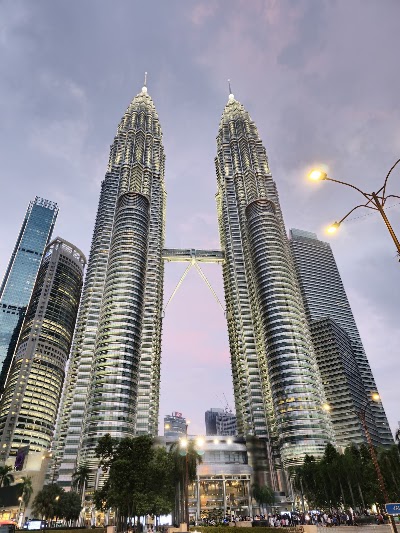
First stop, the Petronas Twin Towers, once the tallest buildings on earth, still the tallest twin pair, and literally the headquarters of Malaysia's national oil company. The eight-pointed Islamic-influenced floor plan is the detail most people miss, and the stainless-steel cladding flickers between grey, silver, and gold depending on the clouds overhead.
Book the Skybridge and Observation Deck online, days ahead. Slots sell out, entry is timed, and the deck sits below the spires, not at the very top. Go for a morning slot because you beat the haze and the afternoon storms, and the refrigerated lobby is genuinely welcome when it's thirty-three degrees outside.
Tip: Prebook Skybridge and Observation Deck tickets online days ahead as timed entry sells out by morning, then arrive 30 minutes early to clear the queue and bring a light layer for the cold air-conditioned lobbies.
Suria KLCC
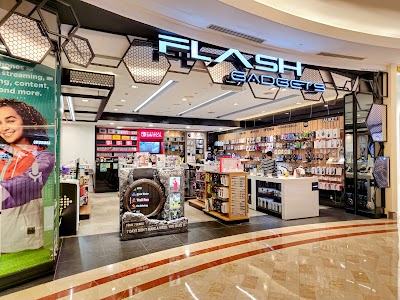
Suria KLCC is the six-floor mall bolted to the base of the towers, not really a destination, more the loading dock of a national prestige project that also sells watches. It opened with the towers in the late-nineties KLCC development, and it's where your lunch, your bathroom break, and your rain shelter all live under one cold, polished roof.
Skip the sit-down restaurants and head to the food court, it's faster, cheaper, and it's what locals actually line up to eat. The real joke of this place is that you flew across the world to stand in the same Zara you have at home, only fifteen degrees colder.
Tip: Use Suria KLCC mall at the tower base as your lunch and rain-proof rest stop between the towers and park; most food-court stalls take card but small snack kiosks prefer cash.
KLCC Park
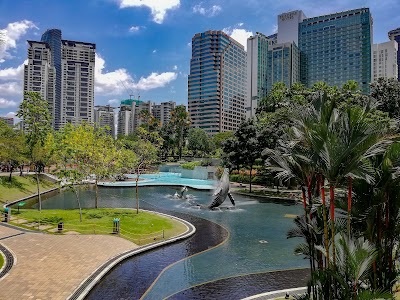
KLCC Park is the free lakeside green at the foot of the towers, designed as the public counterweight to all that glass and steel. There's a man-made lake at the center with two musical fountains called Lake Symphony, choreographed to lights and music after sundown.
Come before sunset for the reflection shot, because you get golden light, then the lit towers, then the fountain show, three completely different photos from one walk. The show is free, it runs roughly every half hour after dark, and the lake-edge rail spots get claimed early on weekends, so bring water. It's still hot.
Tip: Walk the free lakeside promenade for the classic Petronas reflection shot, then claim a spot by 7pm for the nightly Lake Symphony fountain show that draws a big weekend crowd.
Day 2
Day two is the break from glass and steel, a Hindu cave temple, the other tower with the better view, and a Malay village eating dinner under the skyline.
Batu Caves
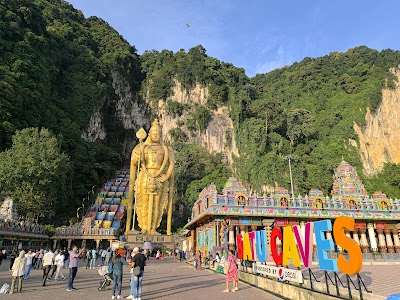
Batu Caves is a limestone hill temple complex just north of the city, one of the most important Hindu sites outside India, and the focus of the Thaipusam pilgrimage. Out front sits a roughly forty-three-metre gilded statue of Lord Murugan, and behind it, two hundred and seventy-two steps painted rainbow in 2018 lead up into a cathedral-like open cave.
Tamil settlers dedicated these caves to Murugan in the late eighteen-hundreds. The climb is sweaty, the monkeys have attitude, and the air goes suddenly cool inside the open-roof cave. Take the KTM Komuter train up and go early, because the steps are narrow and you'll otherwise share them with every tour bus in the city, and guard anything a monkey could grab.
Tip: Take the KTM Komuter train to Batu Caves for the cheapest transfer, then climb the 272 rainbow steps early before the weekend crowd; entry to the temple cave is free, so bring cash for water and wear sturdy shoes.
Menara Kuala Lumpur
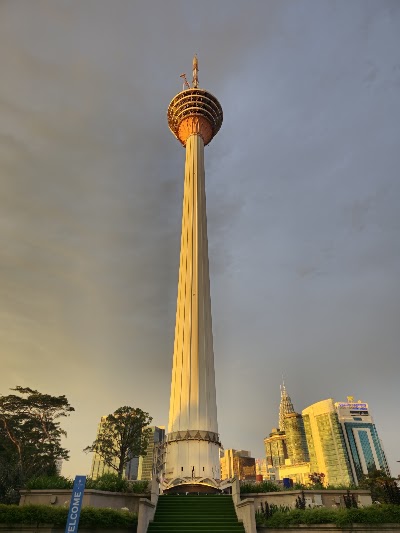
Menara Kuala Lumpur is the communications tower up on Bukit Nanas, built in the nineties boom on one of the city's last patches of original hill rainforest. Here's the honest read: Petronas is the icon, but Menara is the better single viewpoint, an open-air three-hundred-sixty-degree deck, higher up, and breezy instead of glassed-in.
Go late afternoon toward sunset, because one timed ticket gets you the daytime skyline, the golden light, and the city lighting up, all in one sit. Book the timed ticket online for the discount, add a layer for the open deck, and know that haze can flatten the panorama on bad-air days. Clear evenings are noticeably better.
Tip: Book the Menara Kuala Lumpur Observation Deck online for a discounted timed ticket and to skip the walk-up line; the open-air deck is breezy so add a layer if you go near sunset.
Kampung Baru
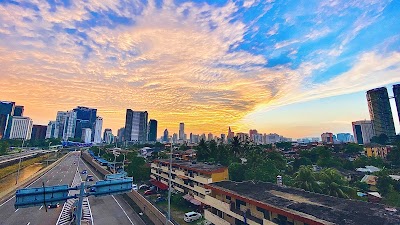
Kampung Baru is a traditional Malay village sitting, almost impossibly, inside the city center, with zinc roofs, satay grills, plastic stools, and the lit skyline right above. It's not a theme park, it's Malay reserve land protected for over a century, on some of the most expensive dirt in the country, which is exactly why it still looks like a village.
Go after dark, because the food stalls only hit full stride then, and the towers behind them only look right lit up. Take the LRT, bring cash because most hawkers don't take card, eat the nasi lemak and the satay, and keep your phone pocketed on the lit food strips after dark.
Tip: Walk from LRT Kampung Baru for street-side nasi lemak and lemang with the lit Petronas Towers behind the stalls; bring cash as most hawkers do not take card and seating is limited.
Day 3
Day three is the historical pivot, where Malaysia was switched on, the heritage market with no haggling, and Chinatown after the lanterns come on.
Merdeka Square
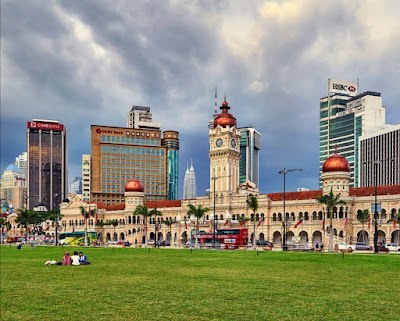
Merdeka Square is the colonial heart of KL, the grass field where the Union Jack came down at midnight on the thirty-first of August, nineteen-fifty-seven, and Malaysia became a country. The field was originally the colonial cricket green, and a roughly hundred-metre flagpole, one of the tallest in the world, stands on the exact spot independence was declared.
Walk the perimeter for the Moorish-influenced British colonial facades, since the lawn itself is more photo stop than museum. The Sultan Abdul Samad building is the best single one. Get here right at opening, because the square is shadeless, the midday sun is brutal, and tour buses stack up by mid-morning.
Tip: Arrive early to photograph the 100m flagpole and colonial facades before tour buses stack up; the square is free to enter and mostly empty right at opening hours.
Central Market
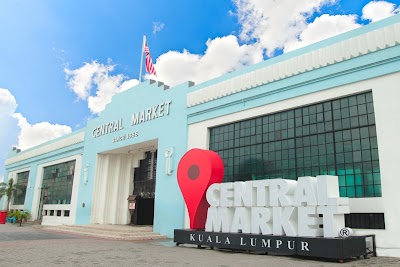
Central Market is a heritage art-deco hall sitting between Merdeka Square and Chinatown, with batik, crafts, and snacks, all under a cool tiled roof. It started life as the city's main wet market in the colonial era, and the current art-deco structure dates to the nineteen-thirties, later saved from demolition.
The rare thing here is the posted prices, because KL is a city built on bargaining, and a market where you don't have to haggle is its own kind of relief. Browse the ground floor for crafts, the Annexe upstairs for quirkier stalls, and don't expect bargains. Expect convenience and working air-con.
Tip: Browse Central Market's heritage art-deco halls for batik and crafts with fixed prices so there is no haggling stress; upstairs Annexe stalls take card while ground-floor snack kiosks prefer cash.
Petaling Street Market
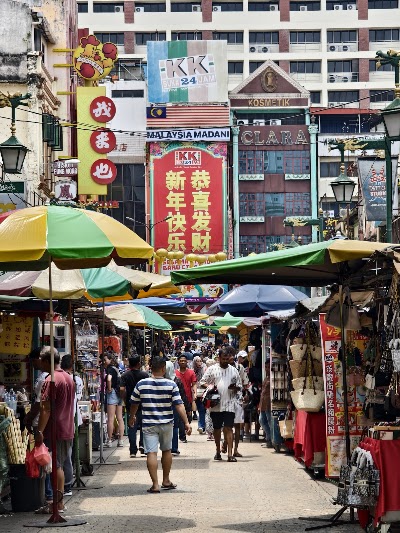
Petaling Street is the historic heart of KL's Chinatown, along Jalan Petaling, a covered street market that goes lantern-lit and loud after dusk. Frame it right: this is a food market that happens to sell souvenirs. The roast duck, dim sum, and herbal tea are the actual reason to come.
Go after dark, because the lanterns only glow once the sun's gone, and the food stalls don't fully wake up until then. Bring small cash, eat standing if you have to, and keep your bag in front and your phone pocketed. Weekend crowds get dense and pickpockets know it.
Tip: Hit Petaling Street after dusk when lanterns glow and stalls peak; carry small cash for dim sum and herbal tea, and keep valuables close in the dense weekend crowd.
What to book ahead
- Prebook Petronas Skybridge + Observation Deck timed tickets (2-3 weeks before travel) - Morning slots sell out first; print or save QR for entry.
- Reserve Menara KL Observation Deck timed slot (1 week before travel) - Online price beats walk-up; pick late afternoon for sunset overlap.
- Reserve Sky Deck KL Tower slot (alternative) (1 week before travel) - Rooftop capacity is tight; golden-hour windows go fast.
- Load a Touch n Go or Grab transport card (On arrival) - Covers LRT, KTM Komuter to Batu Caves and Grab rides.
- Confirm KLCC fountain show times (Day of visit) - Lake Symphony shows usually run around 7pm, 8pm, 9pm nightly.
What to pack
Essentials
- Light rain shell or compact umbrella - Short tropical downpours hit most afternoons year-round.
- Breathable modest layers - Hot outside but towers, malls and mosques run strong air-con; shoulders and knees needed for temple entry.
- Comfortable grip shoes - Batu Caves steps and KLCC/Bukit Bintang walking loops are steep and long.
- Small cash float (RM) - Hawker stalls and market kiosks still heavily prefer cash over card.
Nice to have
- Tripod or phone clamp - KLCC Park reflection and golden-hour tower shots benefit from stability.
- Refillable water bottle - Humidity is high; hydration between outdoor stops matters.
- Power bank - Heavy photo and maps use drains batteries across long walking days.
Final take
Three days in Kuala Lumpur and the joke starts to land, the fanciest skyline in Southeast Asia, framed from a free park, a limestone cave, and a ten-ringgit food stall.
Plan this trip
Turn this guide into an editable trip plan
Open the route in Instaboard, adjust the stops, and share the itinerary with your travel group.