Travel Guide
Kumamoto 3-Day Itinerary: Castles, Volcanoes & Hot Springs
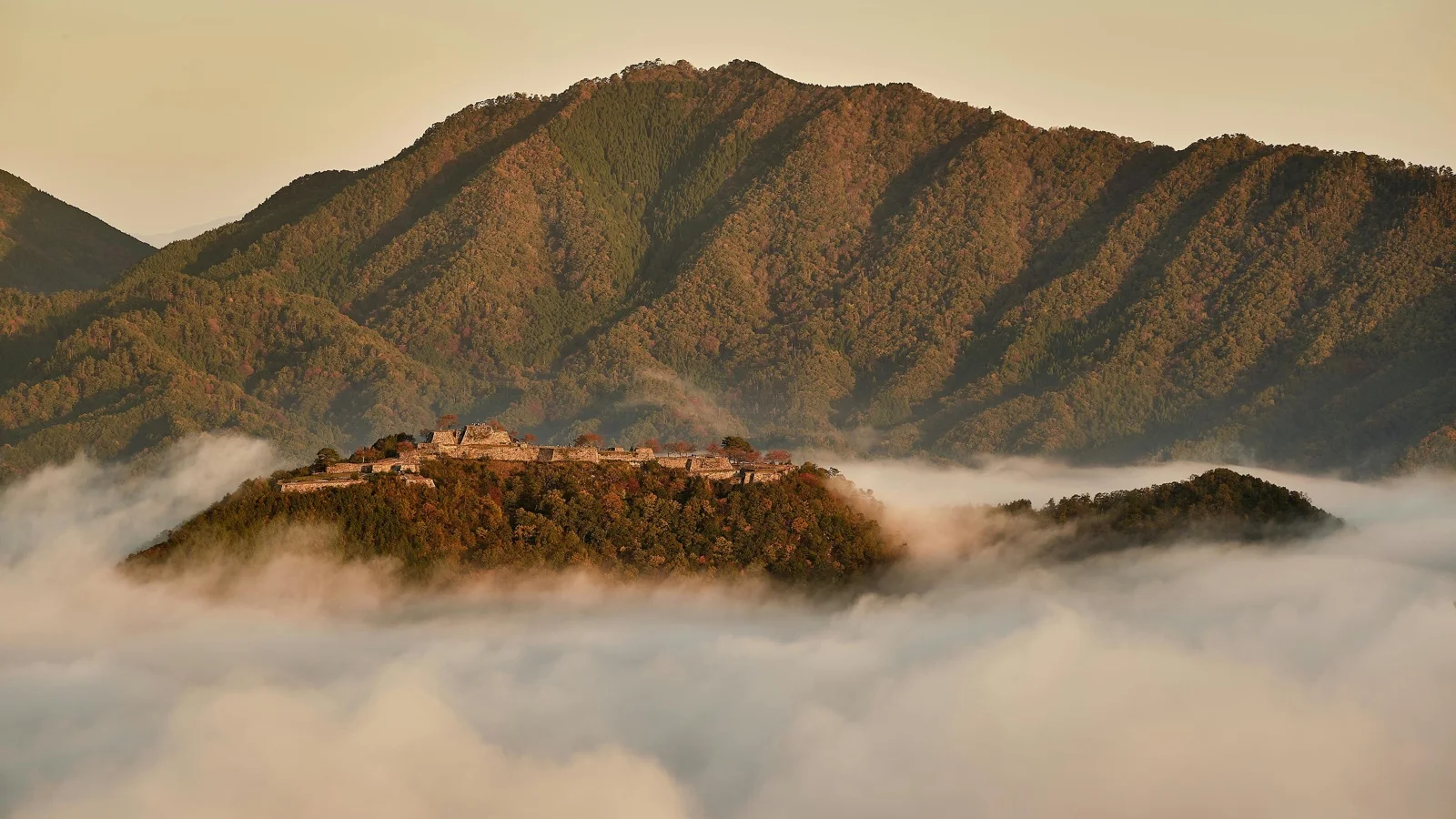
Want the editable version of this route?
Open the Instaboard template and adapt stops, timing, and notes to fit your trip.
Kumamoto is that Japanese city where a 400-year-old castle is still being rebuilt, and where dinner might mean raw horse if you are feeling brave. Three days gets you samurai history, an active volcano that decides its own schedule, and a gorge so photogenic the boat reservations vanish in hours.
Spring means cherry blossoms at the castle and mild weather for standing at the edge of an active caldera without freezing.
Day 1
Day one is Kumamoto showing off. You get a castle under construction, a garden that compresses a 500-kilometer journey into a short walk, then covered streets where you decide how adventurous your dinner gets.
Kumamoto Castle
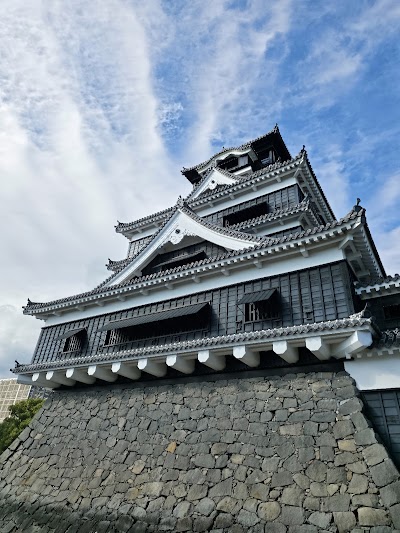
Kumamoto Castle is one of Japan's big three, which sounds impressive until you realize you will be viewing it alongside scaffolding and repair crews. The 2016 earthquake knocked down stone walls that had survived samurai battles and wars, so what you are seeing is history being actively rebuilt with traditional techniques.
The main keep reopened in 2021 with all six floors accessible, which means you can climb inside while cherry trees bloom in the moat below. Morning light hits the black wooden towers best, and you will want to grab tickets online before the tour buses show up mid-morning.
Tip: Explore the reconstructed castle towers and cherry blossom grounds. Arrive early to avoid crowds and book your ticket online for faster entry.
Suizenji Jojuen Garden
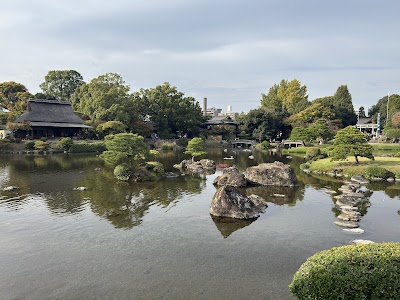
Suizenji Jojuen is what happens when feudal lords cannot travel the famous Tokaido road, so they build the entire 500-kilometer journey in one garden. There is a miniature Mount Fuji, tiny ponds representing lakes, and the whole thing is designed to let you walk from Tokyo to Kyoto in under an hour.
Cherry blossoms reflect in the pond, gravel paths crunch under your feet, and pines shaped like clouds make it clear someone spent centuries on the landscaping. This is the calm after the castle crowds: quiet, intimate, and best experienced by walking slowly instead of racing through.
Tip: Stroll through this traditional garden with cherry blossoms and Noh theater. Walk the winding path to see all 53 Tokaido stations represented in miniature.
Shimotori Shopping Arcade
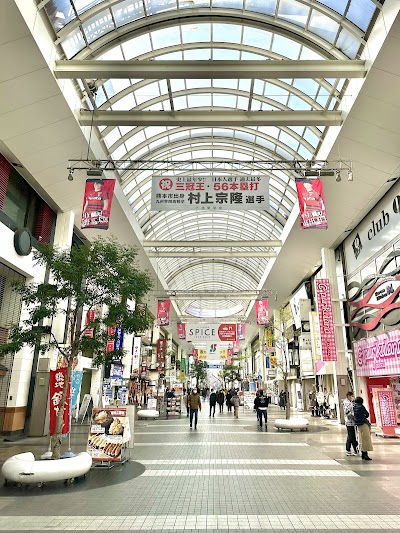
Shimotori is a 510-meter covered arcade filled with izakayas, ramen shops, and the real reason you are here: basashi, which is raw horse sashimi. Kumamoto has been eating horse meat for centuries. It started during wartime scarcity and stuck around because people genuinely like how clean and lean it tastes.
Evening is when the arcade comes alive, with steam rising from ramen bowls, neon signs reflecting off the covered walkways, and local workers filling the izakayas after six. If raw horse intimidates you, try it grilled first. Also, bring cash because the mom-and-pop spots do not take cards.
Tip: Sample basashi (horse sashimi) and local ramen at this covered shopping street. Cash is preferred at many small eateries and izakayas.
Day 2
Day two shifts from samurai to geology. You are heading into Japan's largest active volcano, where the crater opens when it feels like it.
Mount Aso
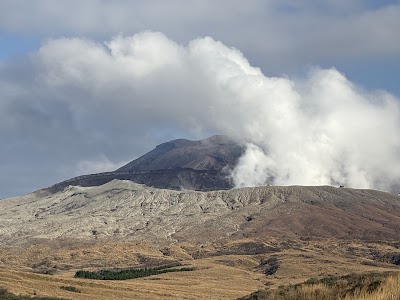
Mount Aso is the largest active volcano in Japan, with a caldera you can drive into, assuming the volcano has not decided to close the roads that day. This caldera formed from a massive eruption about 90,000 years ago, and the ground here is still very much alive, with sulfur in the air and steam venting from the earth.
Morning gives you the clearest views before clouds roll in, because afternoon weather in the mountains does not always cooperate with sightseeing schedules. Check the official website the morning you go. Crater access changes based on gas levels, and the volcano makes that call, not the tourism board.
Tip: Take the scenic bus transfer to Japan's largest active volcano. Check crater access status before departure as it may close due to volcanic gas levels.
Mt. Nakadake
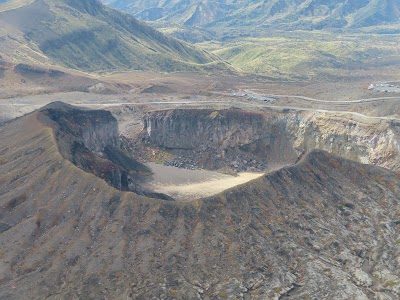
Nakadake is the active crater inside Aso where you can stand at the edge and watch steam billow out of the earth, when gas levels permit. This is one of the most accessible active volcanic craters in the world. You will smell sulfur and see crater walls stained yellow and green from mineral deposits.
The path to the rim is uneven and slippery, and the temperature drops suddenly near the crater, so you will want layers and decent shoes. Access can close with almost no warning. Volcanologists monitor this around the clock, so if they shut it down, that is not bureaucracy, that is safety.
Tip: View the active volcanic crater with smoking fumaroles. Layer up as temperatures drop suddenly near the crater rim and wear sturdy shoes.
Aso Volcano Museum
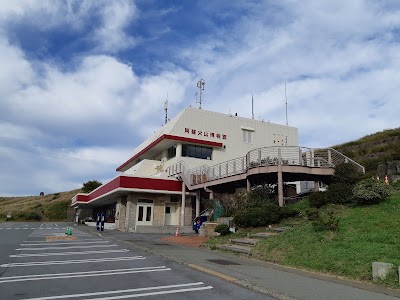
The Aso Volcano Museum is where you learn why the ground beneath you has been angry for hundreds of thousands of years. Live feeds from crater cameras and seismic monitors let you see what is happening at the volcano even when you cannot stand at the edge yourself.
This is a solid backup if crater access is closed, or just useful context if you want to understand what you just saw up there. Budget about an hour. It is not huge, but the explanations are worth your time if geology is even slightly interesting to you.
Tip: Learn about volcanic history and monitoring systems. Reserve at least an hour to explore all interactive exhibits about Mount Aso's geology.
Day 3
Day three is the visual payoff: a basalt gorge where Japanese gods once argued, followed by a hot springs town that does not have a convenience store.
Takachiho Gorge
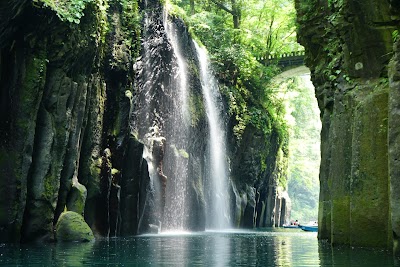
Takachiho Gorge is a narrow basalt canyon with 17-meter waterfalls, where rowboats drift past columnar walls that look like they were stacked by giants. Japanese mythology says the sun goddess Amaterasu hid in a cave here, plunging the world into darkness until other gods lured her back out.
The gorge went viral on Instagram, which means boat reservations open two weeks in advance and morning slots disappear within hours. Arrive early to beat the tour buses that show up between eleven and three, and park close because the far lots mean a 30-minute walk.
Tip: Boat through the narrow basalt canyon past waterfalls. Prebook your boat rental in peak season to avoid long queue times at the dock.
Kurokawa Onsen
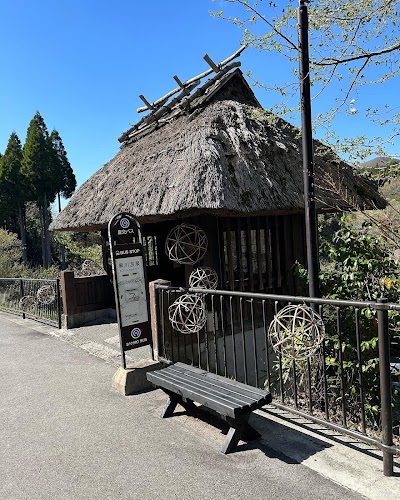
Kurokawa Onsen is a preserved hot springs town where 30 ryokans open their baths to outside guests, and lanterns light the river at night. The Nyuto Tegata pass gets you into three different onsen for 1500 yen, which is rare because most towns do not let outsiders into their baths.
Afternoon arrival gives you time to soak before dinner, and evening is when the lanterns glow and the whole place feels like pre-modern Japan. Book your ryokan weeks ahead for weekends, bring your own towel for onsen-hopping, and buy snacks beforehand. There are no convenience stores here.
Tip: Relax in riverside hot springs at this preserved onsen town. Book your ryokan in advance, especially on weekends when the town fills quickly.
What to book ahead
- Book Kumamoto Castle tickets (1-2 weeks ahead) - Online booking saves queue time, especially on weekends
- Reserve Kurokawa Onsen ryokan (2-4 weeks ahead) - Popular onsen town fills up on weekends
- Check Mount Aso crater access (Day before) - Crater may close due to volcanic gas levels
- Prebook Takachiho boat rental (1 week ahead in spring) - Boats sell out during cherry blossom season
What to pack
Essentials
- Comfortable walking shoes - Essential for castle grounds, volcano trails, and gorge hiking
- Layers - Volcano areas are cold; city areas are warm in spring
- Yen cash - Many local eateries and onsen do not accept cards
Nice to have
- Waterproof jacket - For waterfall spray at Takachiho Gorge and Nabegataki Falls
- Swimwear - For onsen visits at Kurokawa
Final take
Three days in Kumamoto gives you a castle mid-reconstruction, a volcano that makes its own rules, a gorge out of mythology, and a hot springs town with zero 7-Elevens.
Plan this trip
Turn this guide into an editable trip plan
Open the route in Instaboard, adjust the stops, and share the itinerary with your travel group.