Travel Guide
3 Days in Kurashiki & Okayama: Canals, Denim & Japan's Best Garden
Want the editable version of this route?
Open the Instaboard template and adapt stops, timing, and notes to fit your trip.
There's a canal town in western Japan where Edo-era storehouses line the water and a textile magnate hung Picassos next to the rice warehouses. Three days gets you feudal canals, one of Japan's three great gardens, and a black castle. The trick is knowing which corners not to cut.
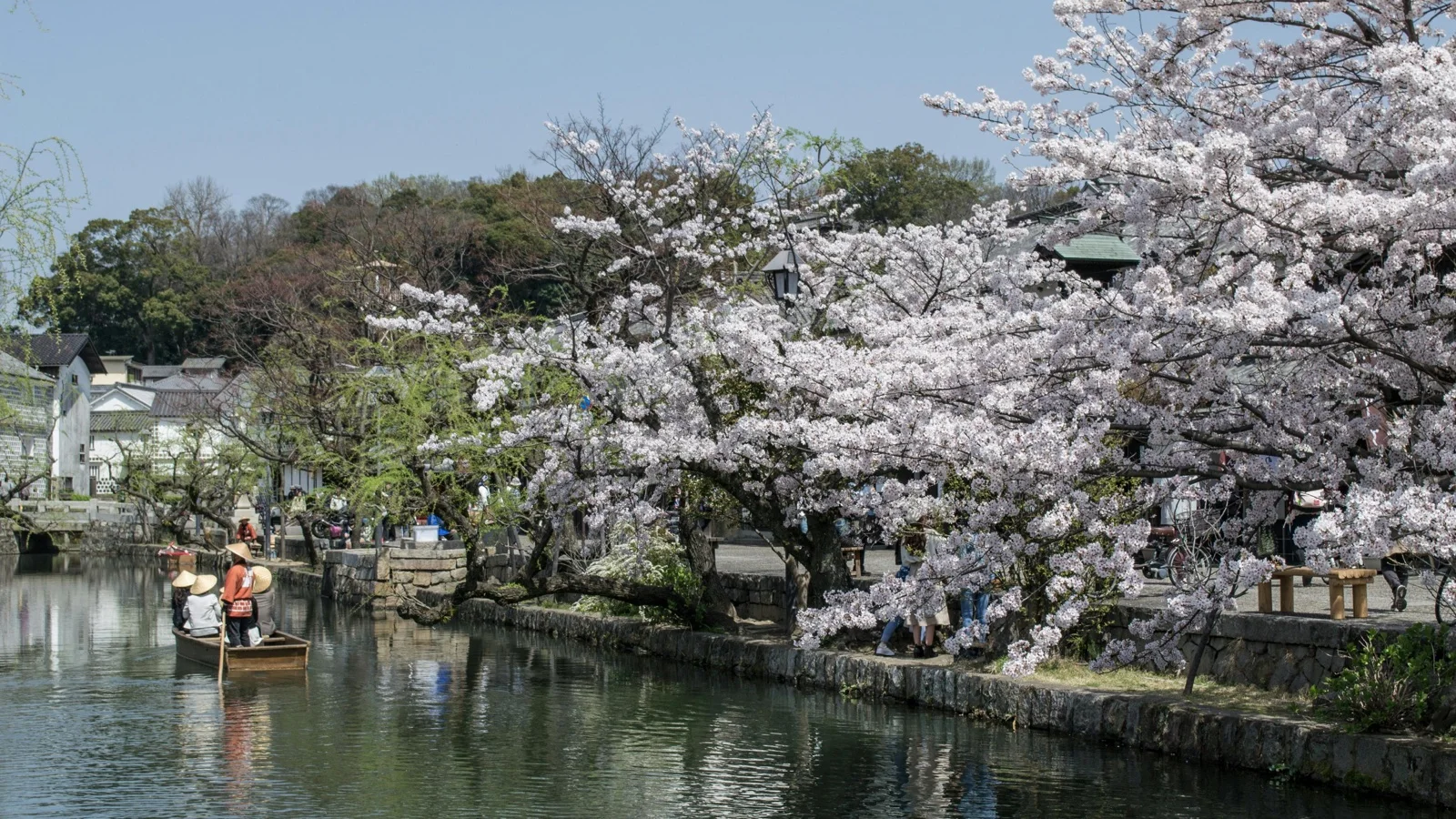
Spring is the move here: cherry blossoms at Korakuen, wisteria blooming at Achi Shrine, and canal weather that actually cooperates.
Day 1
Day one stays in Kurashiki, starting at a canal district so pretty it was literally named after its own storehouses.
Kurashiki Bikan Historical Quarter
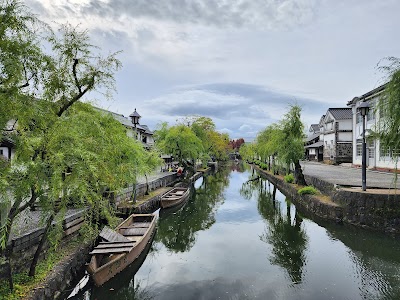
The Bikan Quarter is a row of Edo-period storehouses along a willow-lined canal, and it's the reason Kurashiki is on any map at all. The Tokugawa shogunate ran this town directly because the rice trade was too profitable to trust to local lords. The name literally means 'storehouse city.'
Morning light off those white plaster walls is genuinely beautiful, and before ten the stone bridges are still yours. Walk from the station through the covered shopping arcade. It dumps you right at the canal and beats the main road.
Tip: Stroll the willow-lined canal as morning light illuminates white-walled storehouses. Arrive before 10 AM to beat the tour bus crowds and capture unobstructed photos of the iconic stone bridges.
Boat Ride Boarding
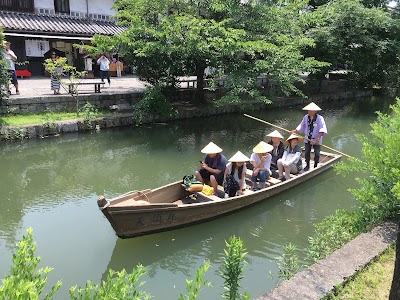
You walked the canal. Now sit in it, at water level, while a boatman in period dress poles you past the same storehouses. Six passengers max, about twenty minutes, willow branches close enough to brush your shoulder, and the whole district goes quiet from down here.
These waterways moved rice barges. Now a guy in a straw hat pushes tourists through them for 700 yen, and somehow that's lovely. Tickets are day-of only at the Tourist Information Center near the canal, so grab one early and fill the wait with lunch.
Tip: Glide through the canal on a traditional wooden boat while a boatman in period dress shares local stories. Book the 30-minute ride at the dock near Nishi-Achi Bridge; tickets sell out on weekends.
Ōhara Museum of Art
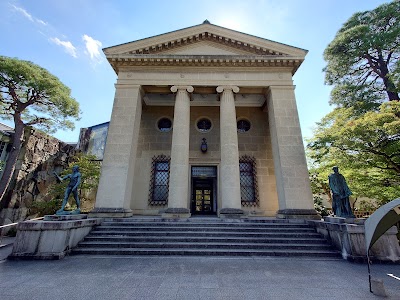
At the edge of the canal quarter sits a neoclassical building full of Monet, Picasso, and El Greco. The whiplash is half the point. A textile magnate opened Japan's first Western art museum here in 1930, because nobody told him provincial canal towns don't do that.
The permanent collection is strong: El Greco's Annunciation, Pollock, Kandinsky. The free English audio guide is worth picking up. Skip the satellite galleries if you're pressed for time. The main building is where the collection earns its reputation.
Tip: Explore Japan's first Western art museum with works by Monet, Picasso, and El Greco. Entry requires a paid ticket purchased at the main gate; the permanent collection alone justifies the visit.
Day 2
Day two climbs above the canal, then traces Kurashiki's arc from ancient shrine to cotton mill to raw selvedge denim.
Achi Shrine
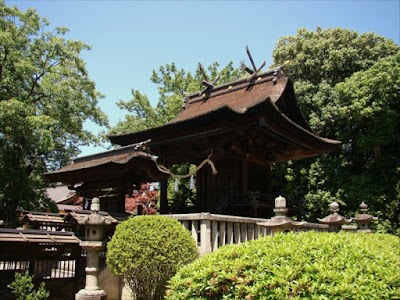
Above the canal quarter, a 4th-century shrine crowns Mt. Tsurugata with a rooftop view, because this hill was sacred before the storehouses were built. The wisteria here is called Achi no Fuji, maybe five hundred years old, and in late April the canopy turns the grounds into a purple tunnel.
Stone steps through cedar shade, steep but short. Five minutes up and you've got a panorama most visitors never bother to see. There's a circular zodiac sanctum with all twelve animals carved into it, which is genuinely unusual for a Japanese shrine.
Tip: Climb stone steps through a cedar grove to this 4th-century shrine atop Mt. Tsurugata. Walk slowly to enjoy the panoramic view over the Bikan Quarter's rooftops; in late April the ancient wisteria is breathtaking.
Kurashiki Ivy Square
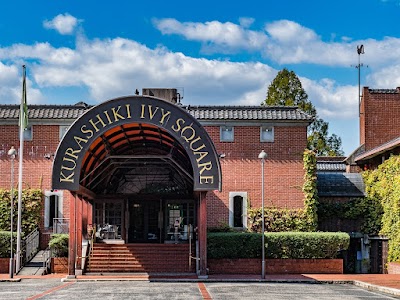
Kurashiki's rice money eventually became cotton money, and Ivy Square is where that happened: original Meiji-era spinning mills wrapped in ivy. These aren't replicas. They're the actual factory floors, registered as Heritage of Industrial Modernization.
The courtyard cafe is a good place to sit with a coffee and let the morning catch up with you. Warm brick, dappled light, not much else required. The Kojima Museum inside covers the region's textile and art history, worth the separate ticket if you still have legs.
Tip: Wander ivy-draped red-brick courtyards of this former Meiji textile mill turned cultural complex. Warm spring days are ideal for lingering at the outdoor café and browsing the Kojima Museum inside.
Kurashiki Denim Street
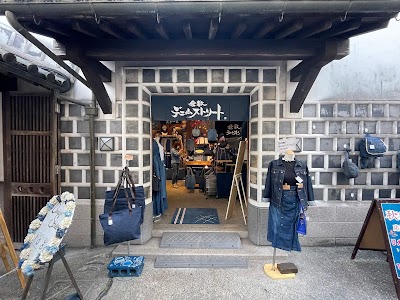
Okayama Prefecture is where Japanese denim was born, and this cluster of boutiques and indigo workshops near the canal is where that heritage hits retail. The region spent centuries on indigo dyeing, then American jeans showed up and they thought, we can do that better.
The smell of indigo hits you before you see the shelves: walls of raw selvedge in every shade of blue, heavy and unwashed. The famous Kojima Jeans Street is a separate location thirty minutes by train. This is the walkable denim cluster near the Bikan Quarter.
Tip: Browse boutique denim shops and try hands-on indigo dyeing in the birthplace of Japanese denim. Cash is preferred at smaller artisan workshops, though major stores accept card payment.
Day 3
Day three shifts to Okayama for a garden with rice paddies inside it and a black castle staring back across the river.
Okayama Korakuen
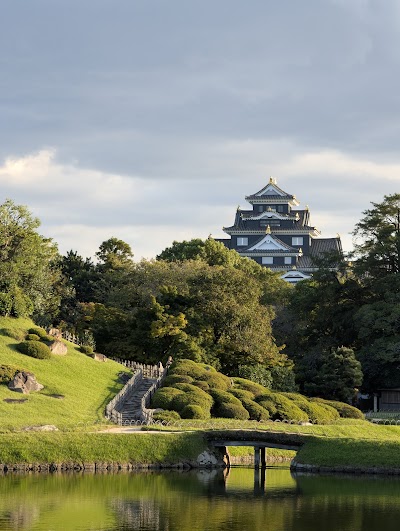
Japan officially calls three gardens 'great,' and Korakuen is one of them: wide lawns, working rice paddies, tea fields, and a black castle framed across the water. The daimyo built this in 1687 with real rice paddies and tea fields inside, because he wanted to admire farming without doing any.
Follow the circular path and don't cut across. Views are composed from specific vantage points, and the garden is bigger than it looks. It opens at 7:30 and the first hours are nearly empty. Spring mornings give you cherry blossoms and soft light on the castle view.
Tip: Enter one of Japan's three great gardens through the main gate and follow the circular path past ponds, tea fields, and rice paddies. Ticket counters open at 7:30 AM; prebook a tea ceremony at Ryuten pavilion in advance.
Okayama Castle
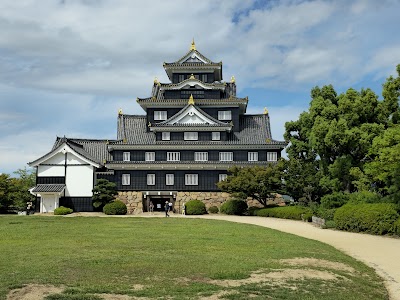
Cross the moon bridge from Korakuen and you're at Crow Castle: black-painted, deliberately intimidating, designed to be seen as a pair with the garden. The original went up in 1597, burned in the 1945 air raids, and was rebuilt in concrete in 1966. The interior is modern, elevator included.
Ride the elevator to the top and look back down at Korakuen. The garden you just walked is now readable as a single design. The moon bridge is the only original surviving structure, which means you're walking the one piece that actually made it through four hundred years.
Tip: Cross the moon bridge from Korakuen to the black-walled 'Crow Castle' and climb the reconstructed keep. Queue early as the elevator line grows by midday; the top floor offers sweeping views of the Asahi River.
Nishigawa Canal Walk Avenue
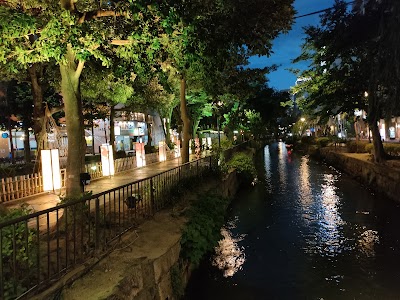
After two major landmarks, this canal park through downtown Okayama is the cooldown: walking paths, seasonal flowers, and evening illumination along the water. Okayama gets more clear days than almost anywhere in Japan, and this canal catches the last of that light before the lamps take over.
It's a neighborhood walk. Locals with dogs, couples on evening strolls, the city winding down. Walk it as the sun drops and stay for dinner downtown. It's the right way to close out three days here.
Tip: End the day walking this illuminated waterside promenade through downtown Okayama. Sunset reflections on the canal and seasonal flower displays make it a perfect evening stroll before catching your train.
What to book ahead
- Reserve Kurashiki boat ride (1–2 days before) - Check weekend availability; boats run every 15–30 min but fill up in peak season.
- Buy Ohara Museum ticket online (3–5 days before) - E-ticket entry skips the gate queue and is slightly cheaper.
- Book Korakuen tea ceremony (1 week before) - The Ryuten restorative tea experience has limited daily slots.
- Check JR Sanyo Line schedule (Day of travel) - Kurashiki to Okayama is ~15 min by local train; plan around your first stop.
What to pack
Essentials
- Comfortable walking shoes - Cobblestone streets in Bikan Quarter and extensive garden paths at Korakuen require sturdy footwear.
- Light jacket or cardigan - Spring mornings and evenings in the Seto Inland Sea region can be cool even when midday is warm.
- Portable charger - Long days of navigation, photography, and ticket QR codes will drain your phone battery.
Nice to have
- Rain umbrella - Spring weather can be unpredictable; canal reflections are beautiful in light rain.
- Coin purse - Smaller shops, temple donation boxes, and boat ride docks often prefer cash.
Final take
From feudal rice canals to a garden with real paddies in it, this small corner of Japan punches well above its weight.
Plan this trip
Turn this guide into an editable trip plan
Open the route in Instaboard, adjust the stops, and share the itinerary with your travel group.