Travel Guide
Kyoto 3-Day Itinerary for Spring: Gion, Arashiyama, Fushimi Inari + Uji
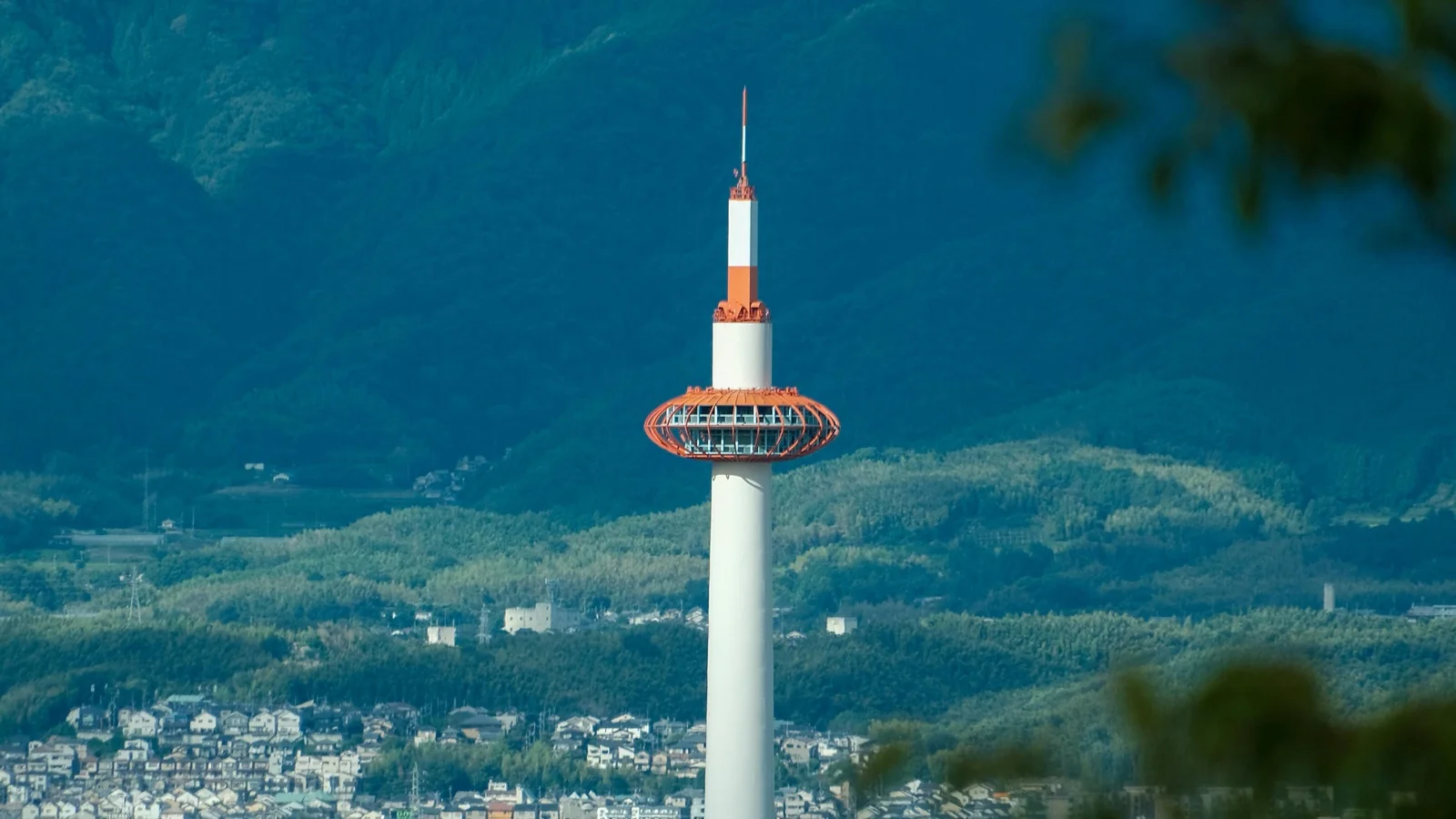
Want the editable version of this route?
Open the Instaboard template and adapt stops, timing, and notes to fit your trip.
Kyoto is one of those cities where a wooden hillside temple and a lantern-lit shrine can somehow both feel completely normal. Do this well and you get calm mornings, dramatic old streets, and fewer bad guesses about which famous spots are actually worth your energy.
Spring here is mild, sometimes damp, and a lot of Kyoto feels best early, before the temples turn into polite human traffic.
Day 1
First up is classic eastern Kyoto: a big hillside temple, an old stone lane, and an evening shrine that actually earns the hype.
Kiyomizu-dera
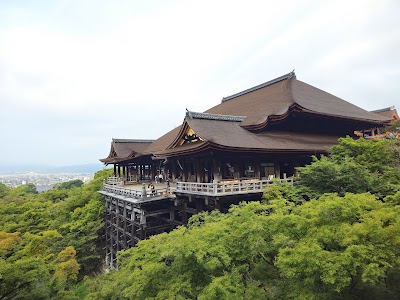
Kiyomizu-dera is one of Kyoto's best-known historic temples, set high on a slope with the city opening out beneath it. It works first because you get the broad Kyoto reveal straight away: wood, hills, tiled roofs, and that slightly ceremonial feeling.
The approach matters as much as the overlook: bells, shoe scuffs on stone, spring air, and everyone trying to be serene in a queue. Morning is the smart move here, and the hillside can feel breezier than the street below, so this is my one light-layer warning.
Tip: Arrive near opening to beat tour groups; expect hillside stairs and bring a light layer for breezy viewpoints.
Ninenzaka
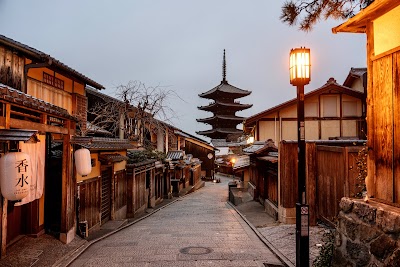
From there, Ninenzaka is the preserved old slope where a lot of first-timers finally understand what people mean by historic Kyoto. It's less about one monument and more about the whole street surviving: stone paving, old facades, shop curtains, snack smells, the lot.
I like it after Kiyomizu because the temple visit keeps spilling forward instead of ending at a viewpoint and a gift shop. It is atmospheric, yes, but also commercial and crowded, which honestly makes it feel more real than a perfectly frozen postcard.
Tip: Walk it mid-afternoon after peak morning crowds; watch for slick stone if it rained and keep coins for small snack stalls.
Yasaka Shrine
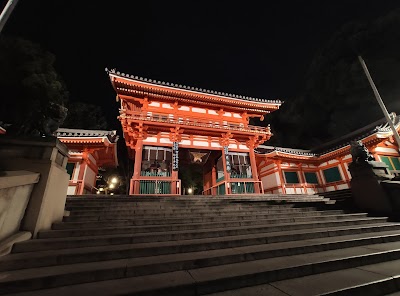
By evening, Yasaka Shrine is an easy Kyoto shrine to read: lanterns, gates, and that threshold between old district and everyday city. Just after sunset is the sweet spot because the grounds shift from daytime bustle into this softer, low-glow evening mood.
You hear quiet conversation, nearby traffic, and then the lantern light starts doing most of the work with very little effort from you. It doesn't need a huge visit; it's simply a very good place to pause before dinner instead of ending the day in transit limbo.
Tip: Use it as a meet-up anchor before dinner; go just after sunset for lantern vibes and fewer daytime tour groups.
Day 2
Day two goes west for Kyoto's more photographed side, but the good part is how quickly it opens from bamboo corridor to proper landscape.
Arashiyama Bamboo Forest
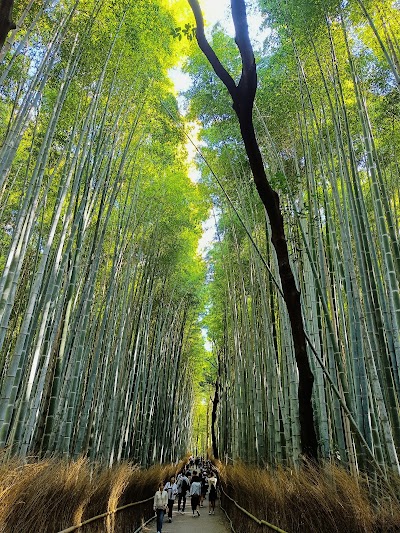
Arashiyama Bamboo Forest is the famous bamboo path, and yes, in the right conditions it really does feel oddly otherworldly. What you're here for is vertical bamboo, filtered light, soft wind, and that hushed graphic look people associate with Kyoto.
Go early because this place depends on a bit of space and quiet; later, the narrow path turns into a very orderly bottleneck. Also, keep expectations honest. It's more compact than the internet sometimes suggests, so treat it as a strong short stop.
Tip: Go early (before mid-morning) for the calmest bamboo photos; take side paths to avoid the tightest crowd bottlenecks.
Tenryu-ji
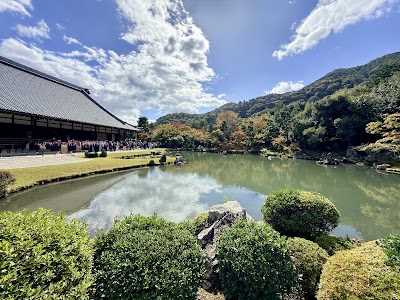
Tenryu-ji is the Arashiyama stop that gives the area actual depth, not just one viral-looking walkway. It's a major Zen temple, but the garden is the main argument: framed views, raked calm, and space that slows you down a notch.
I like it right after the bamboo because the mood shifts from crowd-managed nature to something much more deliberate and composed. This is where Kyoto's restraint really lands; your camera relaxes a bit, and suddenly you're judging garden lines like it is your profession.
Tip: Visit right after the bamboo walk to stay ahead of peak lines; check last-entry time and keep cash for small tickets/tea.
Togetsukyō Bridge
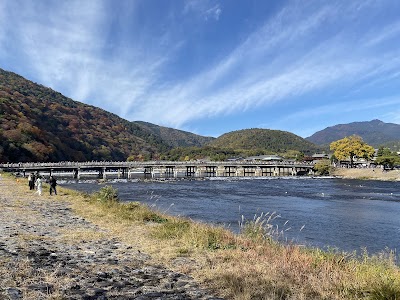
Then Togetsukyo Bridge reminds you Arashiyama is not only temples and narrow paths. It also has river, mountains, and actual breathing room. The bridge matters less as a monument than as a viewpoint, with open wind, moving water, and a much wider soundscape.
Later afternoon suits it because the softer light helps the landscape and the whole area feels more like a scenic outing than a checklist. Don't get too fixated on the exact center of the bridge; half the crowd is doing that already, and the nearby edges are often better.
Tip: Time this for later afternoon light; step a little away from the bridge center for cleaner photos, and keep it shorter if wind or crowds pick up.
Day 3
The last day starts with Kyoto at its most iconic, then slips out to Uji for a calmer, greener, tea-scented finish.
Fushimi Inari Taisha
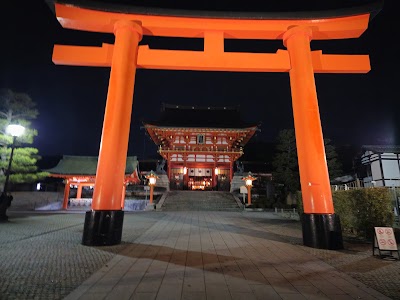
Fushimi Inari Taisha is the shrine with the endless vermilion gates, but really it's a mountain walk disguised as a landmark. Even if you know nothing about Shinto sites, the repetition makes immediate sense: gate after gate, steps, turns, and the climb slowly taking over.
Go early because the lower corridors are the most famous and the easiest to overwhelm, while the higher sections feel noticeably calmer. The key thing first-timers miss is that the route up the mountain is the point; the neat photos near the bottom are just the opening scene.
Tip: Aim for early morning for the quietest torii walk; go at your own pace and turn back when crowds start building.
Byōdo-in Temple
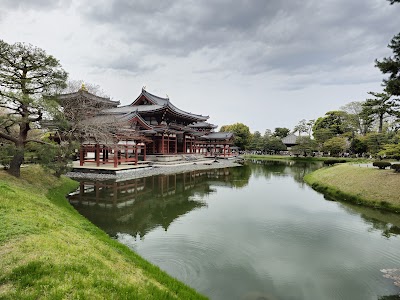
Byodo-in Temple in Uji changes the rhythm completely: calmer grounds, cleaner lines, and a more measured kind of beauty. This is one of Japan's most recognizable historic temple images, and the appeal is all symmetry, reflection, and quiet confidence.
It fits after Fushimi because the day moves from uphill repetition to something stiller and more architectural. Since entry or museum arrangements can vary here, check the current official details before you go so the visit keeps its dignity.
Tip: Plan around last entry and museum timing; going on a weekday afternoon usually means calmer viewing and better photos.
Byodo-in Omotesando
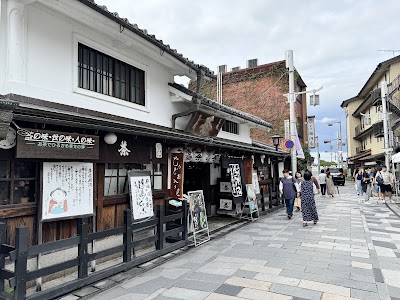
Just outside, Byodo-in Omotesando is the street that gives Uji its other identity: tea, sweets, and very committed shades of green. If Byodo-in is the composed cultural landmark, this is the lived-in follow-up, with matcha aroma drifting out of shopfronts all afternoon.
It works here because Uji should feel like more than one temple stop, and this street gives the area an immediate flavor and personality. Do one slow lap before buying anything; the first matcha dessert rarely stays the winner once you've seen the rest of the evidence.
Tip: Take the JR Nara Line to Uji for the simplest transfer; shop earlier afternoon to avoid lines and sold-out matcha sweets.
What to book ahead
- Reserve one dinner spot in Pontocho (2-7 days before) - Popular places fill up in spring; booking keeps your evening smooth.
- Set early alarms for Kiyomizu-dera and Fushimi Inari (Night before each day) - Crowd strategy beats perfect routing during peak season.
What to pack
Essentials
- Comfortable walking shoes - Hills, stairs, and long temple approaches add up quickly.
- Light rain jacket - Spring showers can pop up; stone lanes get slippery.
- Small reusable water bottle - Easy hydration while moving between districts.
Nice to have
- Compact tripod or phone grip - Helps with dusk alley photos and low-light dinnerscape shots.
- Small snack pouch - Street food stops can replace a formal lunch on busy days.
Final take
Kyoto sticks because it keeps shifting from grand to quiet to faintly absurd, and somehow all of it still feels perfectly composed.
Plan this trip
Turn this guide into an editable trip plan
Open the route in Instaboard, adjust the stops, and share the itinerary with your travel group.