Travel Guide
Maldives in 4 Days: Overwater Villas, Manta Rays & the Sea of Stars (Full Itinerary)
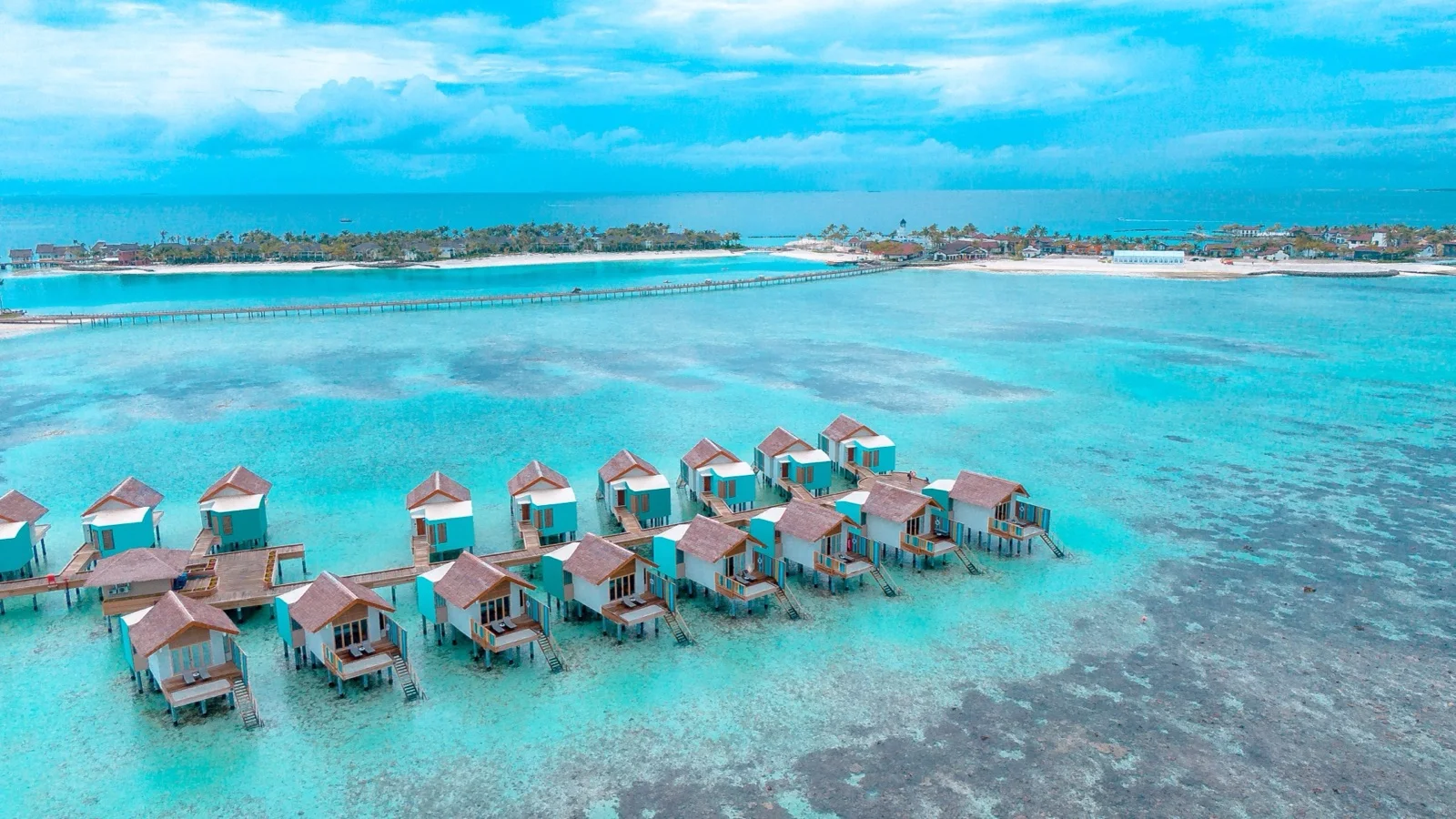
Want the editable version of this route?
Open the Instaboard template and adapt stops, timing, and notes to fit your trip.
The Maldives is where the world's largest fish swims past snorkelers and some beaches glow blue after dark. Four days goes fast out here, and the expensive mistakes are all timing: seaplanes, dawn boats, glow nights.
December to February is the dry monsoon: calm seas, clear water, and peak plankton pulling in mantas and whale sharks. It's also high season, so book ahead.
This is the version that gets it right.
Day 1
Your first day stays grounded in the capital: a beach they built on purpose, a golden-domed mosque, and the fish market that feeds the nation.
Hulhumalé Beach
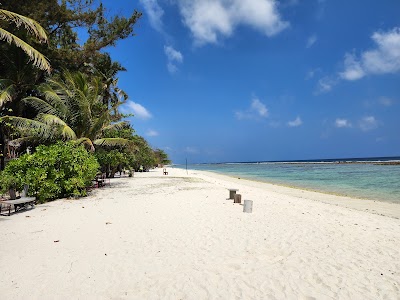
Hulhumalé is the beach they built on purpose: engineers pumped this island up from the lagoon because the capital ran out of room. The sand under your towel arrived by dredger, which sounds like a complaint until you're floating in glassy, bath-warm water.
You'll share it with local families and planes banking overhead: paradise with a departure board, and I mean that fondly. It's a public local beach, so keep the swimwear modest, then stay for sunset, which is genuinely the whole free show.
Tip: Land at Velana International and take a 10-minute taxi straight to this calm man-made stretch; swim in the warm turquoise shallows before sunset, then dry off with a slow walk along the palm-lined promenade.
Masjid Al-Sultan Muhammad Thakurufaanu Al-Auzam
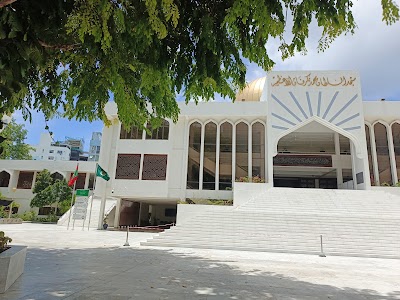
Then a complete change of pace: Malé's Grand Friday Mosque, a golden-domed landmark sitting inside one crowded little capital island. It's a working religious building, not a monument; visitors are welcome outside prayer hours, which surprises people.
Dress matters here, shoulders and knees covered, because you're a guest in the country's grandest mosque, not a customer. Aim for before four in the afternoon, when the tour buses haven't landed yet and the gold dome gets some peace.
Tip: Cover shoulders and knees for entry to the golden-domed Grand Friday Mosque; non-Muslim visitors are welcome outside prayer hours, so check opening times and arrive before 4pm to beat tour-bus crowds.
Fish Market
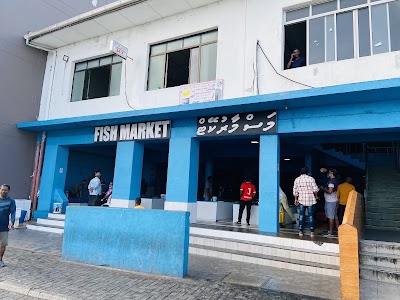
The fish market is basically next door, and it's the Maldives that actually funds the country: tuna coming off dhoni boats all evening. This is still pole-and-line fishing, one tuna at a time, a method that's fed these islands for centuries.
Dusk is peak: fish slapping tile, auction hands moving fast, salt and diesel off the harbor, barely a tourist in sight. Bring cash for the grilled-fish stalls just up the road, because every resort buffet this week started here, minus the ice sculpture.
Tip: Watch dhoni boats unload yellowfin tuna at dusk while vendors auction the catch on the waterfront; bring cash for grilled-fish stalls at the local market a short walk north.
Day 2
Day two is the splurge: a seaplane into Baa Atoll, a UNESCO biosphere where your resort shares a lagoon with marine researchers.
Four Seasons Resort Maldives at Landaa Giraavaru
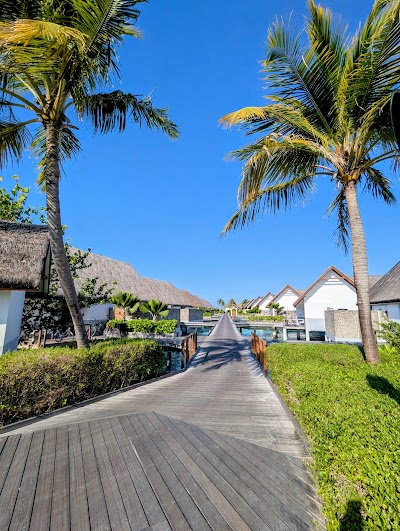
The Four Seasons at Landaa Giraavaru is the name-brand version of the overwater-villa fantasy, parked inside a UNESCO biosphere reserve. What sells me on it: the resort doubles as a working marine research base, and the guests and the scientists share a lagoon.
You can watch the Marine Savers team do real turtle and manta work, which quietly reframes the whole price tag. The unimprovisable part: seaplanes fly daylight only, so take the morning transfer from Malé, about thirty minutes, before the weather wobbles.
Tip: Take the 30-minute seaplane transfer from Malé and prebook your overwater villa months in advance for winter dates; on arrival morning, join the Marine Savers research centre's turtle and manta sessions, which fill fast.
Dharavandhoo hanifaru Bay Beach
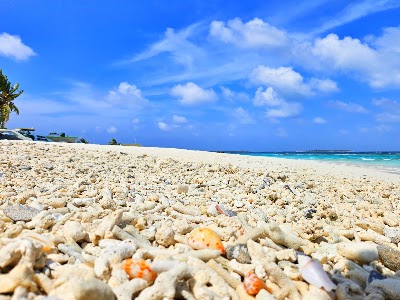
Back on the water, Hanifaru Bay is a big reason this atoll earned UNESCO status: a plankton-rich lagoon where mantas concentrate to feed. Winter is peak plankton, so the gathering is at its strongest: feeding behavior, not a lucky flyby you half-missed.
Ranger permits cap snorkeler numbers, which is rare, enforced good news; you book a licensed-guide trip through your resort ahead of time. Take the earliest afternoon boat, because the later ones stack up. Fewer fins in the water is the entire point.
Tip: Ranger permits cap snorkeler numbers in Hanifaru Bay, so reserve a licensed-guide trip in advance through your resort; book the earliest afternoon boat to beat the crowd and maximize manta encounters in the plankton-rich lagoon.
Day 3
Day three trades the resort for Dhigurah, a lived-in local island in South Ari Atoll: whale sharks before breakfast, a mile of beach after.
Whale Shark Point
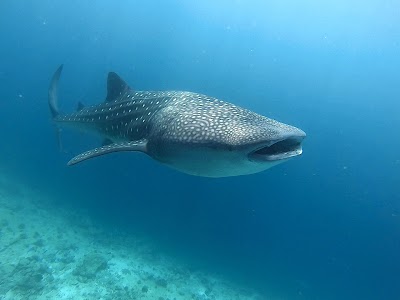
Whale Shark Point is a stretch of South Ari Atoll where the world's largest fish hangs around all year; these sharks are residents, not tourists. The comedy writes itself: the biggest fish in the sea is a filter feeder eating plankton the size of a grain.
A spotter shouts, a shadow the length of a minibus comes out of the blue, and twenty adults sprint-swim after a fish ignoring all of them. Book a dawn safari with a Dhigurah operator and be on the jetty by six-thirty: calmest water, fewest boats, sightings earned not guaranteed.
Tip: Prebook a dawn snorkel safari with a PADI-certified Dhigurah operator and arrive at the jetty by 6:30am; whale sharks patrol this channel year-round, and morning brings the calmest surface water for spotting them.
Long Beach Dhigurashu Thun'di
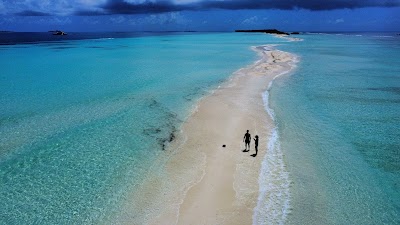
Back on the island, Long Beach is the exhale, because a dawn of whale sharks earns you a slow one: palms, pale sand, a sandbank. That sandbank moves with the seasons and tides; the beach is a draft, never a final copy, which is somehow the appeal.
You walk there down Dhigurah's palm spine, past everyday island life; this is a real town's beach, not a resort's backyard. Time it for the hour before sunset, check when the tide turns, and accept you'll take four hundred photos of a beach that photographs itself.
Tip: A 25-minute walk down the island's palm spine ends at this mile-long beach curving onto a shifting sandbank; time it for sunset, when weekend crowds thin and the sand glows gold before the tide turns.
Day 4
The last day is two bookends: mantas at first light off Rasdhoo, and a shoreline after dark that glows on its own.
Manta point
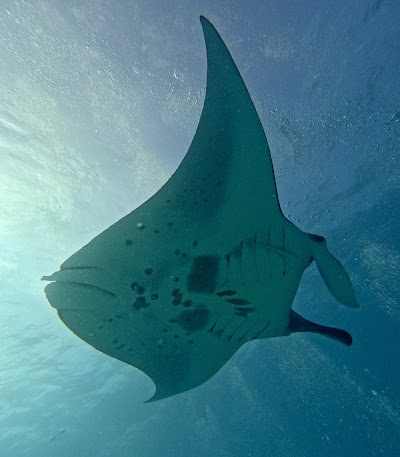
Manta Point off Rasdhoo is a cleaning station where mantas hang in the shallows while small fish pick them clean, sometimes meters from your mask. It's essentially a spa for mantas: they queue up, the cleaner fish work, and you're watching maintenance, not a miracle flyby.
First light is the tradeoff: coldest, earliest start of the trip, and the only window with glassy water and an empty horizon. Book ahead with a local dive shop, hover at the surface, stay off the reef, and let the mantas loop their own circuit around you.
Tip: Snorkel Rasdhoo's shallow cleaning station where manta rays circle within metres of you; book with a local dive shop in advance and arrive at first light, when the sea is calmest and boats are few.
Sea of Stars
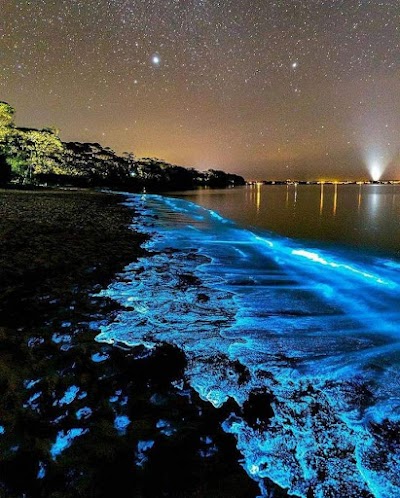
And then the finale: the Sea of Stars, a shoreline where the waves and even your footprints glow electric blue. It's living plankton that lights up when disturbed, the ocean's motion-activated lighting, and it made this beach famous online.
The honest part: you can book the boat, not the glow; dark, moonless nights after windy days are the play, and some nights just don't fire. Have your hotel arrange the evening transfer, arrive before sunset, and stay a full hour after dark, because that's when the blue burns hardest.
Tip: Bioluminescence peaks on dark nights after windy days, so ask your hotel to prebook an evening boat taxi to this glowing shoreline; arrive before sunset and stay an hour after dark for the strongest blue plankton glow.
What to book ahead
- Reserve overwater villa at Four Seasons Landaa Giraavaru (3-6 months ahead) - Winter dates sell out earliest; confirm the seaplane bundle at the same time.
- Book seaplane transfers with villa booking (With villa reservation) - Seaplanes fly daylight hours only; land in Malé before 3pm to make same-day connections.
- Reserve Hanifaru Bay licensed-guide snorkel permit (2-4 weeks ahead) - Bay entries are ranger-capped daily; resorts and local operators hold a limited quota.
- Prebook Dhigurah whale-shark dawn safari (1-2 weeks ahead) - Ask for a PADI-certified operator and a 6:30am jetty departure for calm water.
- Book Rasdhoo morning manta snorkel and Vaadhoo evening boat (1 week ahead) - Pair both Day 4 stops with one operator if possible; confirm moon phase for the glow.
- Confirm late-night departure flight and day-use logistics (At booking) - Request late checkout or a day room so you can shower between the beach glow and your flight.
What to pack
Essentials
- Reef-safe sunscreen - Protects coral lagoons at Hanifaru Bay and snorkel sites; standard formulas are banned in many Maldivian marine parks.
- Rash guard and swim leggings - Long hours in the water on manta and whale-shark safaris; also covers shoulders for mosque visits on local islands.
- Dry bag - Keeps passports and electronics safe on speedboats, seaplanes, and dhoni transfers between atolls.
- Water shoes - Protects feet on reef flats, sandbank shells, and concrete swim ladders.
- Soft duffel under 20kg - Seaplane weight and luggage-shape limits are strict in high season; hard shells often get left behind.
Nice to have
- Underwater camera or GoPro - Capture mantas, whale sharks, and bioluminescence without renting gear at resort prices.
- Motion-sickness tablets - Open-channel boat rides to dive sites can chop up quickly in winter trade winds.
- Light scarf or sarong - Modesty cover for Malé mosques and quick shade on ferries.
- Portable star-trail phone mount - Long-exposure apps help shoot the Sea of Stars glow on moonless nights.
Final take
That's the Maldives trick: you fly out for the overwater fantasy, and what actually stays with you is the water, glowing on its own schedule.
Plan this trip
Turn this guide into an editable trip plan
Open the route in Instaboard, adjust the stops, and share the itinerary with your travel group.