Travel Guide
Manila in 3 Days: Intramuros, Binondo Food Crawl & Bay Sunsets (Cool-Season Itinerary)
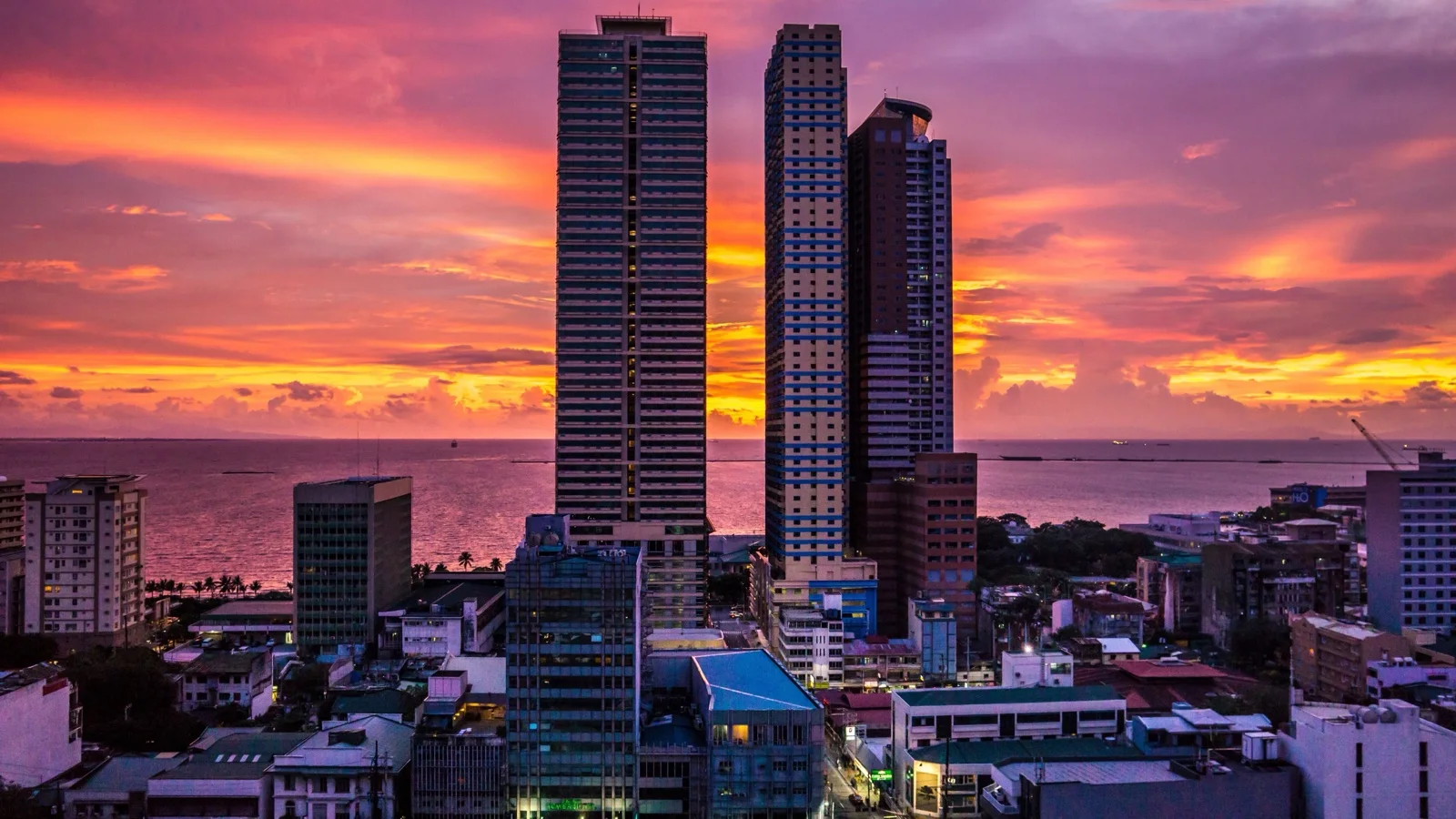
Want the editable version of this route?
Open the Instaboard template and adapt stops, timing, and notes to fit your trip.
Manila gives you a Spanish-walled old town, a Chinatown that claims to be the world's oldest, and dumplings with a genuine cult following. Three days gets you the fort, the food crawl, and one painting worth flying for. Get the timing wrong and the queues eat the weekend.
December to February is Manila's cool dry season: lower humidity, barely any rain, and golden late-afternoon light the old walls were built for.
Day 1
Start inside Intramuros, the walled quarter where Spanish Manila actually lived. It is the densest history walk in the city, and it ends on the ramparts at sunset.
Fort Santiago
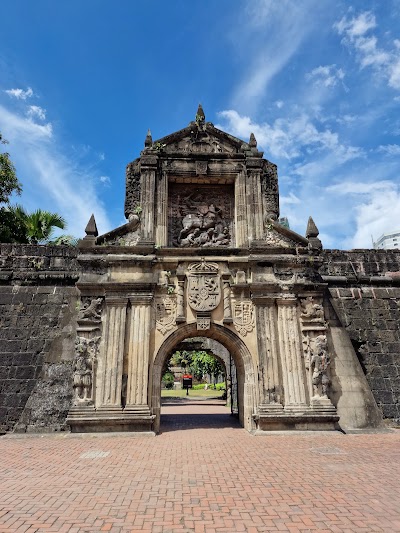
Fort Santiago is the postcard of Spanish Manila: a riverside citadel at the mouth of the Pasig, all thick volcanic stone and moat-green lawn. José Rizal, the country's national hero, spent his last night here before his 1896 execution, and his final footsteps are marked in brass on the pavement.
A Spanish fort guarding a Chinese-Filipino trading city, in an American-named archipelago. Manila layers like that, and the layers are thickest right here.
Be at the gate for the 8am opening. Tour buses land mid-morning, and the dungeons and Rizal Shrine go single-file fast.
Tip: Arrive at the gate for the 8am opening to beat the tour bus crowds. Buy your entry ticket on-site with cash or card, and budget two unhurried hours for the Rizal Shrine, dungeons, and riverside ramparts.
Archdiocesan Shrine of Nuestra Señora de la Consolación y Correa - San Agustín Church
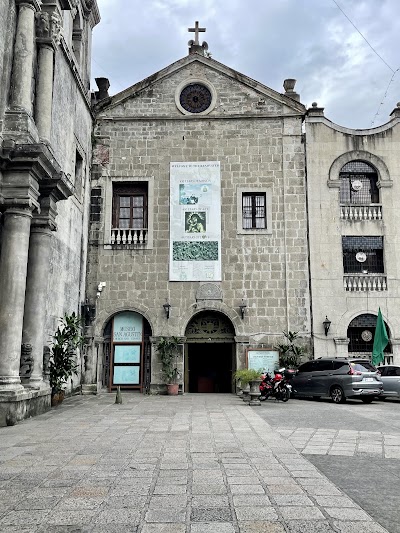
San Agustín is the oldest stone church in the Philippines, and the only major church in Intramuros that came through the 1945 destruction of Manila standing. Everything around it was rubble; this building held. Stand inside and that one fact reframes the whole district.
Look up: that carved ceiling is flat paint, trompe-l'oeil so committed it's basically a painting of carvings that were never carved.
It follows the fort because it's five minutes on foot and covers the religious half of the story. Check hours first; Masses sometimes close the nave.
Tip: Confirm opening hours before you go since Masses can close parts of the nave. A small cash ticket covers both the UNESCO-listed church and the atmospheric two-storey museum of religious art, and modest dress is expected.
Manila Intramuros Historical Walls
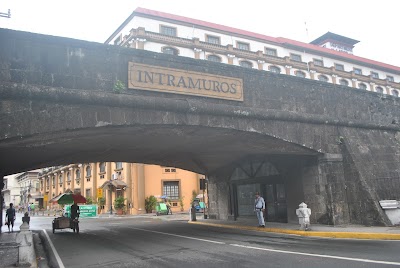
The Intramuros walls are why old Manila exists at all: they fenced the entire Spanish city, and today you can walk right along the top. Down in the old moat, golfers now play a fairway, a very Manila plot twist you can see straight from the ramparts.
Time it an hour before sunset. Dry-season air, low gold sun, Manila Bay on one side and the river sliding by on the other.
Locals jog and couples claim the sunset spots. Honestly, this hour up on the stone is the best in the whole city.
Tip: Walk the ramparts starting about an hour before sunset for golden light over Manila Bay and the Pasig River. Bring a light layer, because the sea breeze cools quickly once the sun drops.
Day 2
Today crosses the river into Binondo, holder of the world's oldest Chinatown claim: one striking church plaza, one gloriously chaotic street, and a dumpling stop people queue for.
Minor Basilica and National Shrine of St Lorenzo Ruiz ( Binondo Church)
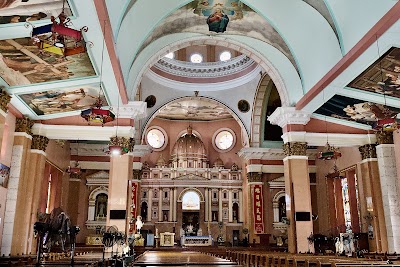
Binondo Church is the neighborhood's most prominent building, and it's a Catholic basilica, which is the whole Manila thesis in one photo.
The parish dates to the Spanish era, built for Chinese Christian converts just across the river from the walls. The fusion is in the stone.
It's named for Lorenzo Ruiz, who trained in this parish and became the Philippines' first saint: a neighborhood local made good, canonically speaking. Come before 9am, when the morning light is kindest to that octagonal dome and the Mass crowd thins right after each service.
Tip: Start at the plaza gate before 9am when morning light hits the striking octagonal dome. The Mass crowd thins right after each service, making it easier to photograph the façade.
Ongpin Street
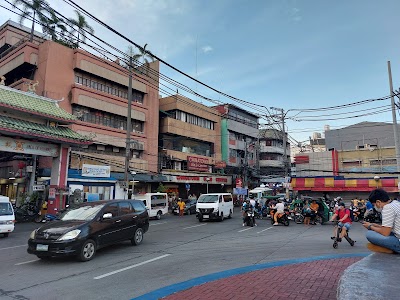
Ongpin Street is Chinatown at full volume: gold shops, herb stalls, lucky charms, espresso, and dumplings competing for the same fifty meters. Red and gold signage stacked three stories, roast duck in windows, bins of dried things you can't identify, and that's just block one.
A lucky cat shop beside an espresso bar beside a herbalist. The street does its own genre-collage, and somehow it hangs together.
This is the spine of the day because it runs from the church plaza to the food stops. Walk it end to end, and carry small bills; vendors are cash-only.
Tip: Walk the street end to end, ducking into lucky charm shops, espresso bars, and herb stalls. Carry small bills, since most hole-in-the-wall vendors don't take card.
Dong Bei Dumplings
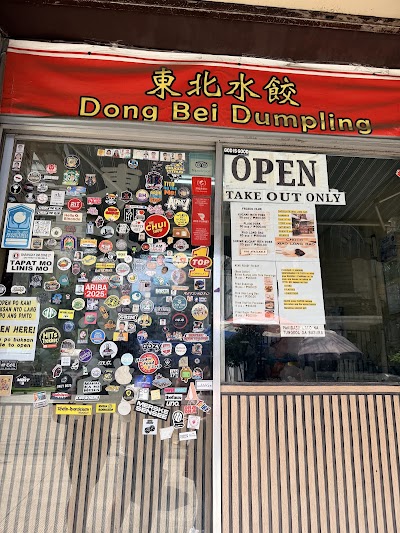
Dong Bei Dumplings is the crawl's cult stop: a tiny room where cooks hand-pull noodles and fold dumplings in full view, nowhere to hide. It's northeastern Chinese cooking in the middle of Manila's Chinatown, a regional pocket most visitors never realize exists here.
Slapping dough, flashing knives, steam off the bamboo. The wait doubles as the best show on the street.
Go before noon or after 1:30. The lunch queue is the only real obstacle, and eating slightly off-schedule skips it entirely.
Tip: Arrive before noon or after 1:30pm to dodge the lunch queue; the tiny room fills fast. While you wait, watch the cooks hand-pull noodles and fold dumplings in full view.
Day 3
The last day goes big, then quiet: one enormous painting, the park where a hero's story ends, and a former cemetery turned garden.
National Museum of Fine Arts

The National Museum of Fine Arts holds the country's masterworks under one free roof, and it has a genuine centerpiece: Juan Luna's Spoliarium. The canvas is so enormous the room feels built around it, because it was, and you can hear people go quiet in front of it.
A Filipino painter took top honors in 19th-century Madrid, then the painting came home to tower over Manila. Nationalism, told in oil.
Entry is free but the timed slots book out, so reserve online early. Bring that thin layer; the air-conditioning is genuinely fierce.
Tip: Reserve timed entry online in advance since weekend slots book out. Arrive at the 10am opening to see the Spoliarium before the crowd builds and gallery lines lengthen.
Rizal Park
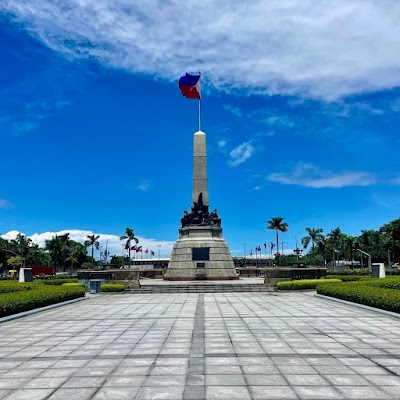
Rizal Park is the country's front lawn: a martyr's execution ground turned into gardens where protests, picnics, and state protocol share the grass. Rizal was executed here in 1896, so the brass footsteps you followed at Fort Santiago end on this lawn. The story closes full circle.
Families and joggers own the place; tourists cluster only at the monument, where the honor guard changes with sudden formality.
It's steps from the museum, so enter there and walk to the monument. The park is long, not deep, and the midday sun is real.
Tip: Walk over from the museum complex through the gardens to the Rizal Monument. The open lawns get hot by early afternoon, so carry water and a hat, then recharge on shaded benches near the central fountain.
Paco Park
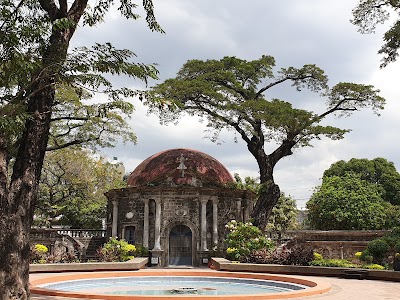
Paco Park is a small walled circle of green that used to be a cemetery, and has fully committed to the career change. Rizal was buried here in an unmarked grave after his execution, the quietest chapter of the thread running through your whole trip.
Stone niches gone green, doves trading places with traffic noise: the particular stillness only old walls in a loud city can pull off.
It closes earlier than you'd guess, so confirm the gate hours. If a Friday open-air concert is on, rearrange the day around it.
Tip: Take a quick taxi from Rizal Park and double-check gate hours. The walled former cemetery hosts open-air classical concerts some Friday evenings, a calm green pause away from the city crowd.
What to book ahead
- Reserve Barbara's Heritage Restaurant dinner show (1-2 weeks before the trip) - Weekend cultural show slots fill fastest; confirm the 6:30pm arrival window.
- Reserve timed entry for National Museum of Fine Arts (3-7 days before the trip) - Admission is free but online timed slots book out on weekends; secure the 10am opening slot.
- Prebook Bambike Ecotours (if swapping in) (3-5 days before the trip) - Morning bamboo-bike slots sell out on weekends.
- Arrange Grab airport and Makati transfers (Day before each transfer) - Book the Day 3 Makati ride before evening rush hour peaks.
What to pack
Essentials
- Comfortable walking shoes - Cobblestones and long food-crawl days on foot across Intramuros and Binondo.
- Small cash bills - Hole-in-the-wall eateries, jeepney fares, and market vendors rarely take card.
- Sun protection (hat, sunscreen) - Open plazas and the Baywalk get intense midday and late-afternoon sun even in winter.
- Light layer - Air-conditioned museums plus the cool evening bay breeze on the ramparts.
- Refillable water bottle - Humid walking days; stay hydrated between museums and food stops.
Nice to have
- Compact umbrella - Dry season is reliable, but a brief shower can still pop up.
- Power bank - Navigation and photo-heavy days outlast many phone batteries.
- Modest shawl or cover-up - Required for entry into churches and shrine interiors.
Final take
Three days in, Manila stops being a stopover. The fort, the painting, and the dumplings all belong to one story by now.
Plan this trip
Turn this guide into an editable trip plan
Open the route in Instaboard, adjust the stops, and share the itinerary with your travel group.