Travel Guide
Matsue & Izumo in 3 Days: Castles, Shrines & Lake Sunsets
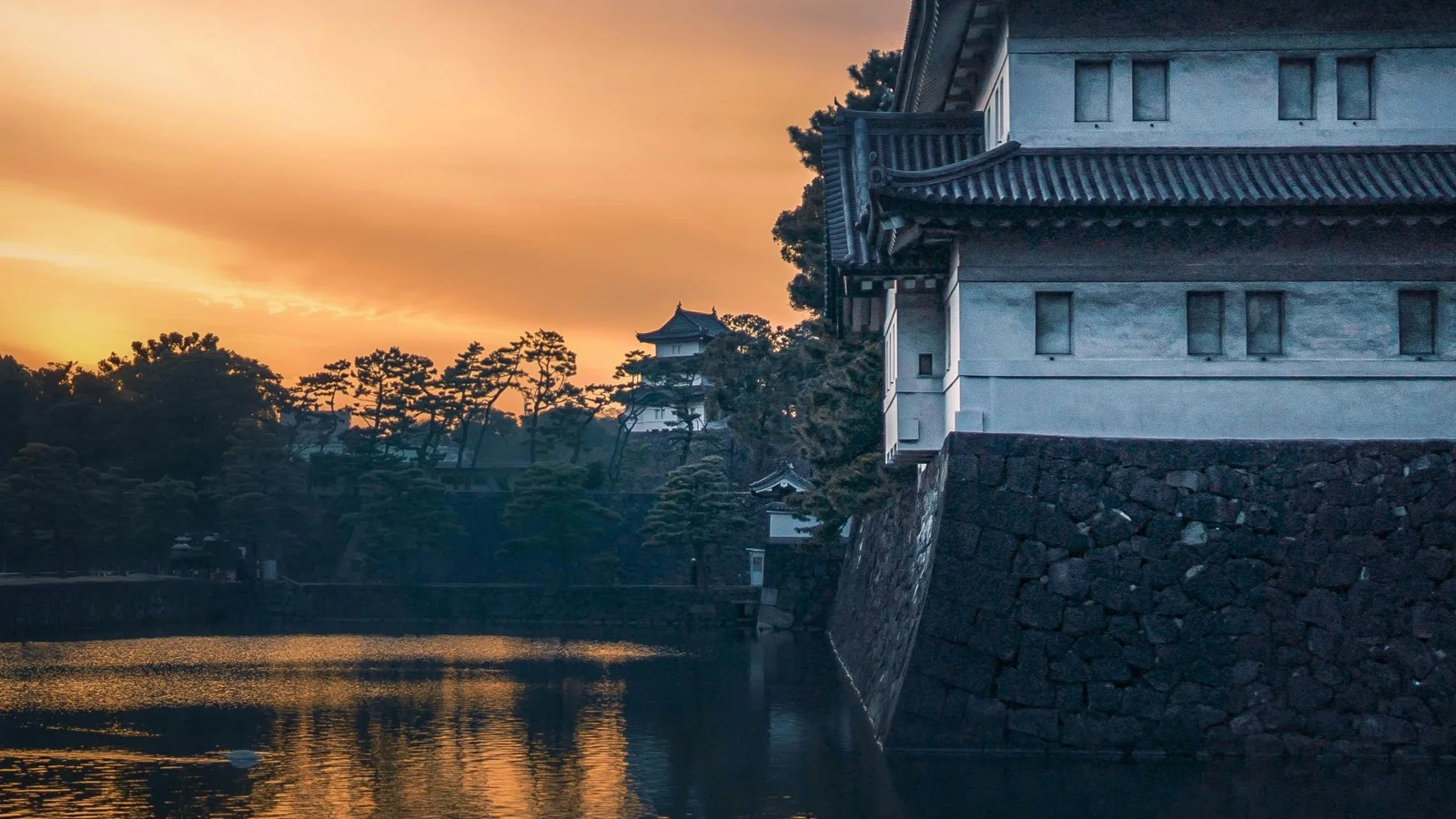
Want the editable version of this route?
Open the Instaboard template and adapt stops, timing, and notes to fit your trip.
There's a corner of Japan with an original castle, a shrine where gods hold their annual summit, and a samurai street with zero souvenir shops. The catch is that Matsue and Izumo barely show up in standard itineraries, so you're probably building this one from scratch.
Late March through mid-April, cherry blossoms frame the castle moats and samurai district in pink, and the walking temperatures are basically perfect.
Day 1
Day one stays in Matsue's castle district: a real 400-year-old keep, a samurai street, and a boat ride through the moats that ties it together.
Matsue Castle
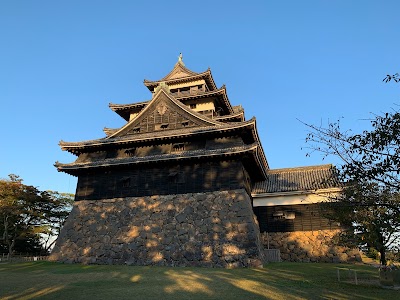
Matsue Castle is one of only twelve in Japan with its original wooden keep still intact, built in 1611 and never destroyed. The smell of old timber hits you at the door, and the staircases are so steep you haul yourself up using rope handrails.
Almost every famous castle in Japan is a concrete replica that visitors climb without knowing. This one is the genuine article, and it knows it. Go early because the unventilated keep turns into a sauna by afternoon, and those polished-wood stairs demand shoes with actual grip.
Tip: Arrive before 10 AM to beat the crowds and climb the original wooden stairs to the top-floor observation deck for panoramic views of the city and lake.
Shiomi Nawate
Five minutes from the castle, Shiomi Nawate is a 200-meter street of earthen walls and restored samurai homes. No mascots, no gift shops. Lafcadio Hearn, the writer who basically introduced Japan to the West in the 1890s, lived on this street and made Matsue famous.
Packed earth underfoot, shade from overgrown pines, and the particular silence of thick walls blocking the modern city behind them. Step inside the Hearn residence because it grounds the street in a real person's story, and walk slowly because that's the whole point.
Tip: Walk the shaded samurai street at a gentle pace and step inside restored residences. The Lafcadio Hearn Memorial is a highlight along the way.
Horikawa Sightseeing Boat - Fureai Hiroba Dock
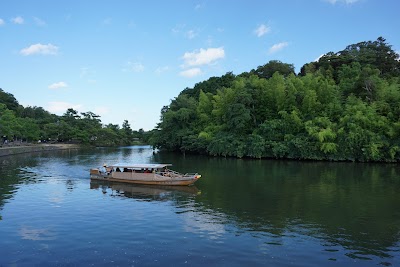
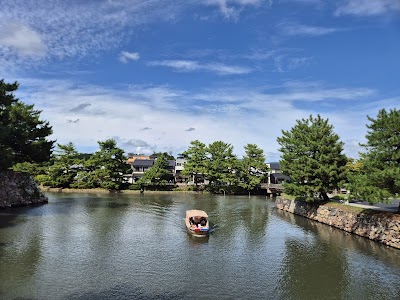
The Horikawa sightseeing boat puts you inside the castle's original defensive moats: a 50-minute float through 400-year-old infrastructure. The stone bridges are low enough that passengers duck in unison, or the boat roof drops. Part canal tour, part limbo contest.
Doing this after the castle and samurai street works because you see the same area from the water and the geometry finally clicks. Sit on the right side for the castle views. The narration is in Japanese, but the scenery needs no translation.
Tip: Buy your ticket at the Fureai Hiroba Dock kiosk and enjoy the 50-minute cruise through castle moats under historic stone bridges.
Day 2
Day two shifts to Izumo: Japan's oldest Shinto shrine, the museum that explains it, and a beach where the mythology plays out at sunset.
Izumo Ōyashiro (Izumo Taisha)
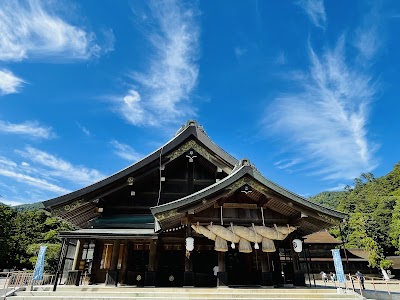
Izumo Taisha is where, in Shinto tradition, every deity in Japan gathers once a year for a divine summit, the spiritual capital of the country. The shimenawa rope hanging at the main hall is enormous, several meters long, thick as a tree trunk, and almost hypnotic.
This isn't tourist hype. The Kojiki, Japan's earliest written record from 712 CE, names this as a shrine of supreme importance. The main hall sits behind fences you can't enter, which is normal for important shrines. The power is in the approach, the gravel, the scale.
Tip: Pass through the main gate and admire the massive shimenawa rope. Visit in the morning for a quieter experience at Japan's most important shrine.
Shimane Museum of Ancient Izumo
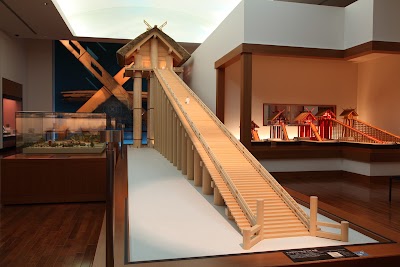
Right next to the shrine, this museum is the decoder ring: bronze artifacts, excavation finds, and a model of what Izumo Taisha probably looked like. Evidence suggests the original shrine stood around 48 meters tall, which would've made it the tallest wooden structure in Japan at the time.
Visit the shrine first because the reconstruction model here hits differently once you've stood in front of the real thing and felt small. Check opening hours before you go. The museum keeps shorter days than most attractions, and the gift shop takes cash only.
Tip: Reserve at least 90 minutes to explore the bronze artifacts and shrine reconstruction models. The gift shop accepts cash only.
Inasa Beach
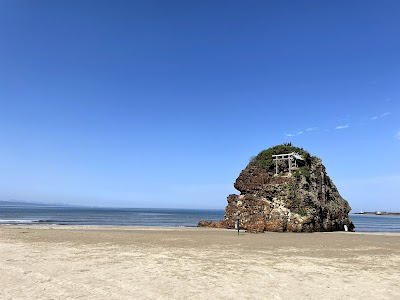
A short walk from the museum, Inasa Beach stretches out in front of Izumo Taisha, where tradition says the kami come ashore. This isn't a swimming beach. It's ceremonial ground, with a tiny island and torii gate just offshore that photographs like a movie poster.
Open sky, surf, and the silhouette of that torii against the sunset. The horizon here is wide and completely uninterrupted. Show up 30 minutes before sunset with the Bentenjima torii in your foreground, and bring a layer because the wind off the water is real.
Tip: Arrive before sunset to witness the sacred shoreline where kami gather, with Izumo Taisha's silhouette visible across the water.
Day 3
Day three is about looking carefully: the country's best garden, a lake famous for its sunset, and a tea house built for the view.
Adachi Museum of Art
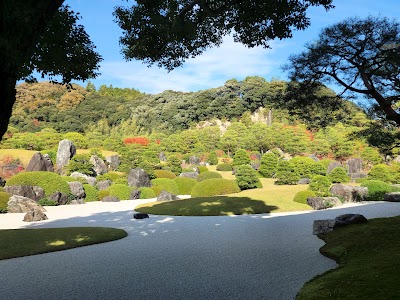
The Adachi Museum of Art, in nearby Yasugi, has held the title of best Japanese garden in the country for over twenty straight years. You can't set foot in it. You view the garden through floor-to-ceiling gallery windows, landscape design presented as a living painting.
The contrast between silent, climate-controlled galleries and the wild green garden visible through glass is disorienting in exactly the right way. Book ahead because the museum hits capacity on weekends, and don't skip the Nihonga paintings. They were collected to match the garden's philosophy.
Tip: Book tickets in advance to guarantee entry to the award-winning garden. The continuous view from gallery windows is unforgettable.
Lake Shinji
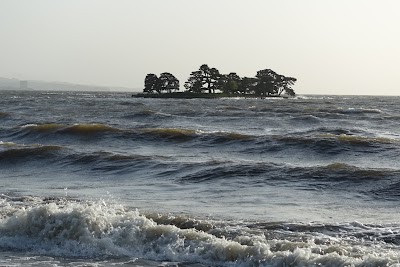
Back in Matsue, Lake Shinji produces one of Japan's best sunsets and the clams in basically every bowl of miso soup in town. Lafcadio Hearn described this lake with enough romantic attachment to make Matsue a literary destination, and the sunset view is essentially unchanged.
Flat water catching orange light, a lakeside torii silhouette, and locals who show up every evening because the sunset still works after hundreds of viewings. Check the weather before committing. Cloud cover turns this from Japan's best sunset into a gray lake, which is just a gray lake.
Tip: Walk the lakeside promenade near sunset for one of Japan's most celebrated golden-hour views over the brackish waters and distant hills.
Meimei-an Teahouse
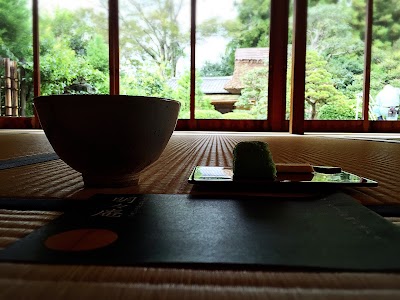
Perched on a hill above the lake, Meimei-an is an Edo-period tea house built by a lord who picked this spot for the view. Matcha and seasonal wagashi, tatami under your knees, and a panoramic lake view framed by wooden window posts. The composition is 400 years old.
You come up here after the lakeside walk because the tea house gives you that same view, composed and elevated. Three days distilled into one room. The wagashi sells out later in the day, so come mid-afternoon. Shoes off at the door, and chairs are available if tatami seating isn't happening.
Tip: Warm up with matcha and wagashi on the hilltop terrace overlooking the lake. Weekends can draw a line, so visit mid-afternoon if possible.
What to book ahead
- Reserve Adachi Museum of Art tickets (2 weeks before) - Timed entry slots sell out, especially on weekends in spring
- Book Horikawa boat cruise tickets (Day of, morning) - Buy at the dock kiosk; boats depart every 30 minutes
- Check Izumo Taisha event calendar (1 week before) - Special rituals and closures may affect access to inner shrine areas
- Arrange transport to Yasugi (Adachi Museum) (1 week before) - JR train from Matsue to Yasugi takes ~20 min; free shuttle bus from station to museum
What to pack
Essentials
- Comfortable walking shoes - Castle stairs and samurai streets require significant walking on uneven surfaces
- Light jacket or cardigan - Spring mornings and evenings can be cool, especially near the lake and coast
- Cash in yen - Many smaller shrines, local restaurants, and gift shops do not accept cards
Nice to have
- Compact umbrella - Spring showers are common in the San'in region
- Camera with zoom lens - Capturing sunset over Lake Shinji and the castle from the observation deck
- Pocket tissue pack - Some public restrooms in rural areas may not supply toilet paper
Final take
Matsue and Izumo are Japan without the performance: original wood, living mythology, and a pace that lets you actually see what's in front of you.
Plan this trip
Turn this guide into an editable trip plan
Open the route in Instaboard, adjust the stops, and share the itinerary with your travel group.