Travel Guide
Matsumoto in 3 Days: Castles, Wasabi Farms & the Japanese Alps
Want the editable version of this route?
Open the Instaboard template and adapt stops, timing, and notes to fit your trip.
Matsumoto sits in the Nagano highlands with a 400-year-old black castle, an alpine valley that bans cars, and almost none of the international crowds you'd expect. Three days gets you a castle town, wasabi fields, and a river valley in the Alps, if you know the order that makes sense.
Matsumoto sits at the gateway to the Northern Alps, so the city handles castle-town history and mountain scenery equally well. Each season changes the palette entirely.
Day 1
Day one stays in the castle town: a 400-year-old keep, a frog-obsessed market alley, and merchant storehouses that outlasted everything.
Matsumoto Castle
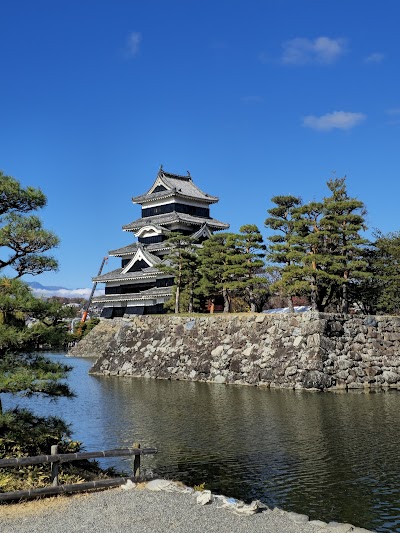
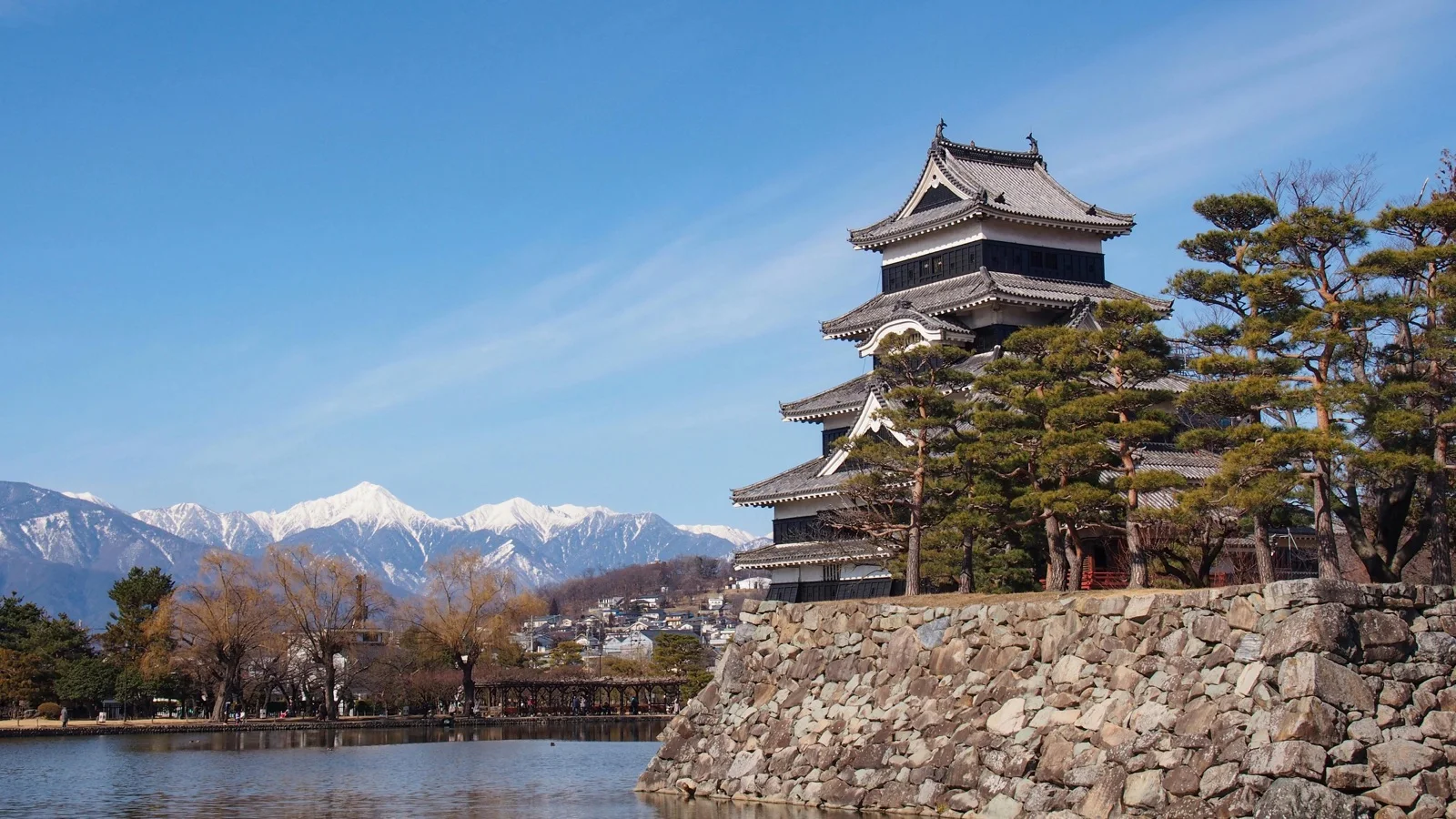
Matsumoto Castle is one of only twelve original keeps left in Japan, the actual 400-year-old wood, and it's a National Treasure. The Meiji government nearly demolished it in the 1870s, and later it started tilting until a decade of repairs fixed what some blamed on a curse.
Inside, you climb steep ladder-like stairs in your socks while the smell of old cedar follows you up through dim, narrow wooden floors. Go in the morning, when the moat is calmest, the light hits the black lacquer best, and you beat the tour buses that cram those staircases.
Tip: Arrive early to beat the crowds at this National Treasure. Buy your ticket at the moat-side booth and wear slip-off shoes, since you remove them at the entry gate before climbing the steep wooden staircases.
Nawate Shopping Street
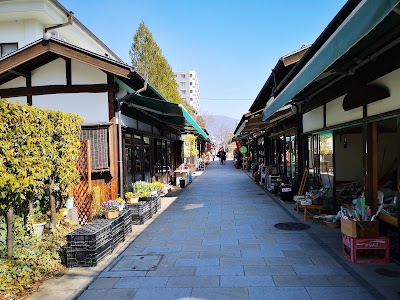
Past the castle moat, Nawate is a thin market alley from the 1500s that is now, somewhat inexplicably, devoted to frogs. Real frogs lived here until a 1959 typhoon drove them off, so locals built ceramic replacements and a shrine because 'kaeru' means both frog and to return.
You'll smell the taiyaki before you see the stalls, with vendors competing for foot traffic and the Metoba River running right behind the shops. Bring cash since most vendors don't take cards, and don't expect a long visit: this is a snack-and-stroll you walk end to end in five minutes.
Tip: Walk from the castle along this alley lined with taiyaki vendors and antique shops, grab a warm snack, and browse frog-themed souvenirs. Most shops accept cash only, so withdraw yen in advance.
Nakamachi Shopping Street Promotion Association
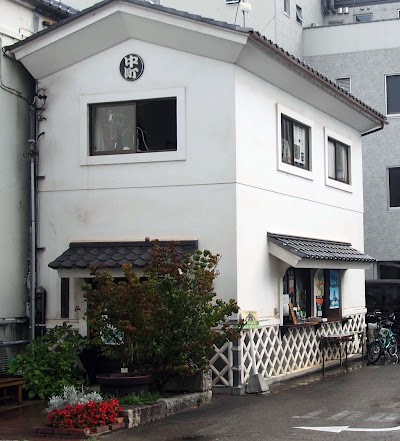
A few minutes from Nawate, Nakamachi is a row of Edo-period kura, thick-walled white storehouses with black lattice fronts that merchants built to survive fires. Matsumoto has an unusually high concentration of these because it sat on a major pilgrimage route, so commerce flowed through and merchants needed fireproof storage.
Late-afternoon light on those white walls is the shot, and the brewery taproom inside one of the storehouses is where the street comes alive. Many shops close by five and some take random days off, so start no later than mid-afternoon or you'll find half the street shuttered.
Tip: Explore the white-walled kura storehouses housing craft boutiques and the Matsumoto Brewery taproom. Many shops close by 5 pm, so visit by mid-afternoon and reserve a brewery table on weekends.
Day 2
Day two heads into the Azumino valley: wasabi fields fed by alpine spring water in the morning, glassblowing with mountain views in the afternoon.
Daio Wasabi Farm
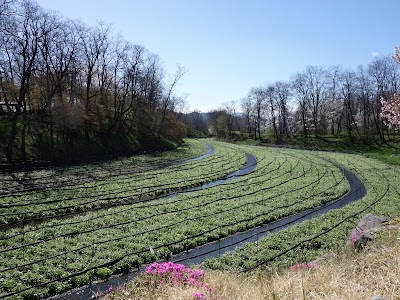
Most wasabi outside Japan is just horseradish with food coloring. Daio Farm is fifteen hectares of the real thing, growing in gravel beds fed by alpine spring water that wasabi requires: constantly flowing, very clean, very cold.
Akira Kurosawa filmed scenes here for Dreams in 1990, and the watermills built for the movie still stand. The farm is free to walk, so try the wasabi ice cream (more vanilla than punishing), and if you come by train, rental bikes at Hotaka Station make for a pleasant ride through the valley.
Tip: Take the bus from Matsumoto Station to explore terraced wasabi fields watered by crystal-clear springs. Book a farm tour online in advance, and don't miss the wasabi ice cream at the entrance.
Azumino Art Hills Museum
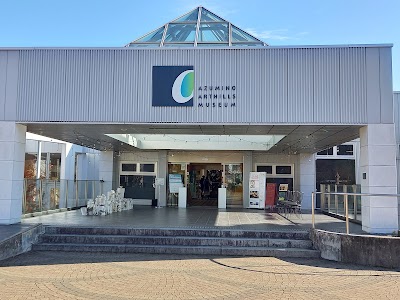
Planted in rice paddies with Alps-facing windows, this museum shows Emile Galle glasswork and has a working furnace where you can blow your own glass. Someone decided this farming valley needed a French Art Nouveau glass collection and a hands-on furnace, and they were right: the peaks fill every window.
The furnace heat hits you walking into the workshop, and the contrast between molten glass and snow-capped peaks through those windows is hard to beat. Book the glassblowing ahead because weekend slots fill, and finished pieces cool overnight so you pick up later or have it shipped.
Tip: Arrive mid-morning to try glassblowing in the workshop with Northern Alps views through the floor-to-ceiling windows. Reserve your session in advance, as weekend slots fill quickly.
Day 3
Day three is the payoff: a flat alpine valley where cars are banned, followed by a hot spring that predates most of the buildings you've seen.
Kamikōchi
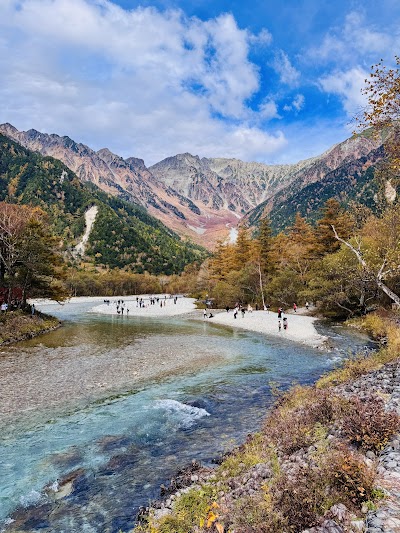
Kamikochi is a flat valley at 1,500 meters with 3,000-meter peaks on both sides, and the only way in is bus because cars are banned in this national park. Taisho Pond formed in 1915 when a volcano dammed the river, and dead trees still stand in the water, reflected with mountains behind them.
The river is transparent, every rock on the bottom visible, and the main trail is flat and paved so you don't need to be a hiker. Book the bus the night before because the first departure fills fastest, and the last bus back is your hard deadline: miss it and you're staying overnight.
Tip: Prebook your bus ticket from Matsumoto Station the evening before, as the first morning departure fills fast in peak season. Layer clothing because mountain temperatures drop even in summer, and bring cash for the park entry.
Asama Onsen
Asama Onsen has been running for 400 years on the edge of Matsumoto, and the same castle lords who built the castle soaked in these baths. Their exclusive bathhouse is now Hot Plaza Asama, a walk-in municipal facility that is a neighborhood bath, not a tourist production.
Sulfur-tinged water, steam off an outdoor bath, cold air on your face: in colder months, this is the onsen experience everyone describes. Hot Plaza is walk-in with no reservation, but some bathhouses close by eight, so after Kamikochi a taxi from the station is the path of least resistance.
Tip: Soak in therapeutic hot-spring baths after a full day of hiking. Take a taxi from central Matsumoto if you're too tired for the local bus, and check opening hours as some bathhouses close by 8 pm.
What to book ahead
- Reserve Kamikōchi bus tickets (1-2 days before) - Book the morning Alpico bus from Matsumoto Station; first departures fill up in peak summer
- Check Kamikōchi seasonal opening (Before trip planning) - Kamikōchi is closed mid-November to mid-April; confirm dates on the official site
- Reserve ryokan or onsen with day-bath option (3-5 days before) - Asama Onsen ryokan day-bathing may require advance reservation
- Book Azumino Art Hills glassblowing session (1 week before) - Weekend glassblowing workshop slots are limited; reserve online via their website
What to pack
Essentials
- Comfortable walking shoes (slip-off friendly) - You'll remove shoes at Matsumoto Castle and shrine interiors
- Day pack (20-30 L) - Essential for Kamikōchi day — carry layers, water, and snacks
- Light rain jacket - Mountain weather changes quickly; Kamikōchi trails can get sudden showers
- Cash (Japanese yen) - Many street vendors, smaller shops, and onsen accept cash only
Nice to have
- Layered fleece or light down jacket - Kamikōchi mornings can be chilly even in summer; useful year-round in the Alps
- Towel (small) for onsen - Asama Onsen bathhouses may rent towels, but bringing your own saves money
- Portable charger - Long days in Kamikōchi with heavy photo use drain batteries fast
Final take
From a black castle keep to an alpine valley and a hot spring older than most countries, Matsumoto is a small city that rewards slowing down.
Plan this trip
Turn this guide into an editable trip plan
Open the route in Instaboard, adjust the stops, and share the itinerary with your travel group.