Travel Guide
Matsuyama 3-Day Itinerary: Onsen, Castle & Hidden Temples
Want the editable version of this route?
Open the Instaboard template and adapt stops, timing, and notes to fit your trip.
Matsuyama is the kind of city where you soak in a 3,000-year-old bathhouse, climb to an original samurai castle, and end the night under illuminated cherry blossoms. Three days gets you the onsen, the history, and a temple you reach through a cave, but bad timing turns all of that into crowds and missed blooms.
Spring here means mid-April cherry blossoms, 15-to-20-degree days, and evenings cool enough that you will actually want that post-onsen soak to warm you up.
Day 1
Day one stays in the Dogo neighborhood: ancient bathhouse, covered shopping arcade, and cherry trees glowing on a castle ruin after dark.
Dogo Onsen Main Building
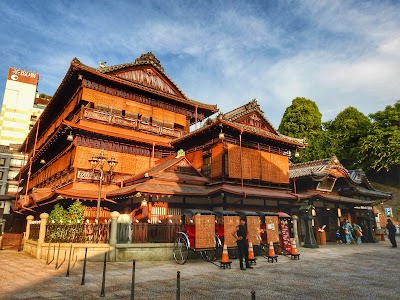
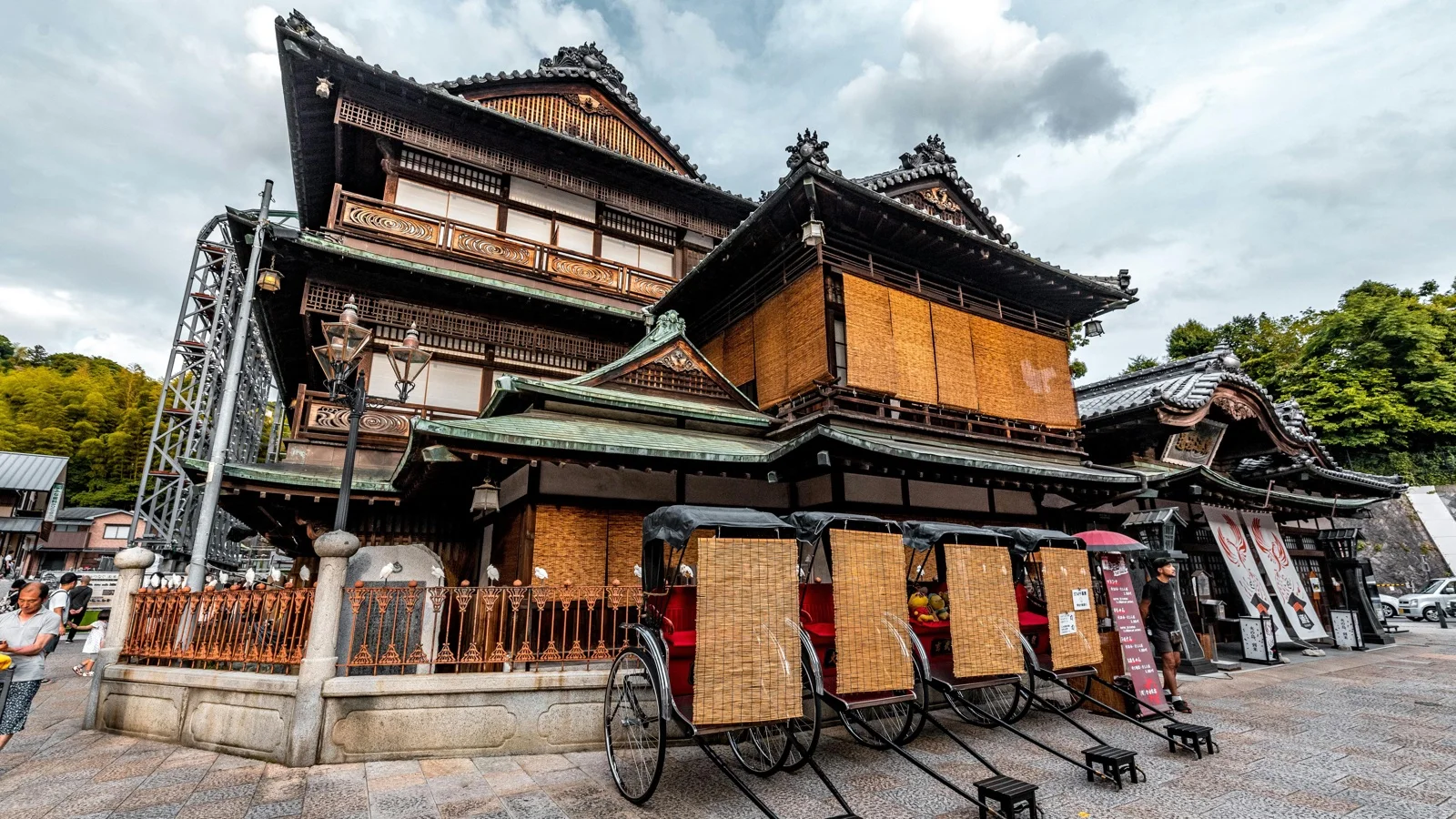
Dogo Onsen Honkan is Japan's oldest bathhouse. Three thousand years of emperors, poets, and animated spirits soaking in the same hot-spring water. The building itself is the draw: wooden corridors, creaking floors, steam drifting through hallways, and a layout that genuinely feels like walking into Spirited Away.
There are two baths. Kami-no-Yu gets crowded; Tama-no-Yu stays calmer, and paying extra for the quiet version is worth it. Get here at opening because tour buses show up by mid-morning, and queuing naked for your heritage soak is not the vibe.
Tip: Arrive at opening to beat the queue; book the Tama-no-Yu bath in advance for the full Spirited Away experience without the crowds.
Dogo Shopping Street (Dogo Haikara Avenue)
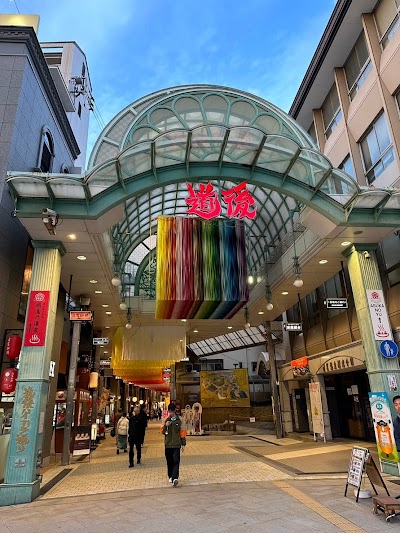
Dogo Haikara Avenue is the covered arcade you will walk through anyway. It connects the station to the bathhouse, so you might as well slow down. This is where you try botchan dango, tri-colored rice dumplings named after a Natsume Soseki novel set here. Literary snacking is a real thing in Matsuyama.
The arcade means weather-proof wandering: mochi smells, ryokan guests in slippers, locals picking up Ehime's famous mikan citrus juice. Afternoon is the time. You are post-soak, pre-dinner, and not fighting morning tour groups rushing to the onsen entrance.
Tip: Walk the covered arcade in the afternoon sampling botchan dango and browsing traditional craft shops at a relaxed pace.
Dogo Park
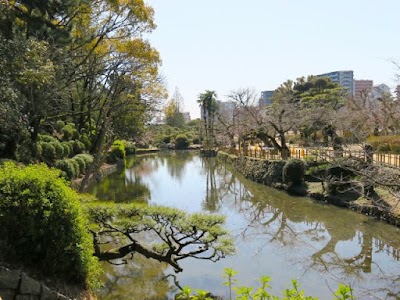
Dogo Park sits on the ruins of Yuzuki Castle from the 14th century, but you are here because two hundred cherry trees bloom across the old moats and ramparts. The defensive earthworks still frame the grounds, but now they hold sakura instead of soldiers. Strange and beautiful reuse.
Come at sunset during illumination season and the trees glow until ten, with a crowd hush that is rare in Japan. You are walking distance from the onsen, so this becomes your evening payoff: soak, snack, then cherry blossoms in the dark.
Tip: Visit at sunset during cherry blossom season when over 200 sakura trees are illuminated; bring a light layer for cool evenings.
Day 2
Day two climbs a mountain. You are taking a chairlift to one of only twelve original castle keeps left in Japan, then decompressing in a free garden below.
Chojyaganaru Station
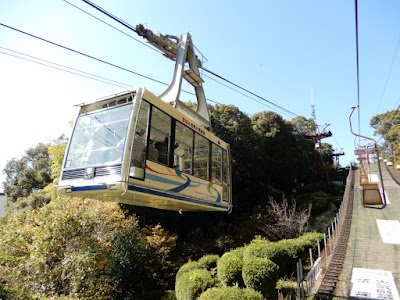
Chojyaganaru Station is not the destination. It is the lift terminal that gets you up to Matsuyama Castle, and the ride is half the fun. Choose between an enclosed ropeway or an open-air chairlift; the chairlift takes longer but gives you wind on your face and unobstructed views of the city spreading below.
Cherry trees line the approach road in spring, so even the ascent is scenic. You are taking a ski-lift to a 400-year-old castle, which is exactly the kind of juxtaposition Japan does well. Get here early because the lift is the bottleneck. Lines form by mid-morning, especially on weekends and during cherry blossom season.
Tip: Take the open-air chairlift for the best views; arrive early on weekends to avoid the longest lines at the ropeway.
Matsuyama Castle
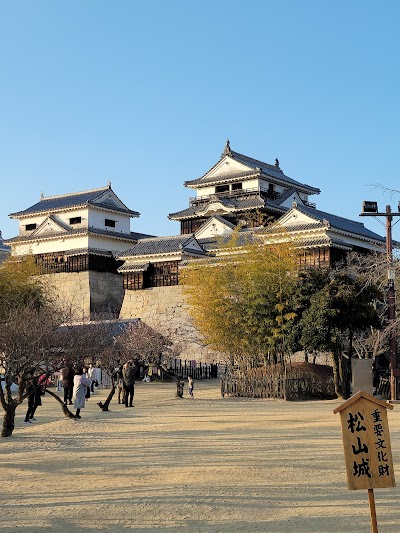
Matsuyama Castle is one of only twelve Japanese castles that survived wars and modernization with its original keep intact. The wood and stone are real, not reproductions. Built in the early 1600s and never burned down. You climb steep wooden stairs inside the keep and emerge to 360-degree views of the city, the Seto Inland Sea, and the mountains.
Spring means cherry trees ringing the grounds and paper lanterns for hanami season. The whole hilltop becomes photogenic. Remove your shoes inside, hold the handrails on those stairs, and arrive at opening if you want the keep without tour groups in every frame.
Tip: Explore one of only 12 original castles remaining in Japan; arrive at opening time to avoid crowds and capture the best photos.
Matsuyama Castle Ninomaru Historical Site Garden
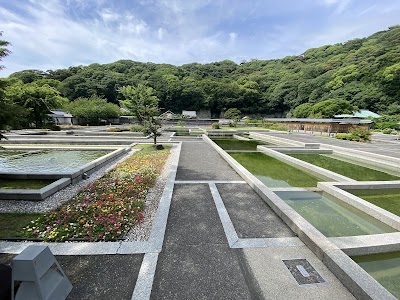
Ninomaru Historical Site Garden sits at the castle's base, and it is where you decompress after all those steep stairs and crowded interior rooms. Entry is free, which is rare on these grounds, and the traditional layout of ponds, stone lanterns, and seasonal flowers makes it a place to sit rather than rush.
This was the castle's outer defensive ring. Now it is quiet green space where cherry blossoms reflect in the water in early April. You are already here, so bring a snack, find a bench by the pond, and slow down before heading back to the city.
Tip: Stroll through the traditional garden at the castle base; entry is free and cherry blossoms peak in early April.
Day 3
Day three goes stranger and higher: a temple you reach through a cave, a vermilion shrine up 135 steps, and a Ferris wheel bolted to a department store rooftop.
Ishite Temple
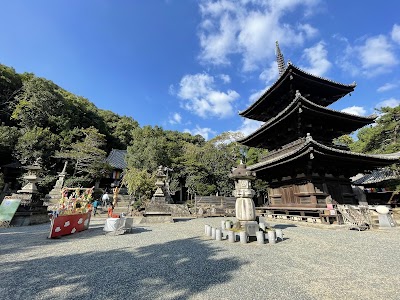
Ishite-ji is Temple 51 on the Shikoku 88 Pilgrimage, and it is the only one where you walk through a 200-meter cave to reach the inner sanctum. You will see white-robed pilgrims, a National Treasure gate, and cave tunnels lined with Buddhist statues emerging from shadow.
The cave leads to a secondary temple complex with a golden dome and Buddha imagery that feels disconnected from the main grounds. Slightly eerie, completely memorable. Morning is calmer and the cave lighting is better early. Wear decent shoes because some passages are narrow and dim.
Tip: Take a taxi or bus to Temple 51 of the Shikoku Pilgrimage; wear comfortable shoes for cave passages and bring cash for temple entry.
Isaniwa Shrine
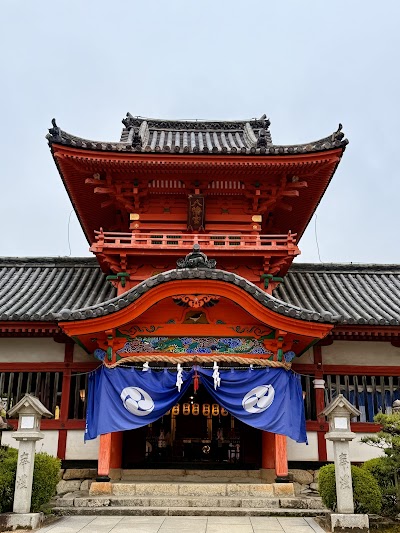
Isaniwa Shrine is that bright red Shinto shrine you see in photos. Vermilion wood, gold trim, forest behind it, appearing after you climb 135 stone steps. The architecture is one of only three major Hachiman-style examples in Japan, built in 1667 by a feudal lord who clearly had opinions about aesthetics.
From the hilltop you get views over Matsuyama, and in spring cherry blossoms near the grounds add pink to all that red and gold. Check closing times because shrines often shut earlier than temples, and the stairs are steep enough that you will not want to rush back down.
Tip: Visit this striking red Shinto shrine in the afternoon; check opening hours as it closes earlier than temples.
Ferris Wheel Kururin
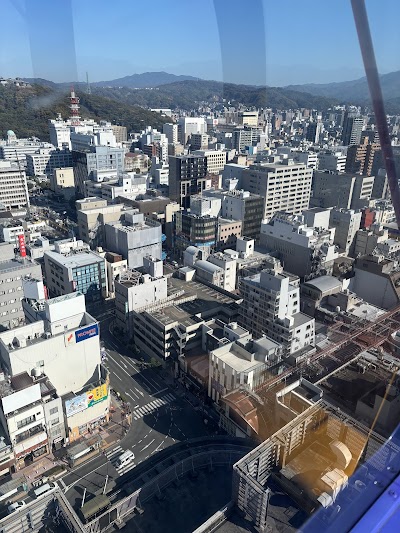
Kururin is a 45-meter Ferris wheel bolted to the roof of Iyotetsu Takashimaya department store. Yes, really. And it gives you the best panoramic views of Matsuyama. From 85 meters up you see the castle, the onsen district, and the Seto Inland Sea. The ride takes 15 minutes at a slow rotation.
Go at sunset because golden light turning into city illumination is the payoff, and you might catch cherry blossoms from above if the timing is right. It is rarely crowded, tickets are on-site, and it is an easy low-effort finale after a day of temples, shrines, and stairs.
Tip: Ride the Ferris wheel at sunset for panoramic views over Matsuyama; tickets are available on-site at the department store.
What to book ahead
- Reserve Dogo Onsen private bath (2-4 weeks in advance) - Tama-no-Yu private bath slots fill quickly, especially on weekends
- Book accommodation near Dogo district (1-2 months ahead for spring) - Cherry blossom season is peak demand
- Check castle ropeway schedule (Day before visit) - Operating hours vary seasonally
What to pack
Essentials
- Comfortable walking shoes - Temple visits and castle grounds require significant walking
- Light jacket or cardigan - Spring evenings can be cool, especially at hilltop viewpoints
- Cash in yen - Many traditional shops and temples only accept cash
- Towel for onsen - Some public baths charge extra for towel rental
Nice to have
- Yukata or casual robe - Enhances the traditional onsen experience
- Portable charger - Long days of sightseeing and photo-taking
- Rain umbrella - Spring showers are common in Matsuyama
Final take
Matsuyama gives you onsen heritage, original castle architecture, pilgrimage culture, and cherry blossoms in one compact city, and somehow it still feels like a place most travelers have not found yet.
Plan this trip
Turn this guide into an editable trip plan
Open the route in Instaboard, adjust the stops, and share the itinerary with your travel group.