Travel Guide
Nagano in 3 Days: Snow Monkeys, Ancient Temples & Mountain Shrines
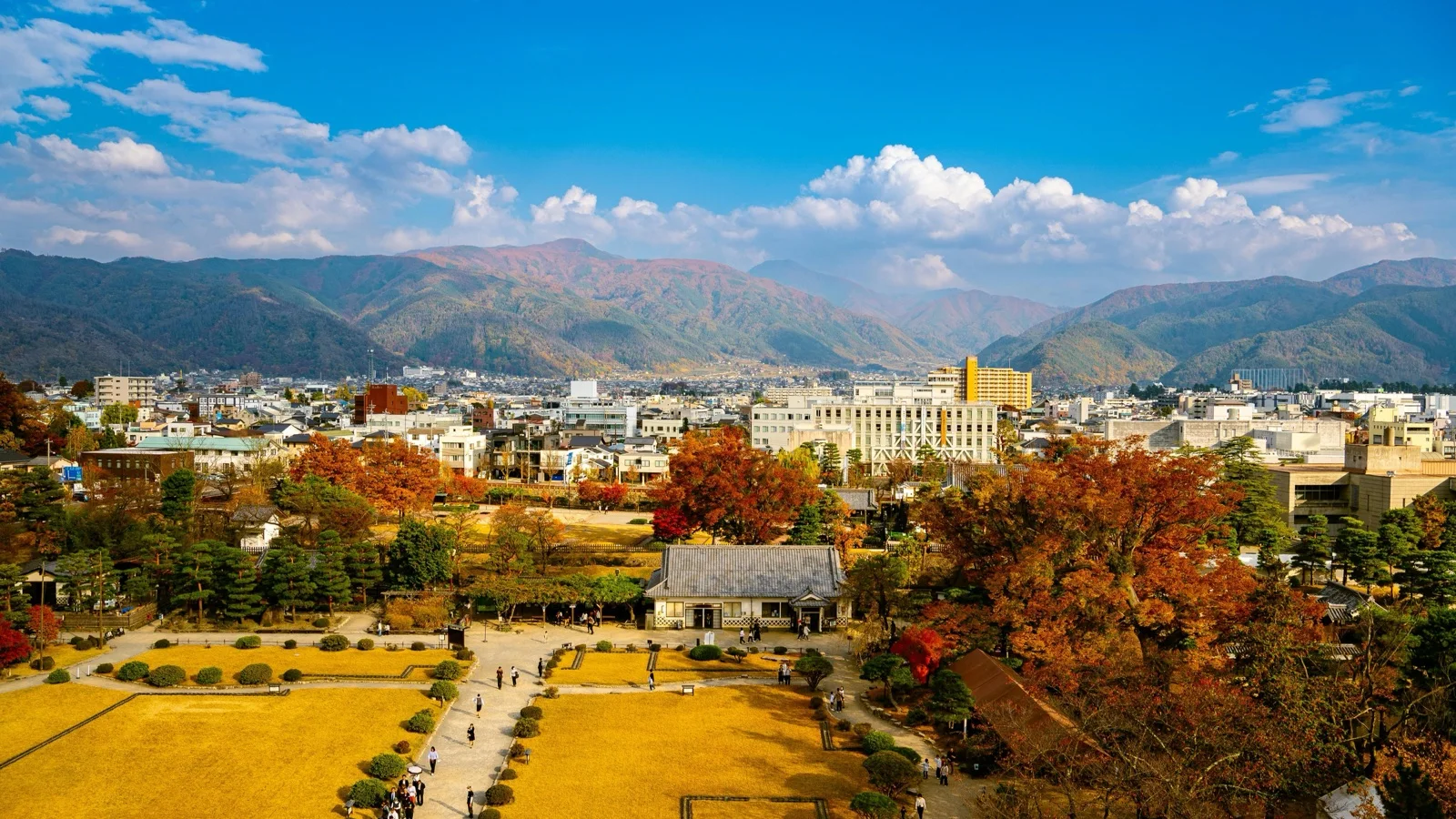
Want the editable version of this route?
Open the Instaboard template and adapt stops, timing, and notes to fit your trip.
Nagano is a mountain city in central Japan where the buckwheat noodles are regionally famous, the monkeys invented hot tub culture, and the main temple has a hidden statue nobody has been allowed to look at for about fourteen hundred years. Three days is enough to see the highlights if you know which ones actually matter, because the good stuff is spread across temples, forests, and small towns that aren't obvious from a quick search.
Nagano sits inland in the mountains, so the seasons shift hard. Winters bring snow and steam, autumns go gold, and even summers stay cool enough that people come here specifically to escape the heat.
Day 1
Day one is the reason Nagano exists: a fourteen-hundred-year-old temple, the snack street leading up to it, and wagyu near the temple gate to close things out.
Zenkōji temple
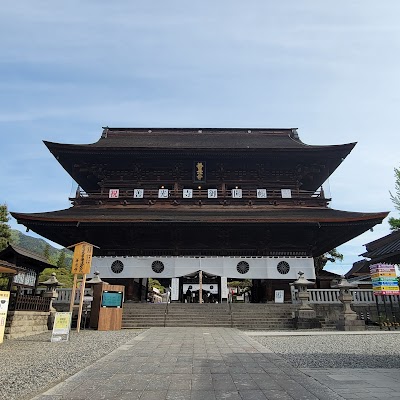
Zenkoji is a Buddhist temple so old that the entire city of Nagano basically grew around it. Pilgrims have been coming here for over fourteen centuries, and the main hall enshrines what is believed to be the first Buddhist image ever brought to Japan. Nobody has seen it in centuries, not even the head priest.
The thing you actually come for is the okaidan meguri: a pitch-black underground corridor beneath the main hall where you run your hand along the wall searching for a metal key that supposedly grants salvation. Go early. The okaidan fills up by late morning, especially on weekends, and the underground passage has limited capacity.
Tip: Walk through the Niomon Gate to Japan's oldest Buddhist temple. Reserve a spot for the okaidan underground corridor. Arrive early on weekends to avoid the biggest crowd at the main hall.
Zenkōji Nakamise Street
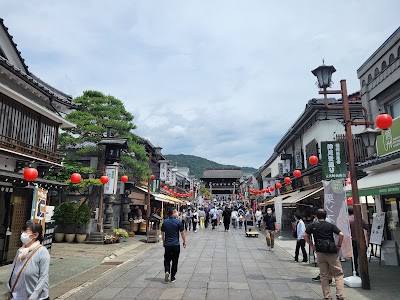
Right after the temple you are on Nakamise Street, the historic approach lined with soba shops and vendors selling oyaki, which are buckwheat dumplings stuffed with vegetables or sweet bean paste. Families have been feeding pilgrims on this street for generations, and the buckwheat grows well in Nagano's cold mountain climate, so the soba here is the real regional thing, not a tourist invention.
The shops run from about nine to five, so if you finish the temple in the afternoon, you are right in the sweet spot for a late soba lunch. Bring cash, because a lot of the smaller vendors don't take cards, and you will want oyaki in both hands before the walk back.
Tip: Stroll the historic approach lined with soba shops and oyaki vendors. Bring cash for street snacks; most shop opening hours run 9 AM to 5 PM.
MONZEN TERRACE ENYA
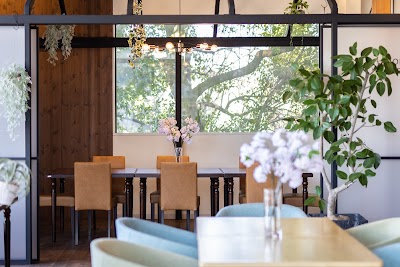
ENYA is a renovated traditional house sitting almost in the shadow of the temple gate, serving Shinshu wagyu and local craft beer. The contrast between the fourteen-hundred-year-old temple and the cocktail list is the whole appeal. The building is a kominka, an old Japanese house with warm wood interiors, and it feels like walking into someone's very stylish living room after a full day on your feet.
Nagano prefecture is one of Japan's top sake-producing regions, so this is the place to try a local pour alongside the wagyu. Reserve on weekends because it is small and well-reviewed, and it is closer to the temple than the station, so plan your walk back accordingly.
Tip: Sip local craft beer and Shinshu wagyu at this stylish kominka dining spot near the temple gate. Book a table on weekends as seats fill fast.
Day 2
Day two goes from monkeys bathing in hot springs to an eighty-four-year-old Hokusai painting ceilings in a tiny chestnut town. It is a weird day and a great one.
Jigokudani Monkey Park
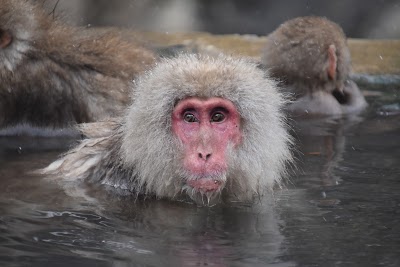
Jigokudani Monkey Park is where wild Japanese macaques sit shoulder-deep in natural hot springs in a valley called Hell's Valley for its steaming sulfur vents. The monkeys started doing this on their own in the nineteen sixties. They are not trained or coaxed, so you are watching a behavior they genuinely invented and passed along to each other.
The catch is getting there: about forty minutes by bus from Nagano Station, then a half-hour walk through forest that can be icy in winter, so wear shoes with actual grip. Go early because the monkeys are more active in the morning and the light through the steam is better, before the viewing area turns into a tripod convention by midday.
Tip: Take the bus from Nagano Station, then walk 30 minutes through forest trail to see wild macaques bathing in hot springs. Wear warm layers in winter for the best snow-and-steam views.
Obuse
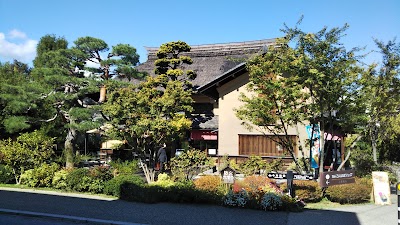
Obuse is a small town fifteen minutes by train from Nagano where Katsushika Hokusai, the guy who painted The Great Wave, spent his final years painting ceiling panels and, presumably, eating chestnut sweets. Ganshoin Temple has a ceiling he painted: a dragon surrounded by flower petals, inside a quiet temple in a town most tourists drive right past.
The whole place is walkable and calm, and the scale shift from Nagano City to a town where everything is five minutes apart is part of why it works so well after a morning chasing monkeys. Grab the chestnut Mont Blanc cake before you leave. It is the local signature, and the town basically shuts down by evening anyway.
Tip: A 15-minute train ride brings you to this charming town of chestnut sweets and the Hokusai Museum. Buy a combined ticket for the museum and Ganshoin Temple to save on entry fees.
Day 3
Day three heads deeper into the mountains to walk through four-hundred-year-old cedar trees toward a shrine tied to Japan's creation myth, followed by soba that might honestly be the highlight.
Togakushi Shrine Okusha (Main Shrine) The Great Torii Gate
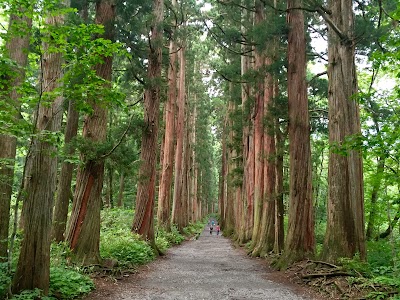
Togakushi Shrine Okusha sits at the base of a mountain whose name means hidden door, tied to a Shinto myth about the sun goddess Amaterasu hiding in a cave and having to be lured back out. You reach the inner shrine by walking a roughly two-kilometer avenue of ancient cryptomeria trees, with trunks thick enough that samurai walked the same path, close enough together that the canopy blocks out most of the sky.
The walk is the thing: dappled light, the smell of moss and old wood, and the sheer scale of the trees when you look up. The shrine at the end almost feels like a bonus. Check the return bus schedule carefully because they run infrequently, and you really don't want to be figuring out a taxi from a mountain shrine at dusk.
Tip: Walk the dramatic avenue of 400-year-old cryptomeria trees to the main shrine. Take the bus from Nagano Station; the final approach requires a 20-minute walk through the sacred cedar-lined path.
Yotsukado Togakushi
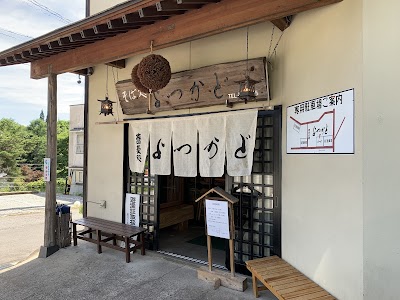
After the cedar walk you pass the soba shops near the lower shrine, and Togakushi soba is one of Nagano's signature dishes. It is served on a flat zaru board, not in a bowl, with a distinctive local dipping broth. The buckwheat grows in the mountains around you, and the shops here have been feeding shrine visitors for generations. This is a food tradition, not a tourist stop with a food label attached.
Get here before noon because the popular shops sell out and close by early afternoon, not at a fixed hour. Once the noodles are gone, they are gone. Order the local-style zaru soba, slurp away because that is expected, and time this before your return bus because lingering too long is how you end up waiting an hour on a mountain road.
Tip: Togakushi is famous for hand-made buckwheat soba served on flat zaru boards. The soba trail near the lower shrine has acclaimed shops. Arrive before noon as popular spots sell out early.
What to book ahead
- Book Nagano-area accommodation (4–8 weeks ahead) - Stay near Zenko-ji or Nagano Station for easiest access to day trips.
- Reserve okaidan corridor at Zenko-ji (1–2 weeks ahead) - Limited slots; may sell out on weekends.
- Check Jigokudani Monkey Park hours (1 week ahead) - Park hours vary by season; winter offers the best photo conditions.
What to pack
Essentials
- Comfortable walking shoes - Temple approaches, forest trails, and shrine paths all require extended walking.
- Layered clothing - Mountain weather shifts quickly; mornings can be chilly even in summer.
- Day pack - Carry layers, snacks, and water on day trips to Togakushi and the monkey park.
Nice to have
- Onsen towel - Useful if you visit public baths at Shirahone or Nozawaonsen.
- Camera with zoom lens - Helpful for capturing snow monkeys without disturbing them.
Final take
Nagano is one of those places where the temples, the wildlife, and the food all feel like they actually belong to the mountains around them. Nothing here feels imported for tourists.
Plan this trip
Turn this guide into an editable trip plan
Open the route in Instaboard, adjust the stops, and share the itinerary with your travel group.