Travel Guide
Nagasaki 3-Day Spring Itinerary: Hidden History & Harbor Views
Want the editable version of this route?
Open the Instaboard template and adapt stops, timing, and notes to fit your trip.
Nagasaki is where Japan met the outside world for two centuries, then spent another two trying to forget the worst of it. Most travelers blow through in half a day, miss the hillside neighborhoods, and wonder why nothing clicked.
Spring means mild weather and cherry blossoms along the hills, perfect for the amount of walking this city demands.
Day 1
Day one covers Nagasaki's outsider history: stone staircases built for foreign traders, then the city lights from above.
Minamiyamatemachi
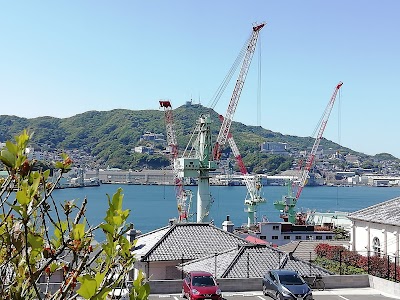
Minamiyamatemachi is where Western traders settled after Japan opened up, with steep stone lanes, old consular houses, and harbor views at every third staircase. Locals called the whole area 'Dutch Slope' because for two centuries, 'Dutch' just meant 'foreign.' Any Westerner, any Western thing, got the label.
Come in the afternoon because the light hits the harbor the right way, and you'll want that glow for photos. The slopes are real. Your legs will notice. Most visitors skip this for paid attractions, which means you get the atmosphere without the crowds.
Tip: Wander Minamiyamatemachi's stone staircases and Dutch Slope; arrive by 2pm for the best afternoon light over the harbor and wear comfortable shoes for the steep climbs.
Mt. Inasa Overlook
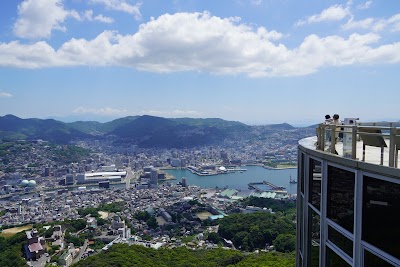
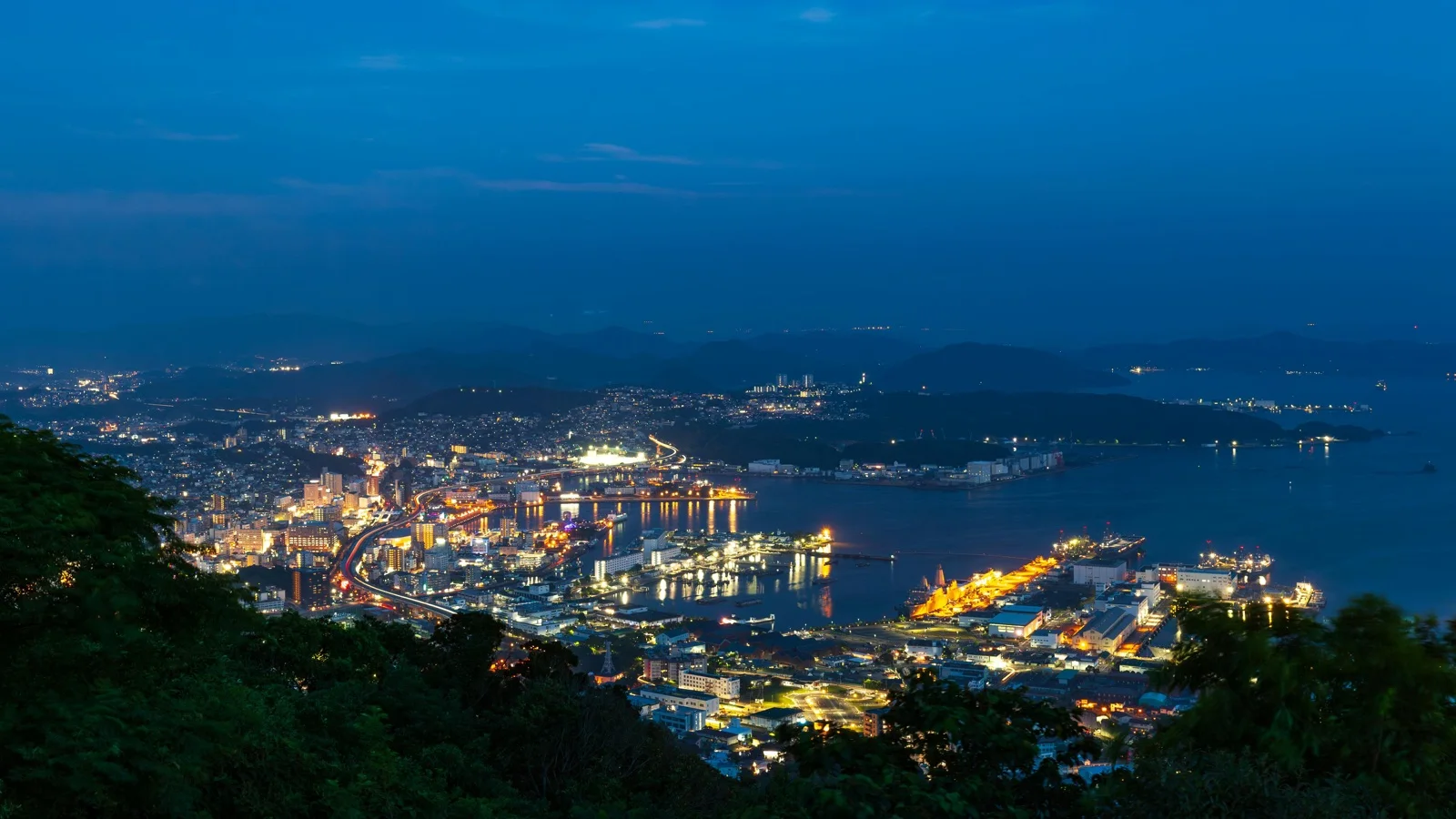
Mount Inasa is the 333-meter hill behind the city, and the ropeway dumps you at one of Japan's three great night views. They call it the '10 Million Dollar Night View.' The lights spread across the harbor and hillsides in a way that actually justifies the nickname.
Go up before sunset because the view transforms in real time, and the ropeway queue at golden hour is its own endurance test. Even jaded travelers admit it's impressive, but check the weather first. Cloud cover turns this into an expensive ride to a fog bank.
Tip: Take the ropeway up before sunset to claim a prime spot; stay after dark to see Nagasaki's '10 Million Dollar Night View' light up the harbor.
Day 2
Day two walks through Nagasaki's Chinese and Dutch chapters: the oldest Chinatown in Japan, a temple that doesn't look Japanese, and the island where Westerners lived under lock and key.
Nagasaki Shinchi Chinatown
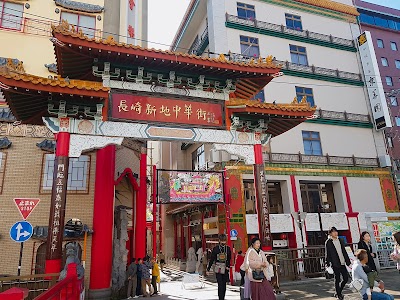
Shinchi Chinatown is four short blocks but historically dense. This is where Chinese merchants lived when Japan closed itself to almost everyone else. It's the oldest Chinatown in Japan and the birthplace of champon, the pork-and-seafood noodle soup that's now a Nagasaki staple.
Get here before 11am because the lunch rush packs the narrow lanes, and you'll want room to actually see the architecture. The Lantern Festival in January and February is spectacular, but spring is quieter and more local. Just don't expect the lanterns.
Tip: Explore Shinchi Chinatown before 11am to avoid crowds and try champon at a local eatery; cash is preferred at many food stalls.
Sofuku-ji Temple
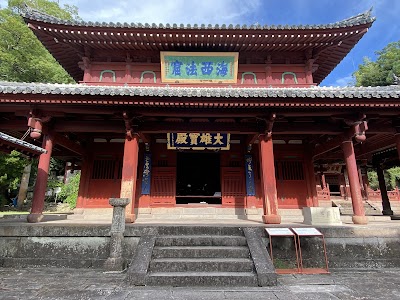
Sofuku-ji Temple is a Chinese Zen temple built in 1629. The red doors and sweeping roofs look like Ming Dynasty China, not Japan. Chinese residents built this during Japan's isolation era because they needed a place to worship far from home, and it's held that purpose for nearly 400 years.
It's rarely crowded, often empty, and the contrast with Japanese temple architecture is the whole point. Photography's fine outside the main hall (ask inside). The morning quiet makes it easy to forget you're in the middle of a Japanese city.
Tip: Visit Sofuku-ji Temple after Chinatown; opening hours are 8am to 5pm and photography is allowed outside the main hall.
Site of the Former Dutch Trading Post on Dejima
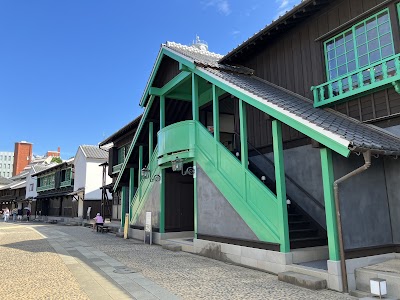
Dejima was an artificial island, 120 by 75 meters, where Dutch traders were confined for over two centuries. It was Japan's only window to the Western world. The Dutch lived here, traded here, and couldn't leave because the shogunate wanted foreign goods without foreign influence.
The restored warehouses and residences are walkable in about two hours. Spend time with the exhibits because the story is more interesting than the buildings alone. The island isn't an island anymore; reclamation merged it with the city. Stand at the old gate and imagine being stuck in a space smaller than a city block for years.
Tip: Tour Dejima's restored warehouses; book a guided tour in advance if you want deeper historical context about Japan's isolation-era trade.
Day 3
Day three confronts the atomic bombing, then moves through peace and resilience: from a museum to a memorial park to a cathedral that survived.
Nagasaki Atomic Bomb Museum
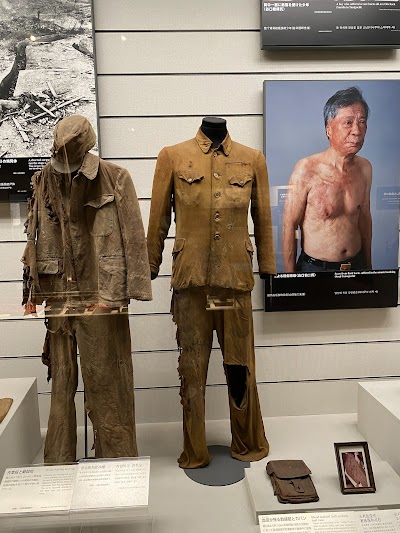
The Nagasaki Atomic Bomb Museum documents August 9, 1945, when the second atomic bomb hit this city. There is no sensationalism, just objects and stories. A stopped pocket watch frozen at 11:02am, shadow imprints on stone, the ordinary things that survived the impossible.
Arrive when doors open at 8:30am because lines build fast and this isn't something to rush. Take your time, use the audio guide if it helps, and plan something lighter afterward. This isn't the place to be efficient.
Tip: Begin at the Atomic Bomb Museum when doors open at 8:30am to avoid long queues; allow extra time for the moving exhibits.
Peace Park Nagasaki
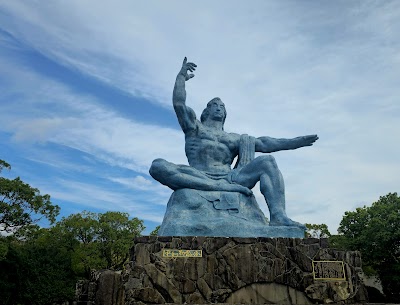
Peace Park sits on the hill near ground zero. The hypocenter is marked by a black stone pillar, and the 10-meter bronze statue watches over it. The Peace Statue's right hand points to nuclear threat, left hand extends peace, and the fountain remembers victims who cried for water.
Walk here from the museum because the transition helps, and the short distance gives you a moment to process. Paper cranes left by visitors pile up near the monuments; add yours if you want. The open sky makes the weight feel slightly more bearable.
Tip: Walk from the museum to Peace Park's iconic statue; the fountain and surrounding monuments are powerful in the quiet midday hours.
Ōura Cathedral
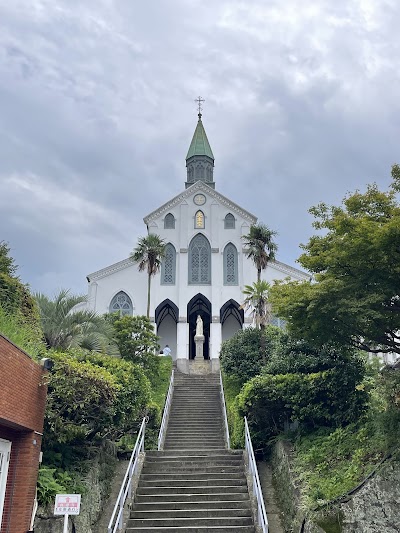
Ōura Cathedral is a Gothic church overlooking the harbor, built in 1864. It is the oldest Christian church in Japan and a UNESCO World Heritage Site. In 1865, Hidden Christians revealed themselves here, ending 250 years of secret worship after the faith was banned.
The afternoon light hits the stained glass the right way, and the adjacent museum explains how Christianity survived underground. A French missionary built a Gothic cathedral on a Japanese hillside in the 1860s. The audacity is part of the story, and the view across the harbor is the payoff.
Tip: Visit Oura Cathedral in the late afternoon; check opening hours as the last entry is at 5pm and tickets include access to the church interior.
What to book ahead
- Reserve Hashima Island boat tour (2-4 weeks ahead) - Popular half-day excursions sell out in spring.
- Book ropeway tickets for Mt. Inasa (Same day or 1 day ahead) - Not essential but saves queue time at sunset.
- Check Atomic Bomb Museum hours (Before Day 3) - Occasional extended hours during peak season.
What to pack
Essentials
- Comfortable walking shoes - Nagasaki's hillside neighborhoods have steep stone stairs.
- Light jacket or layers - Spring evenings can be cool, especially on Mt. Inasa.
- Portable charger - Long museum visits and photo-heavy sightseeing drain batteries.
Nice to have
- Compact umbrella - Spring can bring sudden showers.
- Travel tripod - Useful for stable night shots from Mt. Inasa.
- Cash in yen - Many small eateries and temple entries prefer cash.
Final take
Nagasaki spent centuries as Japan's gateway to the outside world, then carried one of history's heaviest burdens, and somehow, the stone lanes and harbor views still feel welcoming.
Plan this trip
Turn this guide into an editable trip plan
Open the route in Instaboard, adjust the stops, and share the itinerary with your travel group.