Travel Guide
Nagoya in 3 Days: Castles, Samurai History & Hidden Gems
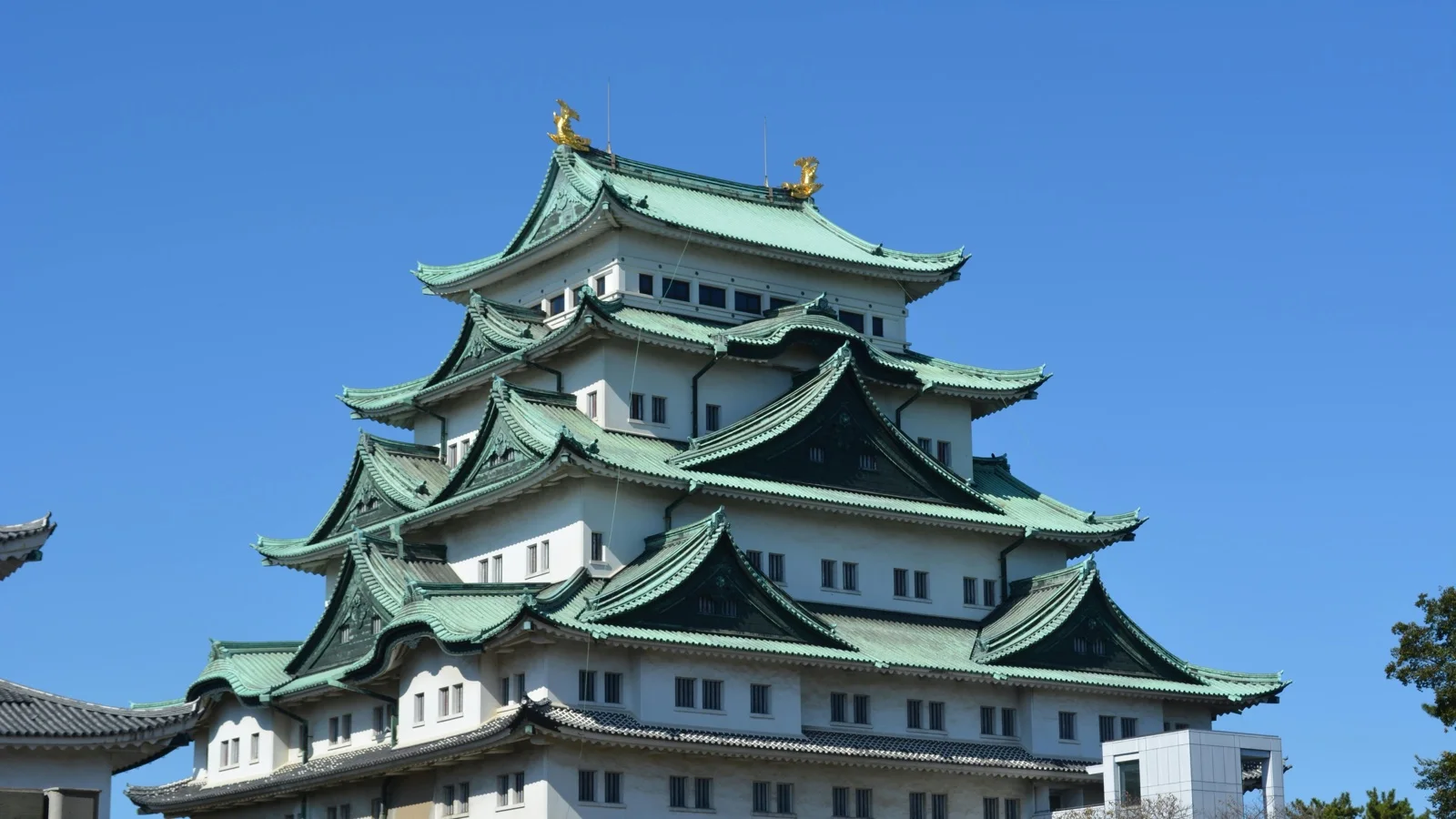
Want the editable version of this route?
Open the Instaboard template and adapt stops, timing, and notes to fit your trip.
Nagoya is the city travelers skip on the way between Tokyo and Osaka, which is unfortunate because it has two of Japan's best castles and an industrial museum that slaps.
Three days is enough to see the Tokugawa strongholds, one real wooden keep, and a shrine built around a sword nobody's allowed to look at, if you don't waste time on the wrong things.
Autumn means cooler air, some rain, and castle photos without heatstroke. Just stash one indoor backup per day in case the weather turns.
Day 1
Day one is Tokugawa territory: a concrete castle with golden fish, a palace rebuilt right, and the private museum where the family kept their best stuff.
Nagoya Castle
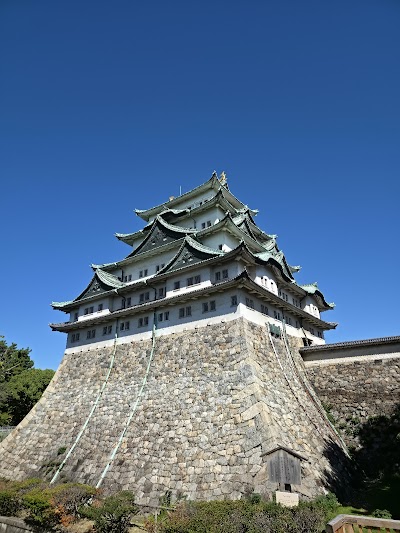
Nagoya Castle was Tokugawa Ieyasu's power play after he won at Sekigahara, built to remind everyone who ran central Japan. The golden shachihoko on the roof are real, mythical tiger-fish that supposedly keep fires away, which feels optimistic for a building that burned down twice.
The main keep is concrete and closed for reconstruction, because Nagoya built it wrong after the war and is now fixing that in wood. Walk the grounds first while the light is good, because Honmaru Palace comes next and that's where the interiors live.
Tip: Arrive near opening to beat school groups. Walk the grounds first for wide castle photos before crowds build.
Honmaru Palace
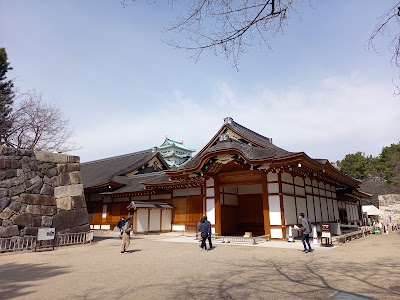
Honmaru Palace is the authentically restored part, completed in 2018 with enough gold leaf to explain where the budget went. This is where the Owari Tokugawa lord actually lived and received guests, and the sliding screens and polished floors show what castle life looked like at the top.
It's indoors and heated, which makes it the place you want to be if the rain shows up. Remove your shoes, move slowly, and go deep, because the best rooms are the ones farthest from the entrance.
Tip: Go right after the castle to keep the story flowing. Aim for a quieter mid-afternoon interior visit if rain hits.
Tokugawa Art Museum
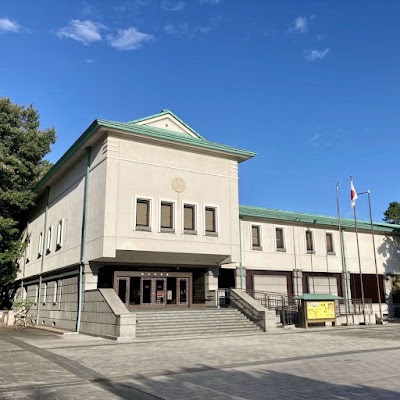
Tokugawa Art Museum is the props room for everything you just saw: swords, armor, tea utensils, and illustrated scrolls the Owari branch never threw away. The Owari were the wealthiest of the three Tokugawa houses, and they kept better souvenirs than most royal families.
Dark galleries, glass cases, and the weight of inherited wealth, plus National Treasures including Tale of Genji scrolls and a trousseau built for a bride. Check the closing time and last-entry window before you arrive, because this is the kind of museum that locks up early.
Tip: Check exhibit schedules and last entry time before you go. Store coats and bags to move faster through the galleries.
Day 2
Day two is the day trip: a 16th-century wooden castle that survived everything, followed by an open-air village of Meiji-era buildings someone rescued from demolition.
Inuyama Castle
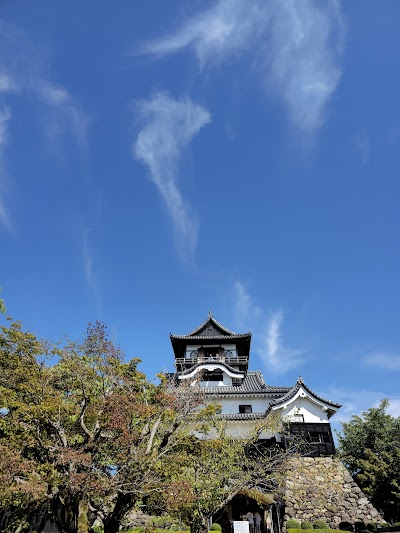
Inuyama Castle is one of only twelve original keeps left in Japan, perched on a hill above the Kiso River since the 1530s. This is what Nagoya Castle wants to be when it grows up: actual timber, steep stairs, and creaky floors that smell like old wood.
The stairs are narrow and not friendly to anyone with knee problems, but the river views from the top are why you climbed them. Go early because the stair bottlenecks get real once the tour buses arrive, and autumn light on the river is worth the alarm clock.
Tip: Go early to avoid stair bottlenecks. Autumn river views look best in soft morning light before crowds peak.
Museum Meiji-Mura
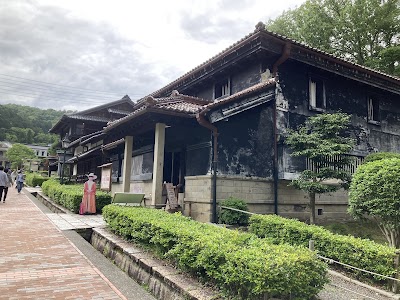
Museum Meiji-Mura is sixty-plus buildings from 1868 to 1912, relocated here because someone decided Japan was throwing away too much architecture. You can walk through old banks, prisons, churches, and Frank Lloyd Wright's Imperial Hotel entrance hall, all saved from demolition.
The Meiji era was Japan colliding with the West, and the hybrid architecture here shows that collision in real wood and brick. Pick a themed loop and skip the rest because the site is huge and your legs have limits.
Tip: Wear comfortable shoes and plan a themed loop, not everything. Confirm bus timings from Inuyama and buy entry ahead.
Sakae
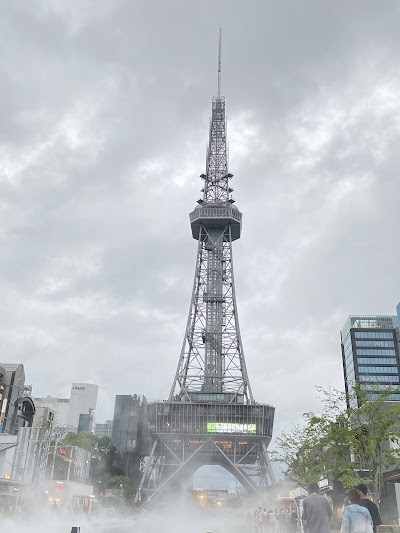
Sakae is Nagoya's main nightlife district, which means department stores, underground malls, and enough izakaya to recover from two days of walking. Oasis 21 is a glass-and-water shopping complex with a rooftop park that feels like a fever dream designed by a committee.
Most of the area is covered or indoors, so rain doesn't change much, and the options for dinner are basically unlimited. Keep it flexible and pick something when you get here, because the neighborhood is where locals actually go out, not a tourist theme park.
Tip: Keep dinner flexible here after the day trip. It is an easy base with many choices and quick subway hops.
Day 3
Day three mixes Shinto atmosphere, industrial history, and covered shopping streets. A spiritual morning into a machine afternoon into an unstructured food crawl.
Atsuta-jingu Shrine
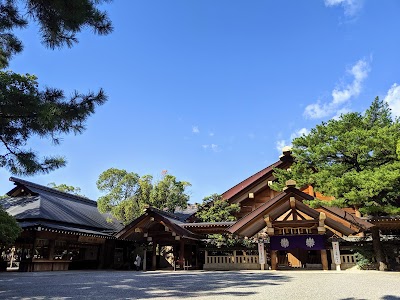
Atsuta-jingu is one of Shinto's most important shrines, housing the Kusanagi sword, one of the three imperial regalia, which is never displayed. The sword is the whole point, and also invisible, so the shrine built a museum in 2021 to explain why you can't see it.
Tree-lined paths, gravel underfoot, and the quiet of a major religious site that predates most of the buildings around you. Go early because the atmosphere is better before the crowds, and the wooded grounds feel larger when you're not sharing them with tour groups.
Tip: Arrive early for a quieter, wooded atmosphere. Bring a small towel for the handwashing area and expect light drizzle in autumn.
Toyota Commemorative Museum of Industry and Technology
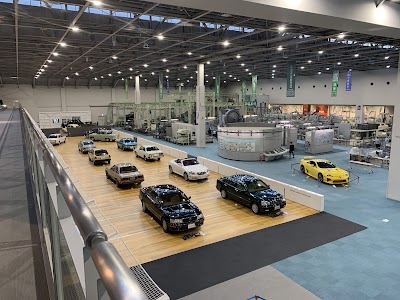
Toyota started as a loom company, and this red-brick factory museum tells that story from fabric to cars with working machinery and clear exhibits. Sakichi Toyoda's automated loom changed textile manufacturing before his family pivoted to automobiles, so this is the origin story.
Clanking machinery demonstrations, the smell of old industry, and enough early cars to remind you how far engineering can wander. Catch a loom demo because they're loud and impressive, and plan two hours minimum because the site is bigger than you think.
Tip: Arrive right at opening or just after lunch to avoid school-group peaks. Check demo times on entry and plan your route around them.
Osu Shotengai Shopping Street
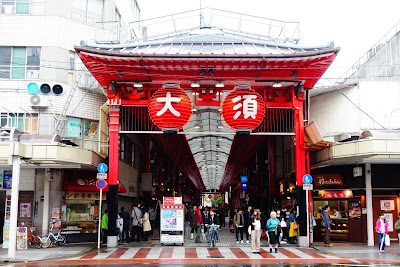
Osu Shotengai is Nagoya's best covered shopping street wrapped around Osu Kannon Temple, where walking while eating is genuinely encouraged. Over twelve hundred shops and food stalls, thrift clothing, electronics, anime goods, and steam from whatever is frying nearby.
The temple was moved here by Tokugawa Ieyasu in 1612, and the market grew around it like clutter in a garage that became a feature. Go hungry, bring cash for the smaller stalls, and use the temple as your landmark because the covered arcades twist.
Tip: Go hungry and snack as you browse. Keep cash handy for smaller vendors and bring a light jacket for cooler night air.
What to book ahead
- Confirm Honmaru Palace entry details (1-3 days before) - Check hours/closures and plan a mid-afternoon slot if you want fewer interior crowds.
- Check Tokugawa Art Museum hours and exhibits (2-7 days before) - Rotate-heavy programming; align your visit with what you care about most.
- Plan Museum Meiji-Mura transit and entry (2-7 days before) - Confirm bus timing from Inuyama and pre-plan a loop so you are not rushed.
- Pick a sunset window for Sky Promenade (1-2 days before) - Clouds and wind matter; shift to an indoor fallback if weather is poor.
- If considering Ghibli Park, secure timed tickets (As early as available) - High demand; treat as a swap for the day-trip plan, not an add-on.
What to pack
Essentials
- Light jacket or cardigan - Autumn evenings at viewpoints can be windy and cooler than expected.
- Comfortable walking shoes - Castles, museums, and open-air sites add up to many steps.
- Compact umbrella - Autumn can bring sudden showers and keeps the plan moving.
- IC transit card - Speeds up subway and train transfers across Nagoya and day trips.
Nice to have
- Thin gloves - Helpful for chilly sunset viewing without packing a heavy coat.
- Small daypack - Easier for lockers, museum browsing, and shopping pickup in Osu.
- Portable charger - Maps, tickets, and photos drain batteries on transit-heavy days.
Final take
Three days in Nagoya gets you two very different castles, one invisible sword, and a manufacturing story that starts with looms and ends with Corollas.
Plan this trip
Turn this guide into an editable trip plan
Open the route in Instaboard, adjust the stops, and share the itinerary with your travel group.